Read the following text and answer the quiz below.
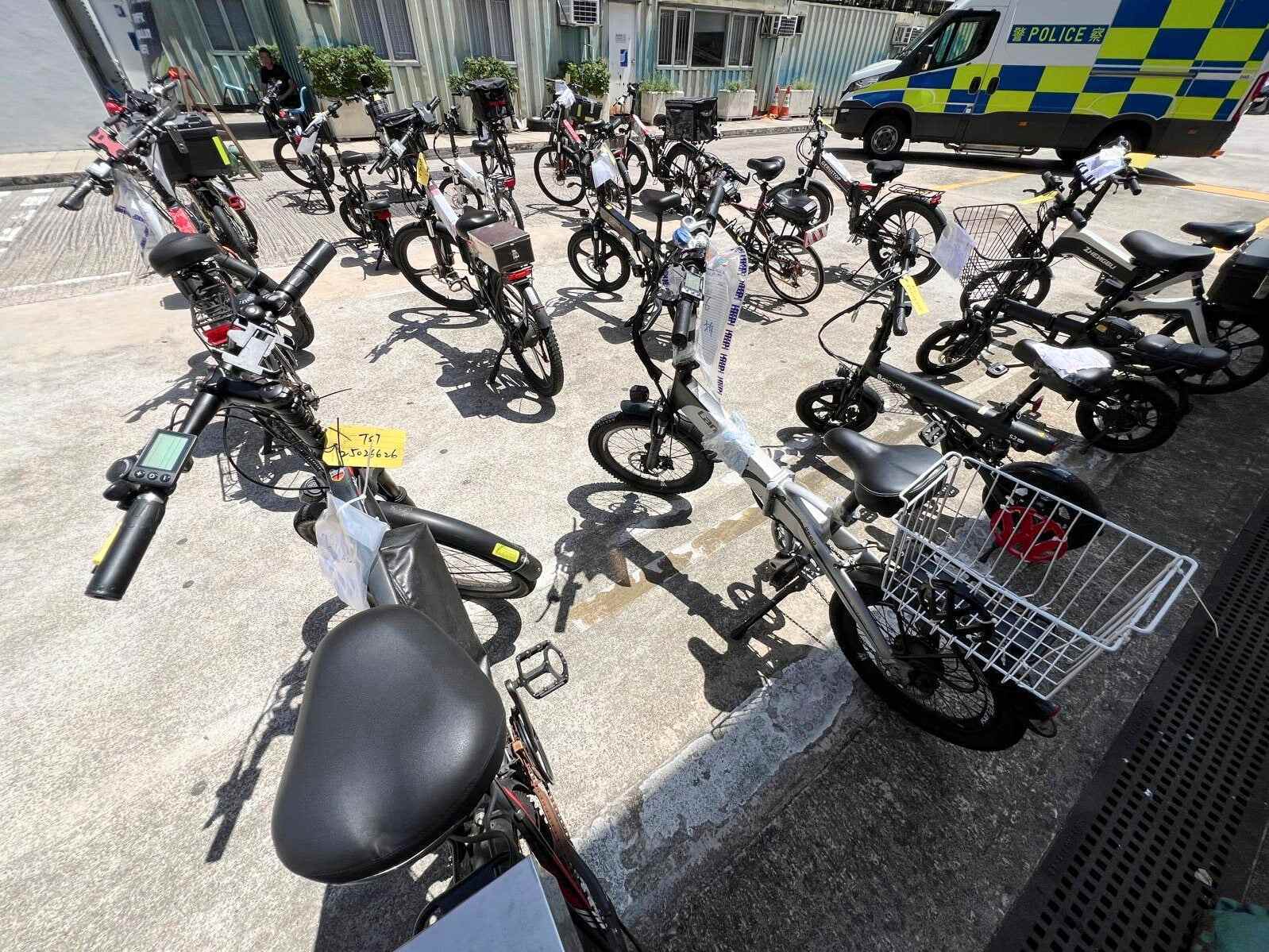
[1] Hong Kong police intensified their crackdown on the illegal use of electric bicycles and scooters in 2025, increasing arrests by 17 per cent to 760, according to transport authorities. Secretary for Transport and Logistics Mable Chan also pledged to roll out a certification mechanism later this year for electric mobility devices, as such vehicles are known.
[2] Addressing the Legislative Council last month, Chan said the surge in arrests – up from 647 in 2024 – underscored the urgent need for formal regulations to ensure public safety. There were three traffic accidents involving electric mobility devices in 2024, rising to eight in 2025. The minister also pointed to a rise in fire incidents – from 12 in 2024 to 17 in 2025 – mostly caused by malfunctioning batteries. “We are actively collaborating with the Hong Kong Productivity Council to reference practices from different regions and formulate a product certification mechanism,” Chan said.
[3] Chan said that under the proposed regulatory framework, accredited bodies would assess electric mobility devices against the Transport Department’s technical and electrical requirements. Certified models would carry a QR code label to facilitate identification by the public and law enforcement officers.
[4] Lawmaker Tam Chun-kwok cited several battery-related e-bike fires in recent months that had triggered public concern over these “community bombs”, asking if the government would consider banning such devices from lifts amid the current “legislative vacuum”. Chan emphasised that product quality was the immediate priority, noting that neither European countries nor Singapore had specific laws governing electric mobility devices in lifts.
[5] She said she would instruct her department “to coordinate as soon as possible with their relevant counterparts”, such as those in mainland Chinese cities, to study their practices. “This includes product certification and the prevention of fire safety hazards, to see if there are any further, more stringent regulations we can implement.”
[6] Electric mobility devices are mechanically propelled. They currently fall under the definition of a motor vehicle in the Road Traffic Ordinance, meaning unregistered or unlicensed use may constitute an offence. Lawmaker Aaron Bok Kwok-ming noted that private roads in housing estates were currently regulated under the ordinance. He asked whether authorities would allow the regulated use of these devices in such areas before new laws were enacted.
[7] Meanwhile, lawmakers Scott Leung Man-kwong and William Wong Kam-fai said people on electric mobility devices were frequently seen speeding through parks, housing estates and pedestrian zones, making traditional enforcement difficult.
[8] Chan said various government departments were working with police to establish a framework to govern device safety and usage. “I will see if we can expedite this work, and regarding private and public housing estates, we will consult relevant units such as the Housing Department to ensure that current legal definitions – and what constitutes a violation – are explicitly listed in estate notices or instructions, so that residents do not inadvertently break the law.”
Source: South China Morning Post, February 4
Content provided by British Council