Content provided by British Council
Read the following text and answer the quiz below.
[1] A new poll has found that nearly 90 per cent of Hong Kong residents support stronger smoking control measures. A separate study estimated that progressively raising the tobacco tax could significantly cut the city’s smoking rate within a decade.
[2] The Hong Kong Council on Smoking and Health (COSH) and academics announced the findings of a survey and a study conducted by two universities. The survey gauged public opinion on tobacco control policies, while the study projected and analysed the effects of additional measures.
[3] According to a study by the University of Hong Kong (HKU), 89 per cent of respondents backed expanding smoke-free areas. More than 60 per cent were in favour of a smoking ban covering all outdoor areas. “There is a high degree of consensus in Hong Kong society that supports the further expansion of no-smoking areas ... to safeguard public health,” said Kelvin Wang Man-ping, assistant dean of professional development in health sciences of HKU’s medical faculty, who led the survey.
[4] The survey was conducted from December 2024 to May last year. It interviewed 5,600 respondents, including 2,600 smokers, 1,500 former smokers and 1,500 non-smokers. Approximately 83 per cent of respondents reported being exposed to second-hand smoke on the pavement, often or occasionally, and 74 per cent reported exposure while waiting to cross by the roadside. Those exposed to more locations with second-hand smoke also reported higher rates of respiratory symptoms.
[5] Support for expanding no-smoking areas included 91 per cent of former smokers and almost half of current smokers. An overwhelming 91 per cent of respondents supported a ban on smoking while walking on the streets. Wang said he was not surprised by the strong support from smokers, noting that many wanted to quit.
[6] A separate study by the Chinese University of Hong Kong found that progressively raising the tobacco tax could reduce the city’s smoking rate over the next 10 years. The study found that raising the tobacco tax to 75 per cent of the retail price, with subsequent annual 5 per cent increases over 10 years, could significantly reduce the prevalence of smoking in the medium term.
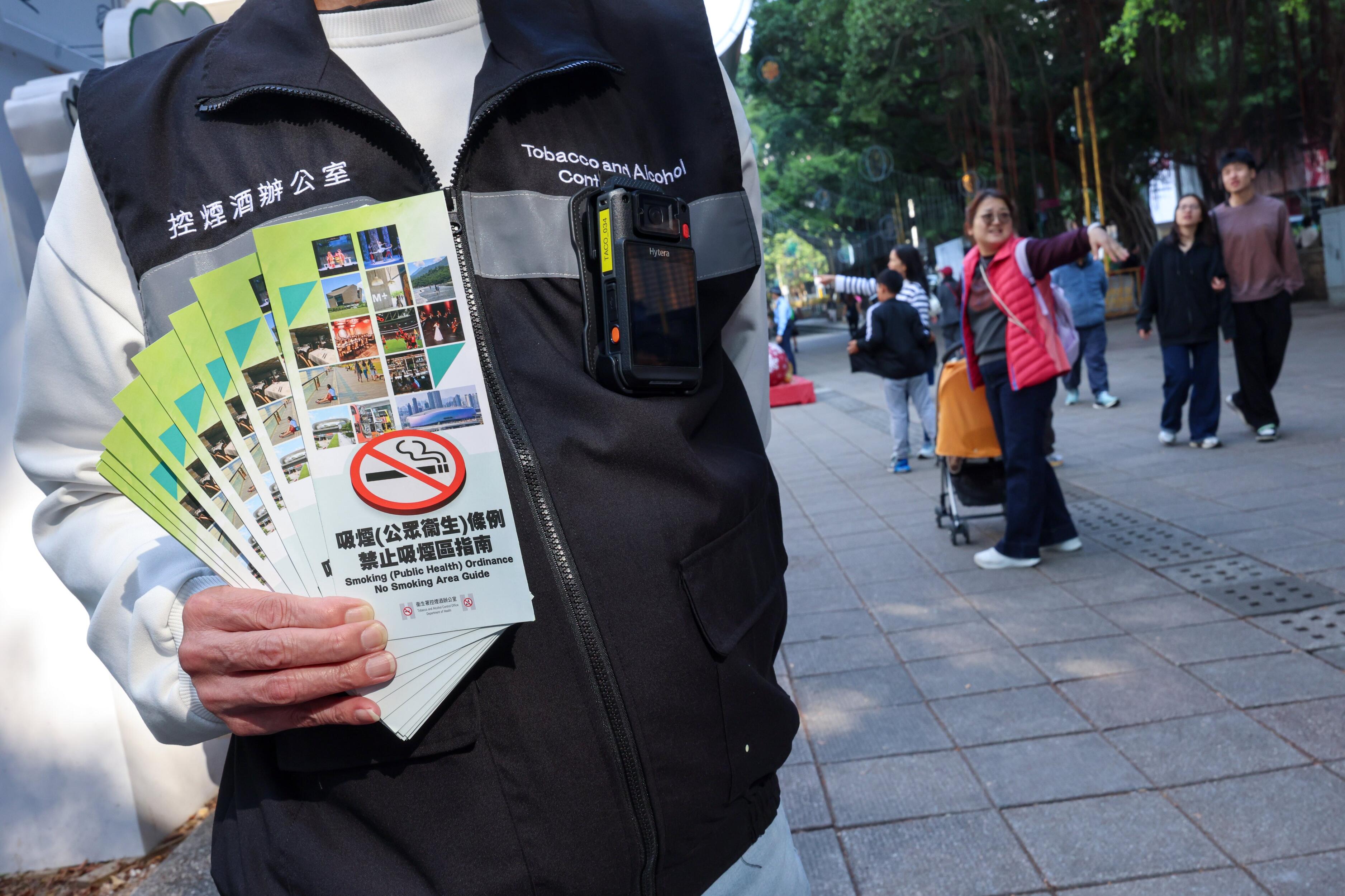
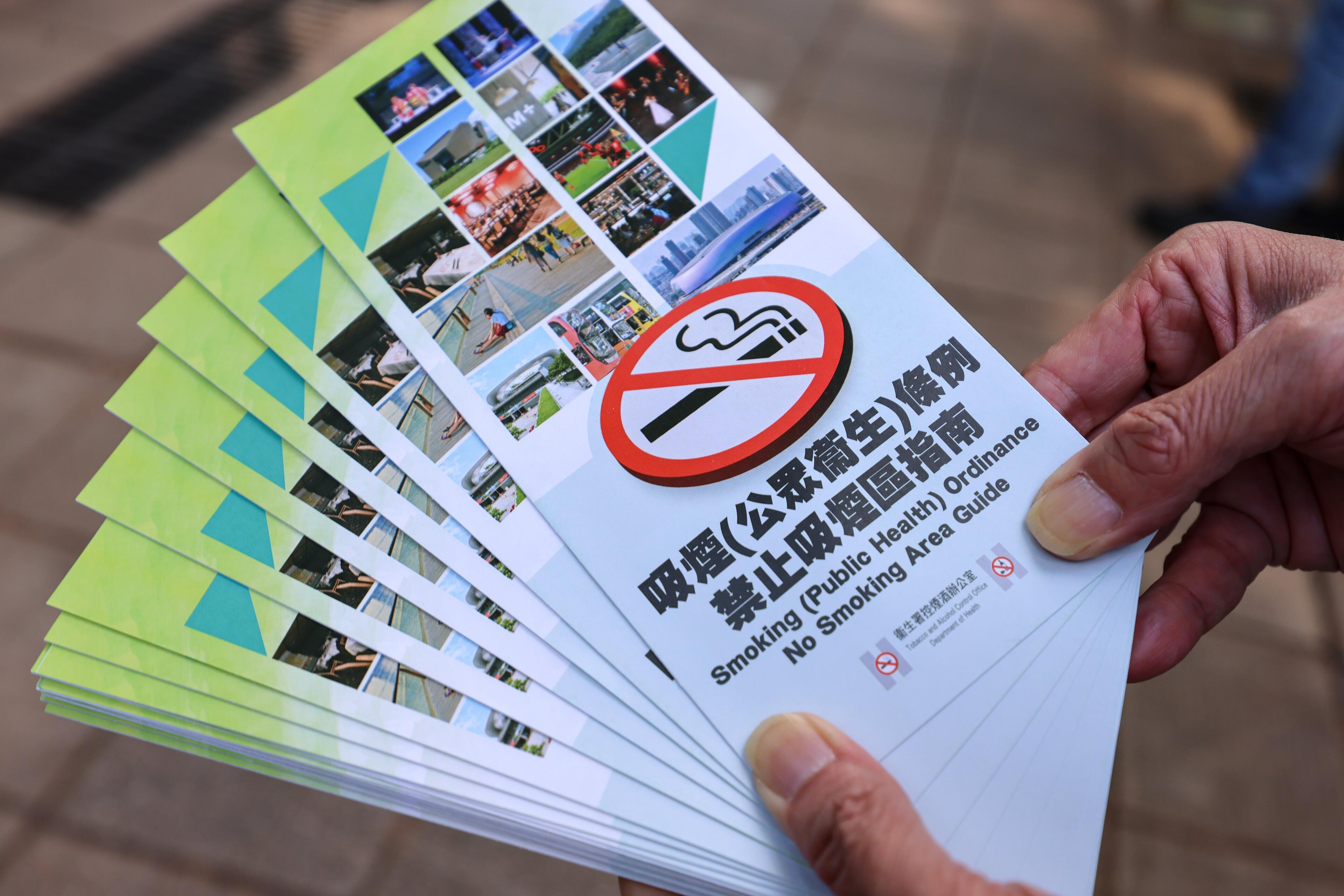
[7] The city’s smoking rate was about 9.1 per cent in 2023. Health authorities are rolling out additional control measures to further reduce the rate to 7.8 per cent. The fixed penalty for smoking offences was doubled to HK$3,000 on January 1.
[8] Smokers are now banned from lighting up while queuing for public transport or entering venues such as cinemas, sports facilities and theme parks. Authorities have also extended no-smoking areas to within three metres of the entrances or exits of childcare centres, residential care homes, schools, hospitals and designated clinics or health centres. From April, smokers will be banned from possessing alternative smoking products such as e-cigarettes in public places.
Source: South China Morning Post, January 13