Content provided by British Council
Read the following text and answer the quiz below.
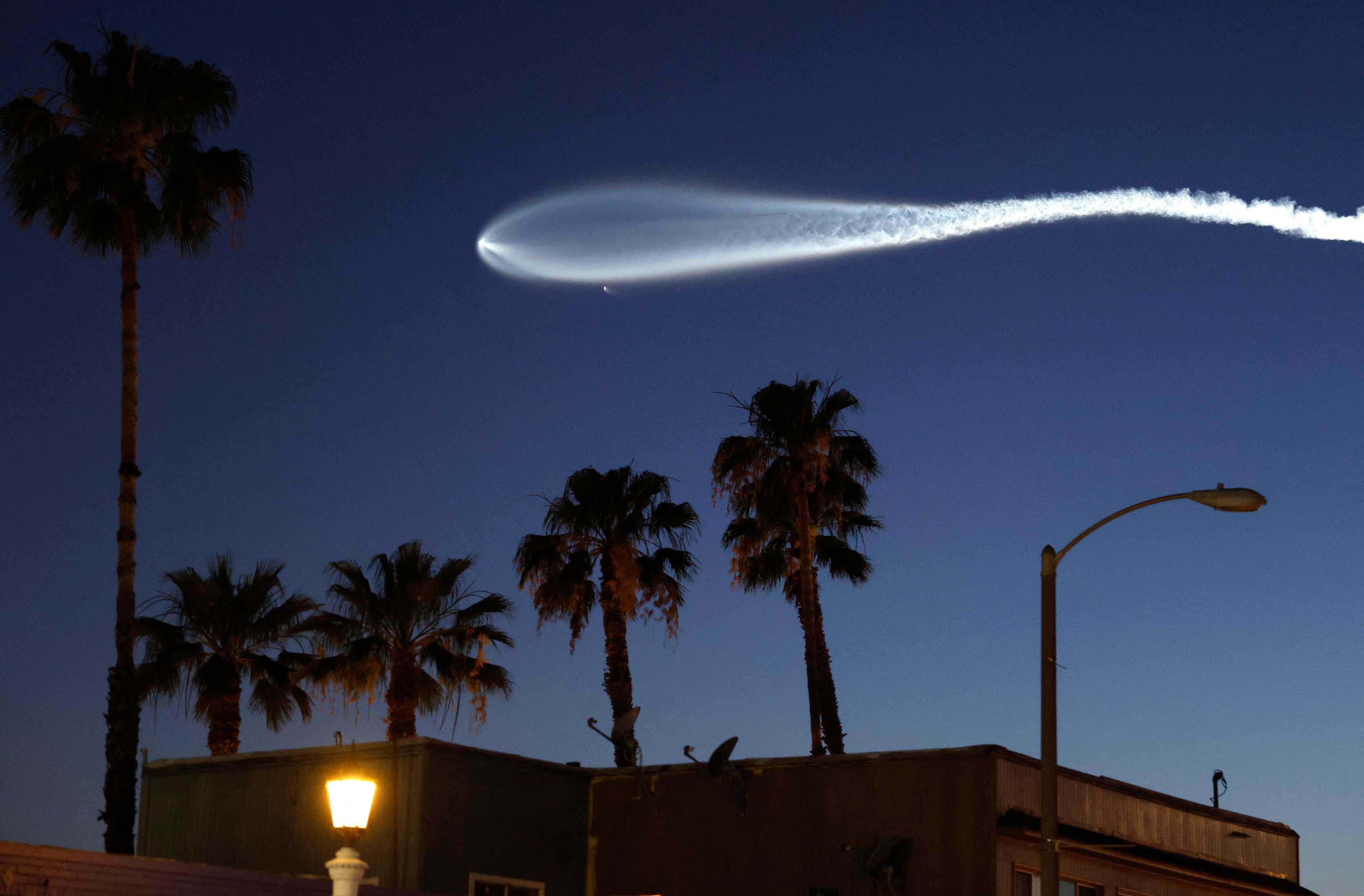
[1] The night sky might already be cluttered by thousands of satellites, yet the latest plans from private space companies to launch data centres and sunlight-reflecting satellites into orbit are worrying astronomers about a far greater transformation.
[2] Elon Musk’s SpaceX is preparing to launch a million satellite data centres into space to power artificial intelligence (AI). Some astronomers say it could “permanently scar” the night sky by making it brighter than usual, leading to a collapse of nocturnal ecosystems.
[3] Thousands of data centres orbiting Earth would be visible to the naked eye, even outshining many stars, the UK Royal Astronomical Society (RAS) said last month, citing brightness estimates. “The stars above us are a valued part of human heritage – deploying more than one million exceptionally bright satellites would utterly destroy this and permanently scar the natural landscape,” Dr Robert Massey, deputy executive director at the RAS, said.
[4] The company reached a milestone of 10,000 internet-providing satellites in orbit in March with the launch of a batch of 25 Starlink satellites. The latest space plans from the tech mogul’s company come as aerospace rival Reflect Orbital has proposed sending 50,000 mirrors into space to reflect sunlight and provide nighttime solar power.
[5] This endeavour would make the night sky “three to four times brighter,” with each beam likely to be “four times brighter than the full moon”, the RAS warned last month. “These proposals would not only have a disastrous impact on the science of astronomy; they would also hinder the right of everybody on Earth to enjoy the night sky,” Massey said.
[6] The RAS has been joined by the International Astronomical Union and the European Southern Observatory in formally opposing the proposals, which SpaceX and Reflect Orbital have filed with the US Federal Communications Commission, a regulatory body whose approval is needed before the companies can proceed with their audacious and technologically challenging plans.
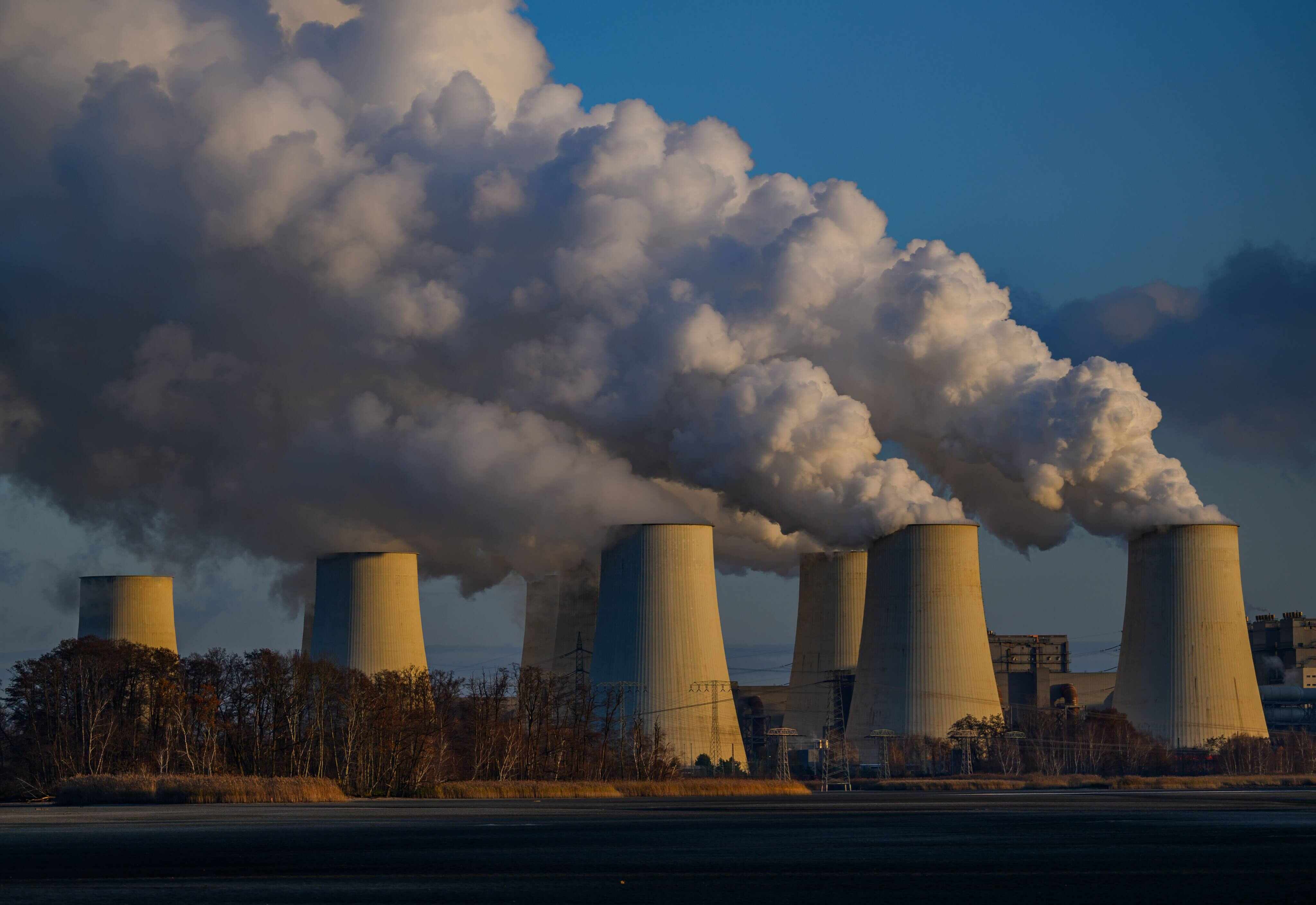
[7] Terrestrial data centres require huge amounts of electricity, which has driven up energy prices for homeowners and smaller businesses while making it more difficult for governments to reduce reliance on fossil fuels. “Global electricity demand for AI simply cannot be met with terrestrial solutions, even in the near term, without imposing hardship on communities and the environment,” Musk said in a statement explaining the data centre satellite project.
[8] The launch could be “a first step towards becoming a Kardashev II-level civilisation, one that can harness the sun’s full power, while supporting AI-driven applications for billions of people today and ensuring humanity’s multi-planetary future,” Musk said.
[9] The Kardashev reference is to a scale proposed by Russian astronomer Nikolai Kardashev - a hypothetical system for measuring potential technological advancement and energy use. Level 1, which has not been reached, means accessing the full energy potential of a planet, while Level 2 refers to harnessing the entire output of a star.
Source: dpa, March 23