Content provided by British Council
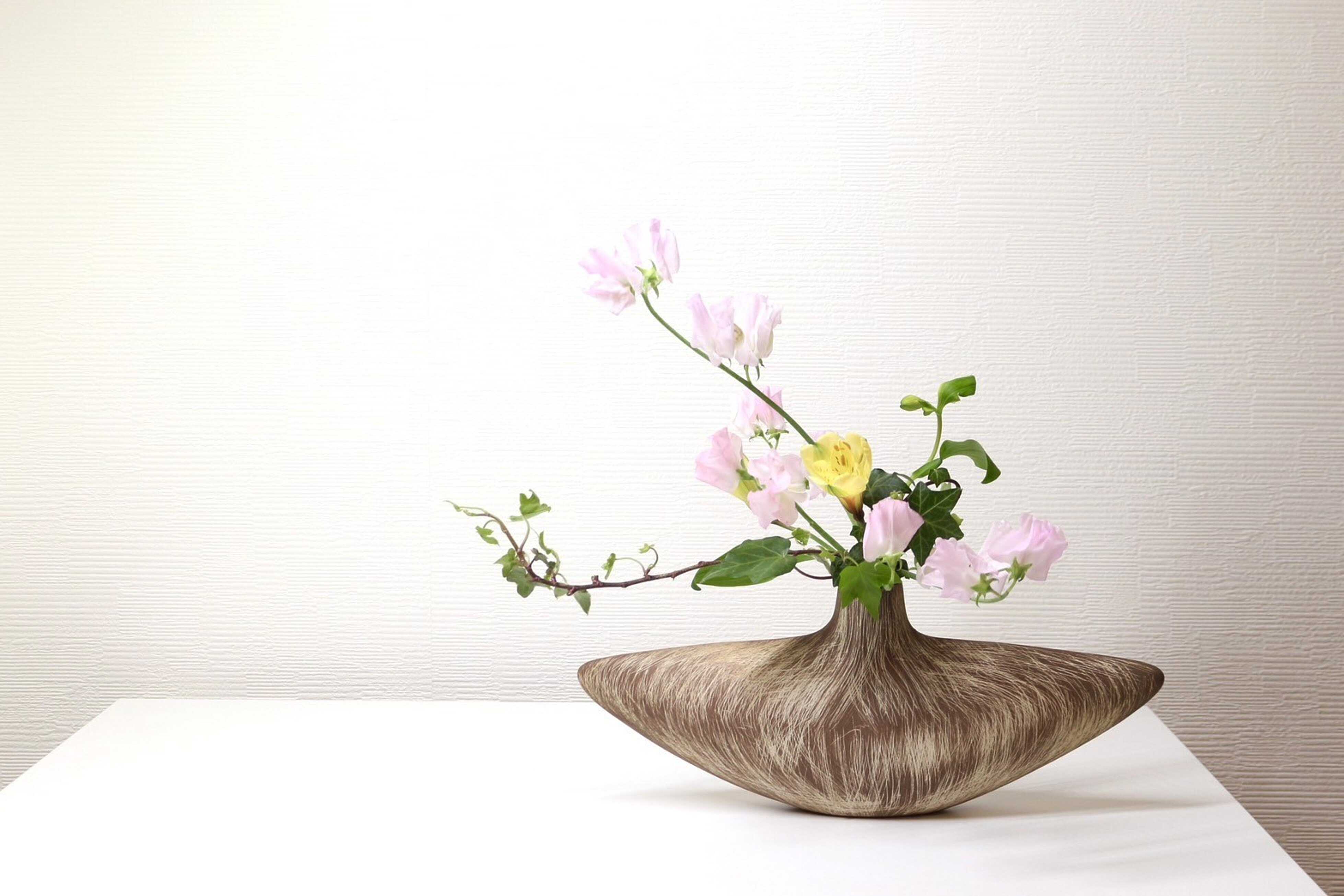
[1] Ikebana, the Japanese art of arranging flowers, is a form of expression that dates back more than 500 years. It continues to blossom, quietly, not only with traditionalists but also with newcomers who find its blend of creativity and mindfulness to be restorative.
[2] Ikebana can be a bit like solving a puzzle, except there’s no fixed answer. Because each flower and human is different, there are multiple solutions. “There’s a ‘detox’ purifying factor and a healing,” said Hiroyuki Okada, 40, who began taking lessons in ikebana about seven years ago. He now teaches Ikenobo, the oldest of three major ikebana schools.
[3] Okada considers himself typical of those drawn to ikebana today: people looking for joy, purpose or solace from the daily grind or pain of modern life. “In arranging [flowers], you are dealing with the life that is there, the beauty, of course, but you find what’s in your heart,” Okada said. “You come face to face with yourself.”
[4] The Kyoto-based Ikenobo school, which is rooted in Buddhism, now has chapters around the world. Ikebana involves interacting with nature, but on a small scale – usually in a little vase. “It is about the relationship of the creator with the flowers,” said Senko Ikenobo, headmaster-designate of the Ikenobo school. Her family dates back generations to the originators of the art. Her father is the current headmaster.
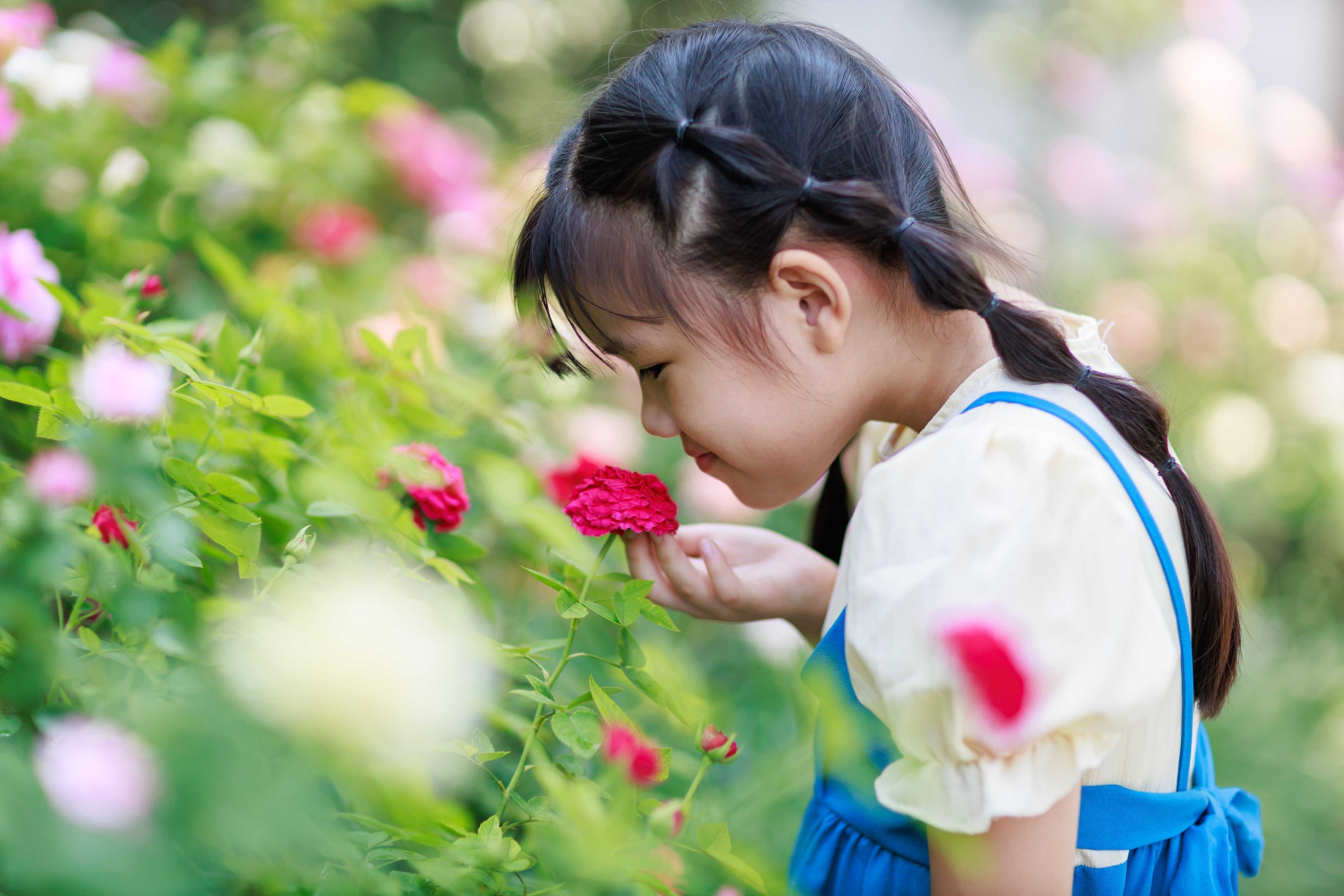
[5] Jeannette Haviland-Jones, professor of social psychology at Rutgers University, said: “[Studies show] that flowers and even flower scents promote happiness in people. We suggested a coevolutionary theory for this in which flowers became the ‘pets’ of the plant world.” Besides a flower’s beauty and fragrance, the feel of its petals and leaves is crucial, like petting a kitten or a puppy, according to Okada.
[6] One traditional Ikenobo arrangement is shoka shofutai, which attempts to arrange the flowers, leaves and branches as they might look in nature, reaching towards sunlight or bending in the wind. The vase, sometimes crafted from wood or pottery, also becomes part of the arrangement’s vision.
[7] Yet the overall look is pure and simple, expressing the life cycle of flowers – from blossoming through withering – through three main elements. Shin, the tallest element, is arranged first, representing one’s core, reaching up to the sky. Soe, which is trimmed to about two-thirds the height of the shin and is placed at the side, expresses the flower’s individuality. The leaves might be slightly faded, representing the later stages of life. Tai, the third element, is the future. Choose a blossom or fresh small leaves, representing things that are being born.
[8] There are also freer, spin-off styles that look more like casual, Western-style bouquets than the textbook-oriented shoka shofutai. That may feel easier and more fun for beginners. Just as ikebana connects a person with flowers, those who practise the art say it’s also about the passing of the art over generations, connecting people.
Source: Associated Press, September 21