Every week, Talking Points gives you a worksheet to practise your reading comprehension with exercises about the story we’ve written.
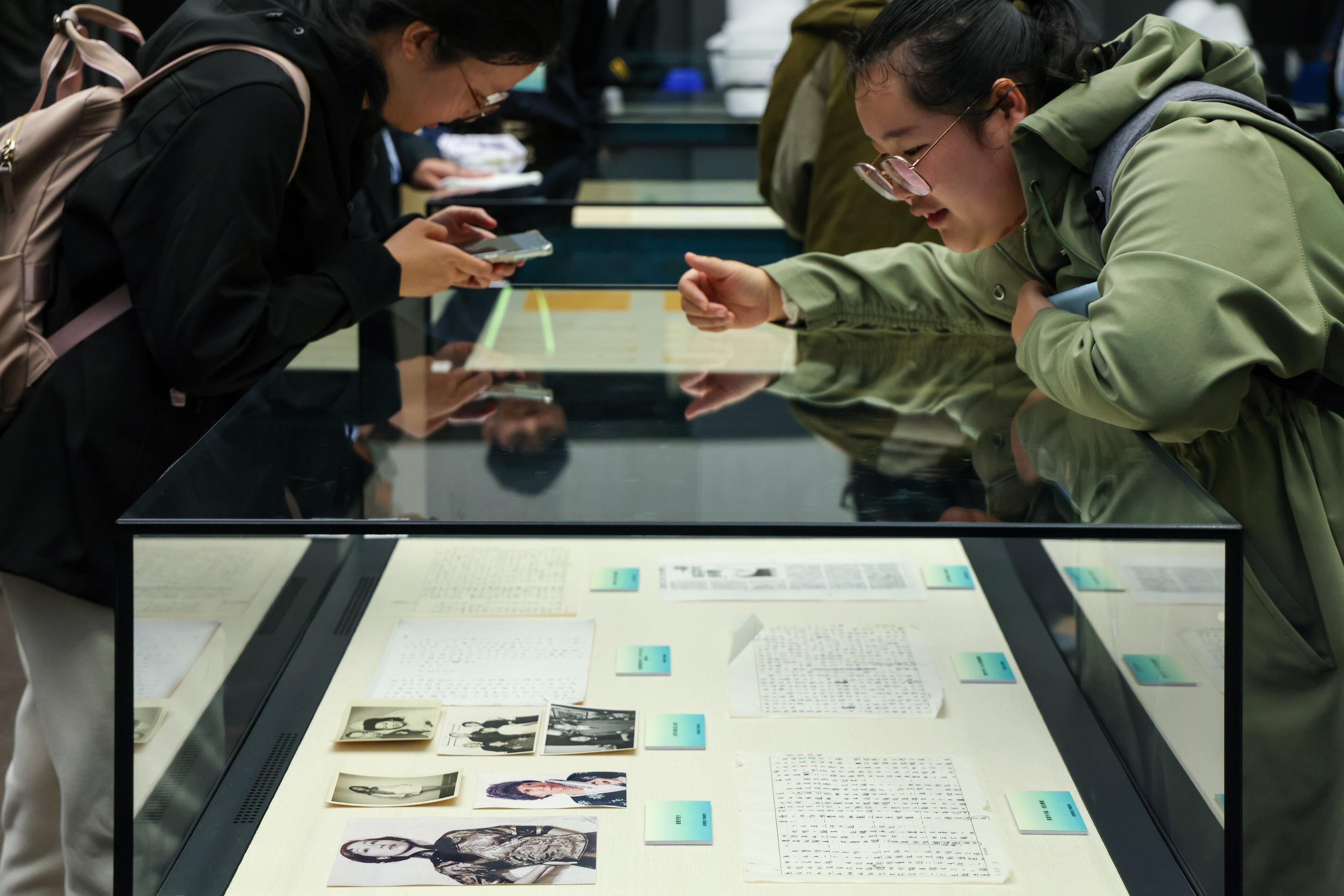
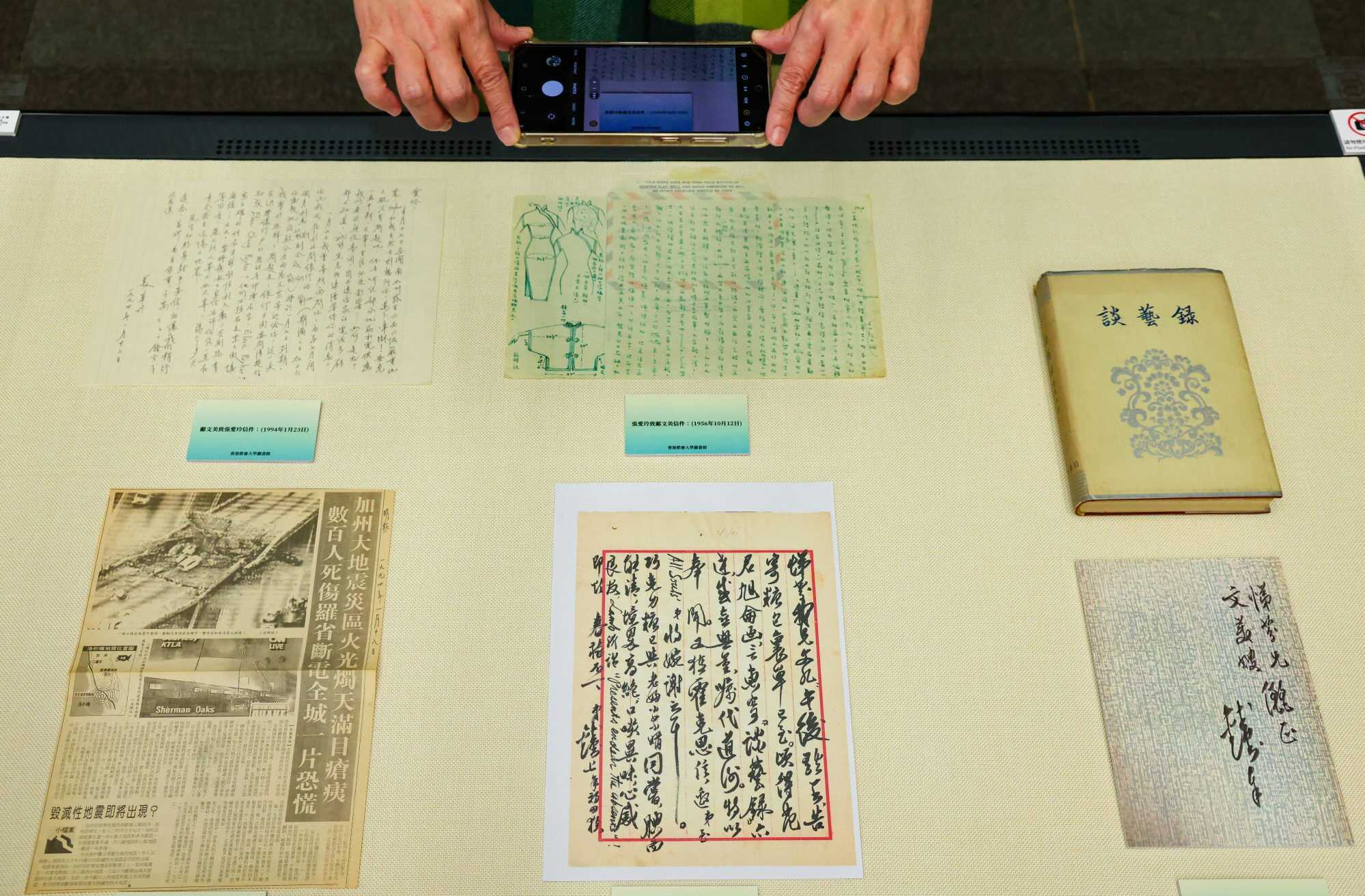
Correspondence about short story ideas, worried messages about deteriorating health, and designs for a new qipao she wished to purchase are just some of the pieces that come together to reveal the person behind the literary icon Eileen Chang Ai-ling.
These objects can be found on display at “Beyond Distance: Half a Lifelong Friendship of Eileen Chang, Stephen Soong and Mae Fong Soong”, the Museum of Modern Chinese Literature at the Hong Kong Metropolitan University (HKMU)’s inaugural exhibition.
The showcase opened in November and displays 120 of the nearly 17,000 items entrusted to the university last year by the Soong family, the executor of Chang’s estate after she died in 1995.
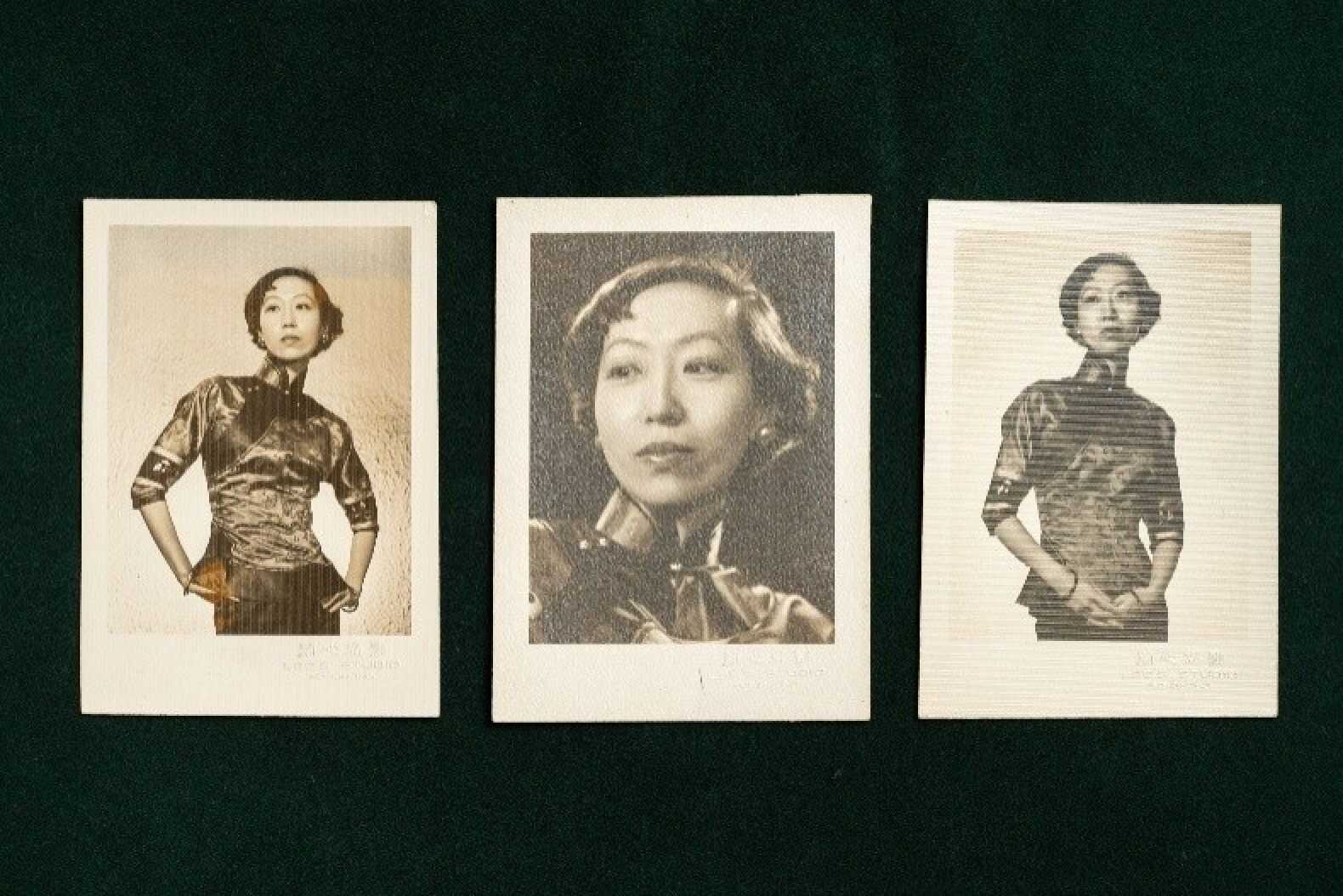
The exhibition, which marks the 30th anniversary of the Chinese novelist’s death, features previously unreleased photographs, original manuscripts and even furniture that belonged to Stephen and Mae-fong Soong – Chang’s close friends in Hong Kong, whom she often visited.
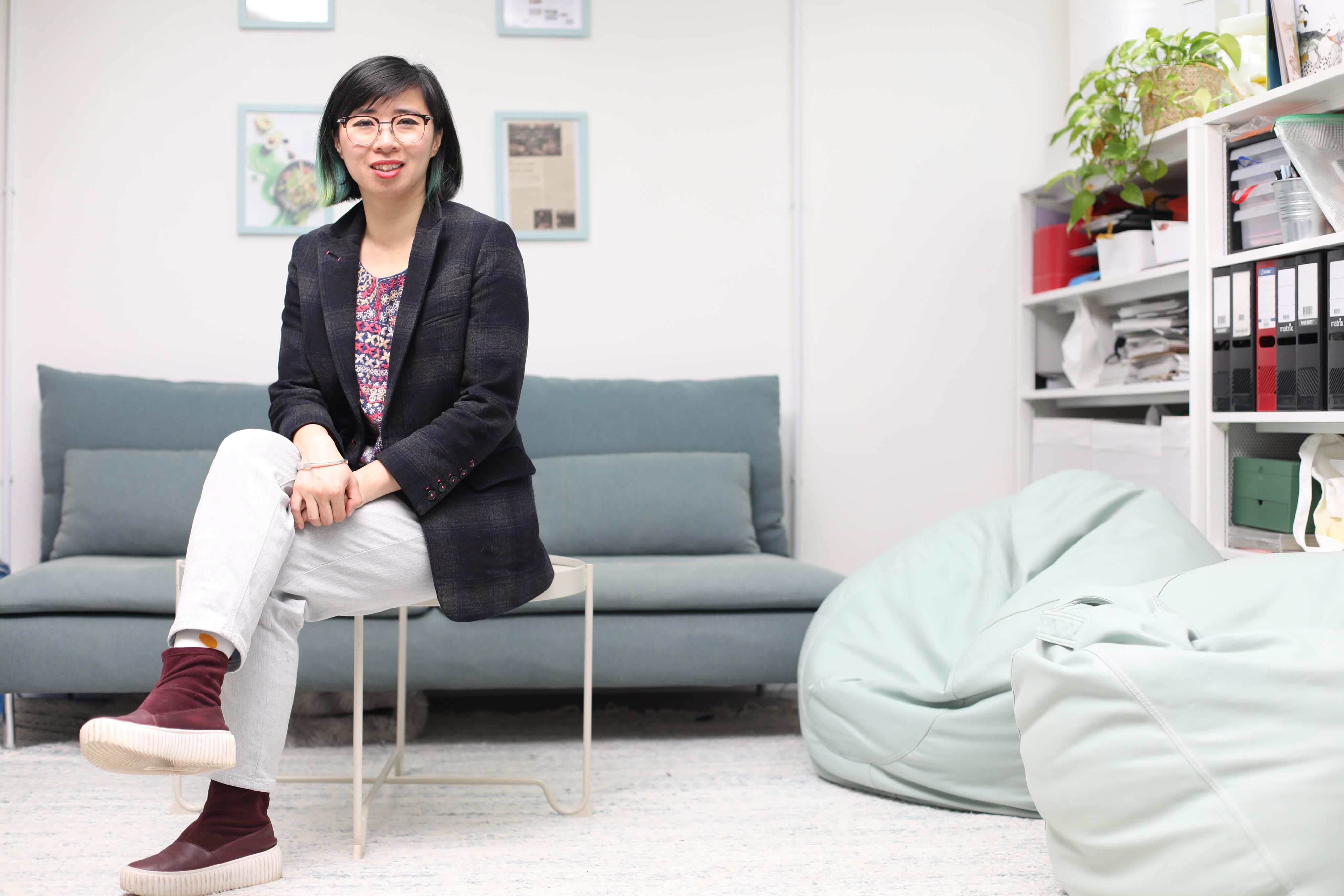
Rebecca Leung Mo-ling, a professor and director of HKMU’s Tin Ka Ping Centre of Chinese Culture, was also instrumental in spearheading the exhibition.
Hong Kong ties
Born in Shanghai, Eileen Chang Ai-ling’s connection to Hong Kong was well known. She first came to the city in 1939 to study English literature at the University of Hong Kong. She would later return to Shanghai in 1941, degree unfinished, as Hong Kong fell to the Japanese.
Some of her most famous works feature Hong Kong during the Japanese occupation, including novellas Love in a Fallen City (1943) and Red Rose, White Rose (1944), which express refined observations of human nature with depth and precision.
In 1952, she returned to Hong Kong and forged a friendship with Stephen Soong, a writer and translator, and his wife, which would continue even after Chang moved to the United States in 1955.
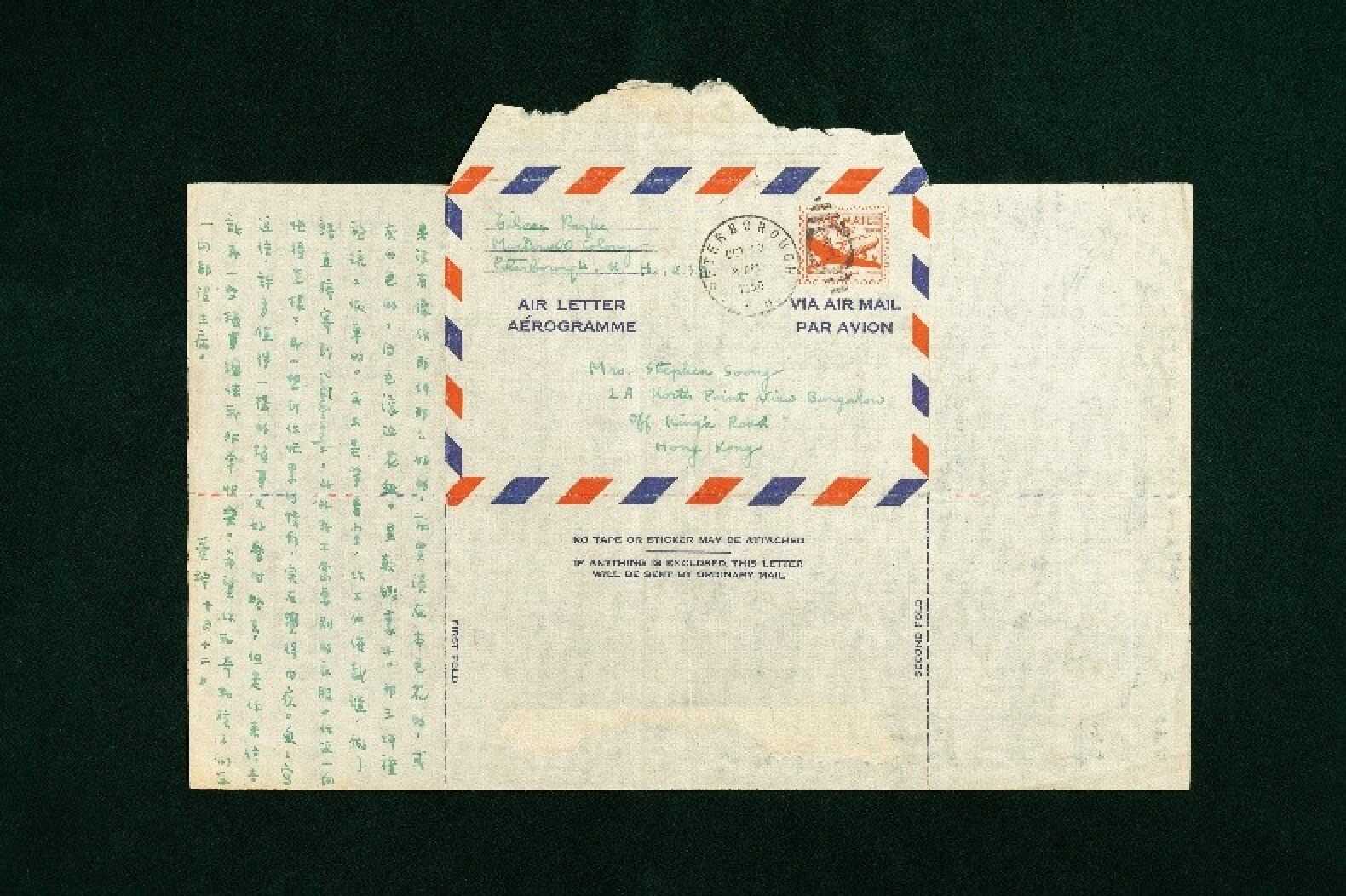
A highlight of the exhibition is a letter from Chang to the Soongs, written in 1995 just before she died, describing how renowned Hong Kong director Wong Kar-wai wanted to adapt her novel, Half a Lifelong Romance, for the screen.
It was director Ann Hui On-wah who eventually adapted it for her 1997 film, Eighteen Springs. Chang’s stories resonated deeply with filmmakers and significantly shaped the city’s cinematic landscape.
“Correspondence between Eileen Chang and Stephen Soong reveals they exchanged ideas and collaborated on various film scripts,” Leung said, highlighting their contribution to film and literature.
History and literature
Chang’s work diverged from the prevailing literary trends in the mid-20th century, including realism and writing relating to the May Fourth Movement.
She is also greatly appreciated for her contributions to the study of occupied-era literature, Cold War history and diasporic stories.
Apart from her most famous short stories, novels and essays, Chang’s influence extends into translation and screenplays, with over a dozen scripts co-authored under her name.
A living exhibition
The special display features a re-creation of the Soong family’s living room, a space where cultural figures, including Chang, frequently met for literary discussions.
The HKMU team employed advanced 3D scanning to capture a 360-degree panoramic image of the living room’s original condition to create a digital twin model. This model was then integrated with actual furniture pieces donated by Roland and Elaine Soong, the son and daughter of Stephen and Mae-fong.
HKMU also put together a research team to explore digital humanities projects.
“These initiatives include digitising manuscripts and letters and creating platforms for studying [Chang and Soong’s] works,” said Owen Tam Man-lik, the university librarian who also steered the exhibition’s ship.
The university’s library has captured more than 10,000 digital images of the donation and plans to gradually make them available.