Every week, Talking Points gives you a worksheet to practise your reading comprehension with exercises about the story we’ve written.
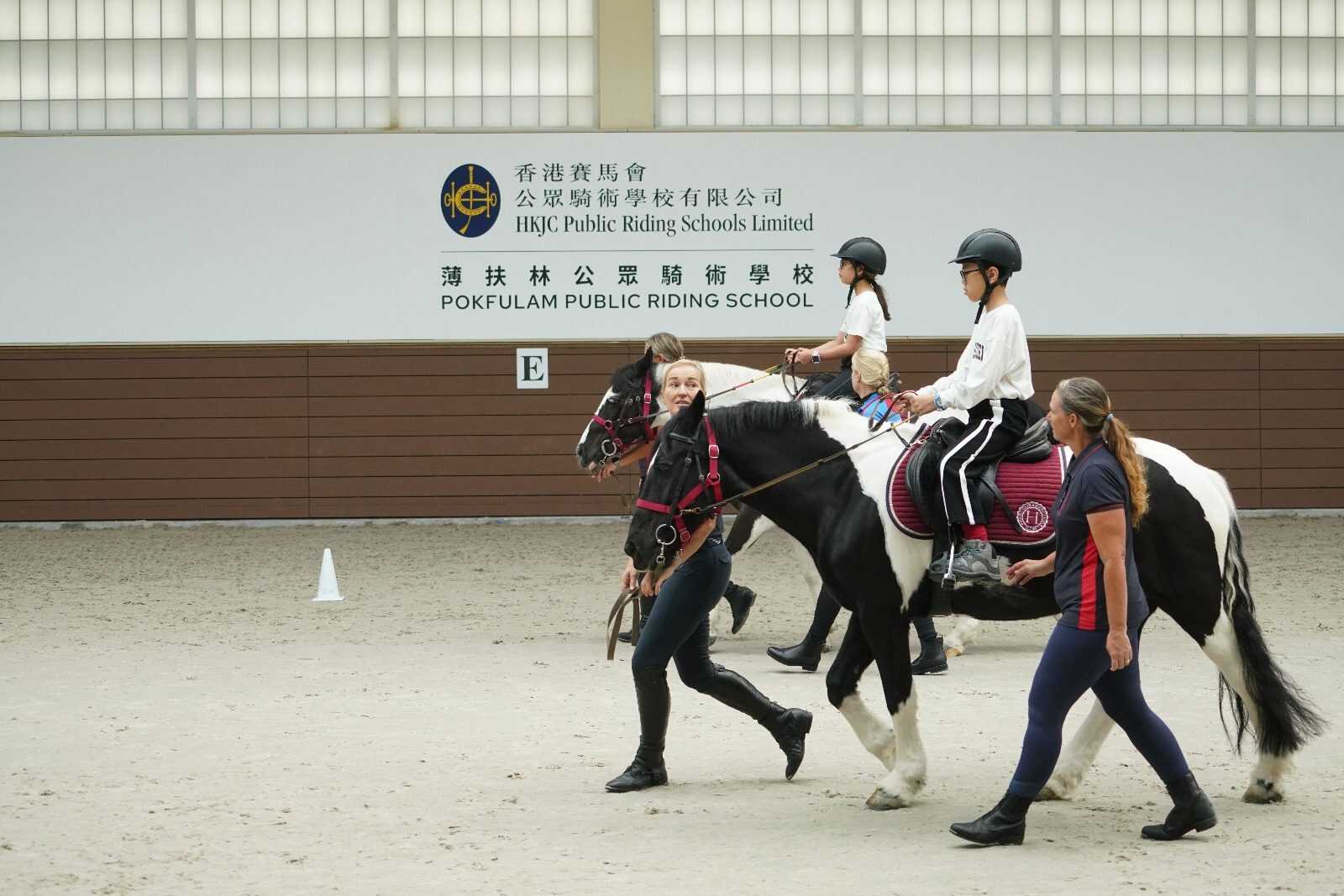
The horses are in their element as they run and roll in the spacious indoor sand arena, located in a peaceful corner of Hong Kong’s Pok Fu Lam neighbourhood.
This arena is part of the Hong Kong Jockey Club’s Pokfulam Public Riding School, which recently completed a three-year, HK$375 million renovation.
The Riding for the Disabled Association (RDA), a charity that teaches riding skills to disabled children and adults, operates at this state-of-the-art facility.
The association also has schools in Tuen Mun and Lei Yue Mun in Hong Kong.
Founded in 1975 by Lady MacLehose, the wife of the then Hong Kong governor Murray MacLehose, the RDA celebrated its 50th anniversary last year.
It offers equine therapy for those with mental or physical disabilities.
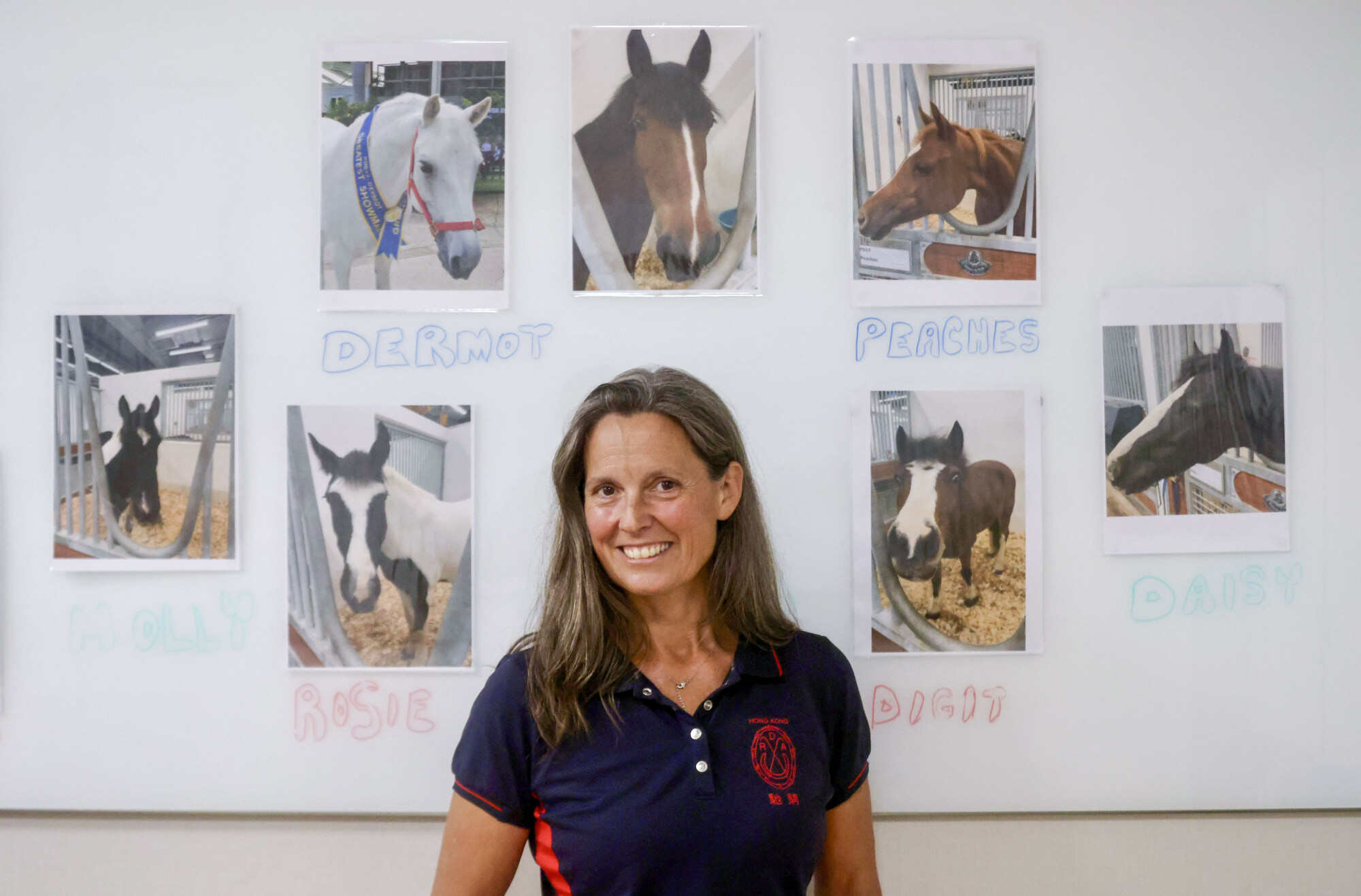
Instructor Joelle Scott began working with the RDA 30 years ago. During this time, Scott, has seen a shift in the type of disabilities riders live with.
“Most of the challenges that we saw 30 years ago were physical – kids with spina bifida and Down’s syndrome,” she said.
“Now we’re seeing an increase in kids with mental disabilities, particularly autism.”
Helping riders gain confidence
Riding is widely recognised as one of the most beneficial forms of therapy for disabled people, and “is far more than just time on a horse”, Scott said.
“Riders gain improved balance, coordination and muscle tone, while also building confidence, focus and emotional resilience.”
RDA sessions are designed to challenge each rider at their own pace.
“Every element is tailored, from the horse chosen to the exercises used, so that each participant can progress safely and meaningfully,” Scott said.
Many riders arrive with limited mobility or confidence, often feeling isolated, she explained.
“After therapy, we see remarkable changes: greater independence, joy and self-esteem and in many cases, a new sense of belonging within the community,” she said.
Scott has seen incredible things happen.
“I have witnessed the magic of the horse’s gentle nature. I have heard the first words spoken to a pony from a child who had been non-verbal their whole life. I have watched children become strong when they previously couldn’t hold themselves upright.”
Scott said one of the most common misconceptions about horse therapy is that it is simply recreational.
“It’s actually a structured rehabilitation method. Every session is designed with therapeutic goals in mind, and the benefits are measurable,” she said.
“In Hong Kong, we place particular focus on children and young adults with physical disabilities, developmental delays or learning challenges.”
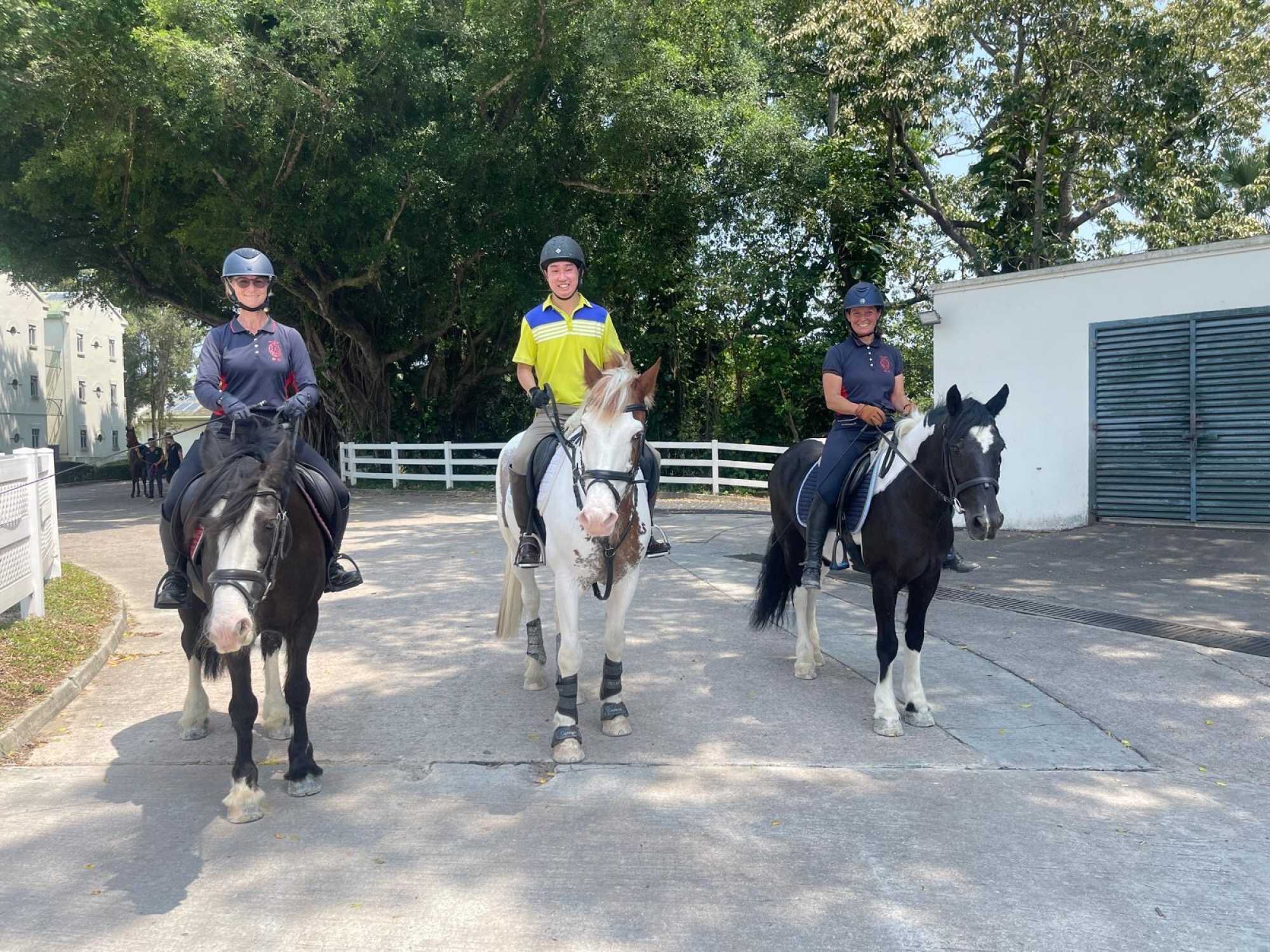
Heartwarming experience
As with any non-profit organisation, volunteers are vital: they are the backbone of RDA.
“They lead horses, assist riders during sessions, and help with essential tasks such as fundraising and event support,” Scott explained.
“Their dedication ensures that every rider can participate safely and meaningfully, and without them, the programme simply could not operate.”
Horses’ instinct as prey and herd animals makes them uniquely suited for working with people with disabilities.
These traits result in a high degree of sensitivity, empathy and responsiveness to human emotions and body language, creating a powerful therapeutic environment.
As prey animals, they are hyper-vigilant and highly sensitive to their surroundings, including human micro-expressions, posture, breath and energy levels. This sensitivity means horses provide an immediate, non-verbal response to a person’s emotional state.
Scott said that witnessing the special bond develop between a rider and a horse is heartwarming.
“What I love about horses is that when we bring the kids around them, they are so gentle with them. They understand that they need extra care,” the instructor explained.
“I have seen every child benefit from our therapy and have seen big changes in their behaviour and in their confidence. They become less anxious because a horse is able to calm them.”