Every week, Talking Points gives you a worksheet to practise your reading comprehension with exercises about the story we’ve written.
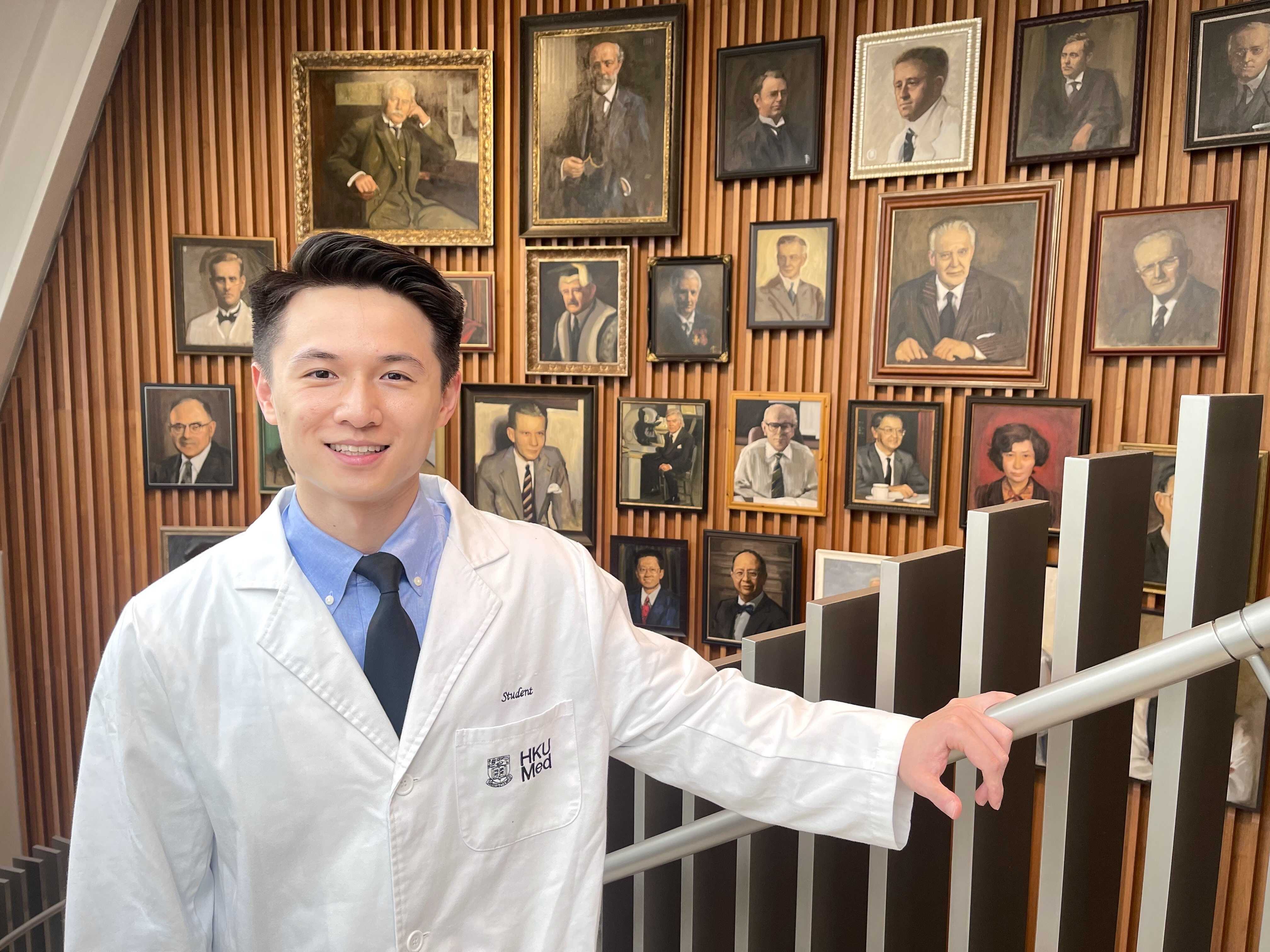
It’s 12am. Calvin Cheung Tin-chun has just begun working on his start-up projects and content creation. The 27-year-old had attended classes all day at the University of Hong Kong (HKU), starting at 9am, and spent the evening working out and revising.
Now, the self-described “daytime medical student, nighttime content creator” could finally dedicate a few hours to his efforts to solve problems in learning and healthcare.
Cheung first started this effort by working with a classmate to create a tool that uses artificial intelligence (AI) to turn lectures into flashcards for revision.
Then he created an AI app that generates personalised meal plans for patients with diabetes, hypertension and similar health conditions.
And for his some 114,000 followers on Instagram, Cheung also simplifies complex medical knowledge and research into bite-sized, digestible formats to help everyday people.
“Medicine … and business might look like two completely different things. But from my perspective, I think they are the same thing. At the end of the day, it’s all problem-solving skills,” Cheung said.
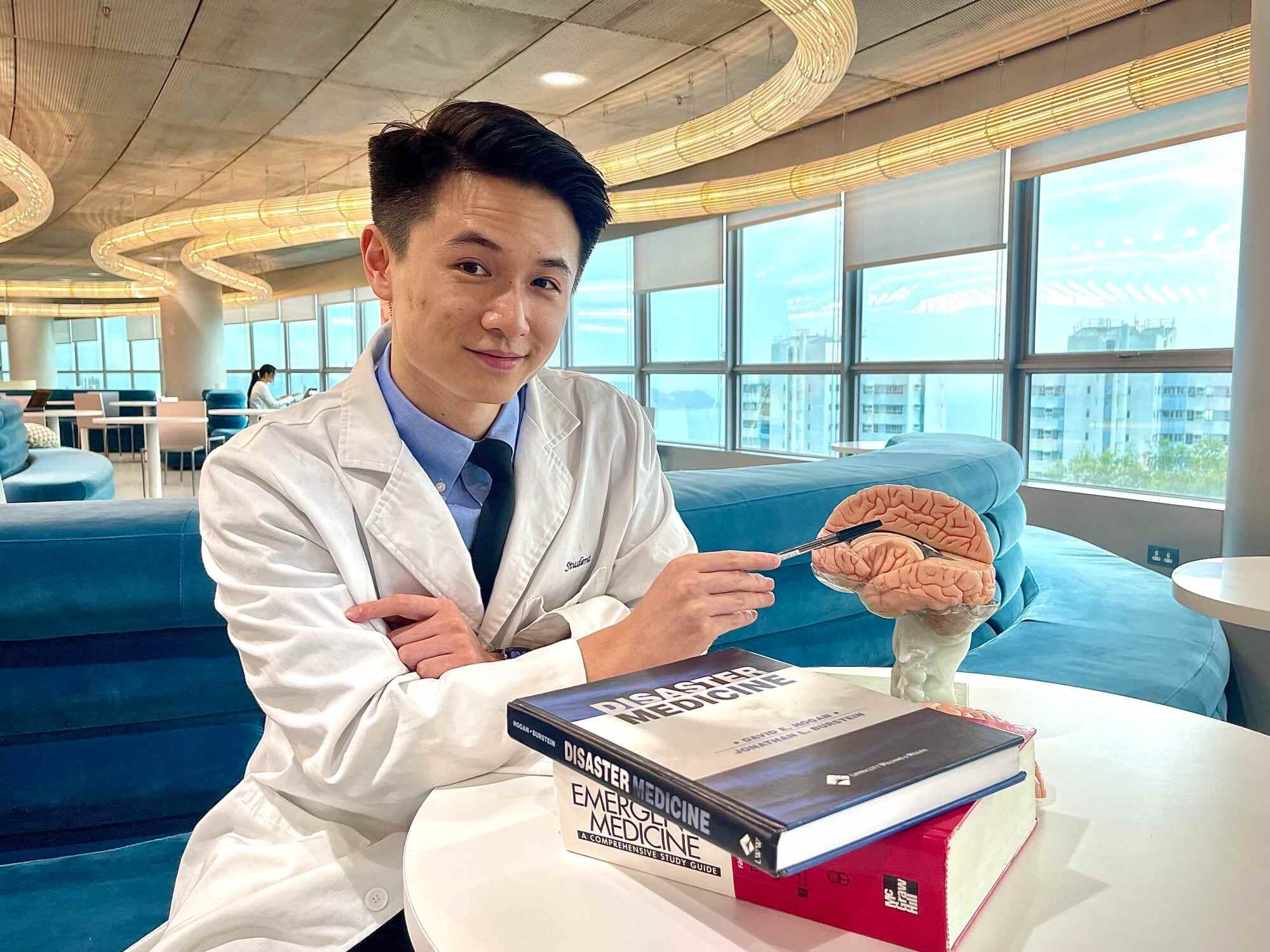
Cheung’s medical journey
Despite his many achievements and projects, Cheung struggled when he was younger, studying in Hong Kong.
Everything changed when he went to Canada at the age of 16. There, teachers would teach him why a certain formula was used and how it was formed, which was more effective than the education he had received previously.
“That’s when I started understanding, appreciating and enjoying learning,” he said.
Cheung went on to study a bachelor’s degree in biomedical sciences and a master of science at University College London. In his postgraduate degree, he mainly worked on research and handled chemicals.
“I felt that this lifestyle, firstly, didn’t connect with many people. Secondly, I felt very mechanical … [It] just didn’t fit me,” Cheung said.
During this time, he shadowed doctors to get a feel of hospital environments. He found it challenging yet dynamic and decided to pursue medicine at HKU.

Before enrolling, Cheung watched social media content from medical students to help him decide which programme to join.
“Once I started, I thought, ‘Oh, maybe I can also offer my own perspective [on] things,’” he said.
In September 2022, he started his Instagram page: @calvincheungtc. At first, his videos were mainly about his life as a medical student.
“As I entered the clinical years, started seeing patients and gained more knowledge, I realised that what I really wanted to do was medical advocacy,” he said.
Cheung began making posts and videos that simplified complex medical knowledge he had learned.
“Being a doctor in this era isn’t just about helping different patients in hospital wards or clinics – you can also help patients outside of a hospital setting,” he said.
Medicine meets media
Medical students need to memorise large amounts of information. Like most of his peers, Cheung relied on flashcards to study and revise.
“I used to do around 300 flashcards a day,” he said. “I … used up all my time [to make the cards]. I had no time left to do revision.”
When AI chatbots became popular, he wondered if technology could solve his problem. In 2023, Cheung and a classmate created the Memo AI (memo.cards), an AI-powered tool that could turn lecture notes into flashcards within minutes.
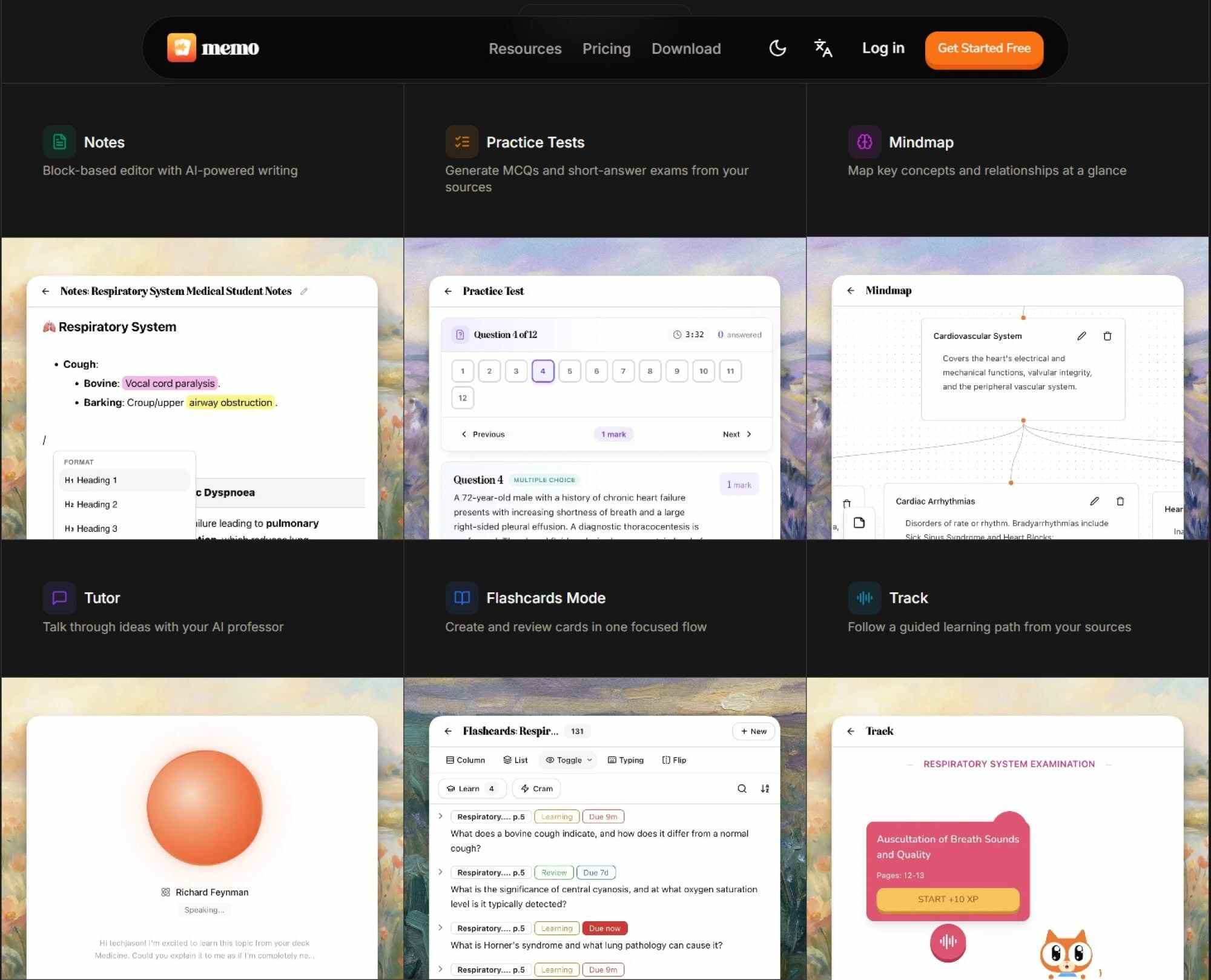
Cheung posted a video on Instagram about his app, and it got 6 million views in two weeks.
After the success of Memo AI, Cheung launched a start-up last year based on his experiences in hospital wards. During clinical placements, he often met patients with preventable lifestyle diseases, such as Type-II diabetes, hypertension and hyperlipidemia.
“During a seven-minute consultation, the doctor will give some very simple advice,” he said. “But what truly motivates them to [follow] it?”
That question inspired HealthMaxx, which creates personalised meal plans based on a user’s goals and health conditions.
Future-focused innovator
Managing his studies, business and content creation means Cheung’s days are carefully planned. He maximises his time by scrolling through revision flashcards during his commute home and listening to business podcasts while working out at the gym.
He said young people should not fear new technology but learn to use it wisely. “Start projects, learn skills [and] put yourself out there,” he said.
In the future, Cheung is considering following the traditional route of specialist medical training or continuing to build healthcare technology.
No matter what he chooses, he wants to make a difference. He said that while a single doctor could help thousands of patients over their career, “I need to choose a speciality that allows me to do many things related to medical advocacy … maximise my impact and [reach] more patients.”