Every week, Talking Points gives you a worksheet to practise your reading comprehension with exercises about the story we’ve written.
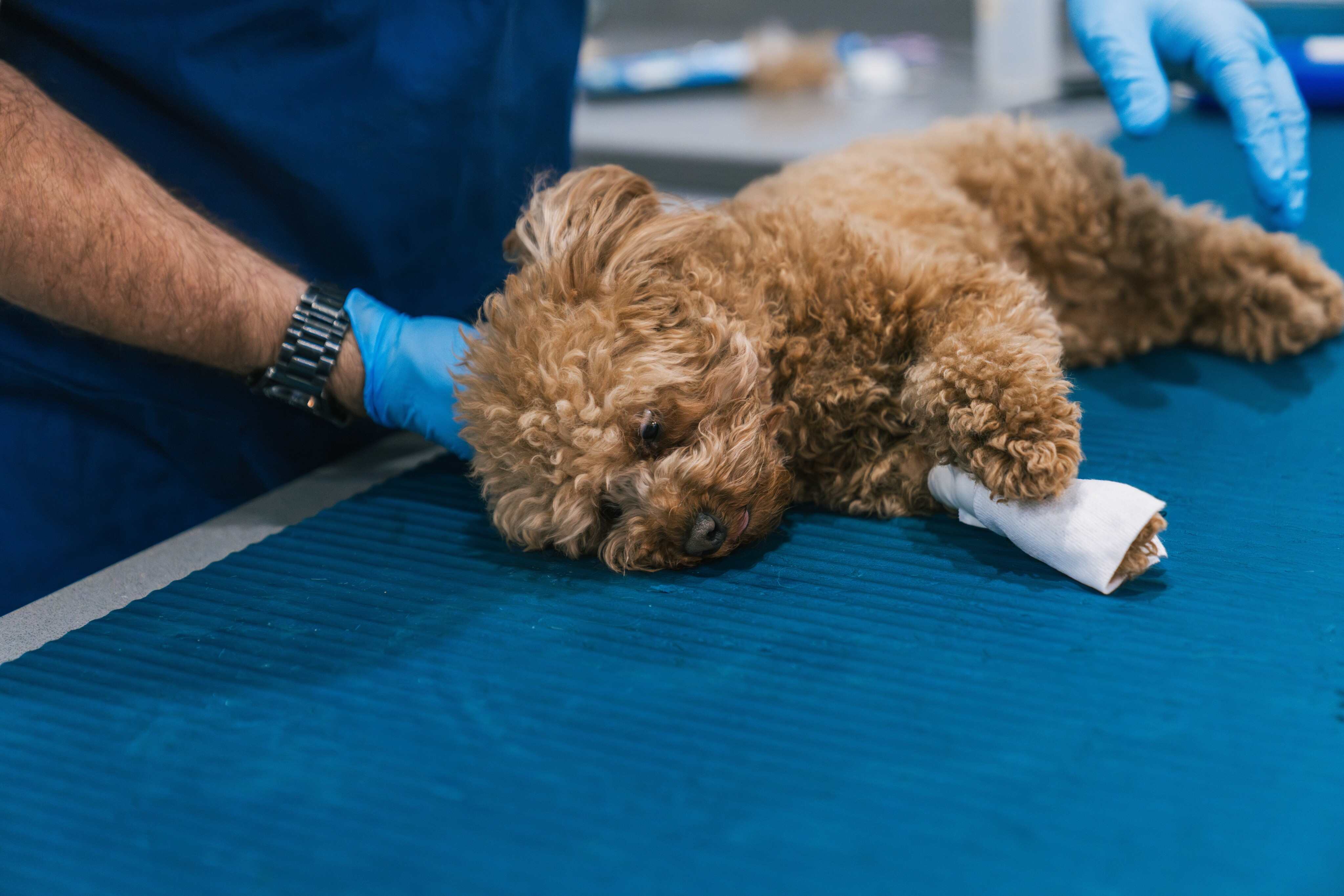
Seeing an injured animal is very sad, especially if you don’t know how to help. Unlike wild animals, pets need humans for food and a place to live, so they find it hard to survive on their own.
Stray dogs and cats can get hurt in car accidents, in traps or from illness. Unneutered male cats and dogs often get hurt fighting over food and space.
If you see an injured animal, the first thing to do is take it to a vet. Vets can help care for the animal and also check for microchips to find its owner.
Gently restrain the animal
First, it is important to stay safe when helping an animal in trouble. Even friendly pets can bite or scratch if they are scared or hurt.
Before you get close, check for cars or other dangers around. Injured animals can be very scared and might run away if they sense movement, which could worsen their injury.
If you can, try to gently hold them still with an adult’s help.
For small dogs or cats, you can use a thick towel to wrap them up and keep their head steady.
For bigger dogs, use a slip lead, which is a leash that goes around their head and acts as a collar.

Check for injuries
Assess the animal for any obvious injuries, such as cuts or broken bones. This helps the vet understand the situation and give the animal the right care.
If you suspect the animal has broken bones, keep it as still as possible and only move it if necessary.
If you see bleeding wounds, take a clean cloth or bandage and press it down on the wound to stop the bleeding.
Try to keep the wound higher than the heart to help stop the blood flow.
When moving the animal, protect your hands by using a towel or a thick piece of clothing.
If it seems like the animal collapsed without any obvious causes of injury, look for possible sources of poison, such as powder or pellets, which may be hidden in food or scattered nearby.
If you find anything suspicious, carefully collect a sample or take a photo to show to the vet.
Manage the animal’s temperature
To keep the animal stable while heading to the vet, you can help manage their body temperature based on their symptoms.
If you suspect heatstroke, which is indicated by excessive panting and reddened gums, gently cool them by applying room-temperature or cool water to their paws.
But be careful that their temperature does not drop too low. Signs of this include cold paws, shivering and pale gums.
If they appear to be in shock, with pale gums and a low body temperature, cover them with a blanket to keep them warm.
Here are some numbers to call if you see a stray animal in Hong Kong.
- Society for the Prevention of Cruelty to Animals (SPCA) hotline: 2711 1000 – for injured, trapped or sick animals requiring immediate rescue.
- Agriculture, Fisheries and Conservation Department (AFCD) hotline: 1823 or 2708 8885 – for reporting stray dogs, general stray animal complaints, dead animals or cases of suspected animal cruelty.