Every week, Talking Points gives you a worksheet to practise your reading comprehension with exercises about the story we’ve written.
A new swim coach training course offered by one Hong Kong non-profit organisation is making a splash. The “Youth Apprenticeship: Swim & Coach Development Programme”, launched this year by Splash Foundation, gives former beneficiaries of its free swim classes the chance to pass on the lessons they once learned there themselves.
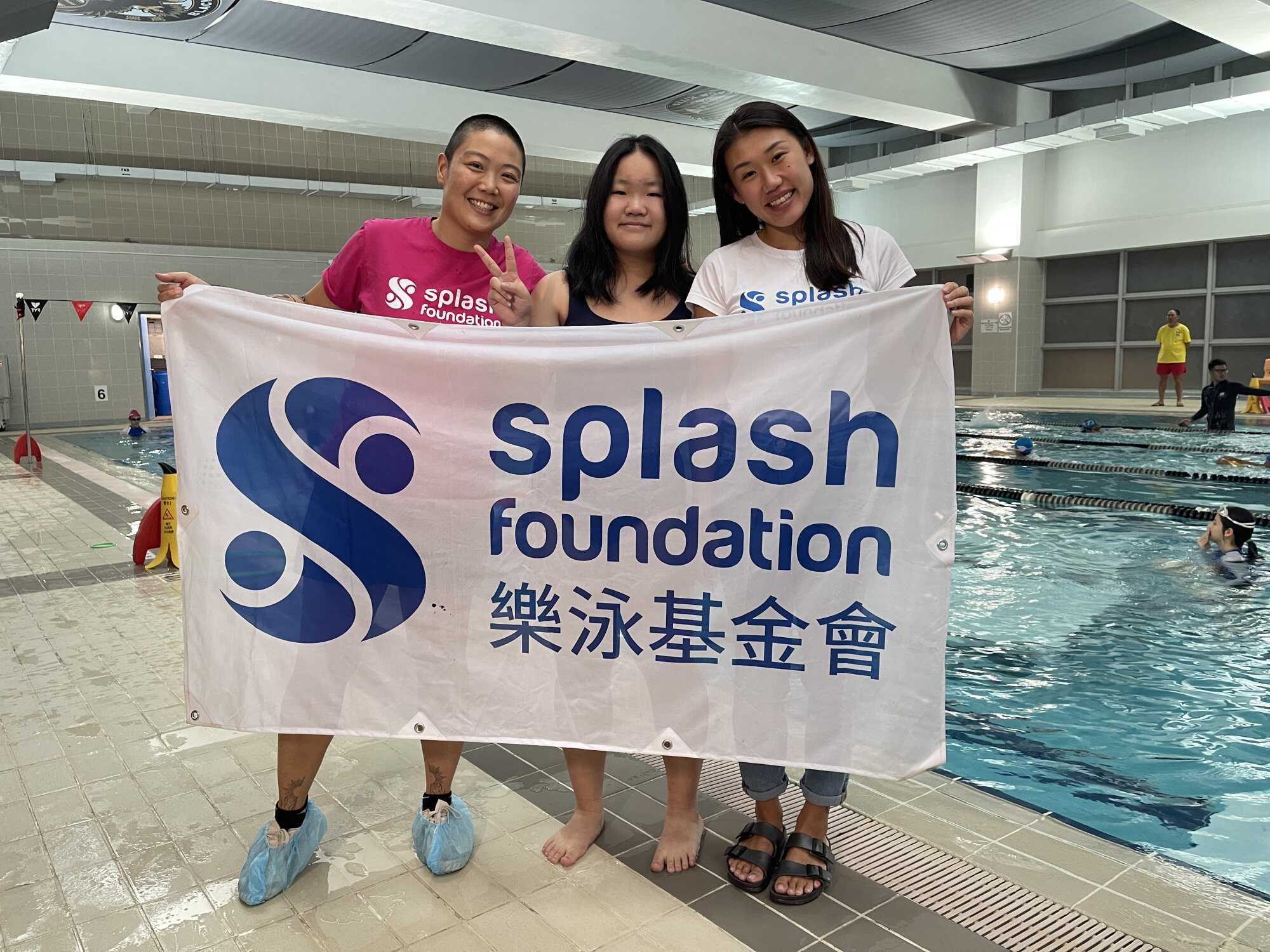
Stephanie Ching is the programme manager for kids and teens at Splash Foundation. She said the new apprenticeship, sponsored by the Laureus Sport for Good foundation, would give teens a whole new challenge, pushing them to grow.
“For them to become a coach, it’s even more courageous because you need to put yourself [out] there,” Ching said. “[Teens] put themselves in a vulnerable position … and trust us to bring the best out of them.”
She explained that the apprenticeship is a way for young people to apply what they learned through the foundation to help the next generation of swimmers.
“In the past, we had a few teenagers come and go. A few of them did become a coach with us,” Ching said. “But there was never a proper training or pathway [to become a coach]. We realised the potential there.”
Coaching a new generation
Splash Foundation was founded in 2015 by Libby Alexander and Simon Holliday after they noticed many domestic helpers and Hong Kong residents at local beaches could not swim.
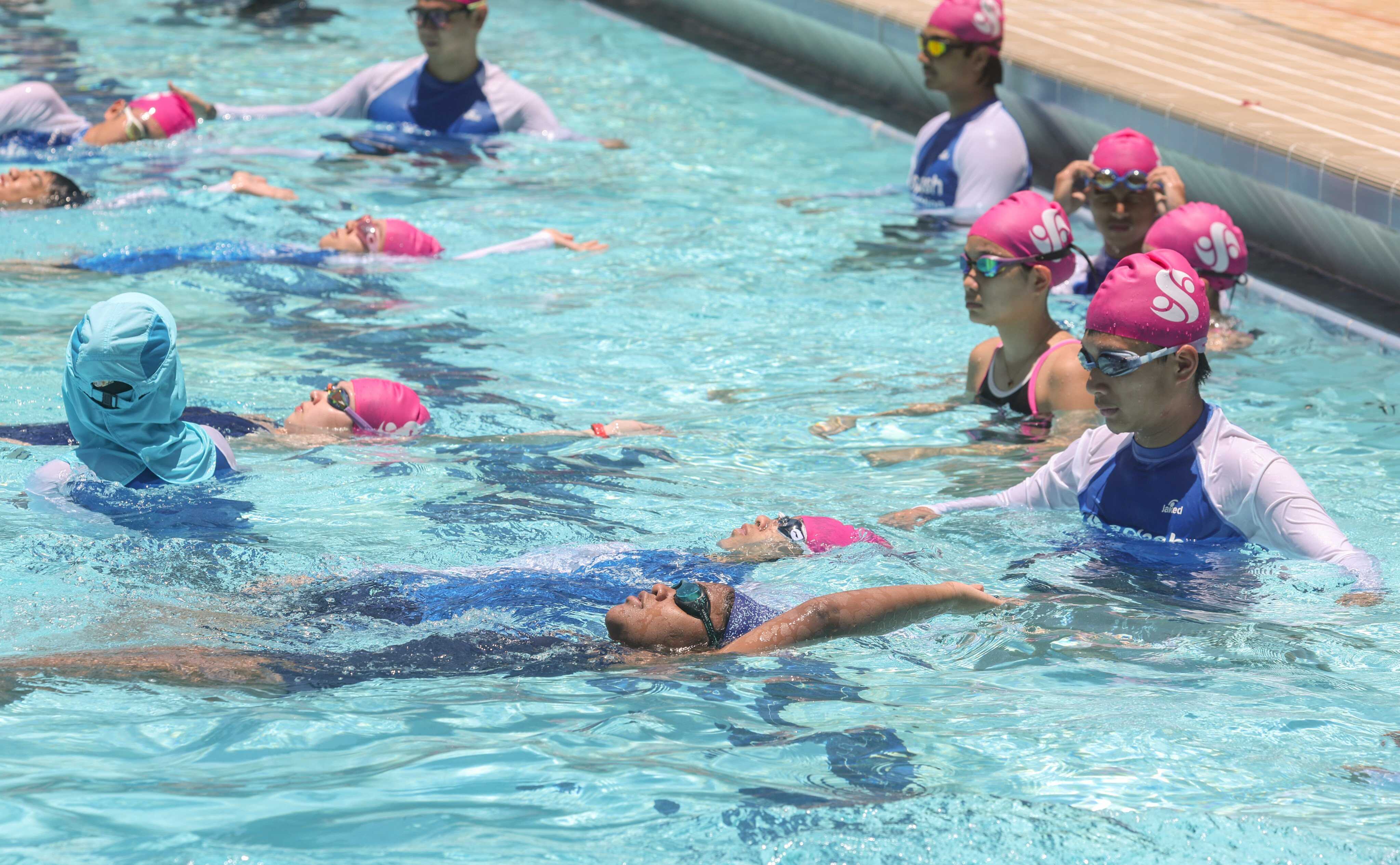
The charity expanded to include those from low-income families, people with ethnic minority backgrounds and children with disabilities, including special educational needs. It offers lessons during the academic year and a summer Splash Camp.
Ching noted that the newest youth course would last about nine months from selection and training to job shadowing.
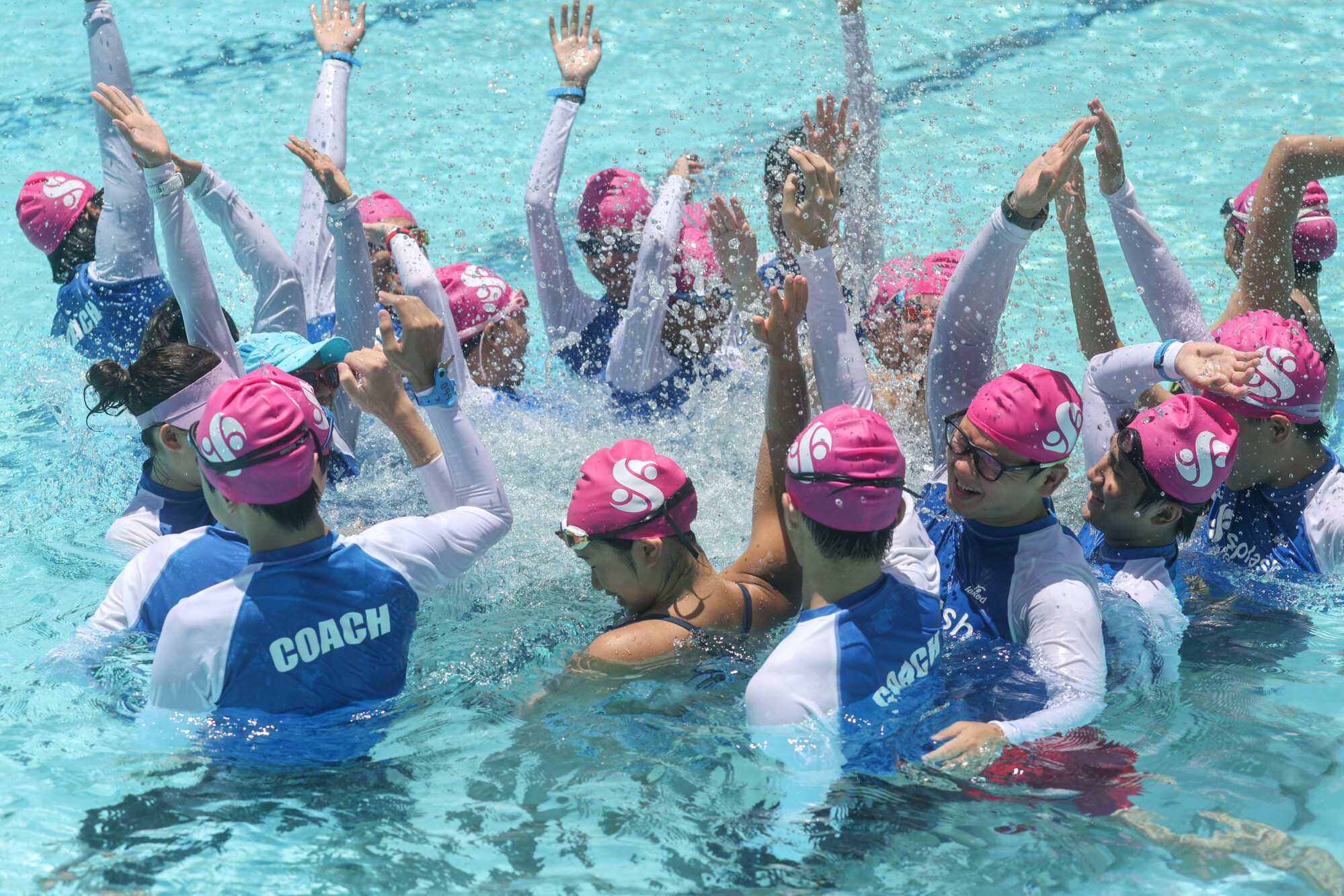
To become an effective coach, Ching explained, the apprentices would learn how to give feedback to new swimmers and how to use positive language to encourage and empower beginners.
Apprentices would also train alongside an experienced coach.
“I think the most important part of the training is actually having a mentor next to them,” Ching said. “It helps them become more efficient and passionate coaches.”
From fear to fondness
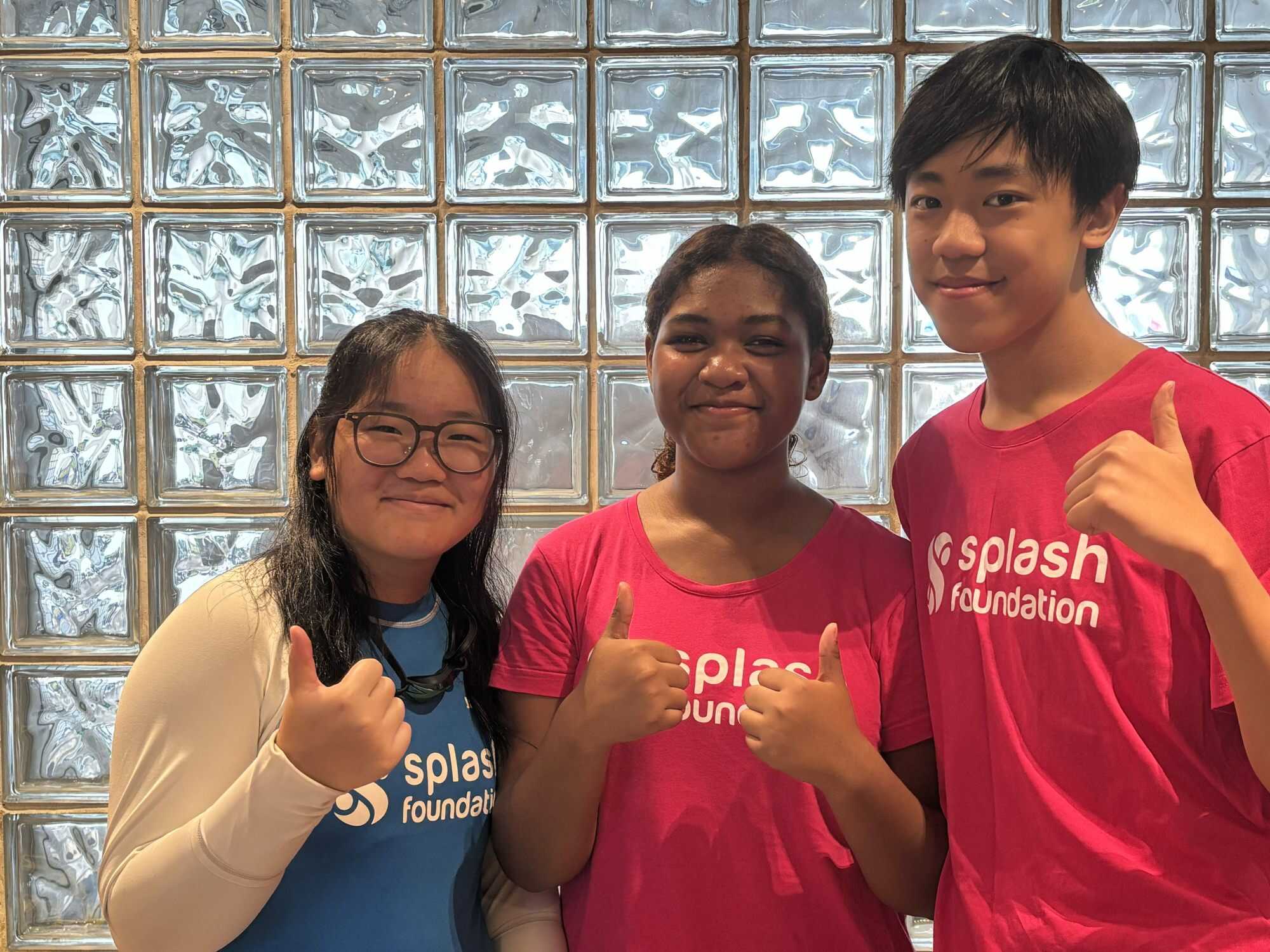
Kenneth Li was nervous when he first learned to swim with Splash Foundation in autumn 2025.
“I was really afraid of getting in the water,” the 16-year-old recalled. But during the programme, as Kenneth learned how to swim – he realised he loved it.
He recently completed the youth apprenticeship and has taught at the foundation’s summer Splash Camp.
“I like to teach others. At home, I play piano, and my younger sister will follow me to learn. [That is how] I found out that teaching kids is so fun and it [gives] me a sense of accomplishment,” he said.
But that does not mean it’s smooth sailing, Kenneth explained, especially when you have to manage a class of eight to 10 kids.
“You need to look after all the students,” he said. “Safety is the most important [thing]. Sometimes, the kids may be naughty and splash around.”
Kenneth added: “Managing so many people is a little bit difficult for me … I think it’s a good way to improve my patience.”
Always learning
Keisha Elorm, 16, also took part in Splash’s first apprenticeship programme. She used to swim frequently but stopped during the Covid-19 pandemic. Joining Splash’s summer camp in 2025 allowed her to restart a sport she loved.
“It was my first time coaching this summer; I was really nervous. I would mess up – giving them the wrong instructions,” Keisha said.
“Once I had guidance from my lead coaches, I learned how to teach properly, how to give instructions and how to keep them safe.”
Keisha said the experience improved her communication skills and helped her become less shy, especially when speaking her second language.
“It gave me more reason to speak Cantonese. Even though most kids in Hong Kong learn to speak English, some have a real difficulty understanding it. It boosted my confidence,” she explained.
Her experience reflects Ching’s belief that skills learned through the camp are not limited to the pool.
“Swimming is just a vehicle for people to improve themselves,” Ching said.