Every week, Talking Points gives you a worksheet to practise your reading comprehension with exercises about the story we’ve written.
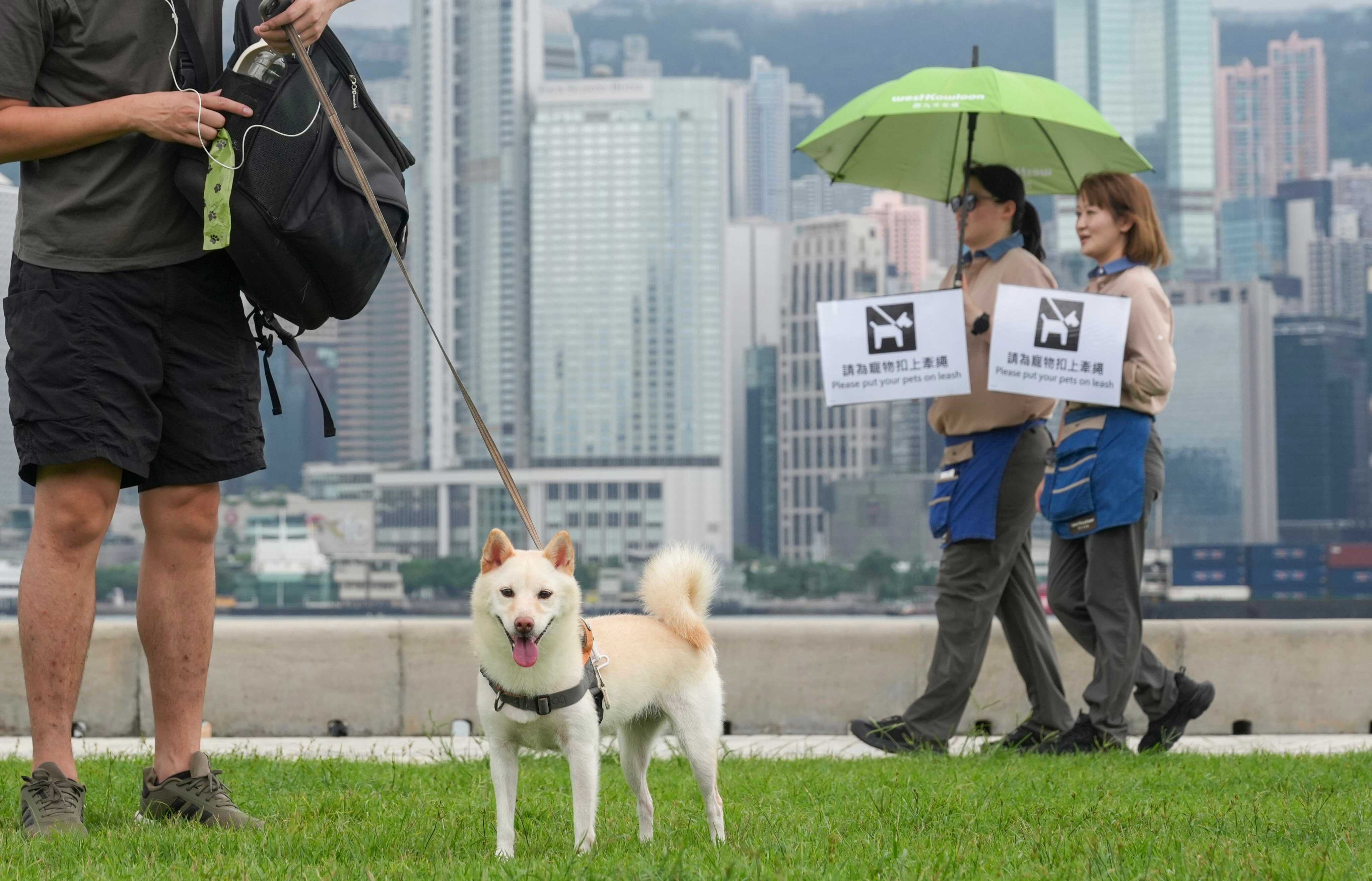
In the wake of recent deadly dog attacks, Hong Kong officials have intensified checks on dog owners across the city. The clampdown has put many pet owners on high alert.
Dr Angel Ngo, a vet with her own clinic in Hong Kong, explains Hong Kong’s rules and how owners can best protect their pets.
What are fighting dogs, large dogs and dangerous dogs?
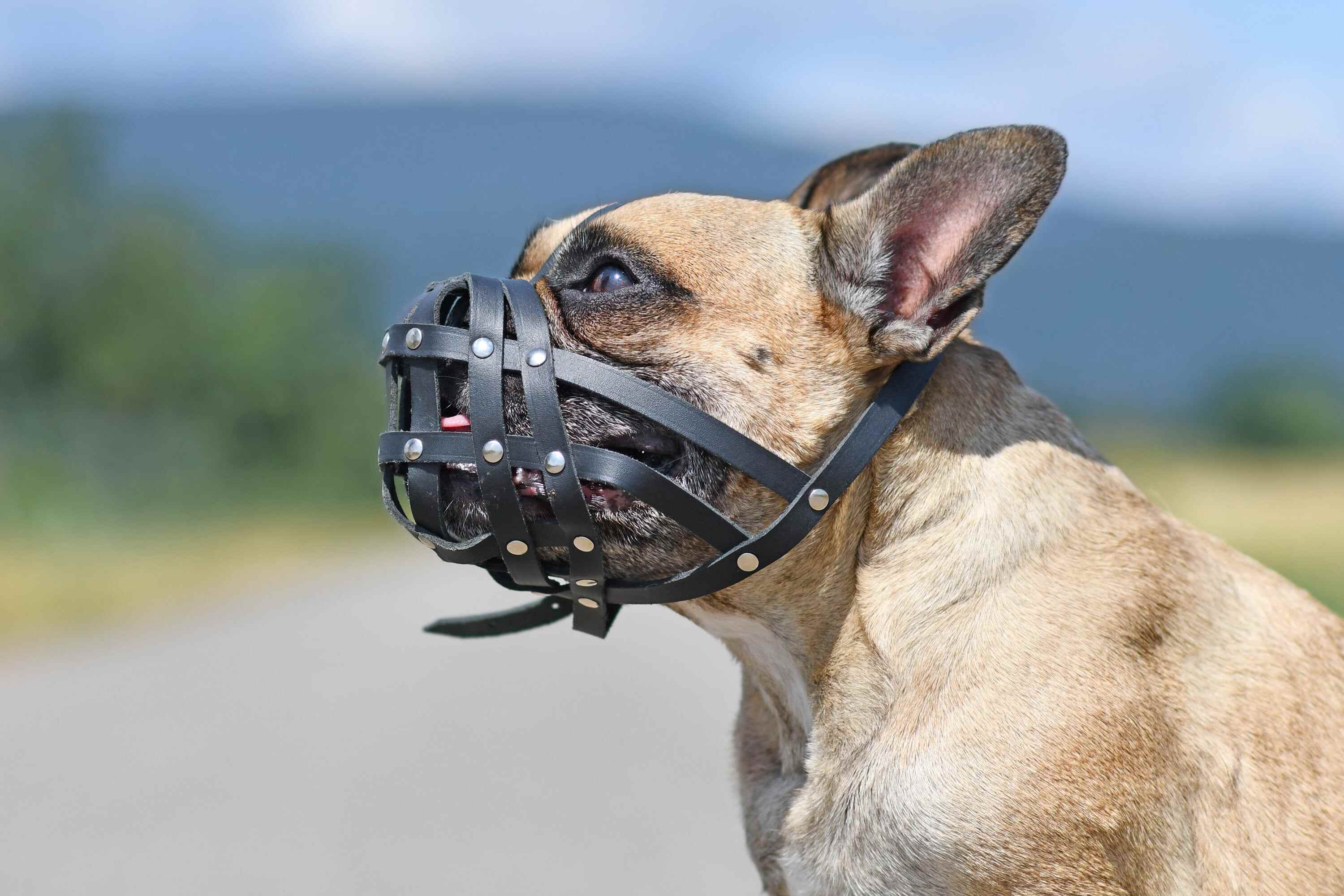
Under Hong Kong law, breeds such as pit bull terriers, Dogo Argentino, Japanese Tosa, Fila Brasileiro and their crossbreeds are classified as “fighting dogs”. There are many restrictions for fighting dogs when they are out in public. For example, they must be kept on a leash no longer than 1.5 metres and be muzzled.
Some of the fear around fighting dogs stems from their strength, Ngo explained.
“Large dogs are not more aggressive than smaller ones, but any reaction from them has a much higher risk of severe injury,” said Ngo, who is also the founder of Once And For All, a local social enterprise for animals.
Beyond specific breeds, there is also the category of “known dangerous dogs”. This includes any dog, regardless of breed, with a history of attacking or biting a person or domestic animal, resulting in severe injury or death. In addition to the collar and muzzle, they must also be neutered or spayed.
“This reduces their hormones and helps them feel more mellow ... reducing aggression,” Ngo said.

How to interact with dogs safely
Ngo said that interactions with dogs can escalate in an instant.
“When I walk my own dog, I constantly scan my surroundings. If an unfamiliar dog approaches, I make sure I have enough time and distance to step in and pick my dog up before an incident can occur,” she said.
Ngo recommended using a well-fitted harness rather than a standard neck collar. She explained that when a reactive dog wearing a neck collar is suddenly pulled back, all the force is concentrated on their neck. This can put pressure on the trachea, which, in extreme cases, can cause airway collapse and spinal damage.
A proper harness distributes the pressure across the chest and shoulders and helps protect the dog’s neck and airway.
Fighting or aggressive dogs should also wear a muzzle. The vet said a well-fitted basket muzzle works best as it still allows the animal to pant, drink water and eat treats. She advised against the duckbill “quack” muzzle popular among many Hong Kong dog owners.
“If a muzzle is too restrictive, a dog will often try to rub its face against the ground or paw at its nose to force it off. This discomfort only worsens any underlying aggression or irritability,” she explained.
Ngo said dogs can sense how we feel. If a person is anxious or aggressive, a dog is more likely to feel threatened and attack.
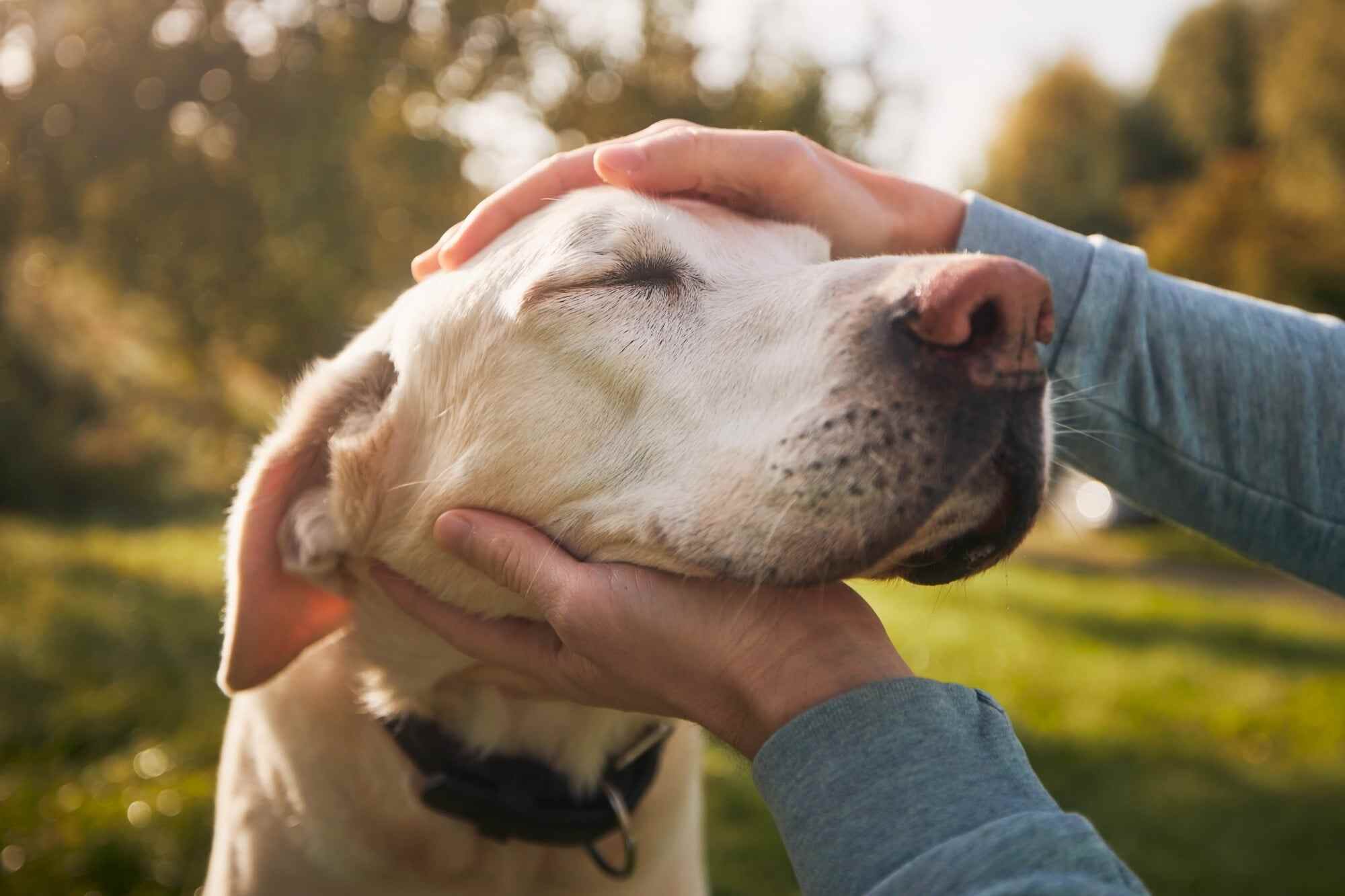
“Most dog bites happen because people do not understand dog body language or because they invade the dog’s personal space,” she said.
Do not stare into a dog’s eyes and never put your face near a dog’s face because animals may see it as an attack.
Do not make quick motions at a stranger’s dog, as this can seem threatening. Always ask the owner for permission to pet it first.
If the owner agrees, then you should kneel down and wait for the animal to show interest in you. Allow it to sniff you. Only pet the dog once it shows relaxed, friendly behaviour, such as wagging its tail or leaning against you.
“Learning to read a dog’s body language is the best way to prevent dog bites,” Ngo said.
What to do in a crisis
If you or someone nearby is bitten by a dog, prioritise stopping the bleeding. You can also gently encourage a small amount of bleeding to help flush out bacteria. Wash the wound under warm, running water with mild soap for five to 10 minutes to prevent infection.
Ngo said to avoid applying rubbing alcohol as it destroys healthy tissue and delays healing. Always make sure to see a doctor immediately.
Get the owner’s contact details, the dog’s microchip number and rabies vaccination history. If the owner is unsure about the vaccination history, the microchip number can help trace it through the Agriculture, Fisheries and Conservation Department (AFCD).
Legally, every dog bite must be reported to the police. Ngo said that while people often try to settle these incidents privately, an official report allows authorities to monitor for rabies. It also helps them assess whether the animal qualifies as a dangerous dog or a banned fighting breed.
“AFCD officials and vets handling these situations aren’t unreasonable; they are simply following government regulations and rules, which is to protect people and animals,” Ngo said.