Every week, Talking Points gives you a worksheet to practise your reading comprehension with exercises based on the story we’ve written.
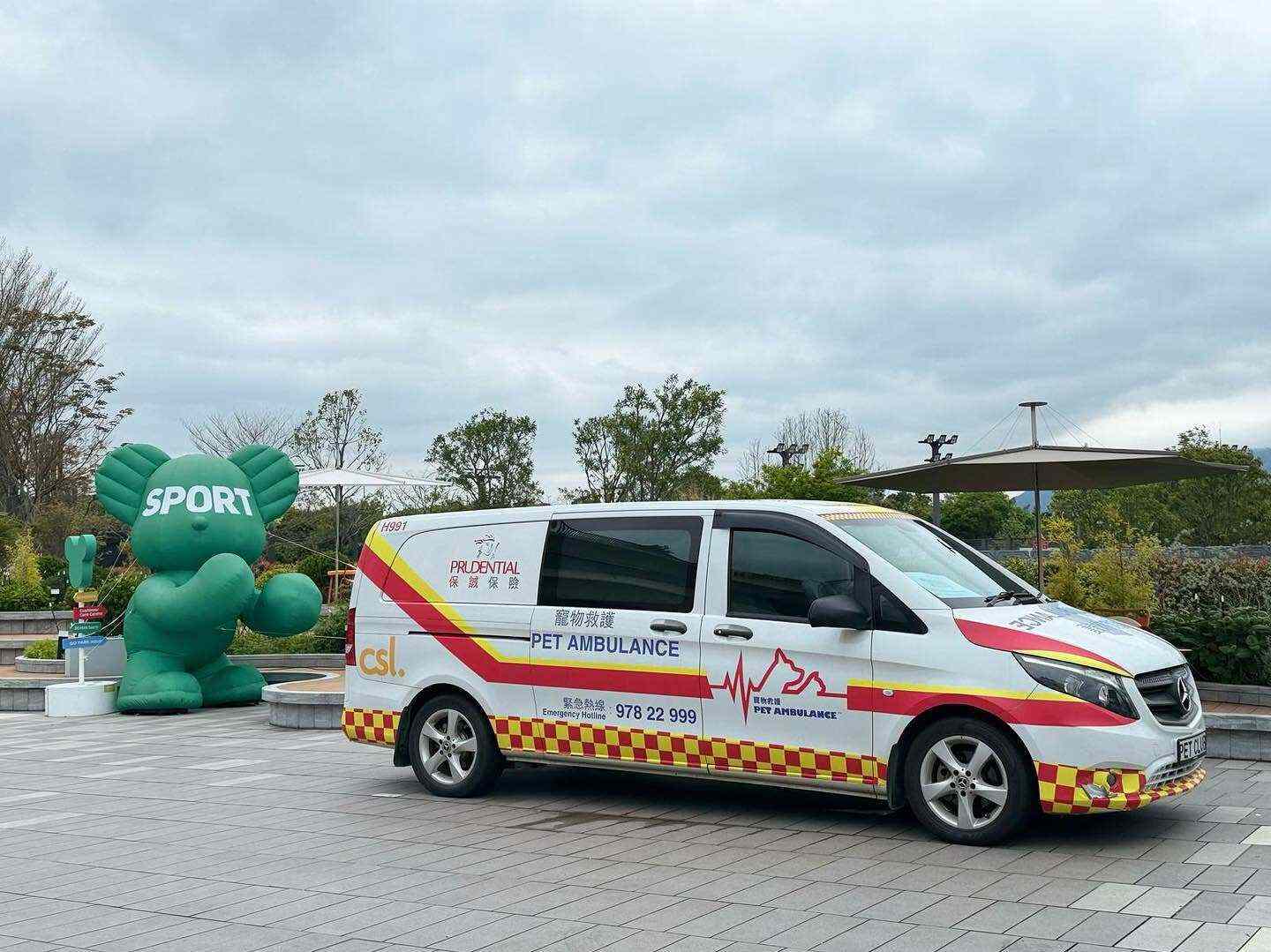
Snakes can be great at hiding signs of illness. But one pet owner in Hong Kong noticed that something was wrong with their python, which had stopped moving. The owner immediately called for a pet ambulance from the Hong Kong Pet Club.
The python was diagnosed with a respiratory infection. It later made a full recovery.
“It was a reminder that the bond between humans and their pets is … strong, and our role is to help whenever we can,” Zoie Cheng Kam-shan said.
Cheng is the ambulance service’s business development director. Founded in 2019, Hong Kong Pet Club helps dogs and cats access vet care in critical moments.
“When a pet suddenly collapses or has an accident at home, owners often have no choice but to carry them to a clinic themselves, which can cost precious rescue time,” Cheng said.

Fitted out for furry friends
The pet ambulance service receives calls from pet owners every day. There are about six cases every night.
Medical calls often involve heart or breathing problems in older dogs. Paramedics also handle emergencies. These can include traffic accidents, falls from a height, choking and accidental food poisoning.
The three pet ambulances cover Hong Kong Island, Kowloon and the New Territories. Members pay a monthly fee to access their services, while non-members can pay a one-time fee. These fees help the service run.
They also receive support from partner organisations, including banks and insurance companies. These partners refer members and sponsor projects.
Each ambulance has a 140cm animal stretcher. They have adjustable side rails and restraint straps. These stretchers can safely secure animals of all sizes. Other essentials include first aid kits and splints for treating cuts and broken bones.
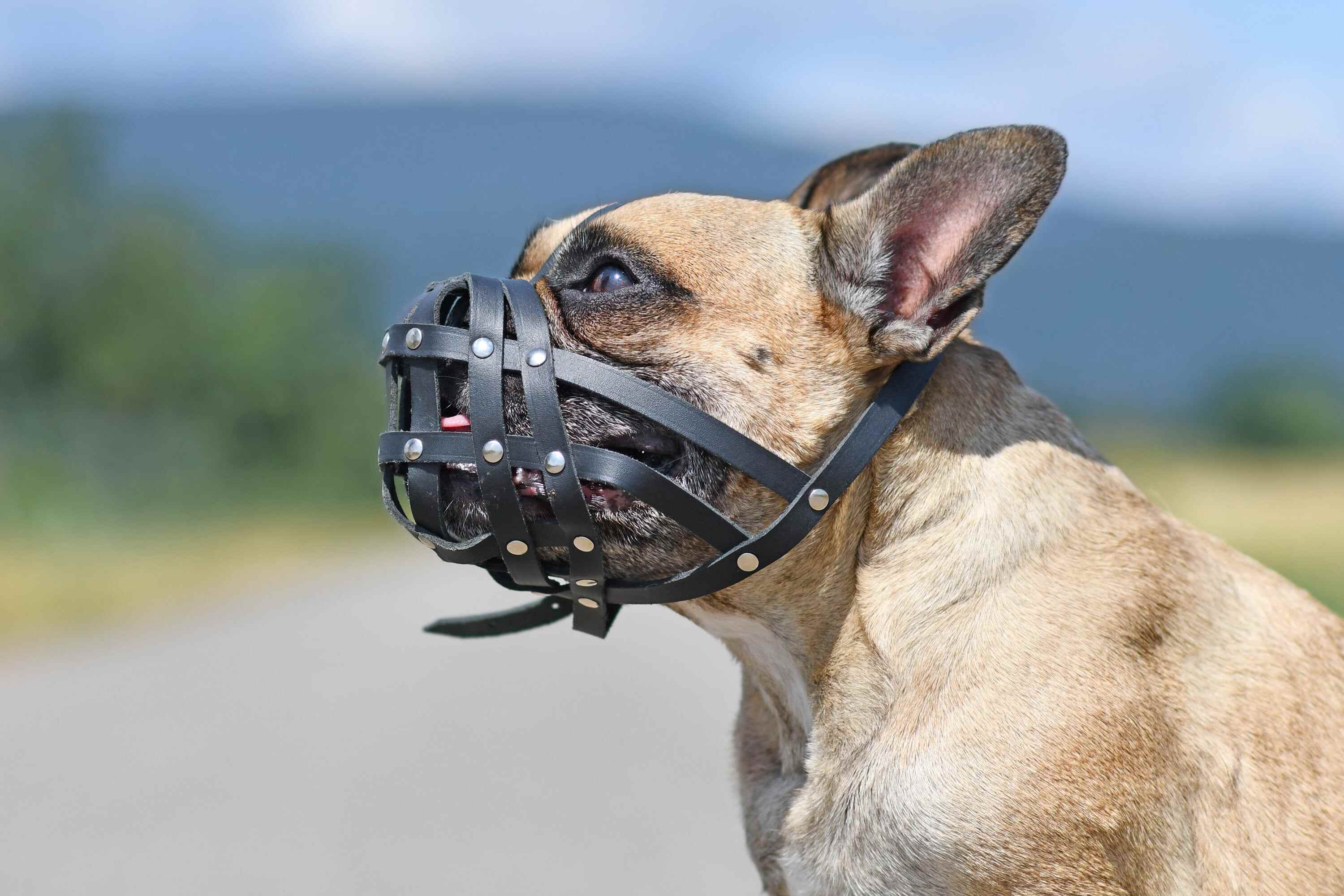
To keep pets calm and safe during the drive to the animal clinic or hospital, the ambulance provides soft blankets, warm pads and safety nets. There are also special oxygen masks for cats and dogs.
“Our oxygen masks are made of soft medical-grade plastic or silicone, with flexible edges that conform to different animals’ facial contours,” Cheng explained.
Staying calm in emergencies
Cheng oversees emergency pet transfer procedures. She also provides training in first aid care. She has been in this field for more than 15 years.
An overlooked part of a pet paramedic’s job is also keeping pet owners calm.
“Owners naturally feel guilty or overwhelmed, so my first step is to comfort them and assure them that their pet is in capable hands,” Cheng shared. “I always make sure to explain our immediate medical actions and estimated arrival time. Knowing what to expect reduces fear.”
She added: “Because animals easily sense human stress and become even more upset, I always ask the owner to speak to their companion to calm them both down.”
Students interested in working with animals might focus on traditional jobs such as becoming a veterinarian. But Cheng urged them to consider becoming a pet paramedic.
While Hong Kong does not have an official government licence for pet first aid, there are animal first aid courses available in the city.
“When every second counts, having the skills to help an animal can mean the difference between a tragic loss and a second chance at life,” Cheng said.