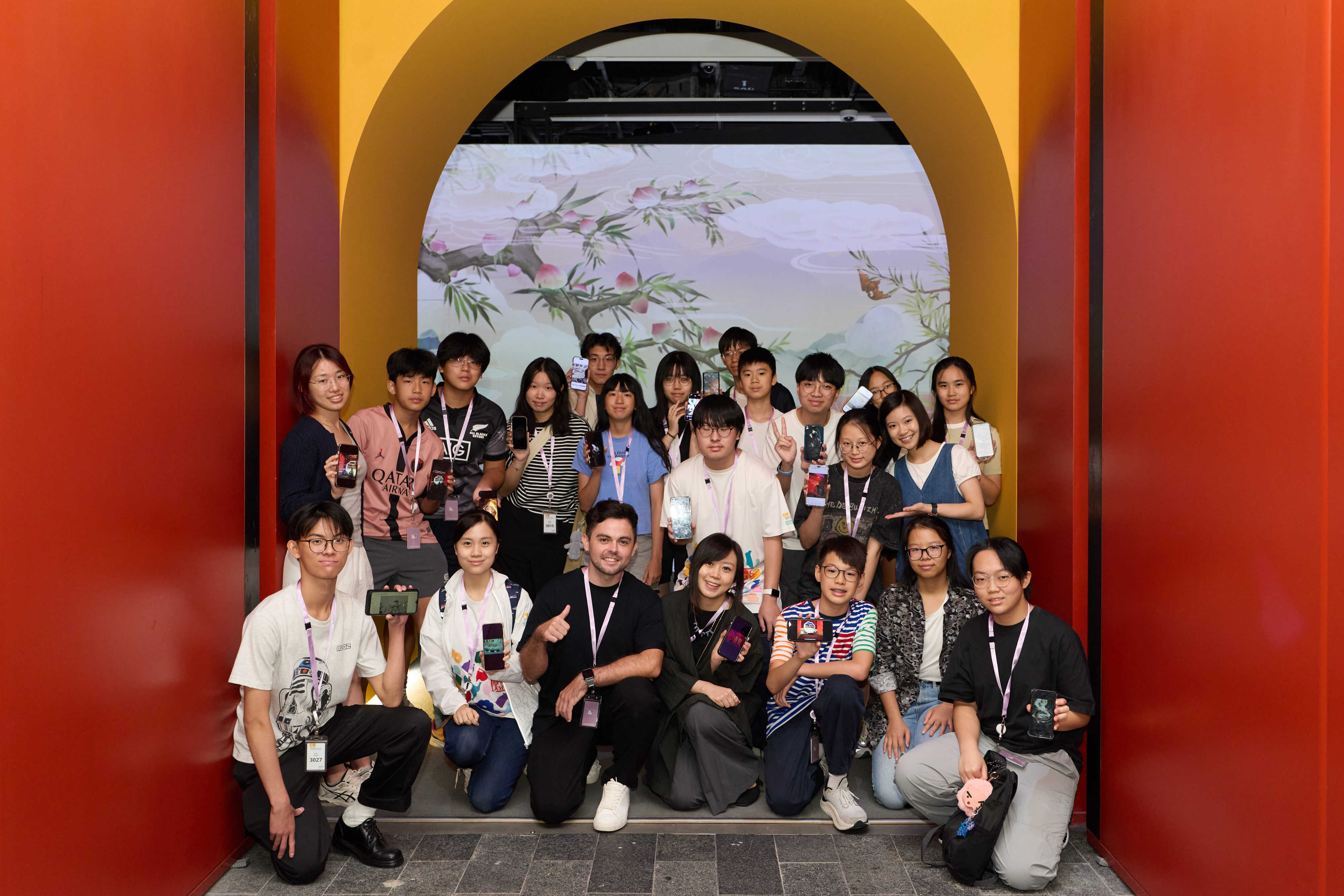
This summer, secondary school students were invited to embark on a creative journey at the Hong Kong Palace Museum (HKPM), which showcases artefacts from the Palace Museum in the Forbidden City in Beijing, China.
Presented by HKPM and SCMP Learn, the group of students explored how traditional Chinese patterns can be transformed into modern narratives.
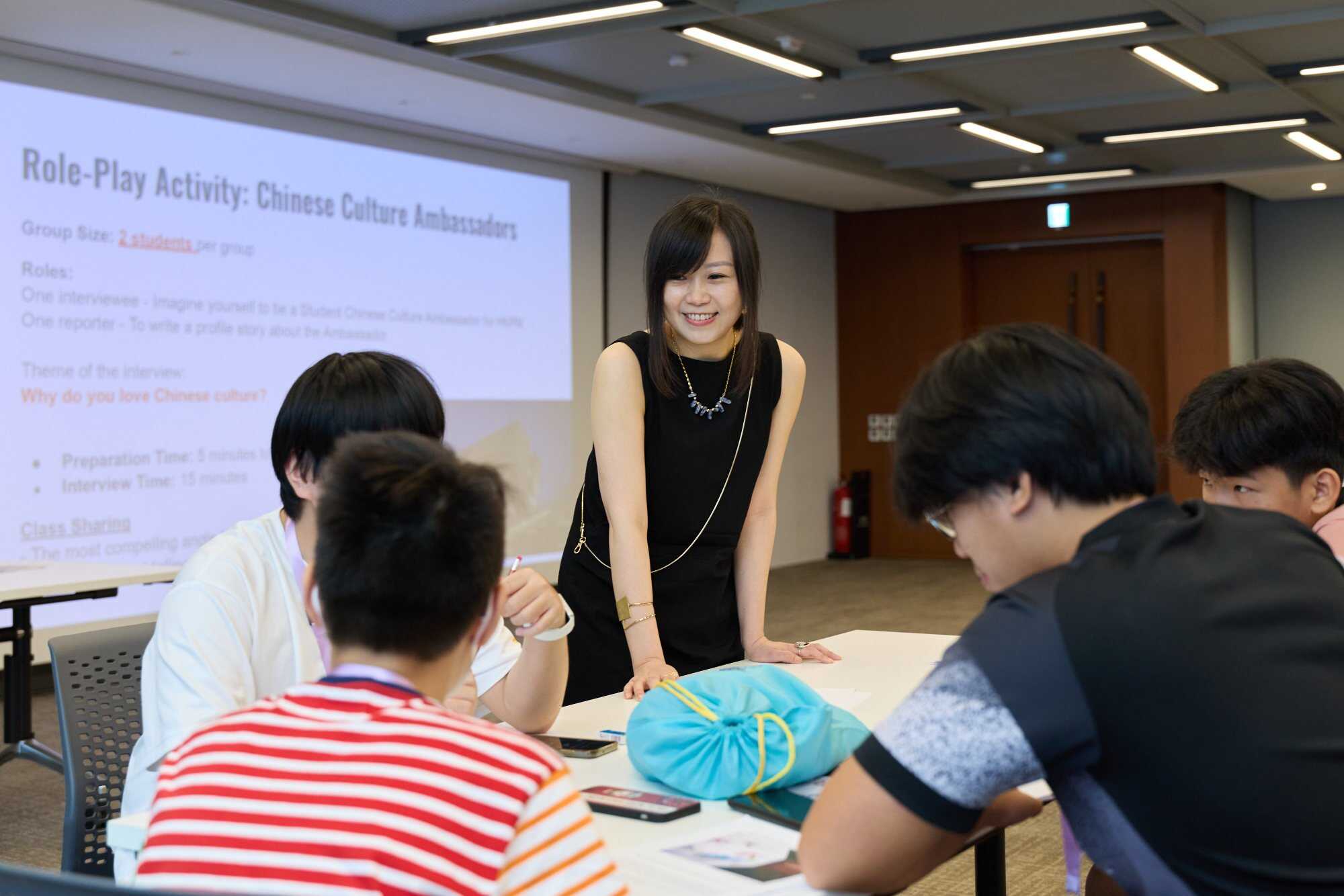
The event “Storytelling Through Patterns” began with a journalistic workshop led by Young Post Editor Emily Tsang, followed by a photography masterclass with award-winning digital artist Derry Ainsworth. The day also included an exclusive guided tour.
The group reflected on the experience. Read what five students, hand-picked by a judging panel, had to share.
Culture thrives when we reimagine it
Gabriel Wan Pui-lok, 17, CNEC Christian College
As a Hong Kong Chinese student, I have long drawn a blank when it comes to understanding my own culture. That morning in West Kowloon, in the sweltering heat, I stepped into the Palace Museum, unsure what the workshops would bring.
The first activity was interviewing a partner about Chinese culture, which proved to be unexpectedly challenging. My partner’s words left a mark: “Cultural identity isn’t just on the surface; it’s in the memories we carry – even a dim sum dish can speak volumes.”
It was a simple yet powerful reminder.
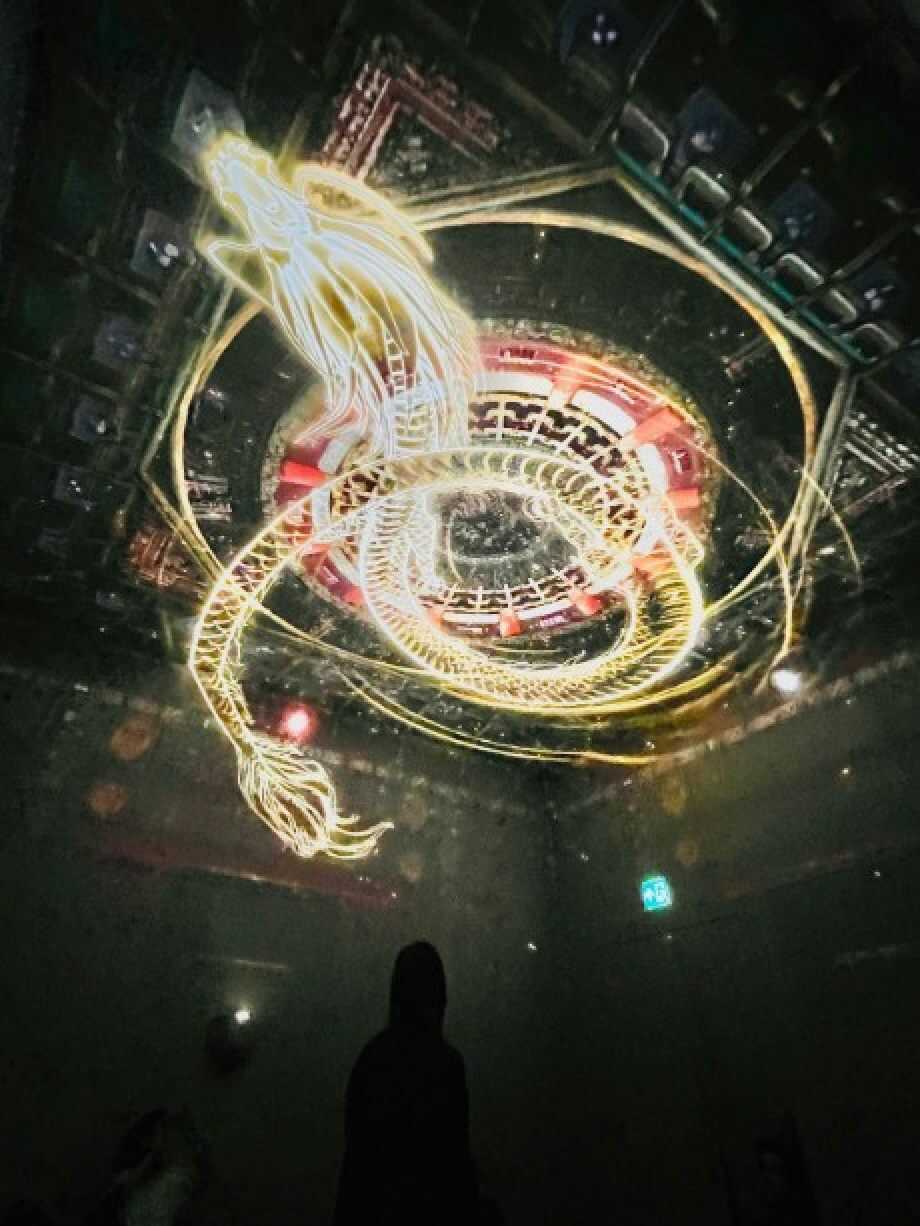
Inside the exhibition, everything changed. The experience was not just visual; it was immersive, like reading a vivid story written in brushstrokes and porcelain. The gallery felt alive with history. Light unveiled dragons swirling through waves of azure – a majestic dance of strength and fortune.
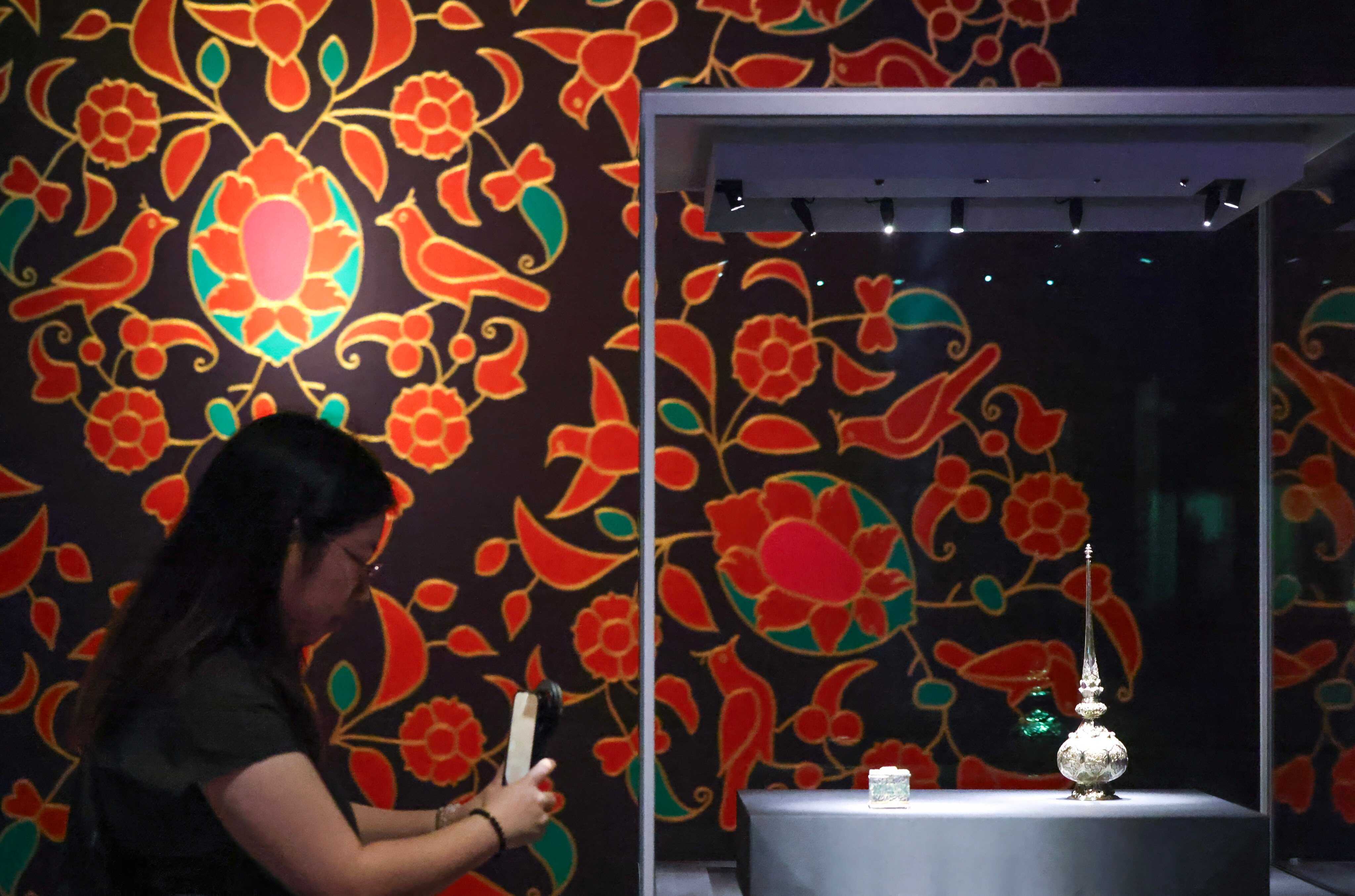
I was most drawn to the caisson ceilings in the Pavilion of One Thousand Autumns, its golden patterns radiating regal grandeur. Capturing those images through my lens allowed me to see Chinese heritage from new angles, both literally and figuratively.
This workshop did not just teach me photography – it gave me a deeper understanding of my roots. More than that, I realised promoting and preserving such a rich culture requires not only a sense of belonging but also creativity and innovation.
What the gallery showed me is that culture thrives when we reimagine it. Chinese heritage, once abstract to me, now feels alive, and I see my place in continuing its story.

Symbolic patterns and their meanings
Fung Cheuk-yu, 15, HKUGA College
Have you ever been to an exhibition that is interactive and captivating, innovative yet inspirational? I attended one such event at the Hong Kong Palace Museum, a once-in-a-lifetime opportunity to experience the entire exhibition first-hand.
Before my visit, my impressions of Chinese culture were shaped by festivals such as Lunar New Year, the Dragon Boat Festival and the Lantern Festival.
This workshop opened up a whole new world where I discovered symbols of Chinese culture that were previously hidden from me. The journey to deepening my love for Chinese culture started in the first room, one of my favourites.
My jaw dropped as we entered, surrounded by flowers, birds and delicate patterns that reflected the rich culture of China. After around three minutes, the room’s pattern changed from peaches to lotus, then waves and finally, clouds.
One of my favourite patterns was the auspicious clouds – a traditional Chinese stylised decorative pattern that represents good fortune and luck. It was interactive. As the lucky clouds floated across the room, buttons appeared on the floor. When you stepped on the buttons one by one, a fantastical Chinese mythological creature would appear on the walls.
The dragon, once considered a powerful symbol of imperial authority in ancient China, wove through the auspicious clouds. I had to capture the dragon quickly because it moved fast!
Why did this exhibition deepen my love for Chinese culture? It is because I learned about things I never knew, such as symbolic patterns and their meanings. This knowledge has broadened my horizons and deepened my appreciation for my culture.
How culture shapes patterns
Tamia Fung Hui-ching, 14, St Paul’s Co-educational College
This experience ignited and deepened my passion for Chinese culture, particularly its intricate patterns. By engaging with a diverse array of designs found in Chinese ceramics and artwork, I developed a keen interest in exploring how culture shapes these patterns.
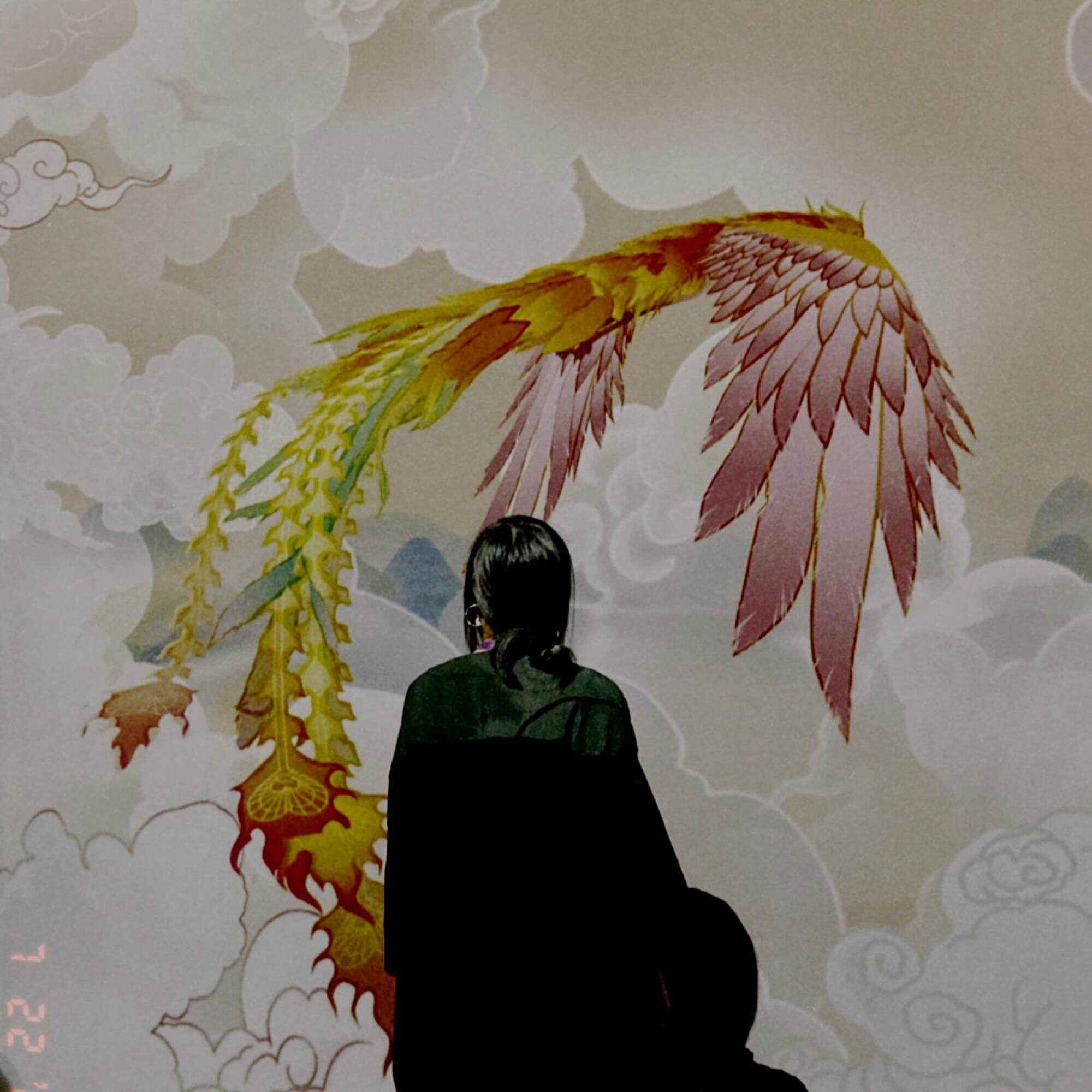
At the exhibition’s entrance, a massive screen with a golden dragon soaring through white clouds shocked me. It was complemented by blue waves and rocks at the base. This vivid display embodied the essence of Chinese art, with the golden dragon symbolising power, auspiciousness and success. After that, a phoenix with vibrant, flame-coloured feathers flew by, representing happiness and peace.
Just at the exhibition’s entrance, I had already gained insight into the profound role animals play in Chinese cultural symbolism.
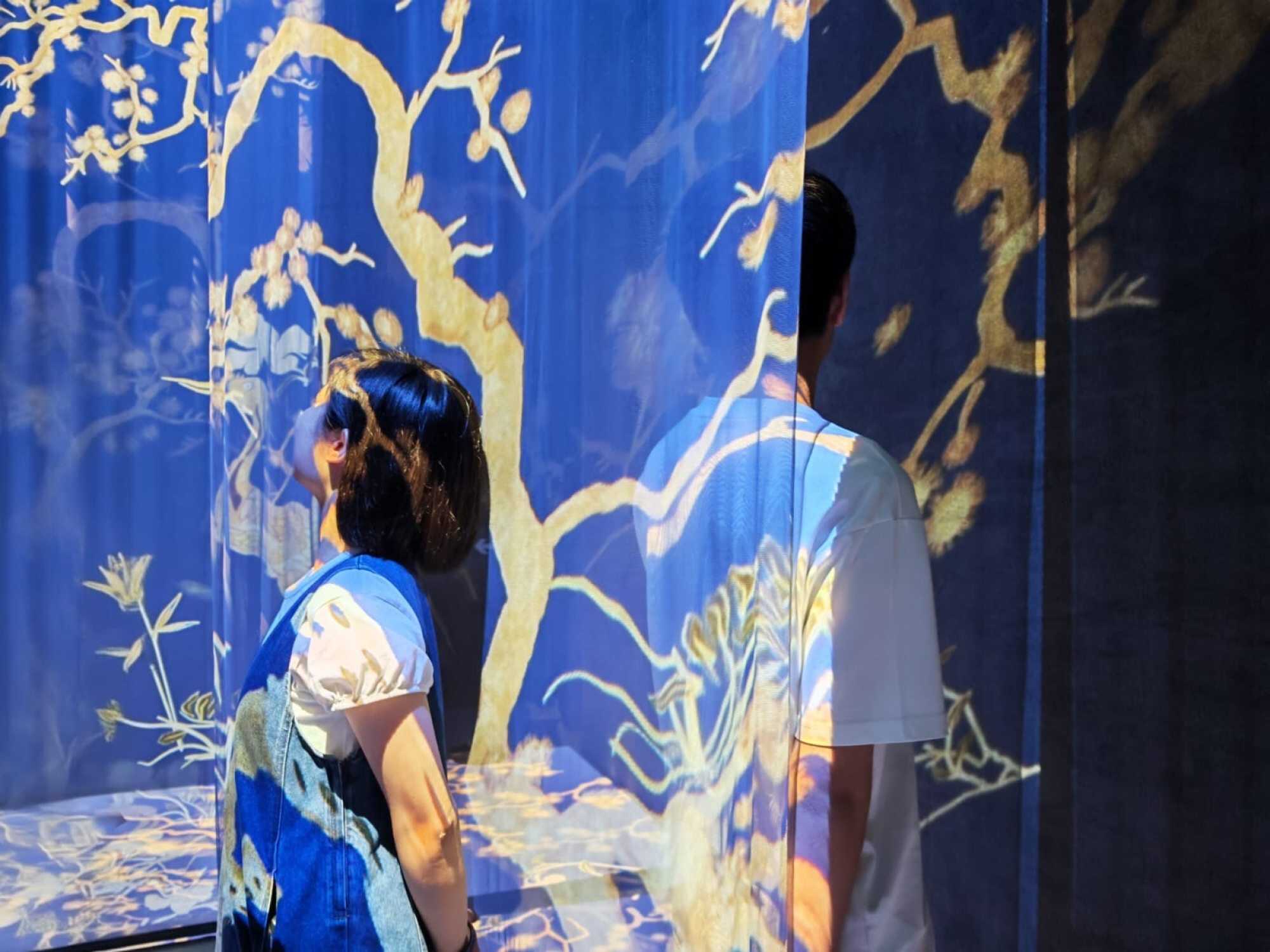
Further into the exhibition, we entered a room featuring a bowl-shaped screen at its centre, surrounded by projection screens on the walls and floor. A stunning variety of patterns was projected onto the “bowl”, predominantly featuring plants.
Among them, lotus flowers stood out, symbolising purity, virtue and integrity – values deeply rooted in Buddhism, a cornerstone of Chinese spirituality. These patterns revealed the importance placed on these traits in Chinese culture.
Overall, this immersive and engaging workshop deepened my understanding of the cultural significance hidden within Chinese patterns, sparking a genuine interest in the fascinating subject.
Patterns are ancient text messages
Cheng Yu-hin, 18, HKMLC Queen Maud Secondary School
This masterclass did not just teach me about patterns – it made me fall in love with Chinese culture. As a Hong Kong Palace Museum Student Cultural Ambassador, I thought I had a good understanding of my Chinese heritage. But Gallery 7 revealed new wonders.
Derry Ainsworth’s photography techniques, such as “be fast, shoot wide, work with low light”, transformed how I see museum artefacts.
Suddenly, the promotional film’s magic made sense: every dramatic shadow on jade carvings was intentional. It was actually calculated artistry! This revelation has changed how I view all photography of cultural presentations.
Emily’s session truly ignited my imagination. Tracing a dragon motif across different dynasties, I began seeing these patterns as ancient text messages – each scroll and porcelain piece containing coded blessings.
I even fantasised interviewing the original artisans: “Did you believe dragons were real? Who taught you these designs?”
Their answers seem to whisper through the artefacts.
Most unexpectedly, I discovered these patterns are not really relics; they are full of life. The same cloud motifs that graced imperial robes now appear in the gallery. This stunned me. A moment when a Qing dynasty pattern suddenly “spoke” to a 21st-century design – that is when theoretical appreciation became genuine love.
Last but not least, the workshop gave me more than skills; it offered time-travel glasses. Now whenever I visit Gallery 7, I do not just see the patterns – I hear centuries of stories waiting to be captured, both through my camera and my imagination.
Photography as storytelling
Yip Cheuk-kiu, 17, True Light School of Hong Kong
Part of this experience included a simulated interview, during which I reflected on how I am intertwined with Chinese culture.
My interest in Chinese culture took root at a tender age, when I immersed myself in exquisite exhibits at various museums. But walking into Gallery 7 of the Hong Kong Palace Museum, my perceptions were unbelievably transformed.
I felt like a tiny kid meandering through the intricate patterns on the artefacts. Dancing along with roaring dragons, I felt like I had jumped into a time machine – though I could hardly tell whether I was travelling back to the Qing dynasty or forward to the future. I was intrigued by the dragon’s coexisting ancient and futuristic power and fiery energy.
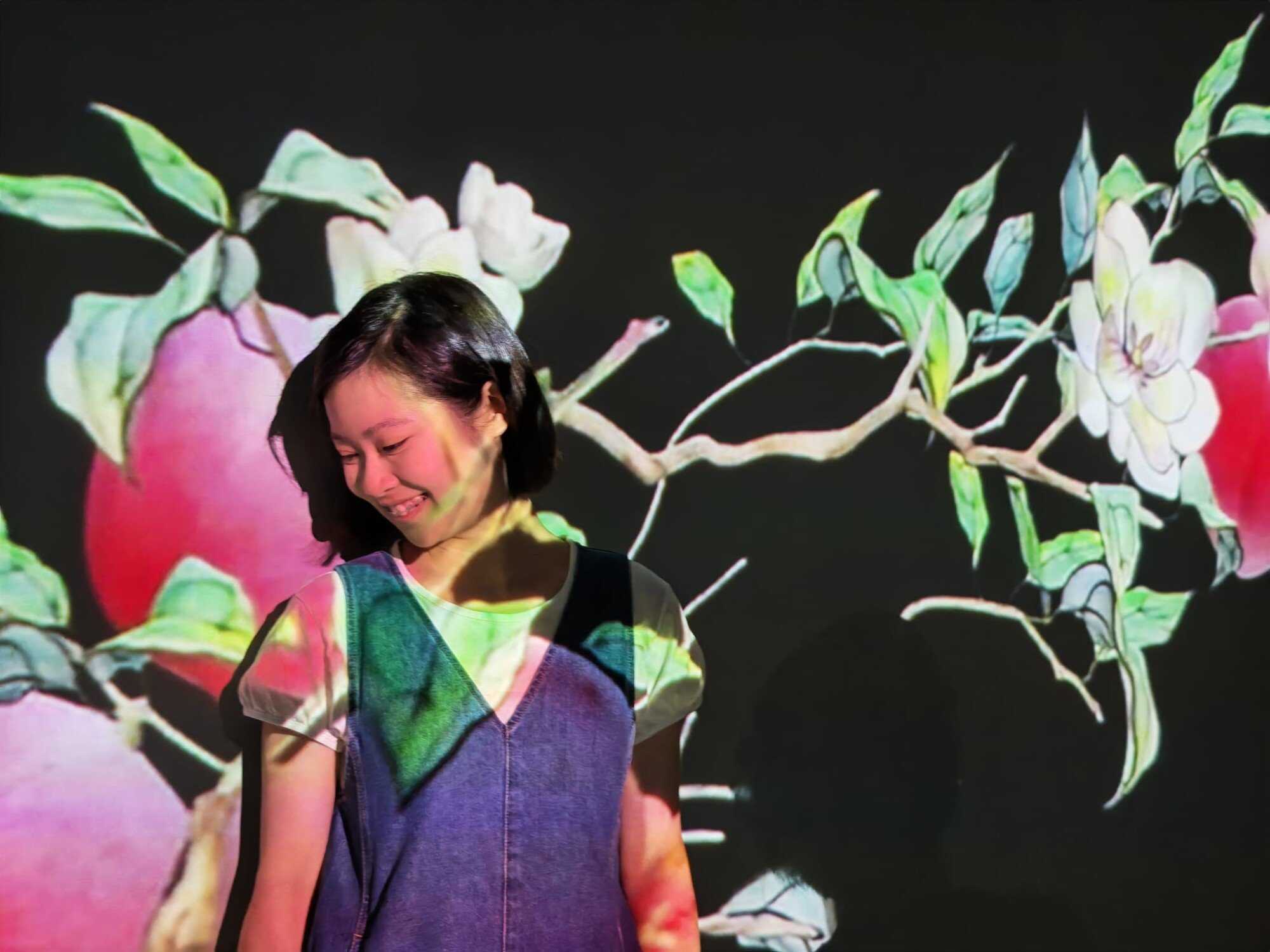
As soon as the animated flora and fauna were projected onto my dress, my friend pressed the shutter, capturing the moment when I walked into the patterns to create a new and unique piece of artwork.
Having led guided tours at the museum before, I like to think of myself as a spokesperson for the wordless antiques. I have learned that spoken words allow the audience to swiftly grasp the facts of the exhibits.
But are there storytelling alternatives that allow more personal interpretations? As an expression of humans’ natural sense of beauty, I believe that photography is the answer, deepening my connection to Chinese culture.