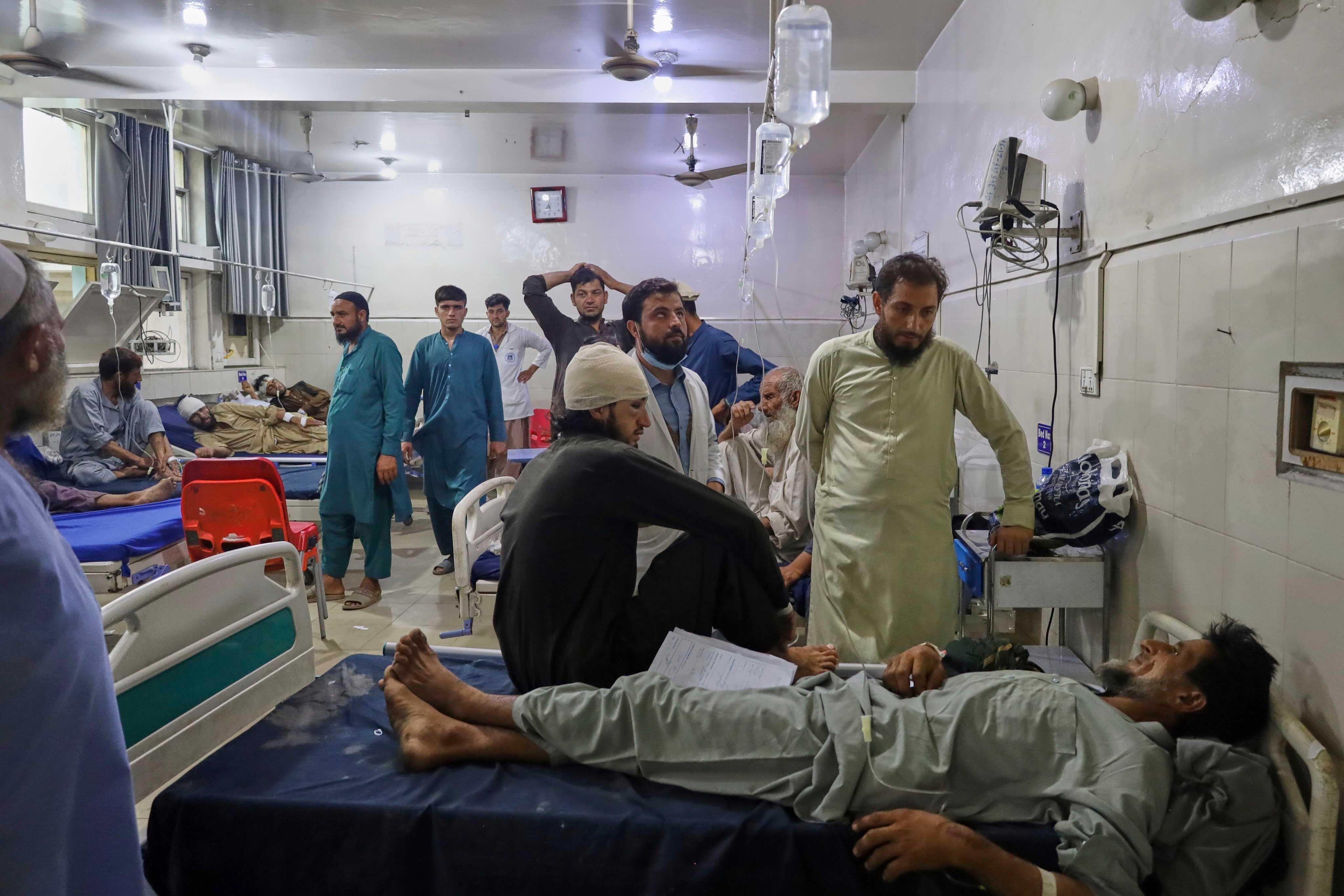
Rescue teams searched through the mountainous eastern region of Afghanistan on Tuesday for survivors of a powerful earthquake, as the death toll increased to 1,411, according to a spokesman for the Taliban government, Zabihullah Mujahid.
He also reported that more than 3,000 people are injured. Earlier, Taliban authorities had estimated the death toll to be around 900.
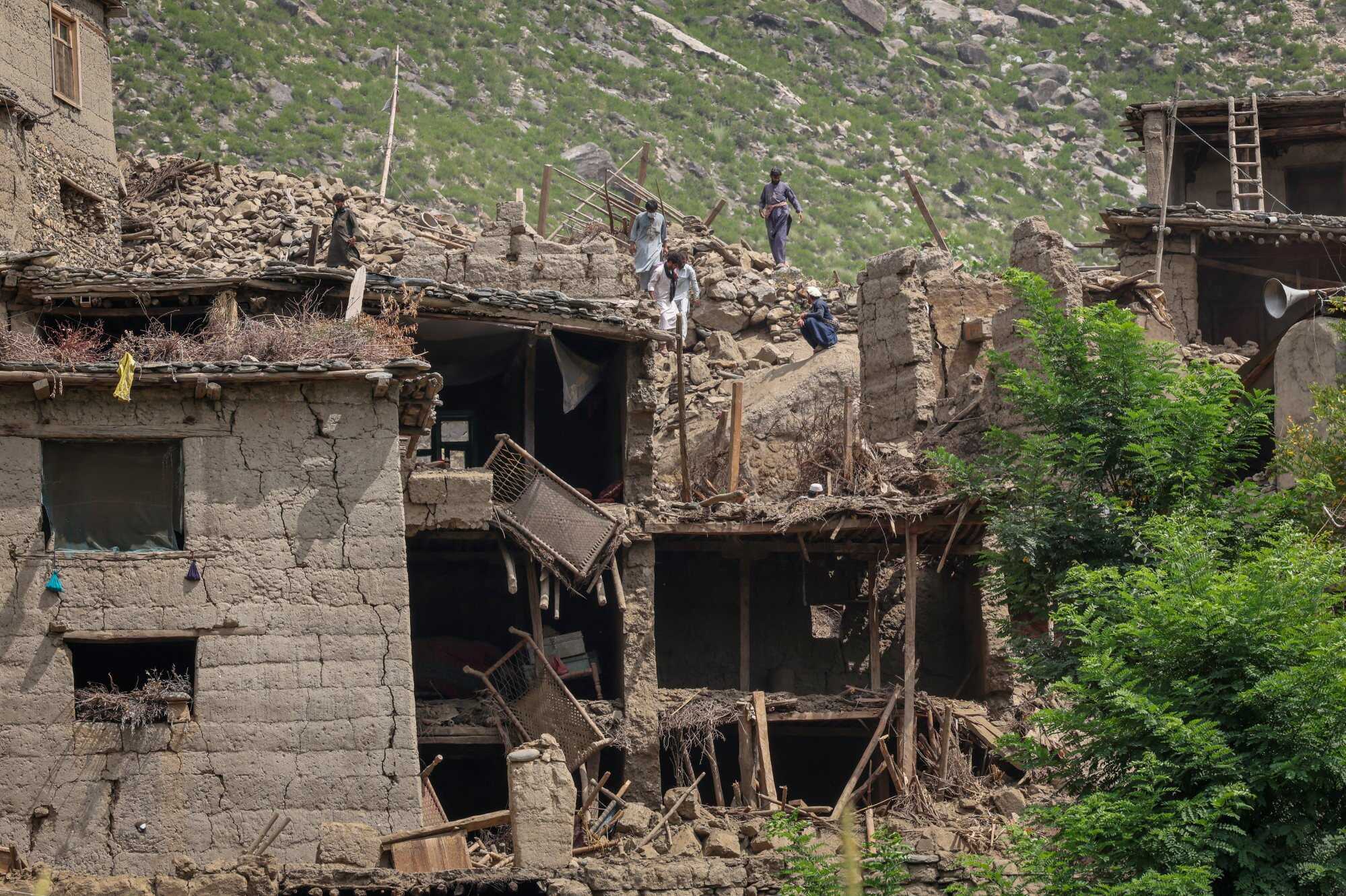
The 6.0 magnitude quake struck late on Sunday night in several provinces, flattening villages and leaving people trapped under rubble for hours. It damaged or destroyed thousands of homes that were made mostly of mud bricks and wood.
“The injured are being evacuated, so these figures may change significantly,” said Yousaf Hammad, a spokesman for Afghanistan’s National Disaster Management Authority. “The earthquake caused landslides in some areas, blocking roads, but they have been reopened, and the remaining roads will be reopened to allow access to areas that were difficult to reach.”
Rescue operations were carried out in four badly hit villages in Kunar on Monday, and efforts will now be focused on reaching more remote mountain areas, said Ehsanullah Ehsan, the provincial head of disaster management.
“We cannot accurately predict how many bodies might still be trapped under the rubble,” Ehsan said. “Our effort is to complete these operations as soon as possible and to begin distributing aid to the affected families.”
Mountainous terrain and inclement weather have hindered rescuers from reaching remote areas along the Pakistani border, where the quake flattened hundreds of mud and brick homes.
Access for vehicles along narrow mountain roads was the main obstacle, Ehsan said, adding that machinery was being brought in to clear the roads of debris.
On Tuesday, a line of ambulances was on the damaged mountain road trying to reach Kunar villages, as helicopters flew in, bringing aid supplies and taking the injured to hospitals.
Some of those injured have been transferred to hospitals in Kabul and the adjacent province of Nangarhar, Ehsan said.
The United Nations Children’s Fund warned on Tuesday that thousands of children were at risk, and said it was sending medicines, shelter materials, and hygiene items.
Taliban soldiers were deployed in the area, providing help and security. The disaster has further stretched the war-torn nation’s Taliban administration, already grappling with a sharp drop in foreign aid and deportations of hundreds of thousands of Afghans by neighbouring countries.
With aid slashed, Afghanistan’s quake hit “in the very worst moment”, said Rahmat Nabi Shirzad, communications officer for the UK-based NGO Islamic Relief in Afghanistan.
“The impact of these global cuts to humanitarian aid is very clear,” especially in health services for the hardest-hit province of Kunar, said Shirzad, who was also on the ground after deadly earthquakes in Herat province in 2023 and Paktika in 2022.
Compared to the support provided after those disasters, the resources for Kunar are “not at that level”.
Less international aid “means fewer ambulances, fewer doctors, fewer nurses, fewer midwives” to send into the battered farming communities of Afghanistan’s mountainous east, said Arthur Comon, deputy director of operations at the non-governmental group Premiere Urgence Internationale (PUI).
Rescue teams and authorities are trying to dispose of animal carcasses quickly to minimise the risk of contamination to water resources, a UN official said on Monday.
“Damaged roads, ongoing aftershocks, and remote locations of many villages severely impede the delivery of aid,” the World Health Organization said, adding that more than 12,000 people had been affected by the quake.
“The pre-earthquake fragility of the health system means local capacity is overwhelmed, creating total dependence on external actors,” it said.
Food and tents were desperately needed, said Safiullah Noorzai from Aseel, a humanitarian tech platform with networks around Afghanistan. With their houses in ruins, many people were living in the open amid a fear of aftershocks, Noorzai added.
The Taliban government has appealed for international help.
On Monday, China said it was ready to provide disaster relief help “according to Afghanistan’s needs and within its capacity”, while India delivered 1,000 family tents to Kabul and was moving 15 tonnes of food supplies to Kunar, with more relief materials to be sent on Tuesday.
The UK has pledged £1 million (US$1.3 million) in emergency funding to be split between humanitarian agencies rather than the Taliban government, which the UK does not recognise.
A magnitude 5.2 earthquake struck eastern Afghanistan near Jalalabad on Tuesday, according to the US Geological Survey.
The epicentre of the quake was 34km (21 miles) northeast of Jalalabad city in Nangarhar province.