YoungPost Club Learn
DOWNLOAD OUR APP
appstoregoogleplay
FIND US AT
My JourneyMy Vocabulary BuilderMy Leaderboard
My AccountSearchFAQAbout UsContact Us
Subscription Plan
School Subscription
YOUNG POST
NewsTrendingBeing wellLearning zoneShare with usQuizzes
SPARK
NewsTrendingBeing wellLearning zoneShare with usQuizzes
POSTIES
Big readEye on the newsHa-ha-happeningsThings to doYour saySteam studioHealth and happinessQuizzes
Subscribe to Young Post Club to access our great content
ABOUT US|CONTACT US|WRITE FOR US|PRIVACY POLICY|TERMS & CONDITIONS
©2026 Young Post Club. All rights reserved.
My Journey Hello
Brand Avatar
Young Post
My Journey illustration

With a subscription, you can answer quizzes and track your reading progress.

result
Learn new words with our vocabulary challenge!
My Journey illustration

With a subscription, you can answer quizzes and track your reading progress.

result
Learn new words with our vocabulary challenge!
My Journey illustration

With a subscription, you can answer quizzes and track your reading progress.

News / Asia

Blood moon during Sunday’s total lunar eclipse captivates stargazers

The crimson-coloured red moon was visible across Asia, western Australia, northern and eastern Africa and parts of Europe on Sunday
byAgence France-Presse
Published: 9:00am, 08 Sep 2025
Length: 401 words
Blood moon during Sunday’s total lunar eclipse captivates stargazers

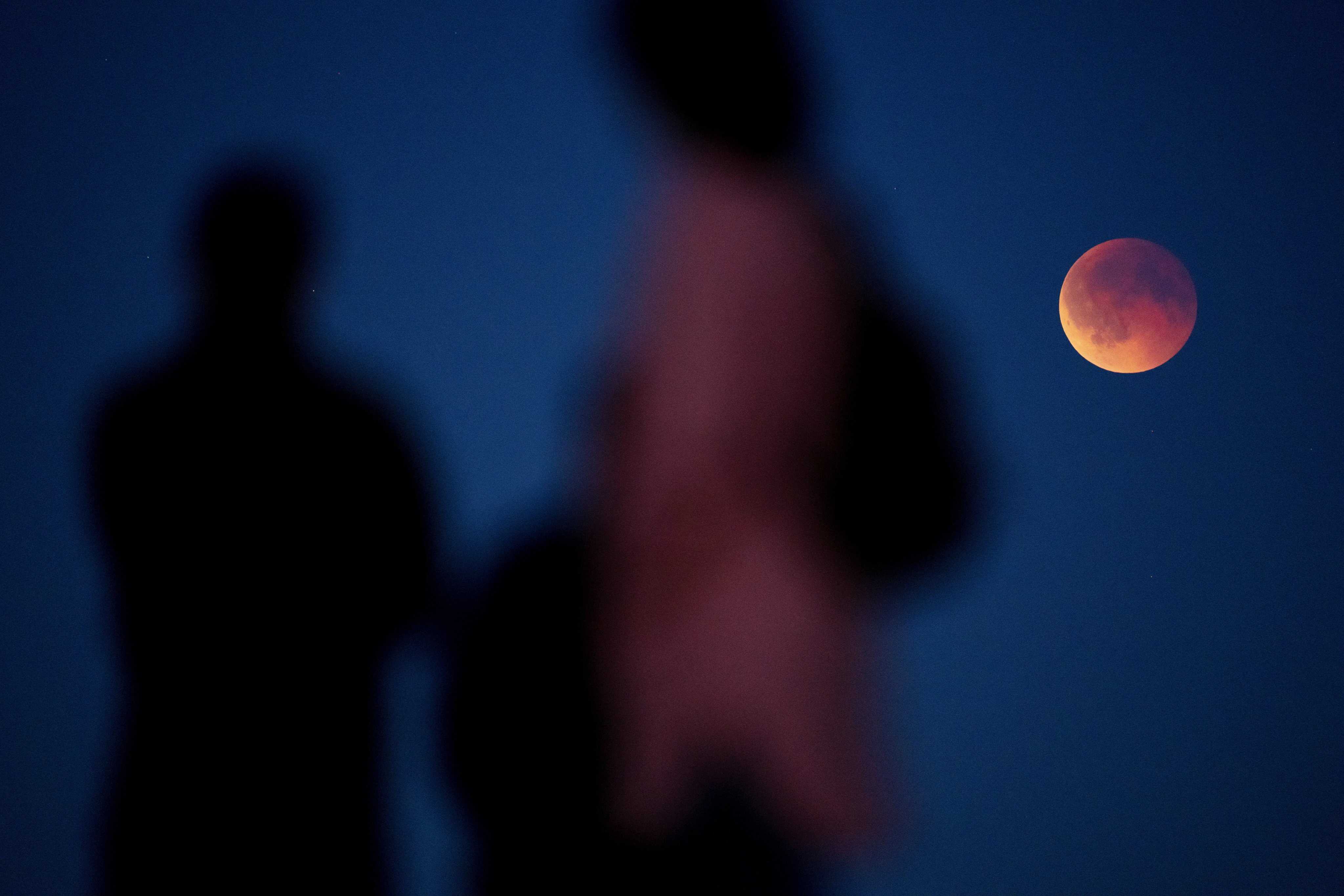
People catch the blood moon during a total lunar eclipse in Koege, Denmark on September 7. Photo: Reuters

Stargazers enjoyed a ‘blood moon’ on Sunday, as a total lunar eclipse unfolded across the globe into the early morning hours on Monday.

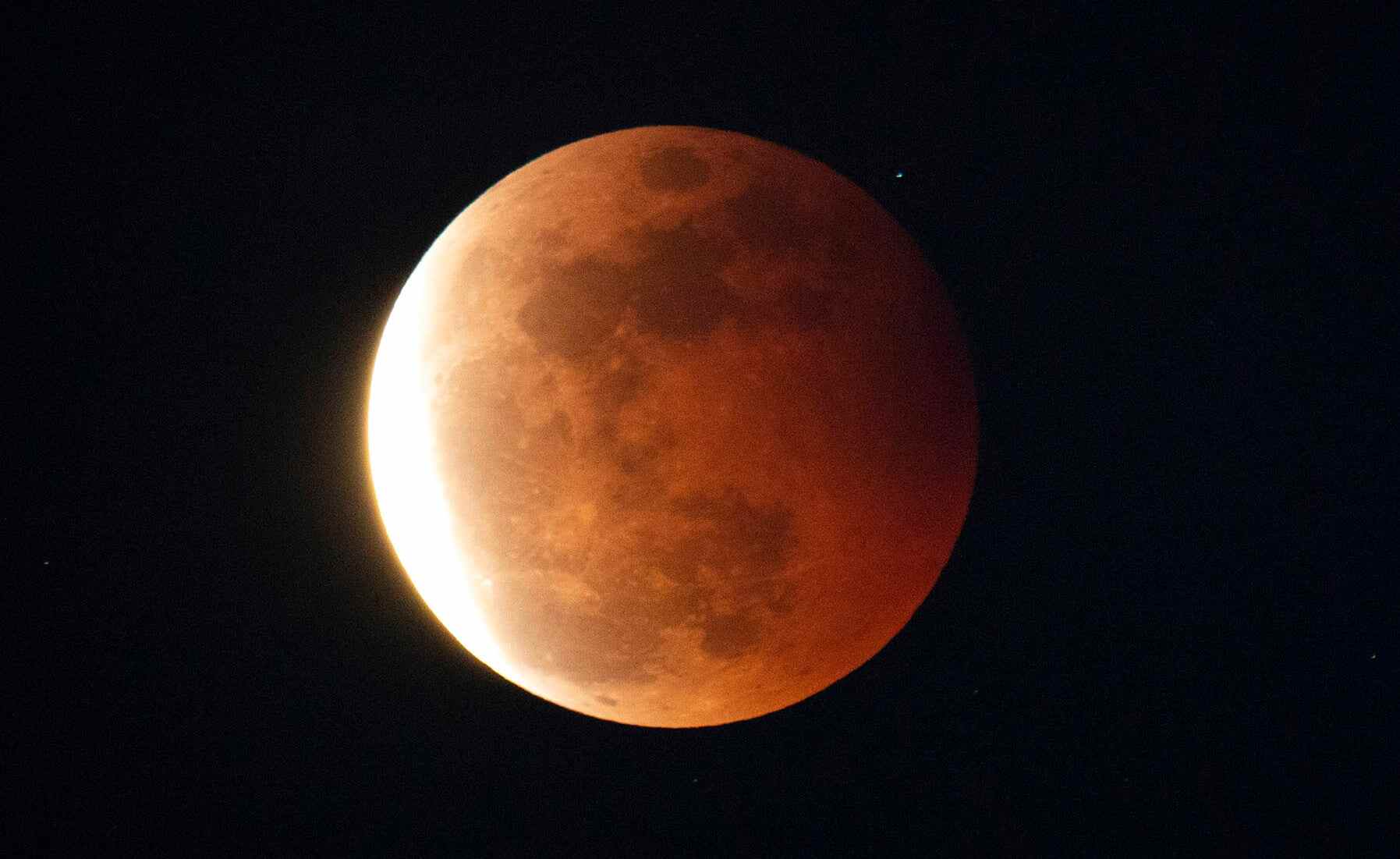
Visible across Asia and swathes of Australia, Europe and Africa, the moon turned a deep, dark red as the Earth passed directly between the sun and moon and cast a shadow on its lunar satellite. The result is the eerie moon that has astounded humans for millennia.

People in Asia, including India and China, were best placed to see Sunday’s total eclipse. Some in Europe and Africa also had a brief chance to see a partial eclipse as the moon rose during the early evening, but the Americas missed out.
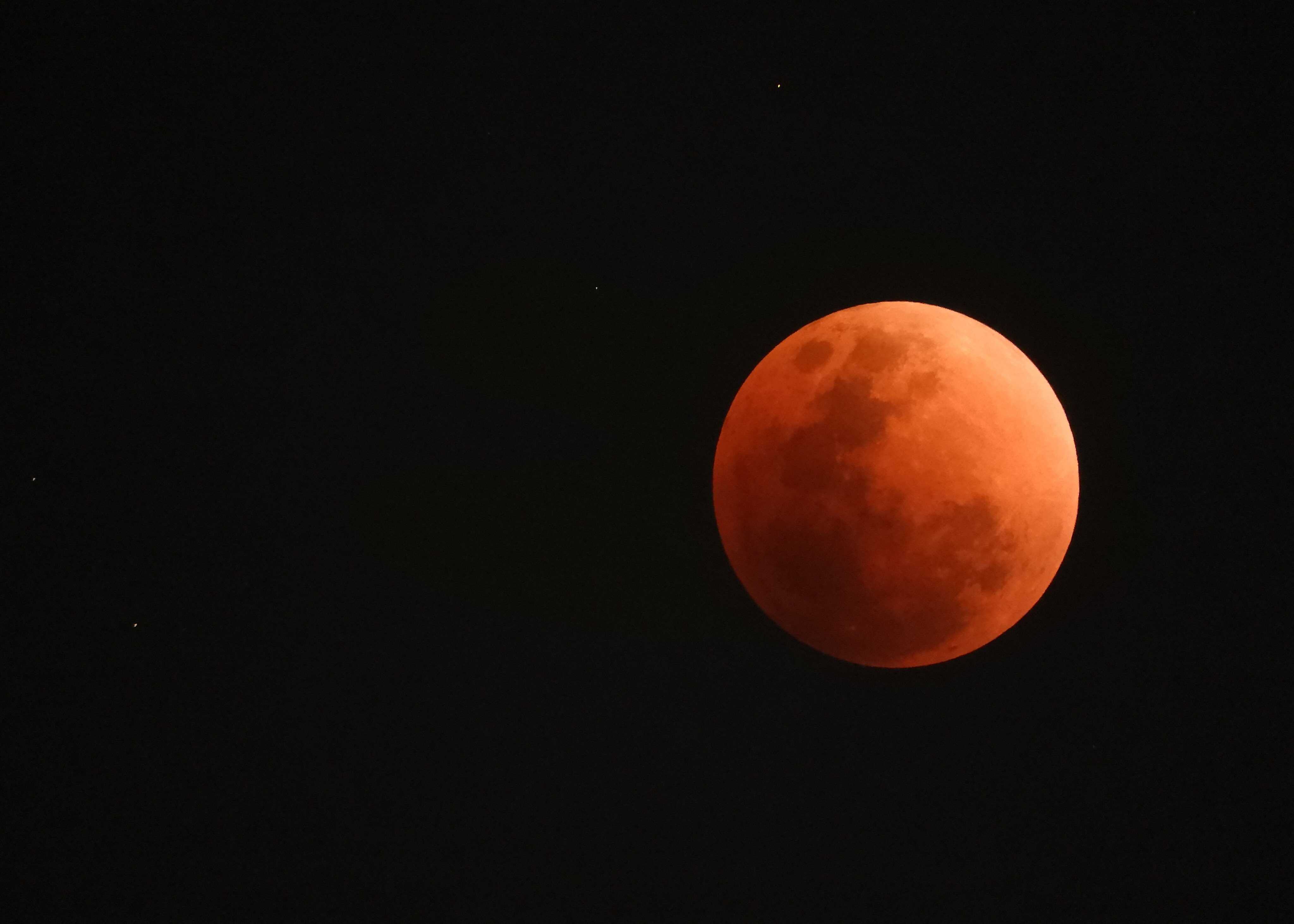
The blood moon in the night sky in Shanghai, China, on September 8. Photo: AFP

The moon appears red during lunar eclipses because the only sunlight reaching it is “reflected and scattered through the Earth’s atmosphere”, said Ryan Milligan, an astrophysicist at Queen’s University Belfast, Northern Ireland.

Blue wavelengths of light are shorter than red ones, so they are more easily dispersed as they travel through Earth’s atmosphere, he told Agence France-Presse. Longer red wavelengths pass through and reach the moon: “That’s what gives the moon its red, bloody colour.”

While special glasses or pinhole projectors are needed to safely observe solar eclipses, the moon’s reflected light is not as bright. It’s safely visible to the naked eye. All that is required to see a lunar eclipse is clear weather and being in the right spot.

The last total lunar eclipse was in March this year, while the one before that was in 2022. A rare total solar eclipse, when the moon blocks out the sun's light, will be visible in a sliver of Europe on August 12, 2026.
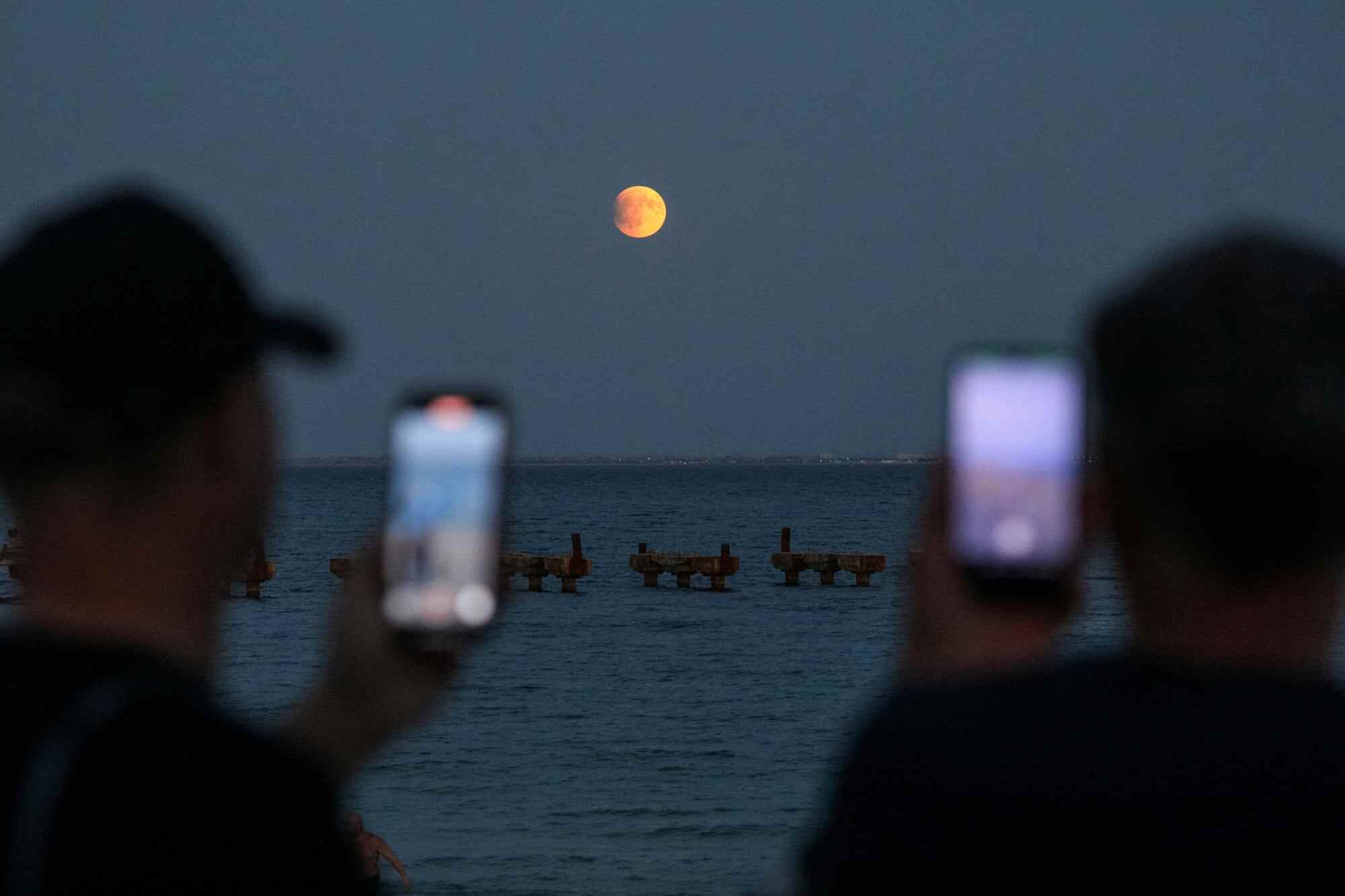
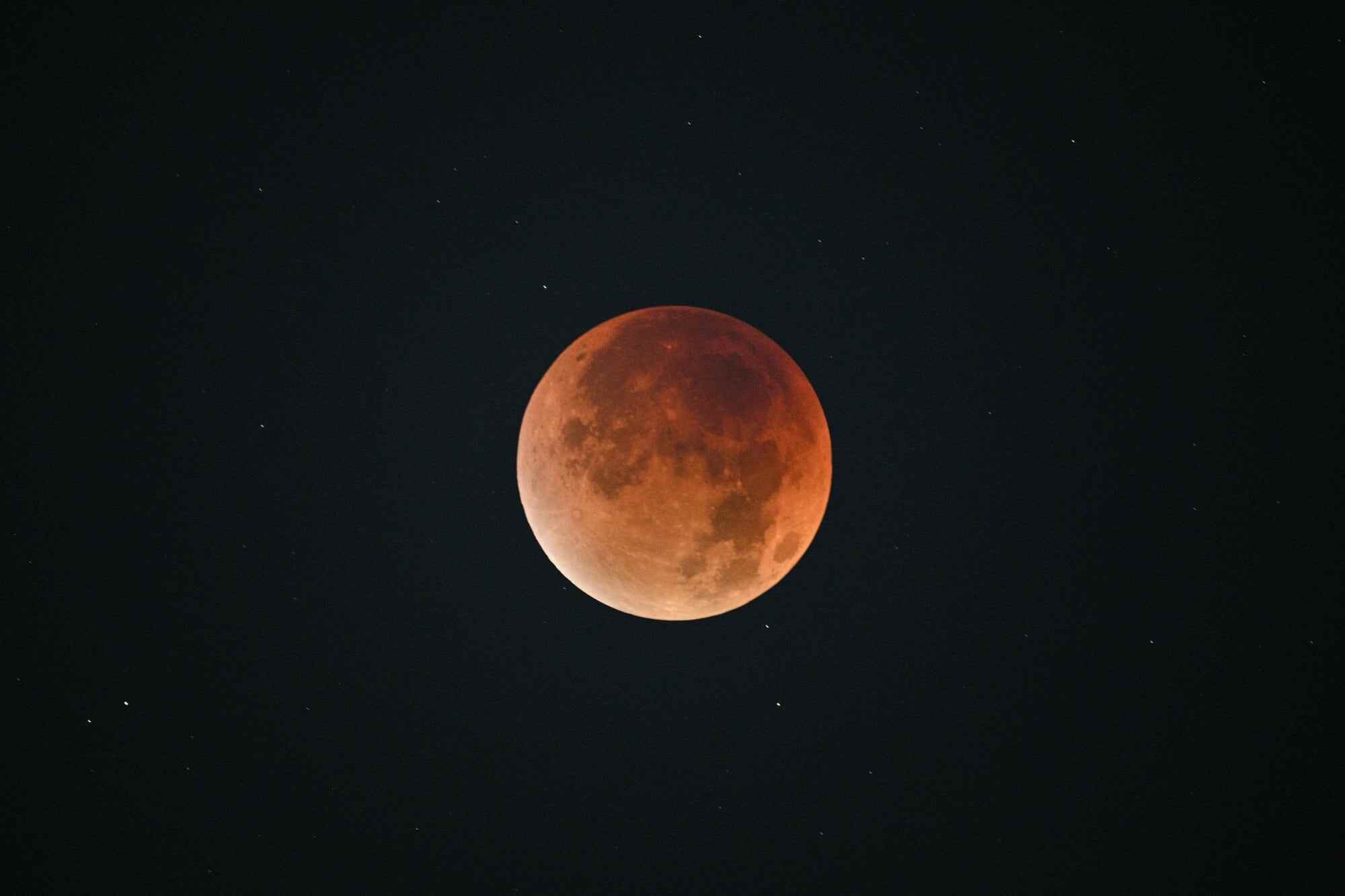
People capture the blood moon rising over the Black Sea in Yevpatoriya, Crimea. Photo: Reuters

Next year’s totality – the first in mainland Europe since 2006 – will be visible only in Spain and Iceland, though other countries will be able to see a significant partial eclipse.

In Spain, the totality will be visible in a roughly 160km (100 miles) band between Madrid and Barcelona, but neither city will see the full phenomenon, Milligan said.

It will be the first total solar eclipse since one swept across North America in April 2024.
IN THIS ARTICLE
Weird news
Space
KEEP READING
cover
Hong Kong
Hong Kong to experience ‘blood moon’ during total lunar eclipse in September
24 Aug 2025
cover
Stories
Earth’s moon origins and extreme temperatures revealed
06 May 2025
cover
Discover
Earth’s moon: the giant-impact hypothesis, what a lunar eclipse is and more
06 May 2025