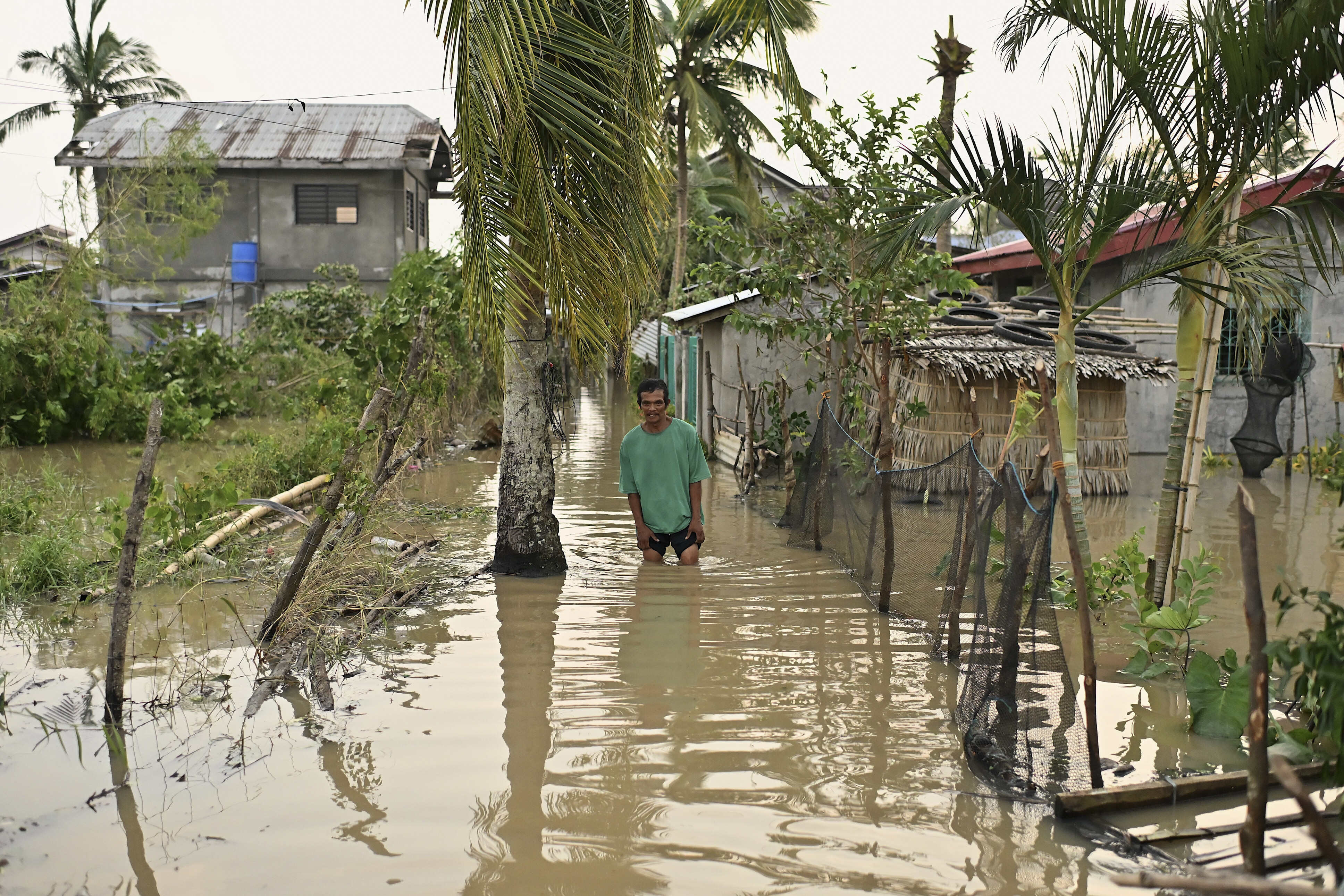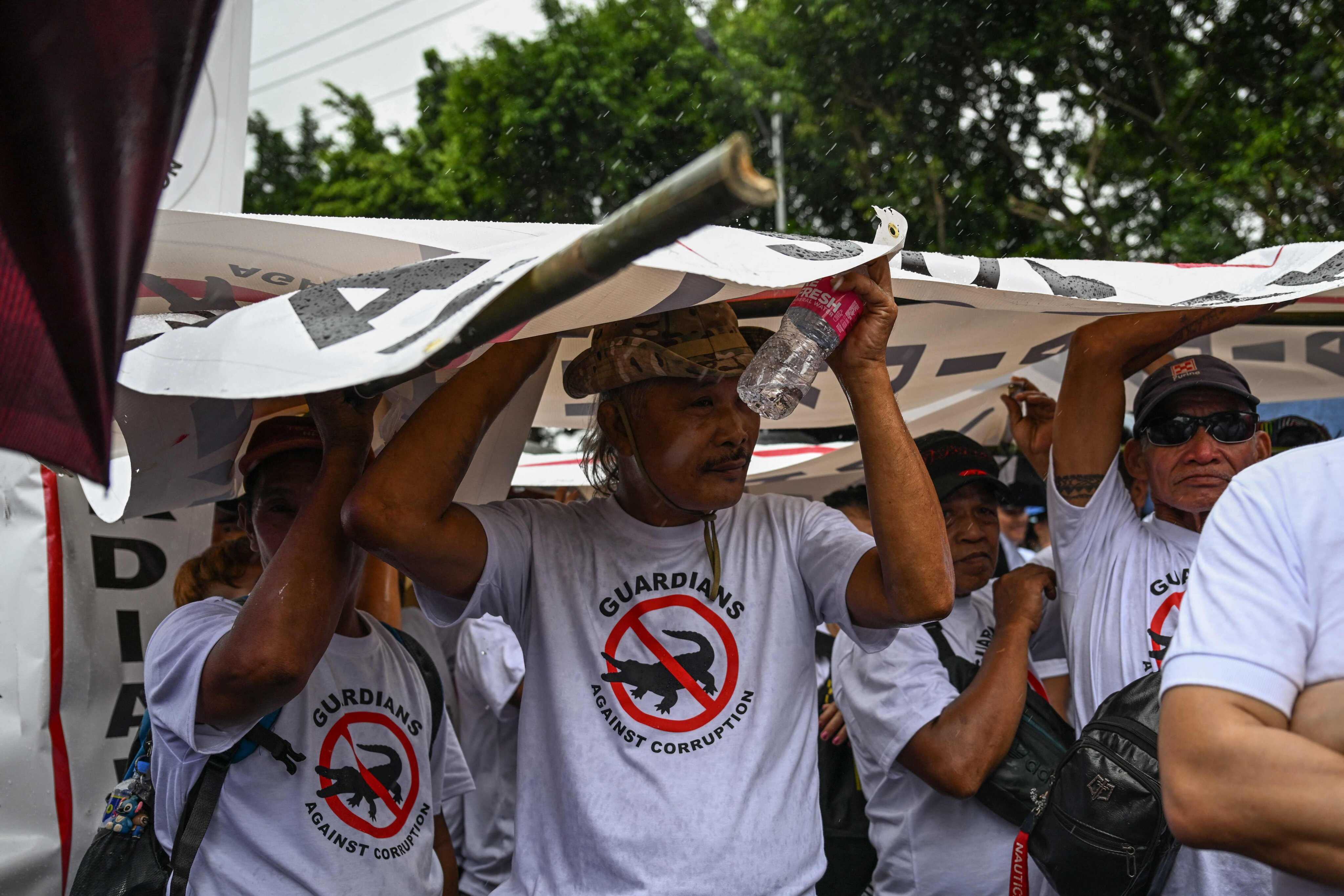
Even as Super Typhoon Ragasa approached, mass protests swept the Philippines, with citizens from all walks of life decrying deepening corruption. In particular, many have expressed outrage over the alleged misappropriation of funds from flood control projects intended to protect communities from disasters.
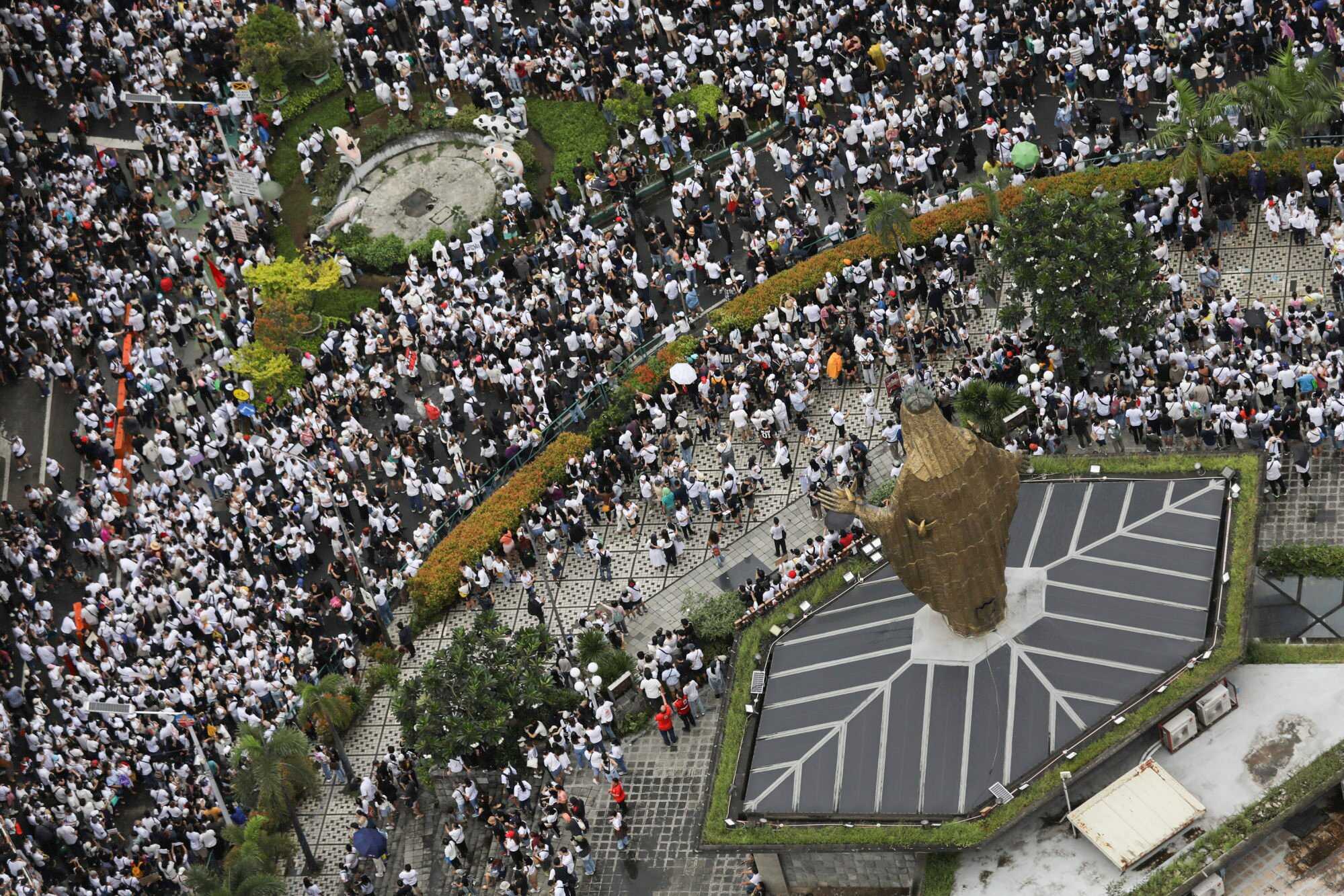
The demonstrations in cities across the country that took place on Sunday were loosely organised through social media, university groups, churches and word of mouth. It marked perhaps the country’s largest protests in years without centralised leadership.
Observers said their spontaneous and chaotic nature reflected deep discontent – but also raised the risk that things could spiral out of control. At least 61,000 people attended the protests, estimates from the Philippine National Police showed.
“This is a very dangerous and hopeful period,” Randolf David, professor emeritus of sociology at the University of the Philippines, told South China Morning Post’s This Week in Asia on Monday. He said it was “not far-fetched” to believe that the protests could ultimately lead to a change of government.
Public anger has surged since August amid revelations of “ghost” flood-control projects and irregularities in infrastructure spending. Lawmakers uncovered over 545 billion Philippine pesos (US$9.5 billion) in contracts since 2022 – the start of President Ferdinand Marcos Jnr’s presidency – tied to substandard, undocumented or entirely unbuilt projects.
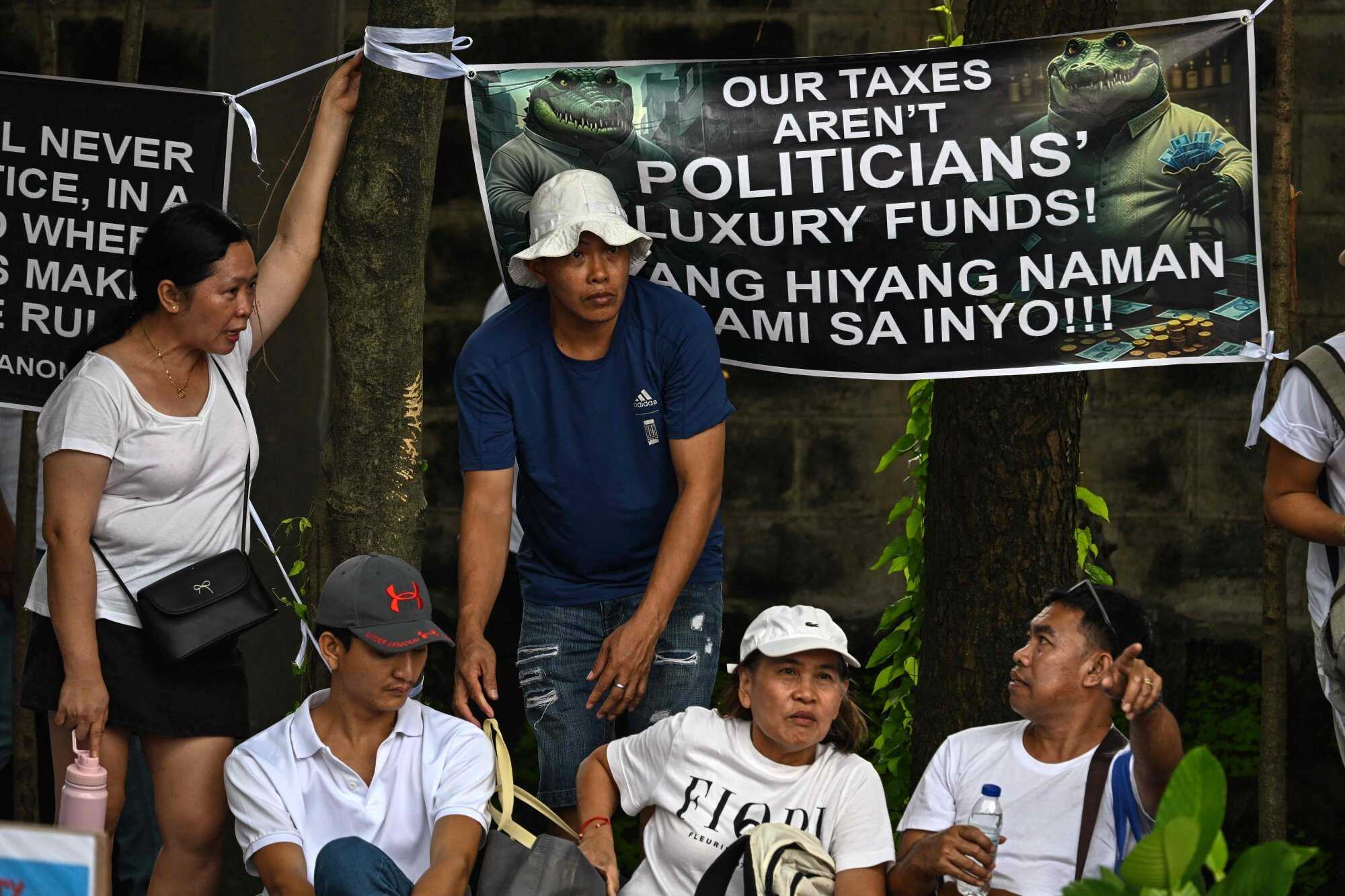
Critics also flagged the concentration of deals among politically connected firms and the use of “congressional insertions” – discretionary budget allocations quietly added by legislators – to steer funds to favoured contractors. The disclosures have fuelled widespread outrage, especially as the country braced itself for worsening floods.
David, who attended the demonstrations with his 24-year-old granddaughter, said he was struck by the mix of generations there as well as the absence of formal leadership. He described an atmosphere that recalled the build-up to the 1986 People Power revolution that ousted Ferdinand Marcos – the father of the current president – after mass protests against corruption and authoritarian rule.
He joined crowds both at Luneta Park in Manila and at the People Power Monument along Edsa highway – the same route where the 1986 uprising toppled Marcos Snr – and observed what he described as a spontaneous, combustible atmosphere that could easily tip into mob violence.
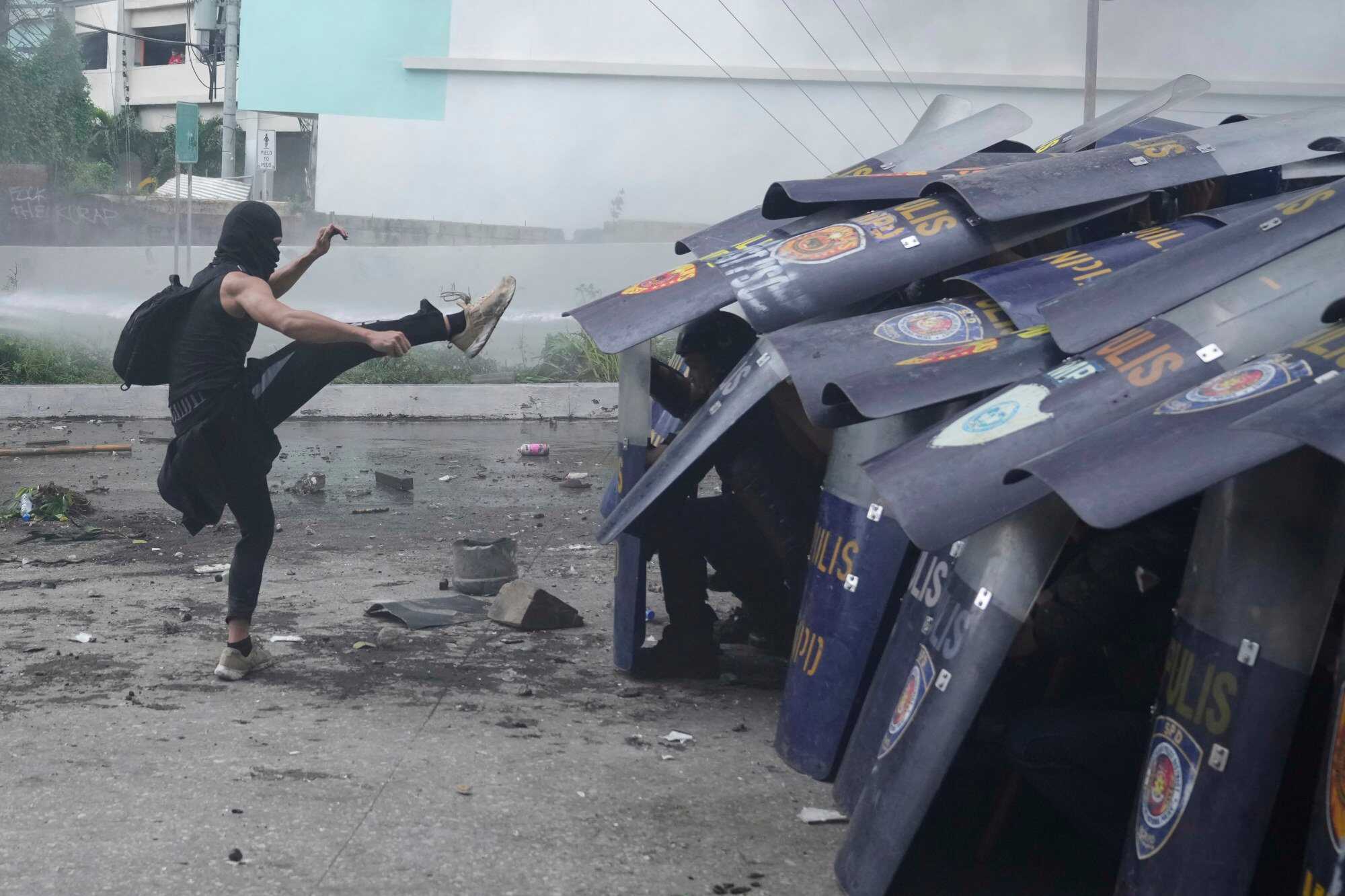
That fear appeared to have partially materialised. While most of the protests remained peaceful, Catholic Church-run outlet UCAN News reported that more than 200 people – many of them minors and masked adults – were arrested after attempting to storm the gates of the presidential palace.
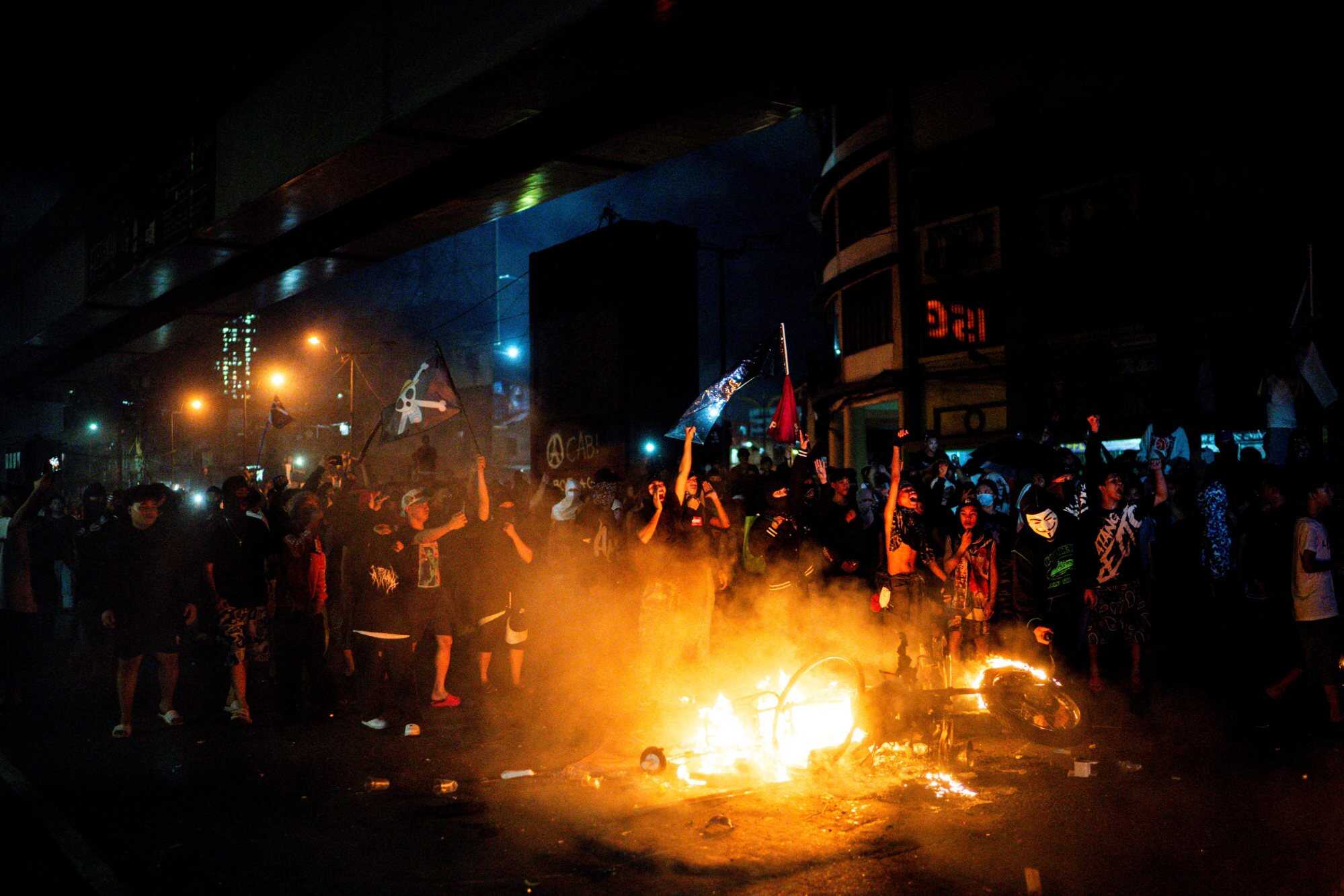
When the crowd failed to break through, some protesters reportedly turned their anger on a nearby hotel, smashing its glass facade, torching parked vehicles and ransacking parts of the premises.
David said he did not know who the instigators were, but his 24-year-old granddaughter had grown increasingly distressed by the violence.
“There was burning and one hotel’s front glass was smashed,” she told him, adding that hotel staff “feared for their lives because the mob that invaded had taken some of their money and personal belongings”.
She was also shaken by reports of clashes near Recto Street, close to the presidential complex, because she had heard that some of her friends’ acquaintances were in the area.
Other protesters who spoke with This Week in Asia expressed a mix of moral outrage and personal grievance when asked why they joined the demonstrations.
Among them was Lani Bastillo, who grew visibly emotional as she spoke of her outrage over the scale of corruption. Her son, Rafael, 25, a researcher, also condemned what he saw as systemic greed.
“It angers me that a lot of people are in pain, a lot of people are suffering just because a few people want to have a better life. But the better life is at the cost of everyone else. That’s not right and that’s not how I was raised,” he said.
Vlogger JC Samonte, a 17-year-old high school senior and youth council member in flood-prone Malabon City, said he joined the rally because “the money of the people for flood control projects was being stolen”.
Julia, a 33-year-old psychologist, teared up when she angrily told This Week in Asia that both President Marcos and Vice-President Sara Duterte-Carpio should resign, as well as “all congressmen with a history of plunder because if you just remove one corrupt and replace it with another corrupt, nothing will change”.
Taxi driver Willie Derecho, 58, agreed the president “should be removed”, arguing Marcos had refused to return the wealth allegedly stolen by his parents.
To illustrate how bad the economy had become, he added: “You can no longer buy galunggong (a fish traditionally seen as the poor man’s fare) because it’s too expensive.”
Aling Ising, 73, from a low-income neighbourhood in Manila, held up a sign demanding “Marcos resign”, calling for him to be replaced by Duterte-Carpio. She appeared close to tears when asked why she had joined the protest.
Even members of the country’s elite took part, including Philippine Stock Exchange president Ramon Monzon and chief operating officer Roel Refran, who joined the rally with staff – all clad in white T-shirts.