This story has been made freely available as a public service to our readers. Please consider supporting Young Post and SCMP’s journalism by subscribing.
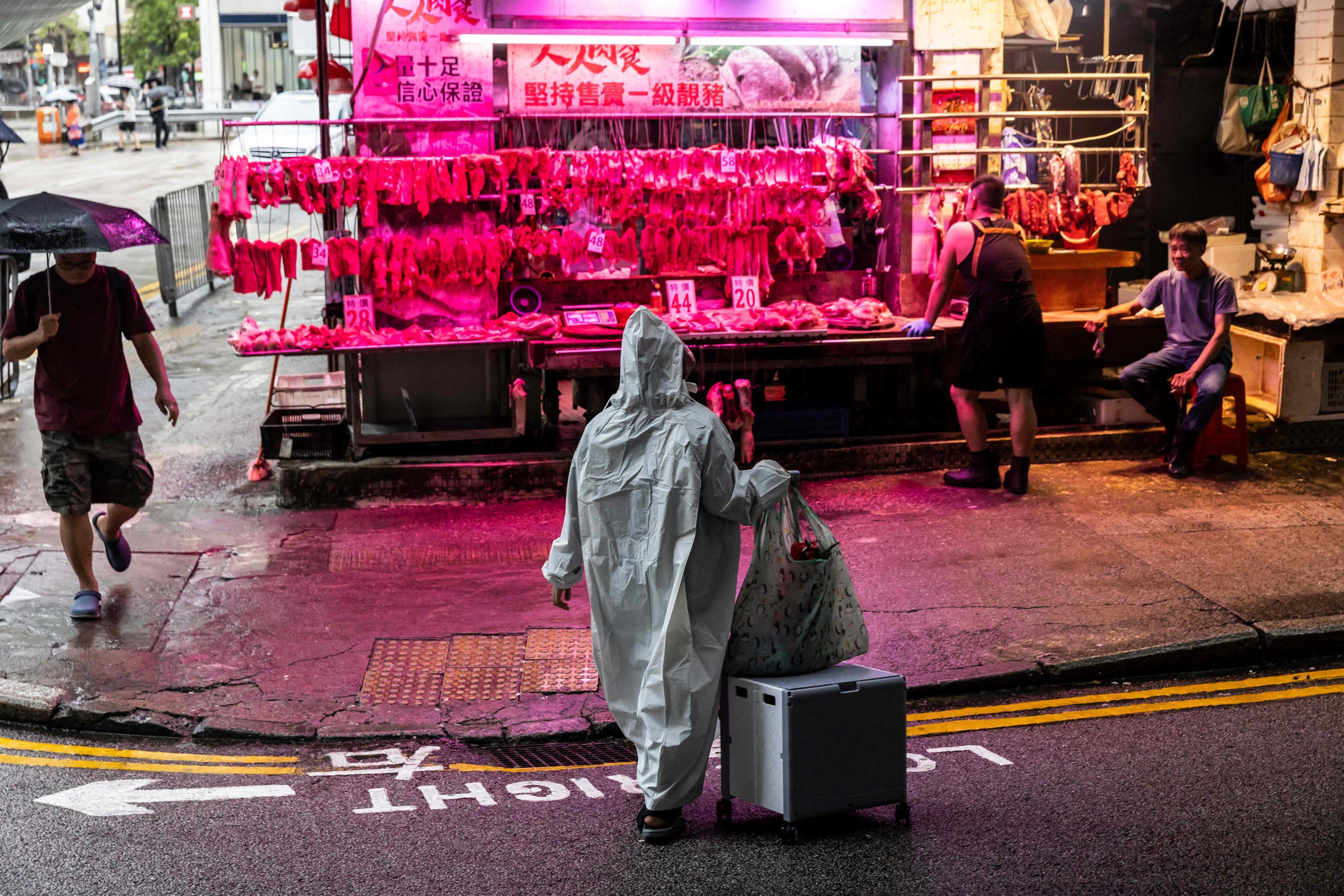
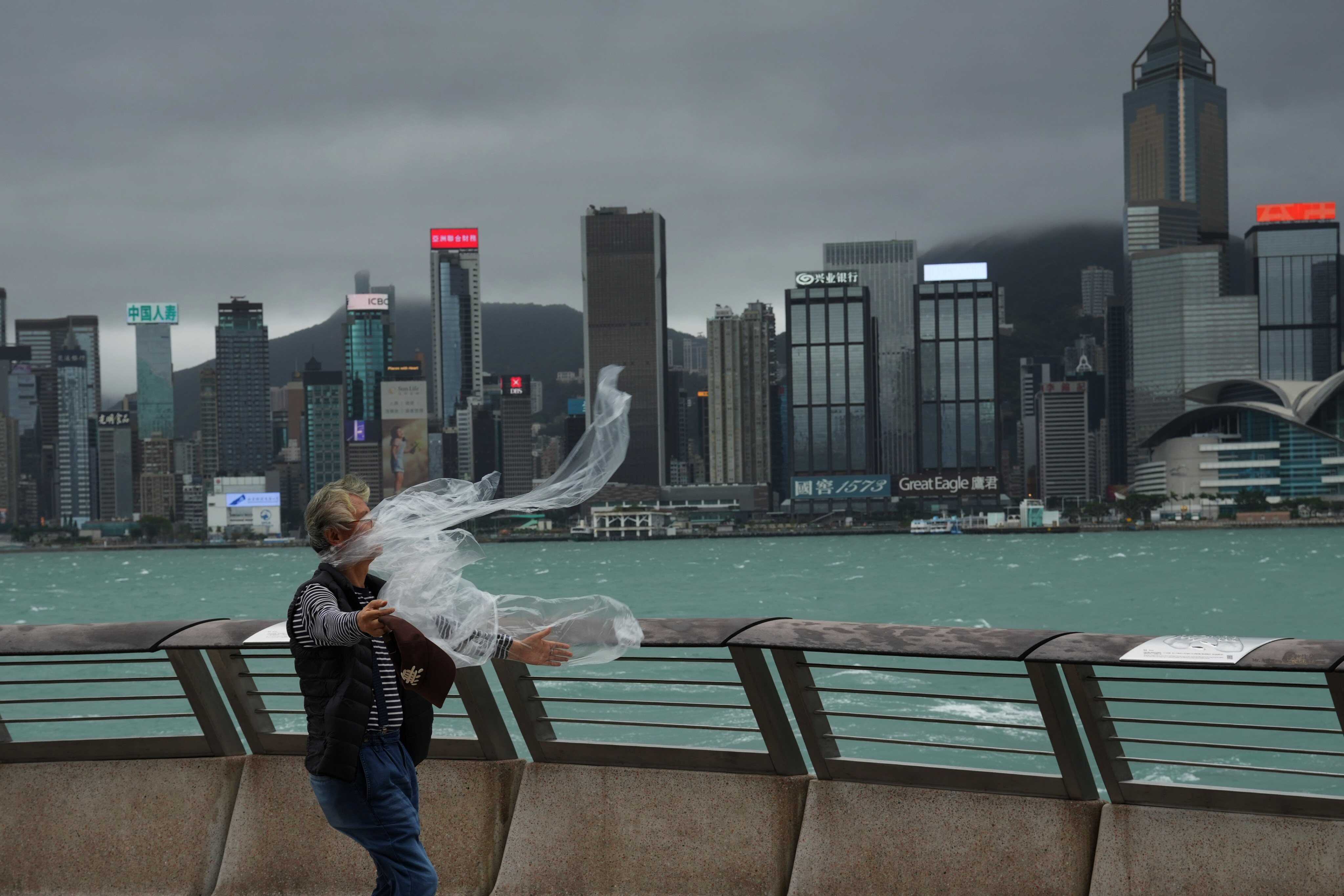
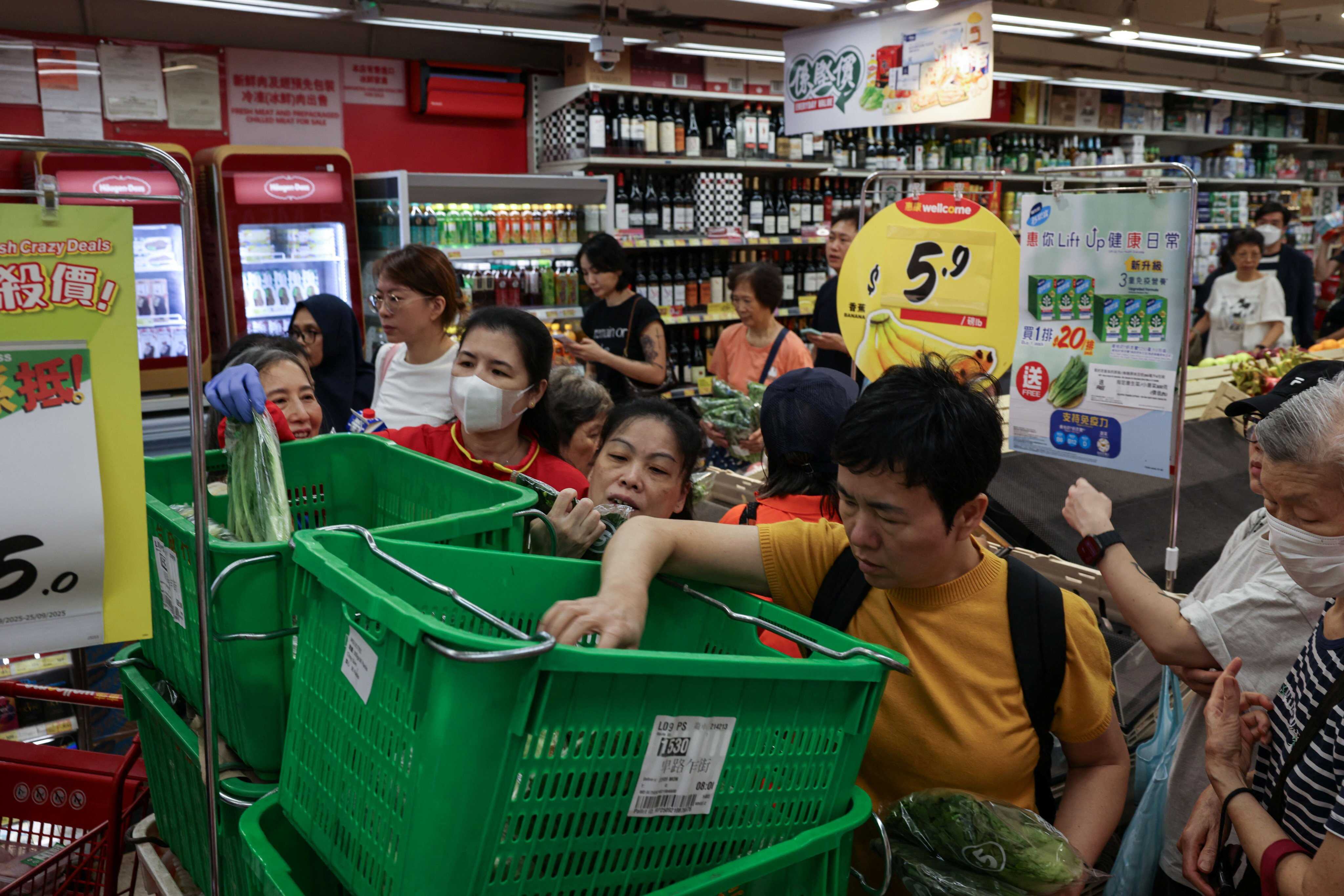
Hong Kong is bracing for “serious threats” posed by the looming Super Typhoon Ragasa, which is expected to bring hurricane-force winds with speeds of up to 220km/h (137mph) in the coming days, potentially breaking a record set during Saola in 2023.
The Hong Kong Observatory raised the No 1 typhoon warning signal at 12.20pm on Monday. Education authorities said they would announce arrangements on Monday for school attendance the following day.
The Hong Kong Jockey Club has cancelled Wednesday’s horse racing meeting because of the looming storm. It also called off the last two races at Sha Tin on Sunday because of deteriorating track conditions as a result of downpours from the remnants of Tropical Storm Mitag, which triggered a more than eight-hour amber rainstorm warning before it was cancelled at 5.30pm.
The club said Tuesday’s Mark Six lottery draw would also be postponed to Thursday.
The city’s weather forecaster warned that Ragasa – named after a Filipino word meaning rapid or fast motion – would move towards the vicinity of the Luzon Strait and continue to intensify over the next two days. The storm will edge closer to the coast of Guangdong on Tuesday.
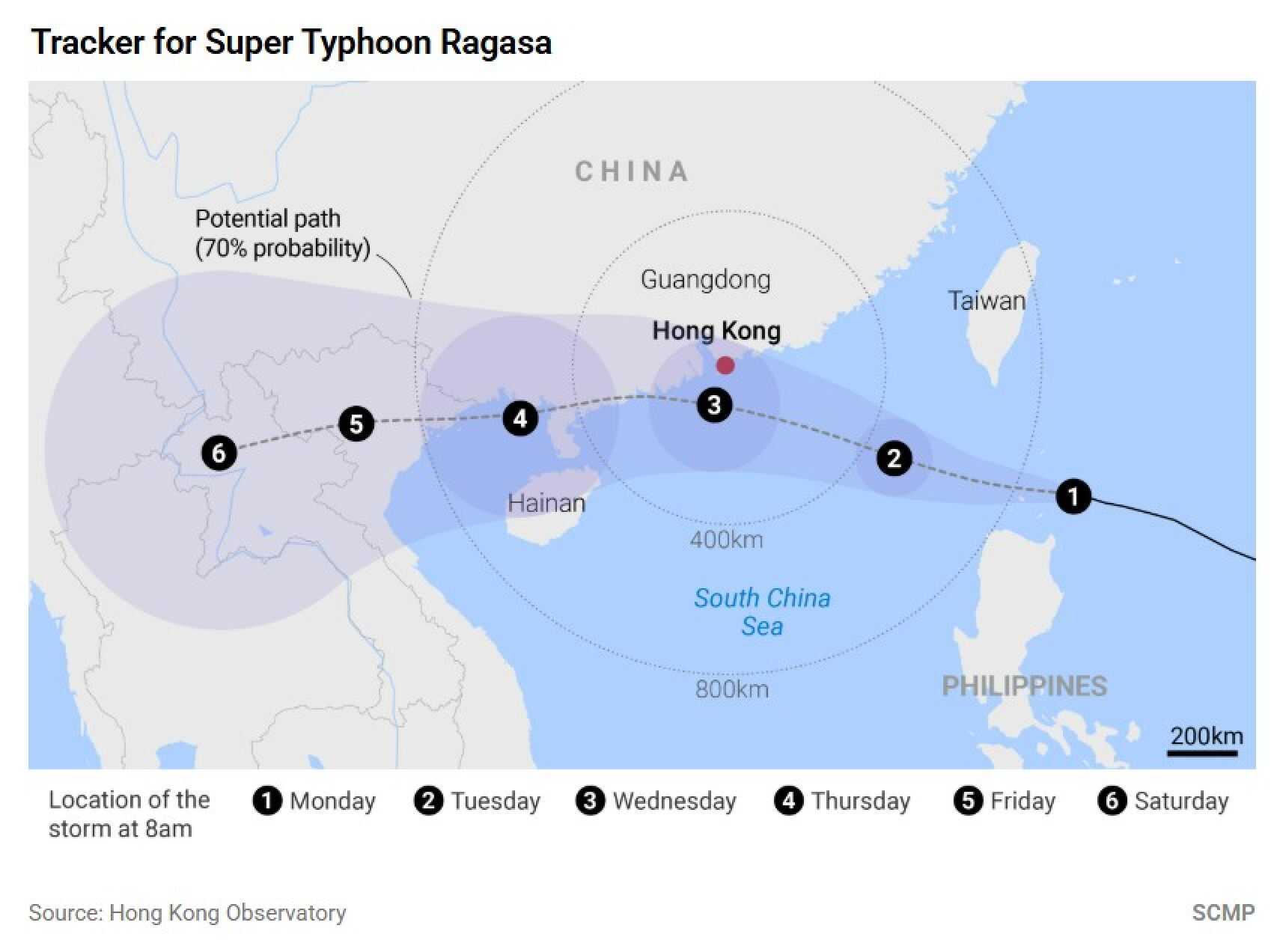
“Ragasa has extensive circulation,” the observatory said. “Gale to storm-force winds will prevail on Wednesday, and winds may reach hurricane force offshore and on high ground.”
Hurricane-force winds refer to winds that maintain a speed of at least 118 km/h. The Observatory will raise its highest No 10 typhoon signal when hurricane-force winds are expected to affect the city.
According to the Observatory’s storm tracker, wind speeds may reach 220km/h on Tuesday as Ragasa approaches the city. That would break the record set in 2023 by Super Typhoon Saola, which had maximum sustained wind speeds of 210km/h.
It would also exceed the 185km/h maximum sustained wind speeds of super typhoons Hato and Mangkhut, which hit the city in 2017 and 2018, respectively.
Mangkhut, one of the most devastating storms to hit the city, brought maximum gusts reaching 256km/h when it made landfall in Guangdong in mainland China.
Sustained wind speeds are defined as the average speed measured over a 10-minute period, whereas a gust refers to the instantaneous wind speed.
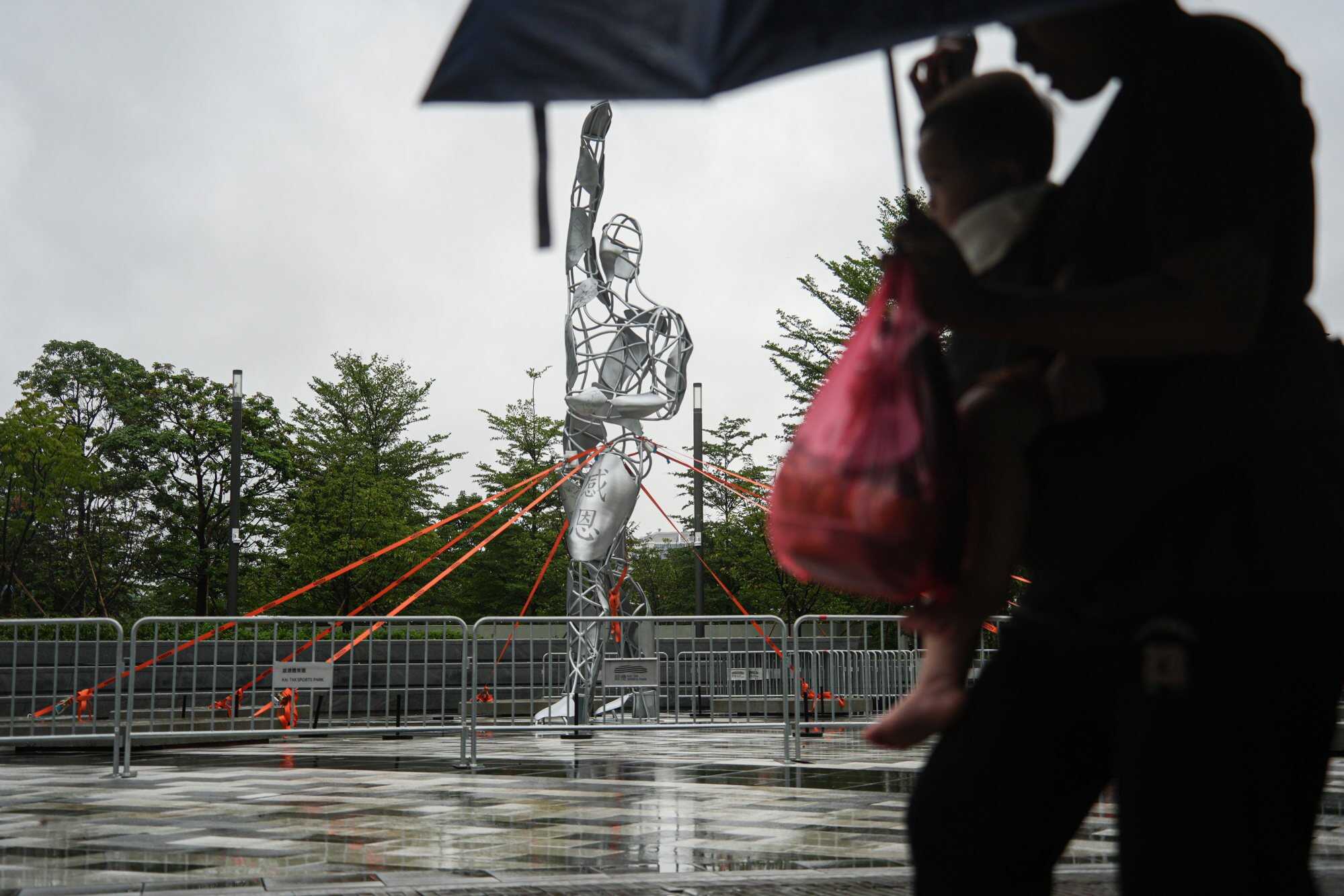
Chief Secretary Eric Chan Kwok-ki chaired a cross-departmental meeting attended by other top officials to prepare adequate measures for “serious threats” posed to the city, the government said.
It said the Drainage Services Department had completed inspections and clearance work at about 240 locations and had increased the number of emergency response teams from 20 to 200.
More than double the usual number of sandbags were distributed in low-lying areas and those with higher flooding risks, it said.
The Highways Department also said that it had briefed staff and implemented a number of measures, including inspecting public roads that were prone to flooding.
The city’s two electricity firms, CLP Power and HK Electric, both said they had implemented measures to ensure a stable supply, including inspecting power stations and making flood prevention arrangements.
The Airport Authority, which operates Hong Kong airport, said that it had started preparing for the storm, covering areas such as apron safety and flight operations. It added that it was maintaining close communication with government departments, airlines and other operators in the sector on implementing contingency measures.
Rail giant the MTR Corporation said station and railway maintenance staff were gearing up for Ragasa, with anti-flooding equipment being inspected again and drainage systems and ditches being checked.
In Macau, authorities urged all residents and businesses to prepare ahead of the storm’s expected landfall in the middle of the week, including stocking up on emergency supplies and securing doors and windows.
“Prepare appropriate and necessary emergency supplies in advance, including dry food, drinking water, medicine, first aid kits, flashlights, spare batteries, candles, lighters and power banks, to prepare for possible emergencies,” it said.
Macau’s judiciary police said that they had dispatched an evacuation team to conduct inspections and hand out leaflets to residents and businesses in low-lying areas that could be affected by storm surges.
The Observatory earlier said that Ragasa’s accompanying storm surges might raise sea levels over coastal areas to those of Hato and Mangkhut.
The severe storm surge induced by Mangkhut raised the sea level in Hong Kong generally by more than two metres (6.6 feet), the forecaster said.
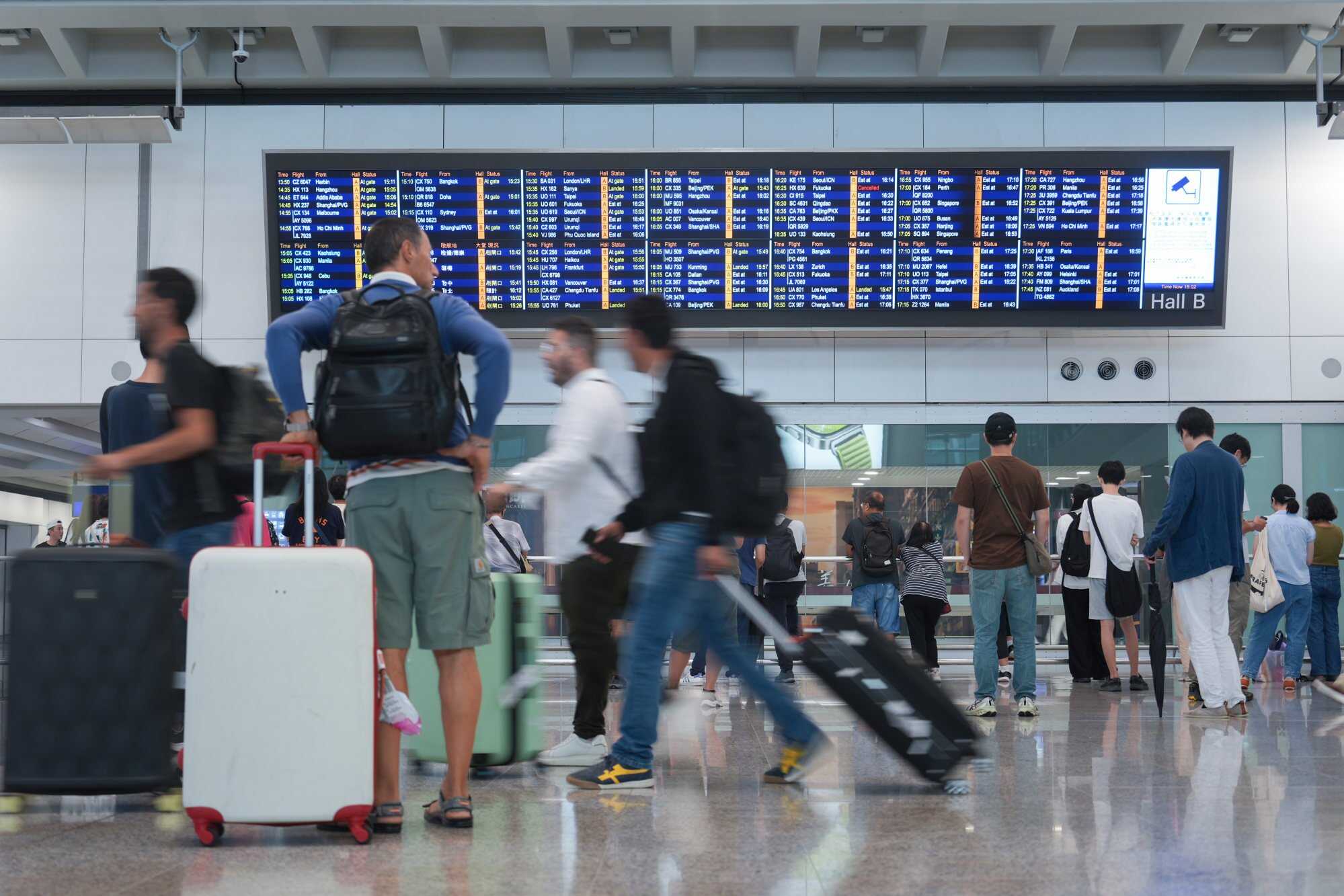
Several carriers, including Cathay Pacific Airways, Hong Kong Airlines and Greater Bay Airlines, have offered free rebooking on tickets for flights between Tuesday and Thursday.
Cathay said that it was closely monitoring the potential effects of Ragasa and urged passengers to check the status of their flights before heading to the airport. “While our flights aren’t currently affected, this may change as the situation develops,” it said.
Yuen Chun-ning, managing director of travel agency WWKPG, said many travellers were concerned about arrangements and his company was awaiting updates from airlines.
“We all expect major disruptions to flight schedules, [including] cancellations and delays,” he said. “We just hope airlines can let us know earlier so we can plan better.”
Frederick Yip, executive director of Goldjoy Travel, also said his team was making arrangements with partner airlines to prepare for affected departures.
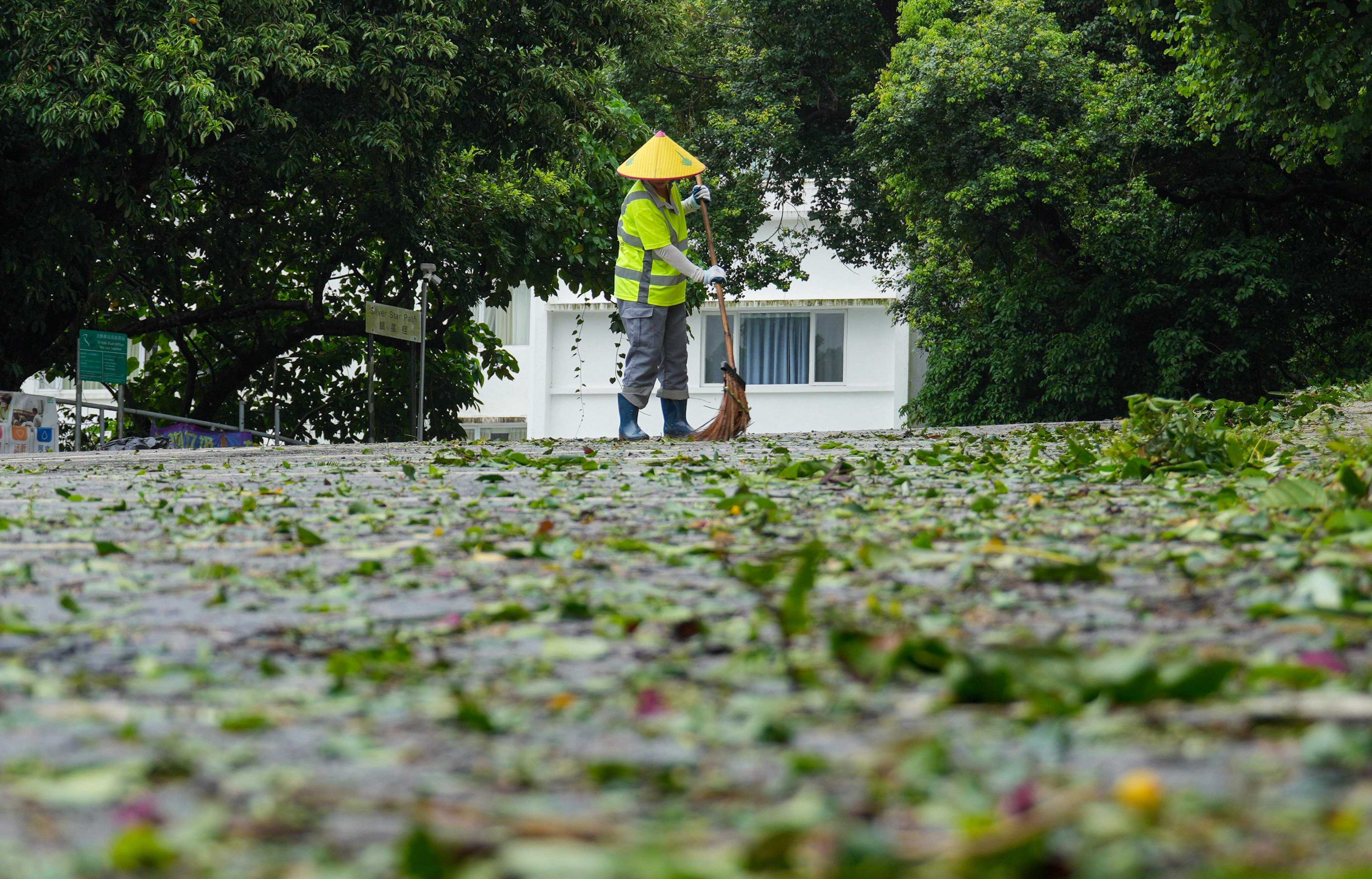
The city was battered on Sunday by rain and thunderstorms under the influence of Mitag, which triggered the No 3 typhoon signal on Friday.
The Observatory issued the amber rainstorm warning at 9.10am on Sunday. Many areas recorded downpours exceeding 30mm (1.2 inches) per hour before noon, while Tai Po was particularly hard hit with rain exceeding 70mm in the afternoon.
Red flags were raised at several beaches, including many along the south of Hong Kong Island, Sai Kung and the outlying islands. A red flag means beachgoers are advised against entering the water.