A body representing Hong Kong’s semi-private schools is considering promoting its institutions to Southeast Asian countries, with over 60 per cent of its members indicating plans to admit more non-local students.
Last month, the Direct Subsidy Scheme (DSS) Schools Council shared its enrolment strategy, noting that they are focusing on the region due to its proximity to Hong Kong. In his annual policy address, Chief Executive John Lee Ka-chiu announced that semi-private institutions could apply for additional places for students with student visas to enrol on a self-financing basis.
DSS schools expand opportunities
Dion Chen, the council chairman and principal of Ying Wa College, mentioned that the representative body is considering visiting overseas markets to promote Hong Kong’s education and to share information about schools that are part of the Direct Subsidy Scheme.
DSS schools enjoy greater flexibility in designing their curricula, student admission policies and the mediums of instruction. They can also charge tuition fees in addition to receiving government subsidies.
“During the initial implementation stage of the policy, we will focus on students from Southeast Asia as it is comparatively nearer to Hong Kong and the syllabus is similar to Hong Kong’s,” he said.
Chen mentioned that among the Southeast Asian markets, Malaysia and Indonesia present significant opportunities for the city’s semi-private schools. He stated that the new initiative would not impact local students’ chances of being admitted to these schools since the additional places provided under the government scheme would be reserved for non-local students.
Boosting cultural diversity
The scheme will not include mainland Chinese students. Hong Kong currently has 78 DSS institutions.
Chen shared a council survey indicating that over 60 per cent of participating operators expressed interest in applying for additional school places for non-local students. The council chairman anticipates that each interested school will request 20 to 30 extra places per grade under this scheme. He noted that approximately 200 non-local students were enrolled in the city’s various semi-private schools during the last academic year, with the majority following non-local curricula.
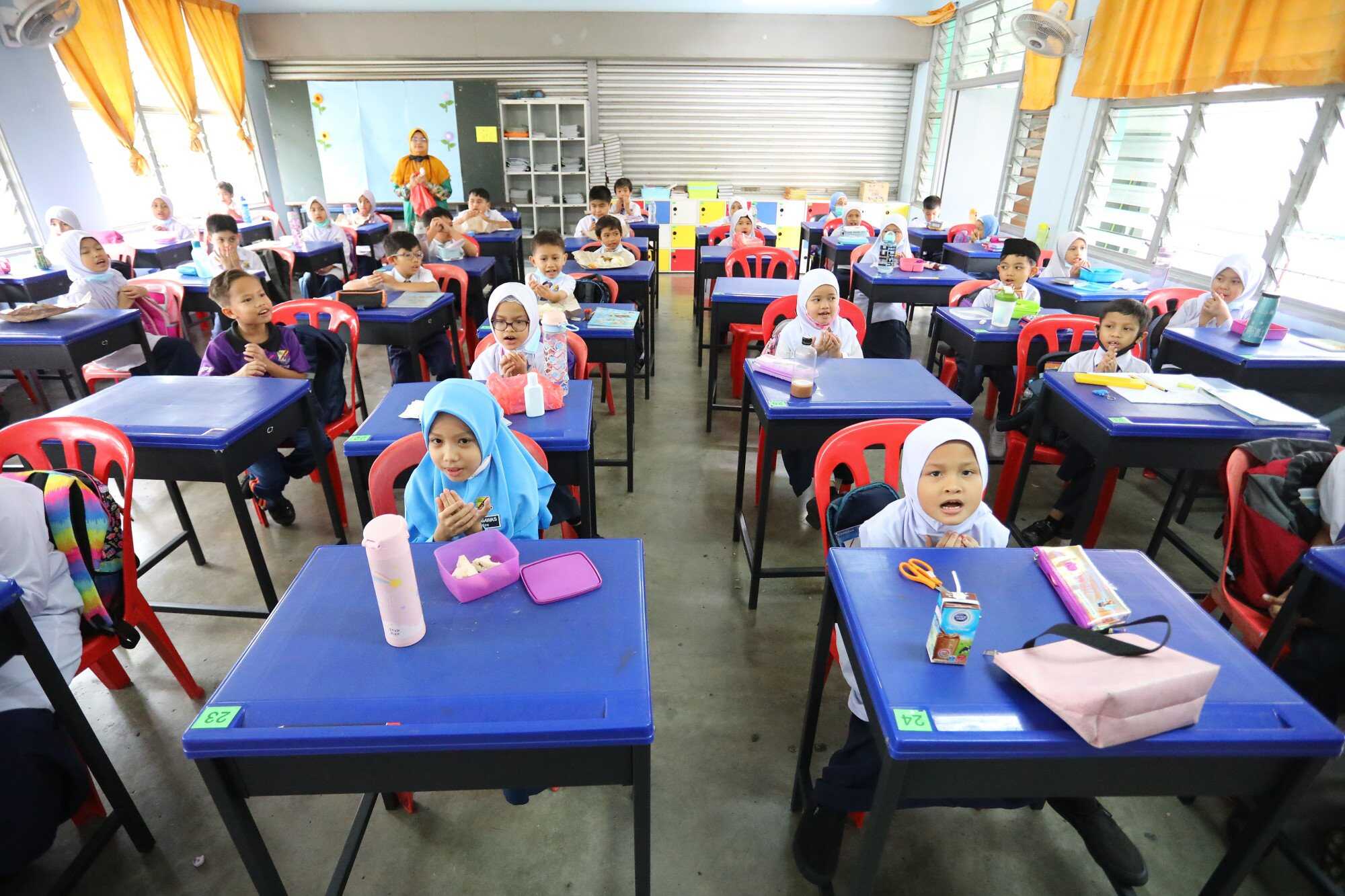
“These students are not only from Southeast Asian countries, but there are also students from Europe, the US, Australia and even Africa,” he said.
Chen stated that 12 DSS schools have their own dormitories, which can accommodate up to 1,700 students. He noted that these institutions are likely to be the first group of schools to apply for the trial scheme since they already have accommodation facilities.
Samuel Cheng Kin-tak, principal of United Christian College (Kowloon East) and a council member, said bringing in non-local students was not just about headcounts but about boosting cultural diversity.
“When international students come to Hong Kong to study, it could also internationalise our campus and widen our local students’ international horizons,” he said.
Chen stated that he had not yet received further details about the pilot scheme. The Education Bureau mentioned that it was currently communicating with DSS schools and considering industry perspectives.
“[We] will announce the application procedures and requirements in due course and encourage DSS schools that are interested to apply,” a spokeswoman said.
The council will host an education fair on November 8. More than 10,000 people are expected to attend, with 54 schools participating.