About a year ago, Fatjai* fell so far behind in school that he lost the motivation to study.
“It was so hard, and I couldn’t follow [along],” said Fatjai, who spoke to Young Post partially through a translator.
His school tried to support him, but the teen still found that he could not thrive within Hong Kong’s traditional education system and decided to drop out of school.
But that was not the end of the road for Fatjai, whose friends and family encouraged him to follow his own path.
“They told me to find the thing I wanted to do,” he said.
A social worker at his school referred him to Youth Outreach, an NGO with programmes for student dropouts.
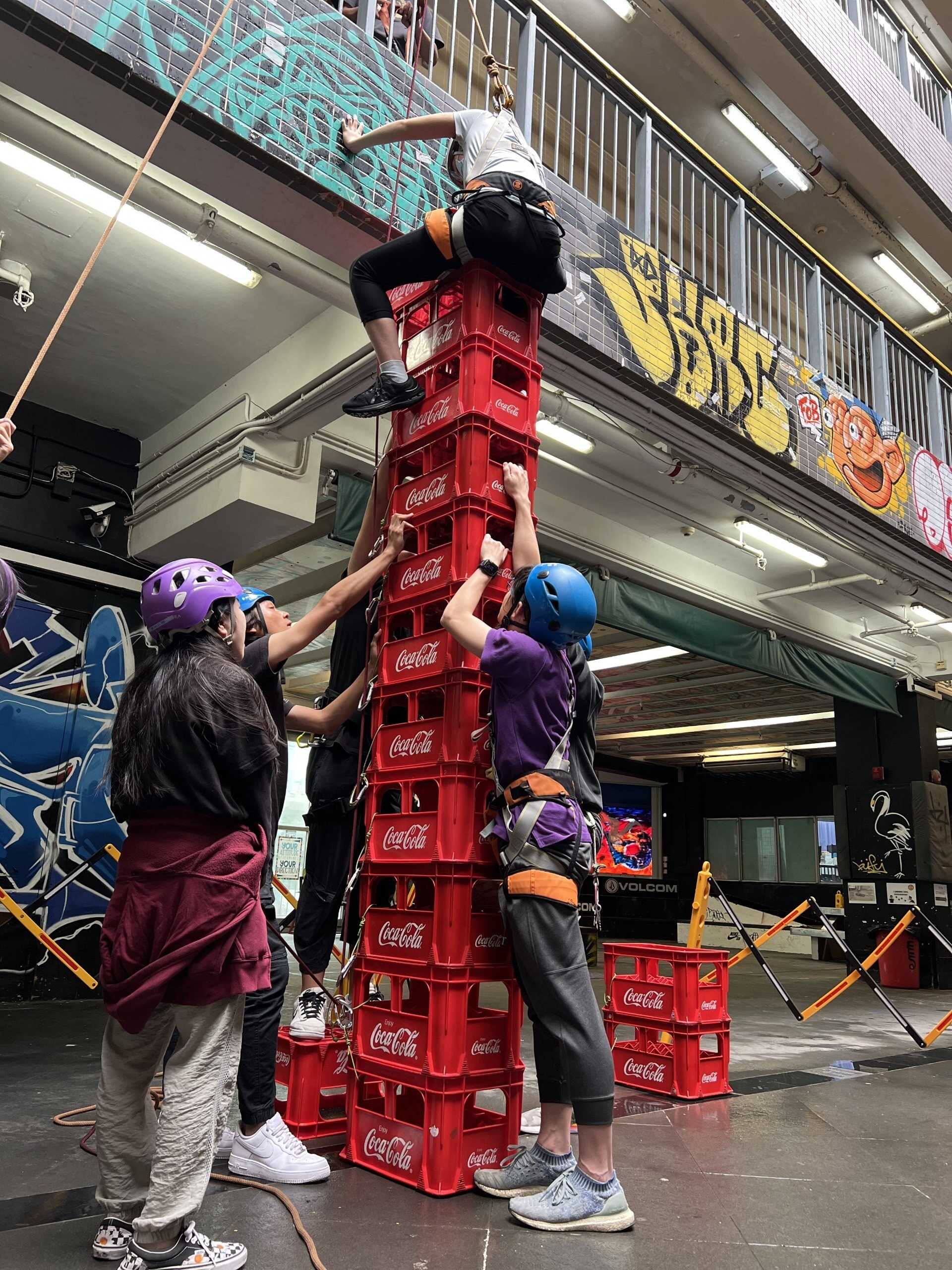
One of their services is Project Cool Teen, which equips these students with basic life skills and encourages them to explore their options.
Now 16 years old, Fatjai has finished the course and does maintenance work at the NGO, including painting the walls, repairing the roof and more.
“[Now] I think I have the opportunity to discover my dream,” he said.
A growing concern
According to a Youth Outreach report released in February, more than 200,000 Hong Kong students are at risk of dropping out of school. About 60 per cent of these at-risk pupils were younger than 15.
In the 2023-24 academic year, there were more than 5,500 chronically absent students.
In Hong Kong, education is compulsory from the ages of six to 15. Absent students and their parents could potentially face legal penalties.
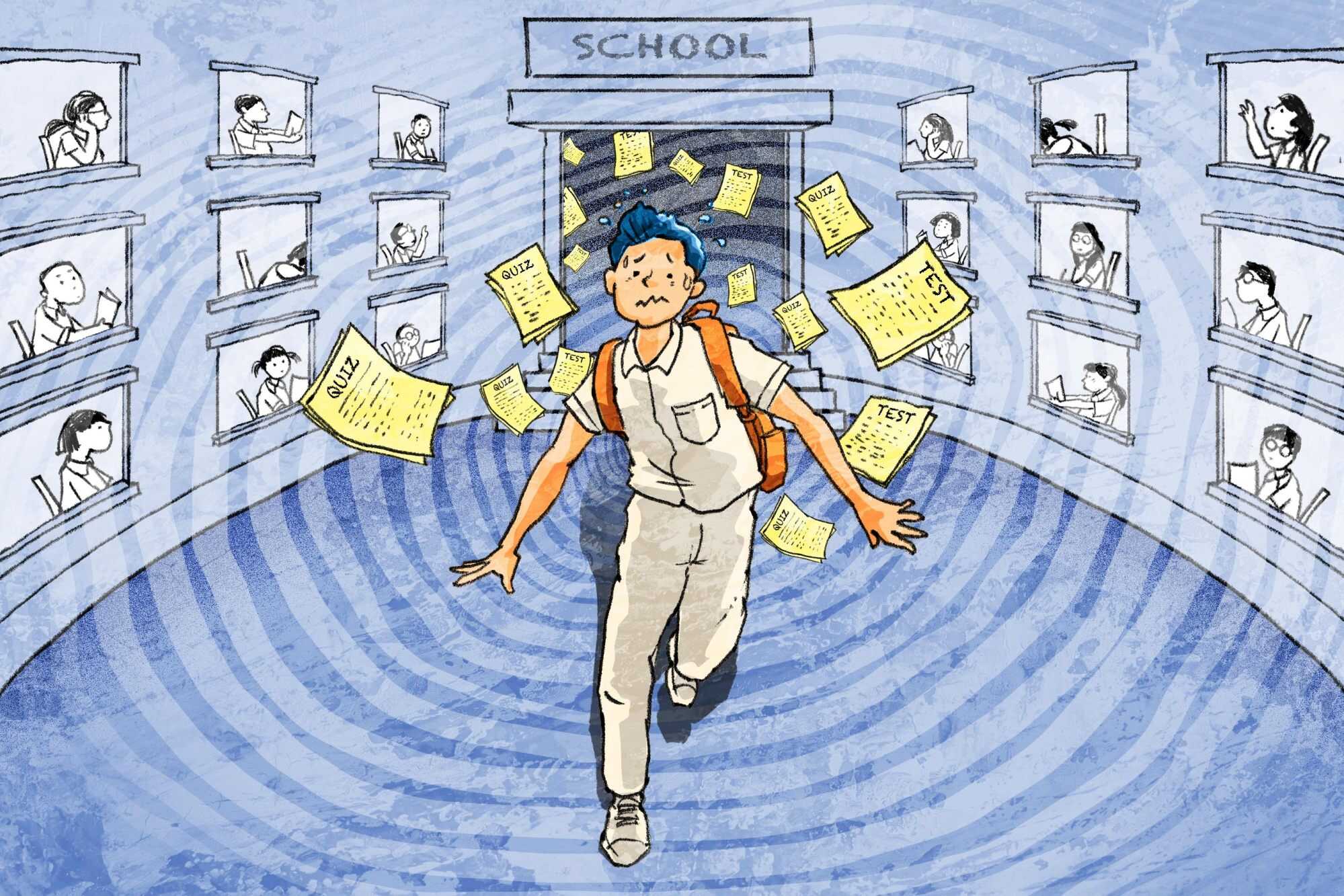
Adrianne Tsang, a project manager at Youth Outreach and a social worker, shared that student dropouts often had mental health issues and low self-esteem, which made it hard for them to keep up in Hong Kong’s competitive education system.
“When a student stops showing up to school regularly, it’s almost never because of just one thing. It’s usually a slow build-up – stress, unmet needs [and] feeling disconnected – until something finally pushes them over the edge,” Tsang explained.
“That’s why schools need to focus on prevention and long-term support. A welcoming school culture, strong relationships and early identification of problems can make a real difference.”
Tsang added that while dropping out is an individual student’s choice, it is often the consequence of other societal factors – a common one being family conflicts.
“Unresolved tension or miscommunication within the family can contribute to a student’s emotional distress, making it harder for them to stay engaged in school,” he said.
Tsang said that while schools should be the most important stakeholders in helping student dropouts, he understood that they faced limitations.
“Their efforts are limited by constrained resources and other important daily tasks,” he said.
Chu Kwok-keung, a lawmaker representing Hong Kong’s education sector and the vice chairman of the Hong Kong Federation of Education Workers, told Young Post that the city needed to address the “shortage of school counselling services”.
Chu explained that counsellors would be better equipped to address the “emotional distress related to persistent resistance or anxiety about school”.
“School refusal cases require more support from professionals to sort out students’ emotional problems, including psychological counselling, behavioural therapy and parent-child counselling,” he said.
The path forward
Canty*, who dropped out of school three years ago, had been unhappy for a long time. Not only did she feel unfairly targeted by her teachers, but she also struggled in a school system that prioritised results and scores.
“I think the focus on results is not a good thing because that pushes students so much [and adds] pressure,” Canty told Young Post through a translator.
Although Canty was sure about her decision to leave school, she still worried about her future.
“Leaving school, I became confused about my identity. What is the next step?” she said.
Canty enrolled in Project Cool Teen, which gave her a way to continue learning and helped her find purpose.
Now 17, Canty works for Youth Outreach, doing administrative tasks and working directly with other teens like herself in the NGO’s programmes.
While both Canty and Fatjai were happy with their choice to leave school, they recognised that it was not a decision to be made lightly, as it would create barriers for their future careers.
Tsang noted that some of Project Cool Teen’s graduates found other programmes or tried alternative education paths. Still, many faced challenges such as unemployment, social isolation, and mental health issues.
Ultimately, Tsang said that students at risk of dropping out of school needed more than a few policy adjustments.
“It requires deeper, systemic change. We need to ask: Do students feel hopeful about life after graduation? Does the curriculum speak to their future?” he explained.
“These challenges often reflect bigger issues in society. I just hope that one day, we’ll give this problem the attention it truly deserves.”
*Surname withheld at interviewee’s request.