Amid the diplomatic tensions between Tokyo and Beijing, an accountant from Hunan, Echo He, expressed relief that she had chosen Southeast Asia for her year-end trip instead of the popular choice, Japan.
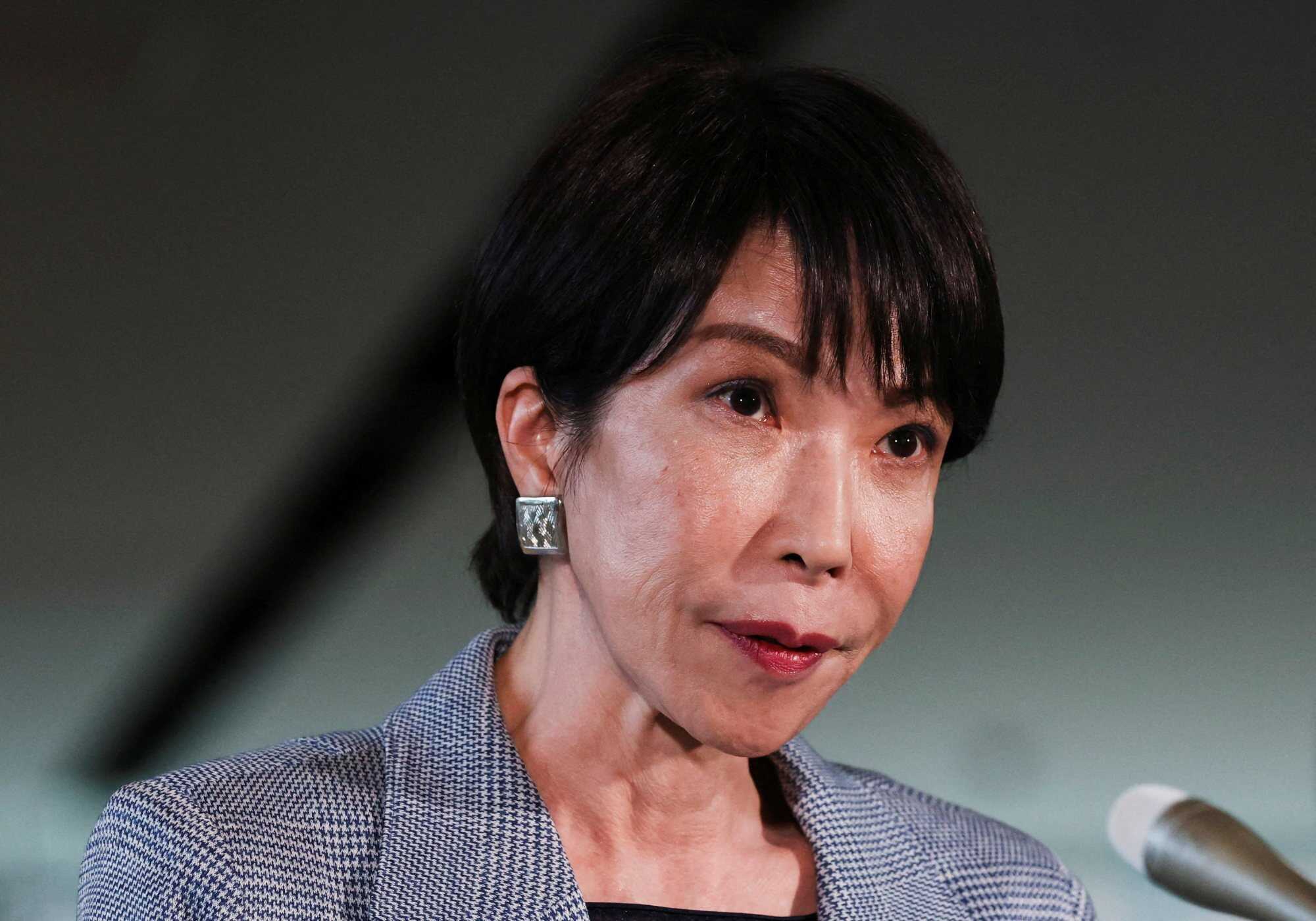
Tensions between Japan and China escalated on November 7, when the Japanese Prime Minister Sanae Takaichi suggested that Japan might deploy its military if a conflict were to break out in the Taiwan Strait. This angered Beijing, which views Taiwan as part of China.
In response, on November 17, China’s foreign affairs ministry and the Chinese embassy in Japan issued a warning to Chinese citizens against travelling to Japan in the near future, citing “significant risks to the personal safety and lives of Chinese citizens in Japan”.
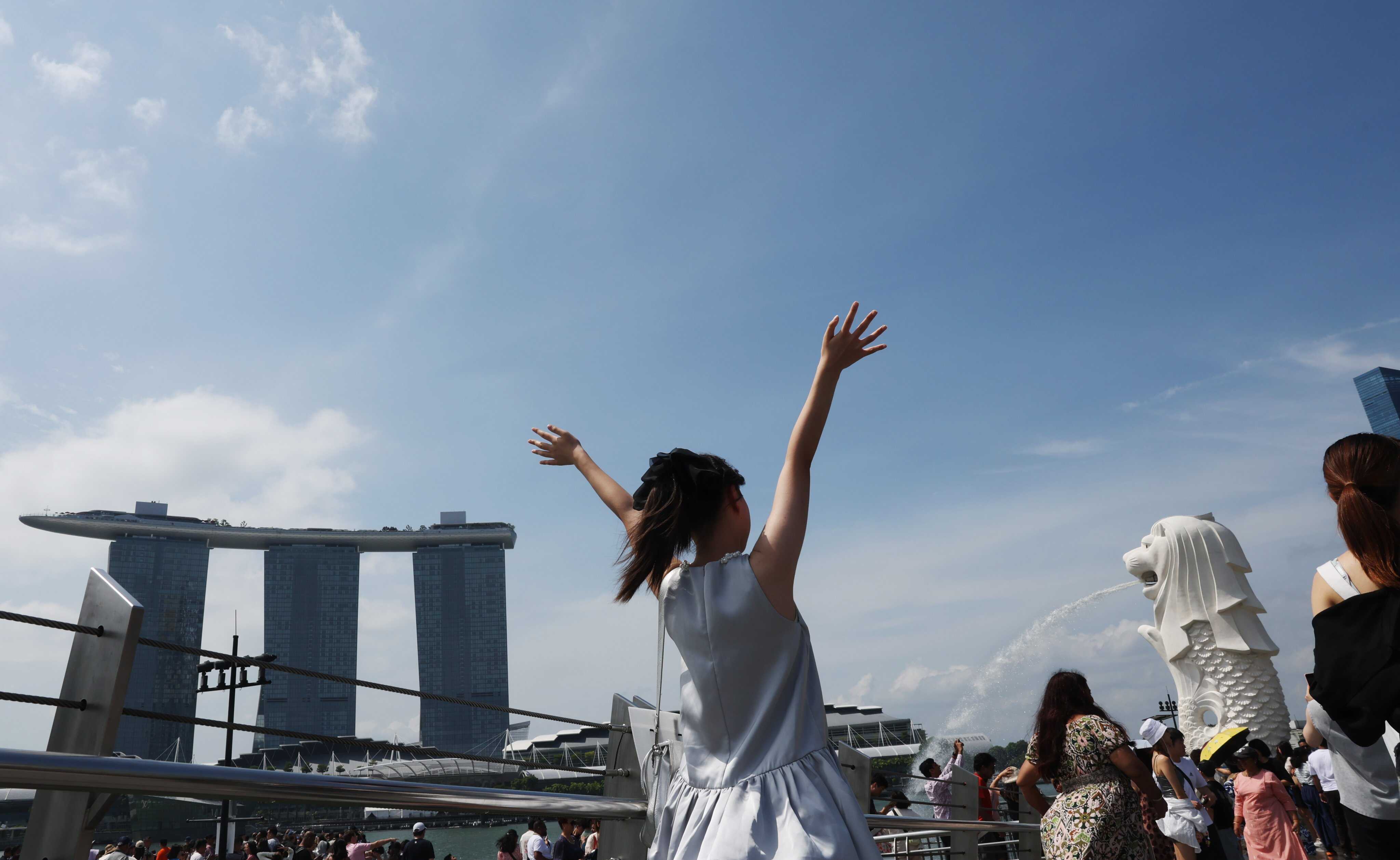
The accountant told reporters that she had booked a two-day trip to Singapore before the boycott began. She chose Singapore because she had heard it was easy to navigate as a Mandarin speaker.
“People are now a little nervous about going to Japan; there might be some unfriendliness towards us. But Singapore is easy and comfortable,” said He, who was headed to Malaysia after her Singapore trip.
Most Chinese tourists interviewed in Singapore had booked their trips before the recent diplomatic rift; however, some indicated a preference for Southeast Asia due to the boycott.
Within 24 hours of Beijing’s warning, three Chinese airlines started offering refunds for bookings to Japanese cities. A week later, the number of airlines adopting this policy had increased to ten. Data from the Chinese travel platform Qunar indicated that during the weekend of November 15, South Korea became the most popular overseas destination for Chinese tourists, overtaking Japan, which had previously held the top position.
Subramania Bhatt, chief executive of the travel marketing and technology firm China Trading Desk, said new bookings from China to Southeast Asia, namely Singapore, Thailand, Malaysia and Vietnam, were running at about 15 to 20 per cent above their average weekly level from August to September.
For Singapore specifically, the company was seeing about 20 to 25 per cent more bookings in the weeks since the Japan advisory than in the same weeks of November and December last year.
In the weeks that have followed, Takaichi has sought to dial down tensions between the two countries, telling the Japanese parliament last week that “the Japanese government’s basic position regarding Taiwan remains as stated in the 1972 Japan-China Joint Communique.”
According to the communique, “the government of the People’s Republic of China reiterates that Taiwan is an inalienable part of the territory of the People’s Republic of China” and the Japanese government “fully understands and respects this stand”.