For years, Nepal’s government has faced pressure to reduce rubbish in the Himalayas, where decades of commercial mountaineering have left large amounts of discarded gear, human waste and other debris on some of the world’s tallest peaks.
Last week, the authorities in Kathmandu finally took firm action. They approved a landmark five-year plan to clean up Nepal’s mountains, seeking to curb waste through stricter monitoring and limiting the number of climbers on Mount Everest, the world’s highest peak.
“There was an absence of a unified document that clearly defined the responsibilities of several stakeholders who are involved and how to tackle the problem,” said Jayanarayan Acharya, spokesman of the Ministry of Culture, Tourism and Civil Aviation, tasked with implementing the plan.
Since Nepal’s Tenzing Norgay Sherpa and New Zealander Sir Edmund Hillary first climbed Mount Everest in 1953, there have been more than 13,000 successful climbs to its peak. The mountain’s popularity has created human traffic jams and a growing garbage problem, raising alarms about the long-term health of the Himalayas.
The waste issue drew worldwide attention after Japanese climber Ken Noguchi organised the first major clean-up campaign in the Everest region between 2000 and 2007. His team removed about 9,000kg (19,800 pounds) of waste.
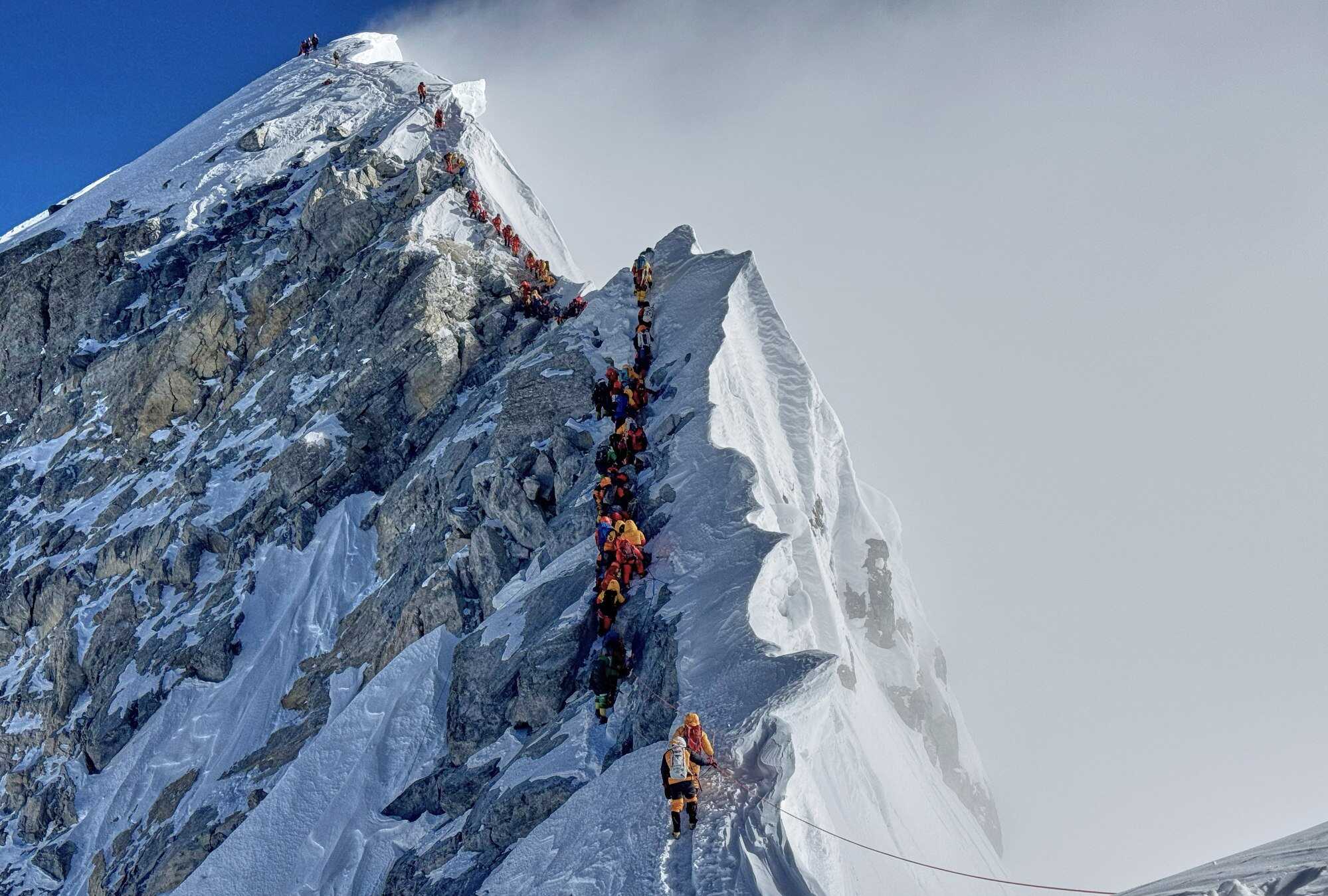
A government clean-up drive led by the Nepal Army since 2019 has extracted 119,000kg of trash and recovered the bodies of 12 climbers from Mount Everest. Over 300 people have died on the world’s highest peak since the first expeditions.
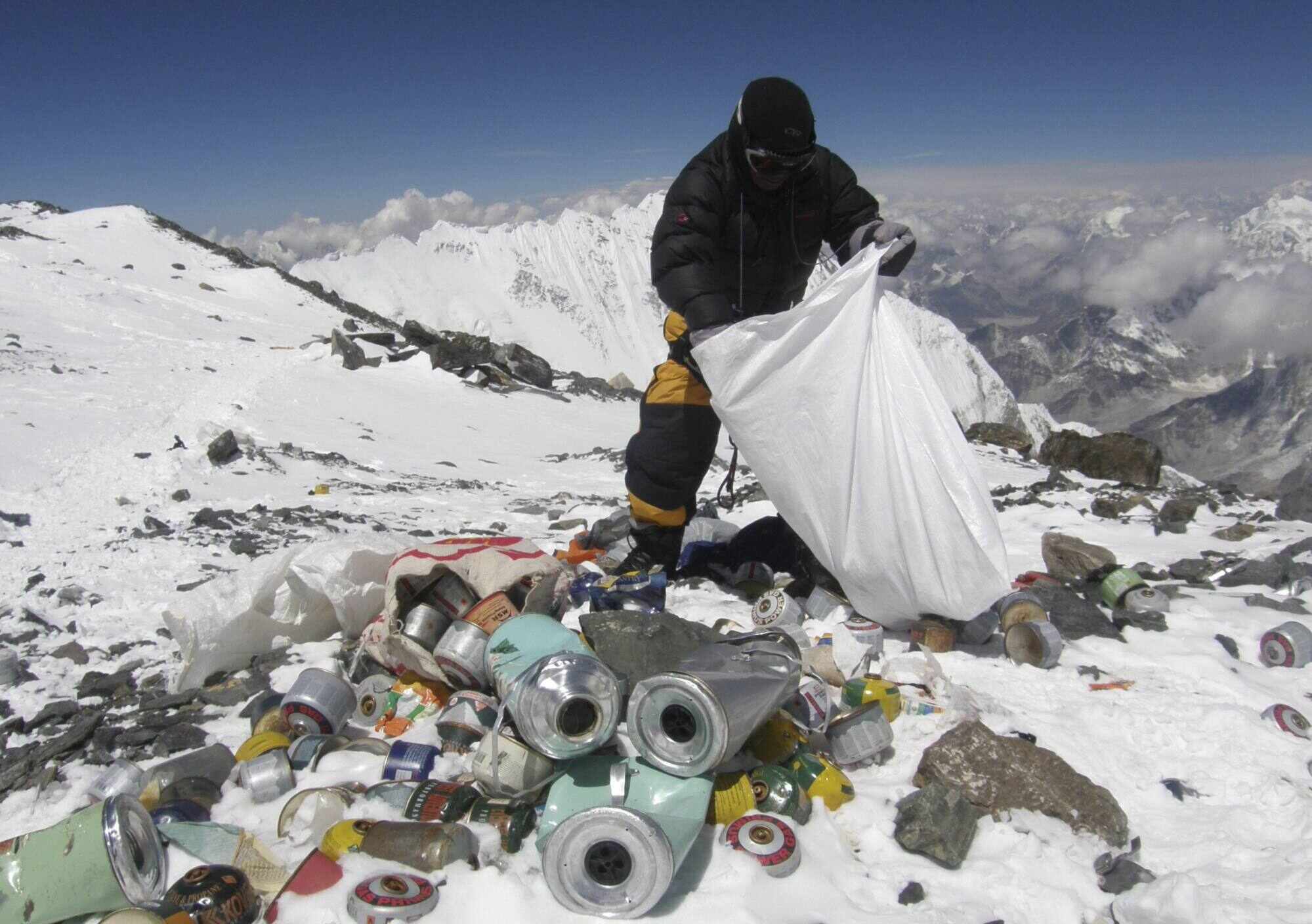
Climbers have documented abandoned tents, glass bottles, oxygen cylinders, plastic wrappers and utensils left behind by expedition teams, and melted snow has exposed erstwhile buried human waste and the bodies of climbers.
In 2024, Nepal mandated poop bags for Everest summiteers, though climbers say the rule has not been effectively enforced.
Vinayak Jaya Malla, a Nepali mountaineer with 15 years of experience, said Nepal’s peaks – including Everest, Lhotse, Ama Dablam, Manaslu and Dhaulagiri – were generally cleaner than the ones he had climbed in Pakistan. Nonetheless, these mountains are now increasingly being polluted by many climbing ropes, according to Malla.
Expedition teams were increasingly relying on low-quality, non-certified nylon ropes, with worn-out ropes discarded, creating not just waste but also releasing microplastics into the mountains, Malla said.
A 2020 study in the One Earth journal found microplastics in streams and snow waters on Everest, which researchers say could be released into the waters when snow melts.
Lax enforcement
There is no official data on Nepal’s latest mountain waste, but the peaks could be cluttered with around 2,000 tonnes of trash and about 300 to 400 bodies of climbers currently, according to Avni Ventures, a Kathmandu-based waste recycling company and recycling partner for Nepal Army’s clean-up campaign.
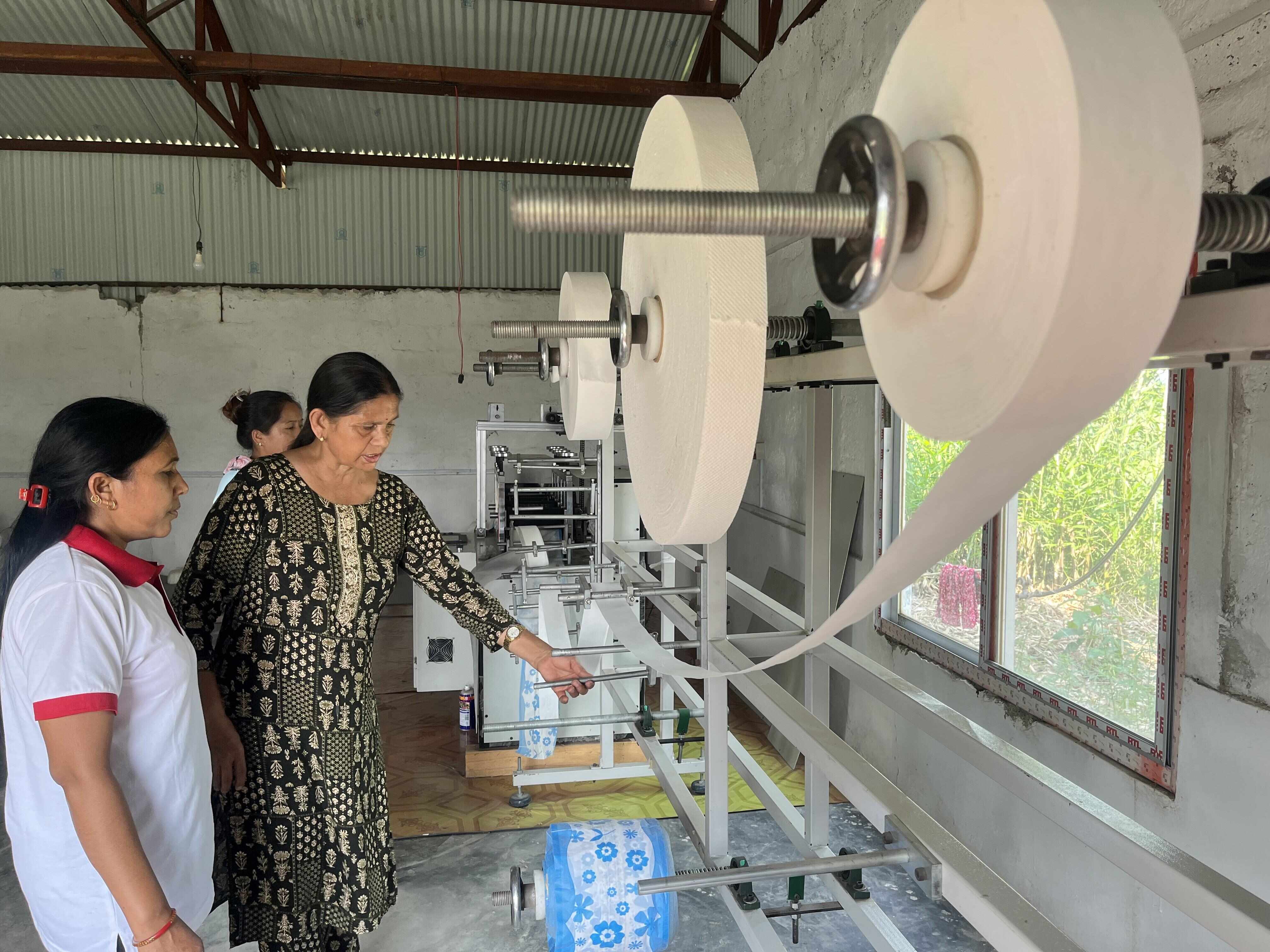
Of the 119,000kg of trash removed from the mountains, the company has recycled roughly 65,000kg of non-biodegradable waste in Kathmandu since 2021. It is also partnering with other businesses to turn trash into handicraft items, creating jobs for women.
Shilshila Acharya, co-founder of Avni Ventures, said campaigners in the mountain clean-up initiative had long lobbied for proper guidelines on mountain waste, calling the action plan a positive first step.
The plan calls for limiting the number of climbers, as ordered by the Supreme Court last year, but it remains unclear how this would be implemented.

Nepal has issued 456 climb permits for Everest this year, 35 more than in 2024, and raised the permit fee to US$15,000 from US$11,000 starting September in an attempt to deter overcrowding and waste.
“We are now studying to limit the number of climbers, to find what the bearing capacity of the mountains is. It will eventually help with waste management,” the ministry’s Jayanarayan Acharya said.
Expedition teams currently pay a garbage management fee, ranging from US$500 for smaller peaks to US$4,000 for Everest, which is refundable upon each climber's return of 8kg of trash. Under the new plan, the fee would become non-refundable, with the amount used for clean-up and conservation initiatives.
Climbers argue that waste management monitoring at Everest base camp is lax despite existing rules. Oversight largely falls on civil servants appointed as liaison officers, many of whom are ill-prepared for high-altitude conditions – one officer died because of high-altitude sickness in a 2017 expedition.

Drones for waste disposal
Nepali authorities also plan to deploy more ropeways and drones to manage mountain waste.
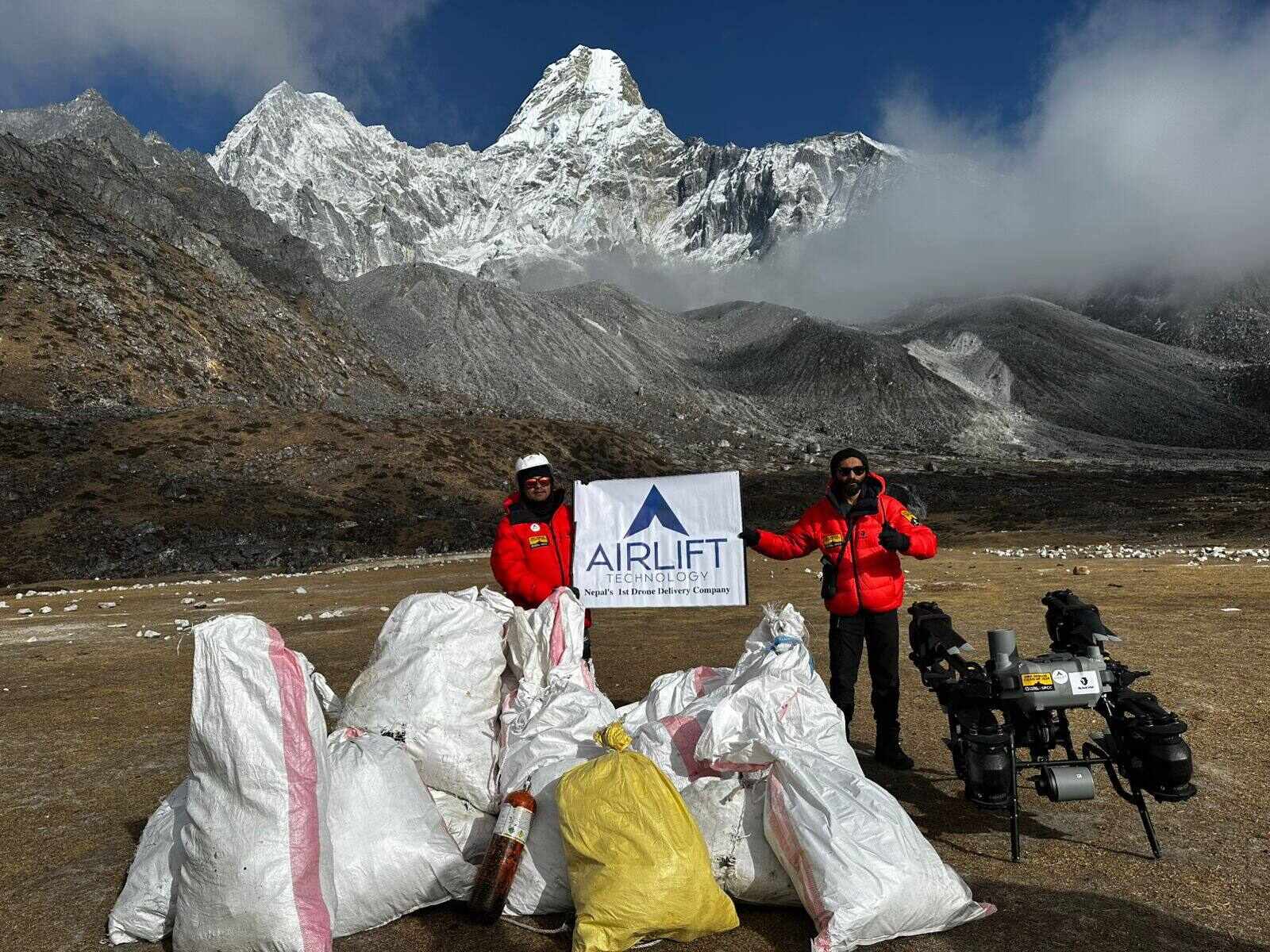
Airlift Technology, a Nepali drone company, has been ferrying waste from Everest’s Camp 1 to base camp since 2024, in partnership with the local government and a non-profit group responsible for managing waste in the Everest region. The drones have so far transported roughly 2,000kg of waste from Everest and Ama Dablam.
“Drones are very effective in waste management, both in terms of cost and time,” said Raj Bikram Maharjan, co-founder and CEO of Airlift. “It takes about eight hours for climbers to reach Camp 1 and about the same time to return to base camp. Our drone can cover the same distance in about six minutes.”
Airlift’s drones have so far carried 15kg of waste per flight, but the company plans to increase the capacity to 50kg starting next year.