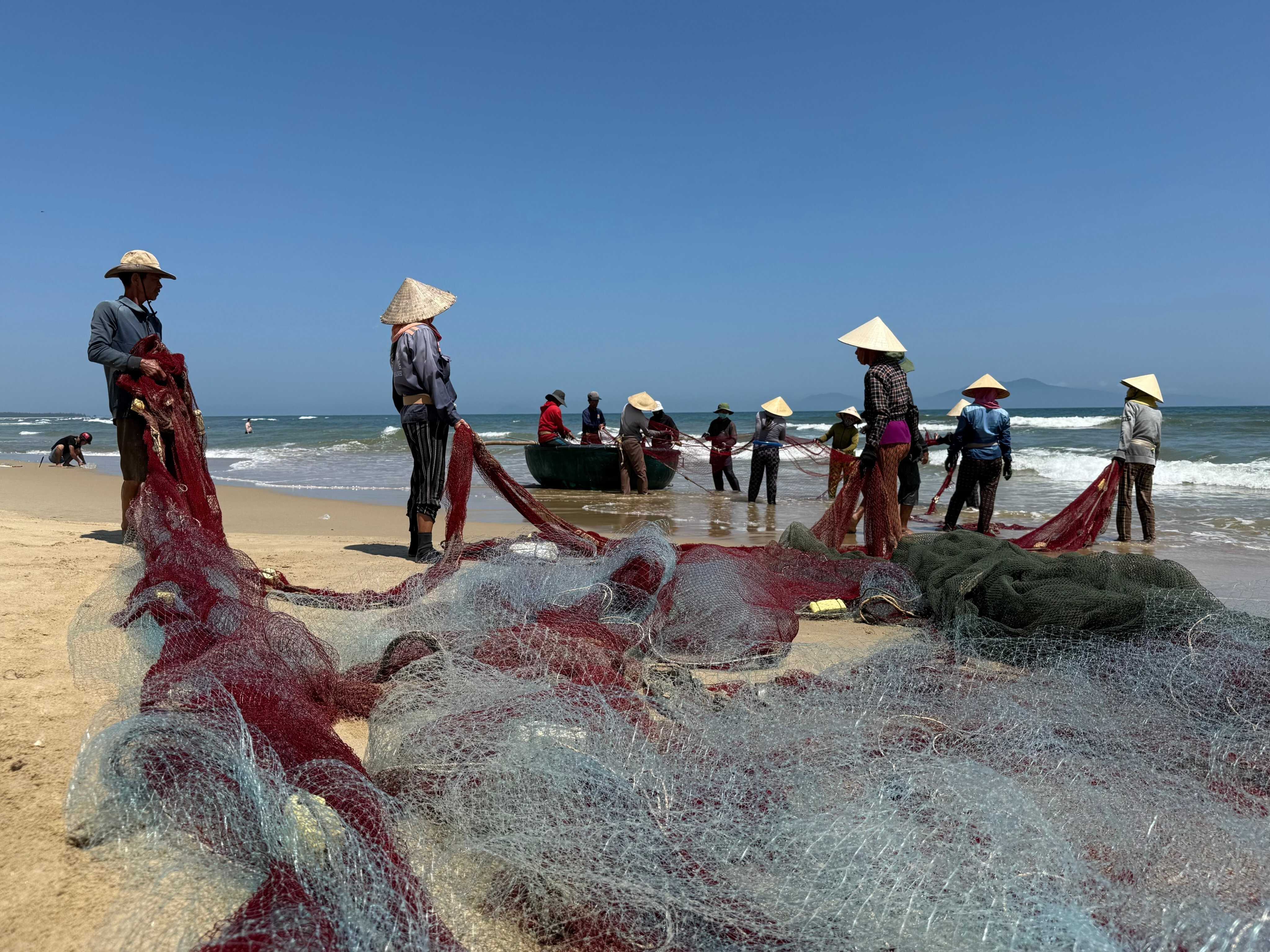
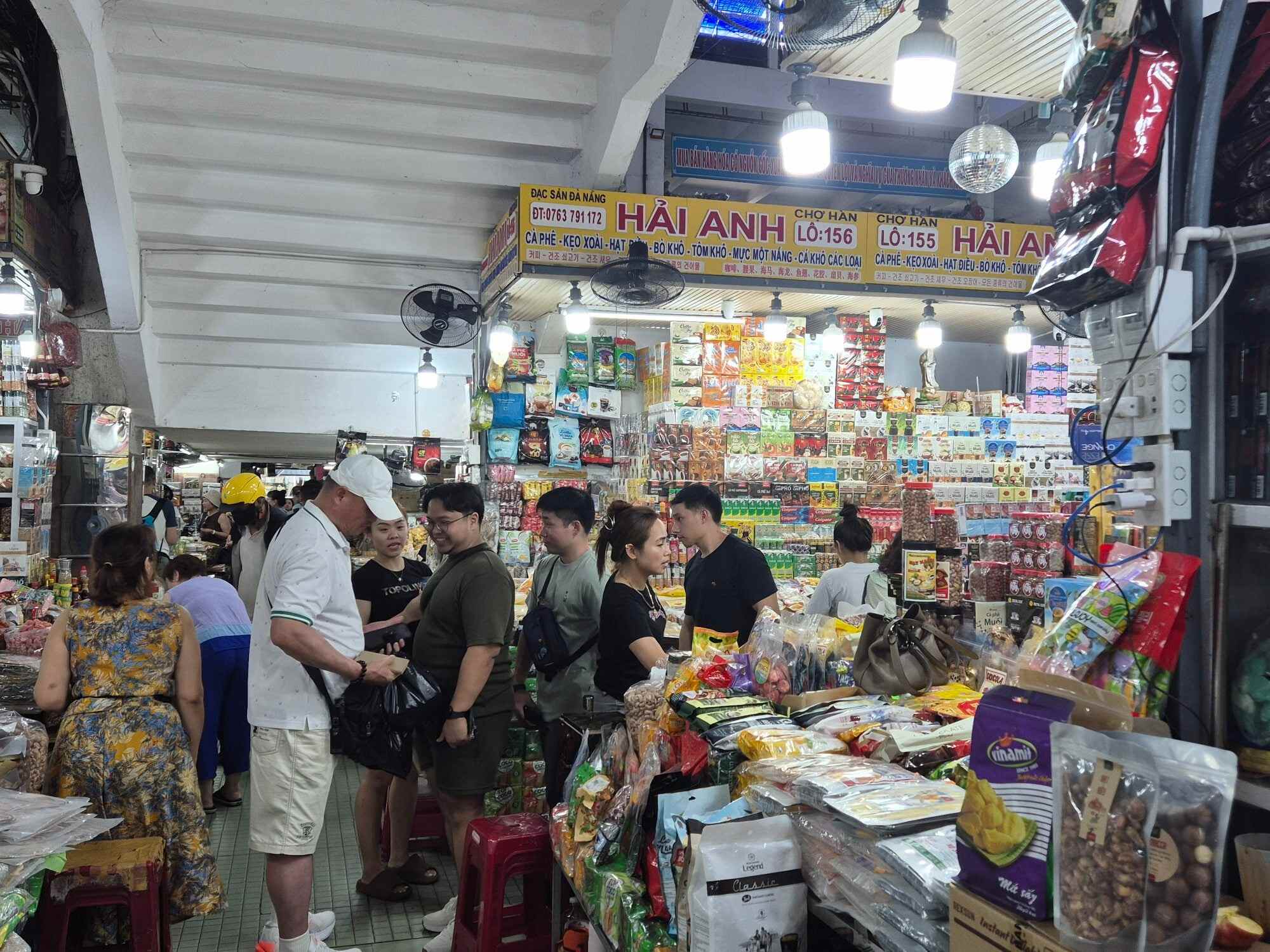
At the bustling Han Market in central Da Nang, two Vietnamese vendors tease a middle-aged South Korean tourist by calling him harabeoji, or “grandfather” in Korean.
“I’m offended!” he jokes.
The women grab his arms and laugh. “It’s OK, it’s OK.”
The man had returned to their stall after buying 200,000 dong (US$7.60) worth of macadamia nuts the day before. It is a small moment of banter, repeated dozens of times a day in a city that many people from South Korea jokingly call their own unofficial seaside province.
Outside the market, storefronts display Korean-language signs. K-pop drifts from restaurants and massage parlours. South Korean tourists crowd the streets in the city centre.
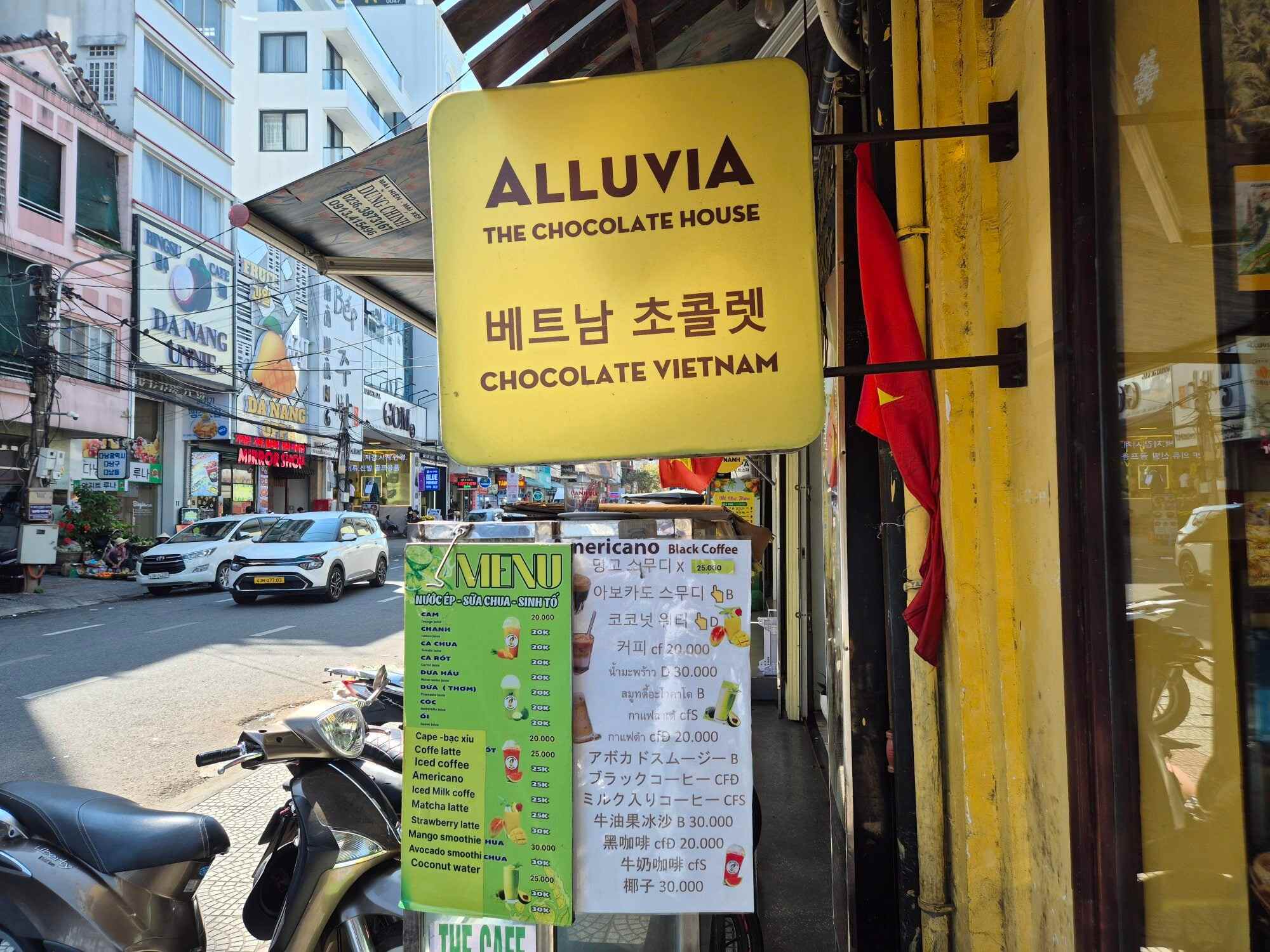
In recent years, visitors have nicknamed the city “Gyeonggi province of Da Nang”, a tongue-in-cheek reference to the densely populated region surrounding Seoul.
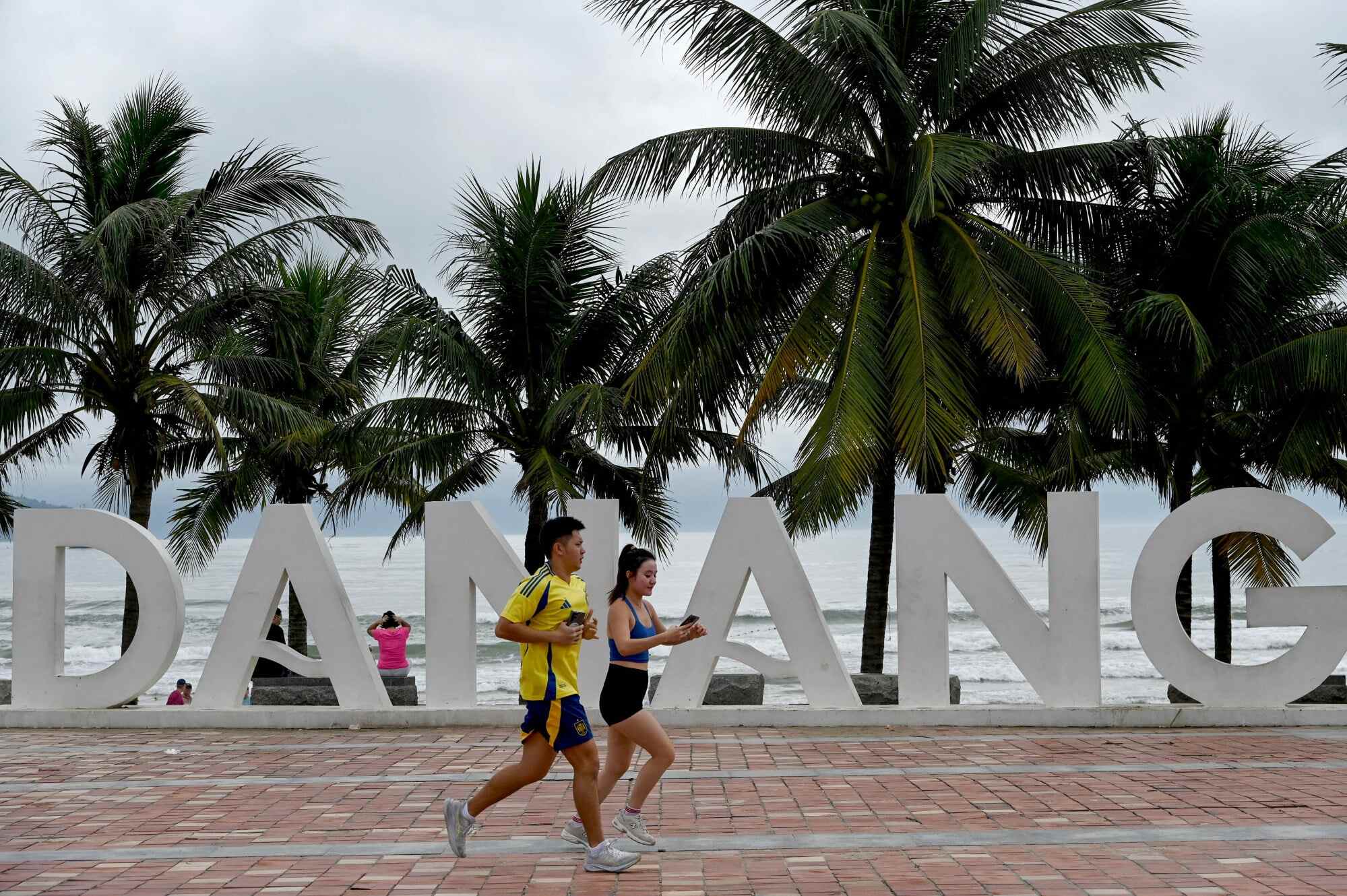
South Koreans are now the second-largest group of foreign visitors to Vietnam, and Da Nang is one of their favourite destinations. But alongside the economic boom and cultural exchange, there are murmurs of friction.
“We like South Koreans, but they often seem very angry,” a Han Market vendor who gave her name as Kieu said. “I really don’t know why. They just don’t seem happy many times.”
Da Nang has become a vivid microcosm of South Korea’s deepening presence in Southeast Asia – fuelled by tourism, investment and the global pull of K-culture.
But encounters like those at Han Market hint at a more complicated relationship – one in which admiration for Korean culture sometimes sits alongside resentment over perceived attitudes and behaviour.
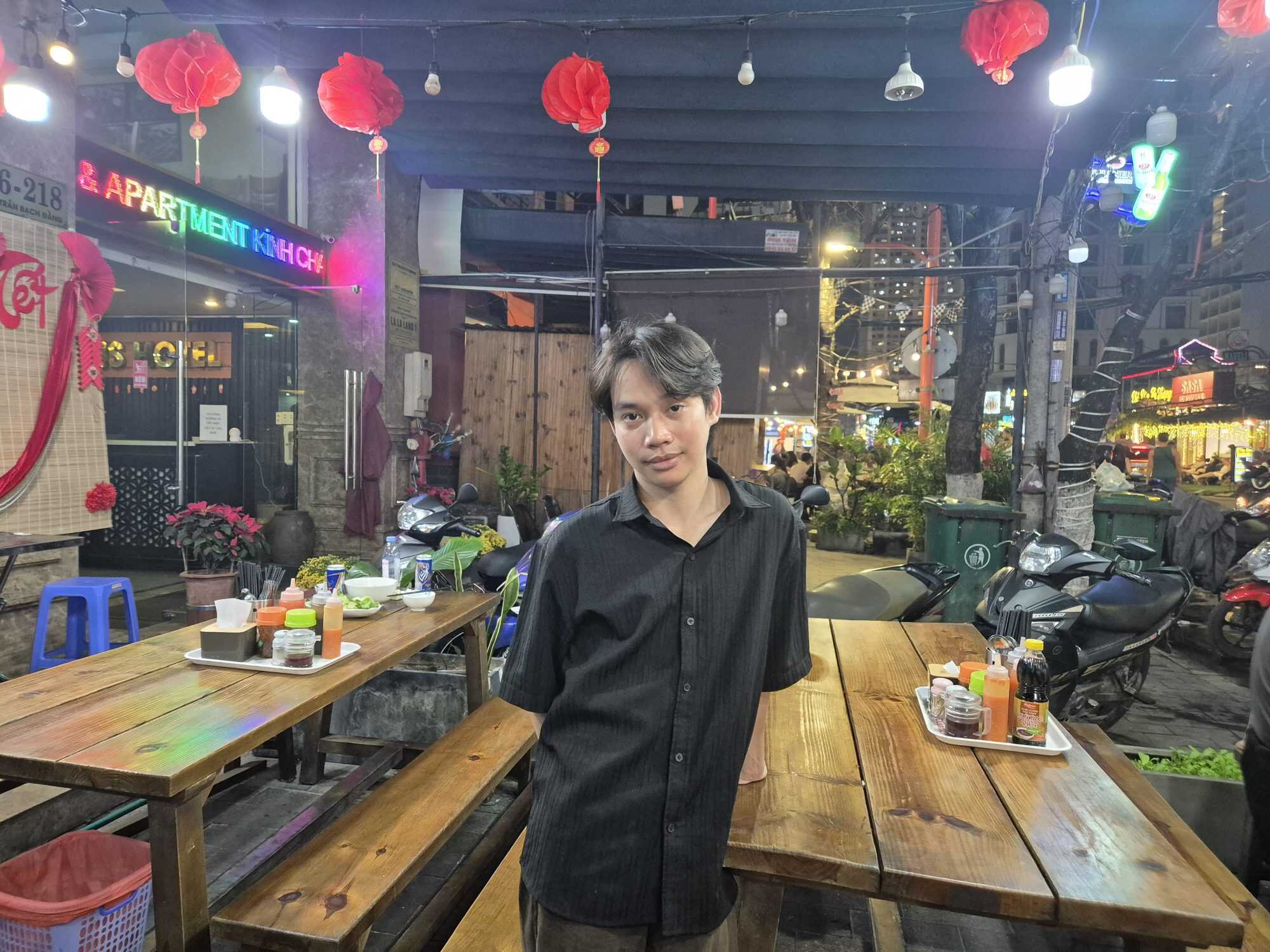
A few streets away at a restaurant in An Thuong Night Market, Van Chin, a 28-year-old waiter, said South Koreans are among the eatery’s most loyal customers.
“I even have a South Korean friend whom I talk to every day, and we go for coffee every morning,” he said. “I’ve been to Seoul, and I think there are a lot of South Koreans who come here because we share cultures that are similar to each other in many ways.”
Yet he acknowledges tensions. “Older South Koreans, especially, are rude to us many times,” he said. “And the men are all under the impression that Vietnamese women are into them.”
In the city’s “Korean sector”, one jewellery store worker, who did not want to be named, said about 70 per cent of customers were South Korean. She declined to criticise her main clientele.
“I still want to travel to Seoul one day,” she said. “I want to see cherry blossoms in the spring.”
That duality – admiration and irritation – reflects a broader dynamic shaping ties between South Korea and Southeast Asia.
Earlier this year, the social media hashtag #SEAbling gained traction after a scuffle at a K-pop concert in Malaysia. Internet users from Indonesia, Malaysia, Thailand and Vietnam accused some South Korean fans of mocking Southeast Asians.
What began as a dispute among fans evolved into a wider conversation about perceived condescension and cultural arrogance.
Such tensions are “bound to erupt eventually”, according to Kim Eje, a geography professor at Gyeongin National University of Education.
“Despite being our closest neighbours – and despite the significant economic and cultural exchanges we have with the region, Southeast Asia tends to be consumed merely as a tourist destination,” she said.
“Seen only as an export market or regarded as a region that needs South Korea’s aid, there are few opportunities for the public to properly learn about or understand what Southeast Asia truly is.”
Kim, who has studied the region for three decades, noted that “only about 1 per cent” of world geography education in South Korea was devoted to Southeast Asia.
“Because of this, when people think of Southeast Asia, they reduce it to cliches – pho for Vietnam, Bali as a tourist destination – and so on. There is a strong tendency to emphasise a narrow, orientalist perspective on the region.”
Daniel Ryu moved to Da Nang two years ago after meeting a Vietnamese woman at Han Market. The couple are now waiting for their marriage licence.
“It’s very unfortunate to see many South Koreans think that they’re above everything else when they are here,” said Ryu, who runs a stall in the marketplace.
“Local vendors frequently use honorific Korean when speaking to South Korean visitors. Yet some South Koreans respond in informal language, creating an imbalance that can come across as condescending.”
He said his staff rarely confronted customers directly. “They’ll say things like ‘South Koreans are fools’ or ‘they’re impossible’ when they are out of hearing,” he added.
Last year, a viral video of two South Korean women assaulting two Vietnamese women at a photo booth in Hanoi fuelled resentment towards rude tourists.
South Korea’s Yonhap news agency described the women as a “national shame”. One was later fired from her job.
And while Da Nang attracts families, it also draws large groups of men.
“If you experience the nightlife culture here, you’ll see how South Korean men start to think they’re kings at bars and karaoke establishments,” Ryu said. “But we really shouldn’t jump to conclusions about a foreign country we don’t really know.”