As a child, Saraswati Nepali was not allowed to drink from the same water jar as her classmates. When she was thirsty, she had to walk the 20 minutes home and back: the cost of being born a Dalit in a society that deemed her “untouchable”.
Now, Nepal’s new government is finally ready to acknowledge that injustice. Prime Minister Balendra Shah’s administration announced on Sunday that the state would, for the first time, offer a formal apology to the Dalit community.
It also pledged to roll out a reform programme within two weeks to lay the groundwork for inclusive rehabilitation, historical reconciliation and social justice as part of the government’s 100-day governance overhaul action plan.
“The state’s official apology will be like a balm for our wounds,” said Nepali, now an activist in her forties and president of the Dalit Society Development Forum in the far-western district of Baitadi.
“But for it to heal entirely, the government must effectively ensure all our guaranteed rights. That would give us justice and ensure our dignity.”
Centuries of exclusion
Dalits, a diverse group of ethnicities comprising roughly 13 per cent of Nepal’s 30 million people, have been systemically marginalised in South Asia for centuries.
Under the Hindu caste system, they were deemed “untouchable” and “impure” – enforcing their segregation from social and religious life.
Nepal declared itself an “untouchability-free nation” in 2006. Caste-based discrimination was criminalised in 2011 and Dalit rights were enshrined in the country’s current republican constitution, introduced in 2015.
But rights activists say discrimination persists, with a lack of Dalit representation in key institutions and the community’s limited political power blamed for weak enforcement of existing laws.
Despite roughly one in eight Nepalis being Dalit, they hold just 6 per cent of seats in the country’s parliament and nearly 42 per cent of them live below the poverty line – almost double the national average.
Historical oppression is reflected in lower literacy rates and inadequate access to healthcare and employment, as well as a lack of economic mobility.
Pradip Pariyar, founder of the Kathmandu-based Dalit Lives Matter Global Alliance, called the Nepalese government’s apology “the first step towards our fight for justice and equality”, but was careful to temper expectations.
“The apology is meaningful, but its real meaning will be determined by the actions the government takes,” Pariyar said. “Dalits are behind in every way, from health to education to representation, and the government must implement the laws and fundamental rights [already] enshrined in the constitution.”
He pointed to Australia’s apology to its indigenous peoples in 2008 as a possible model, noting that this had been accompanied by education, health and justice programmes.
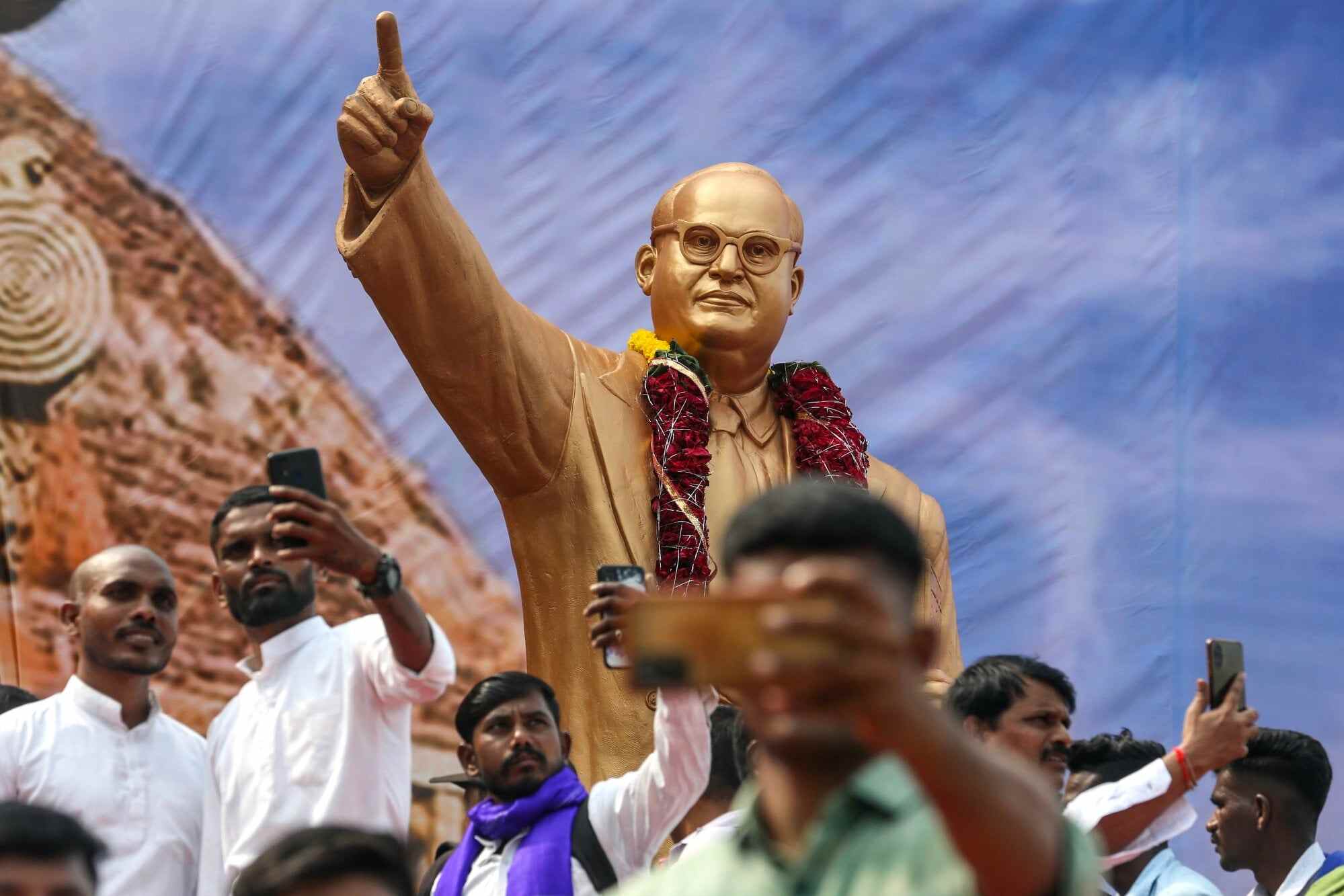
Healing the damage
J. B. Biswokarma, a Dalit writer and political analyst, welcomed the federal government’s decision but said an apology delivered only in Kathmandu would fall short.
He wants to see it delivered in all 753 local government units.
“That would boost their morale and make the apology visible,” Biswokarma said. “Issues related to economic reparations and justice delivery would be a true reflection of the government’s apology.”
A report from Amnesty International in 2024 identified a “concerning pattern of under-reporting” of caste-based crimes, with perpetrators frequently escaping punishment and a culture of impunity taking root as a result.
Activists say meaningful reform could include a toll-free hotline for reporting caste-based abuses – from landlords who refuse Dalit tenants to teachers who harass Dalit students – alongside the creation of a dedicated institution to drive Dalit-related programmes.
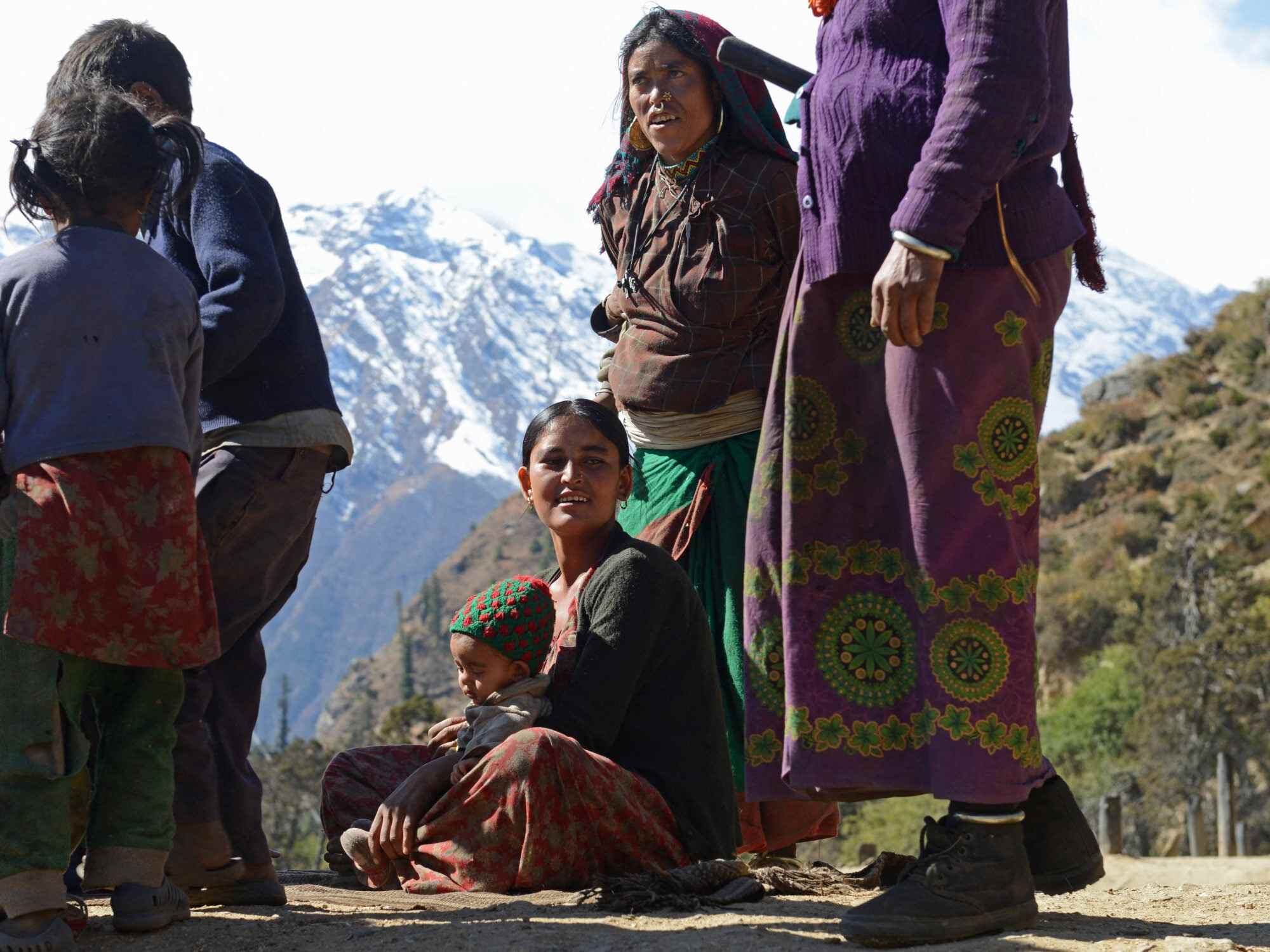
In 2016, 18-year-old Ajit Mijar from Kavrepalanchok district was killed, allegedly for marrying a woman from a higher caste. A local court acquitted the accused for lack of evidence. But Mijar’s family has refused to cremate his body, which remains in a hospital morgue, until justice is served.
Shah’s government has yet to give details about its promised reform programme, but activists say that the appointment of Sita Badi as minister of women, children and senior citizens – the first member of the Badi community, among the most marginalised of the Dalits, to hold a ministerial post – has already sent a signal.
“This sends a strong message that women and people from our community are equally capable if given opportunities,” Nepali said. “But there is still caste-based discrimination today, albeit in different forms, because people’s mindsets still haven’t changed.”
Nepali has waited a long time for this change. Her long walks home for a drink of water were lessons, repeated daily, in who belonged and who did not. Whether a formal apology can begin to undo that damage remains to be seen.
“Many Dalits don’t feel they will get justice,” Pariyar said. “The government needs to earn that trust with the community – and perhaps this apology could be the first step in building that trust.”