Malaysian comedian Rizal van Geyzel keeps his three children – aged six, 14 and 15 – off social media. He calls it a “gateway drug” to fake news and doom-scrolling.
“Do I risk them resenting me? Sure, but these are the sacrifices of parents for their children’s mental health and physical safety,” the 43-year-old said.
Across Southeast Asia, governments are increasingly siding with parents like him. Indonesia last month became the first country in the region to bar under-16s from major social media platforms. Malaysia and the Philippines are considering similar moves.
But as the bans spread, a question follows close behind: can governments actually make them work?
All digital platforms operating in Indonesia have been instructed to comply with the ban, which kicked in on March 28, according to Indonesia’s Communication and Digital Affairs Minister Meutya Hafid.
Malaysia has said it plans to bar children aged 16 and under from social media this year, and lawmakers in the Philippines called for similar legislation just a day after Indonesia’s ban took effect.
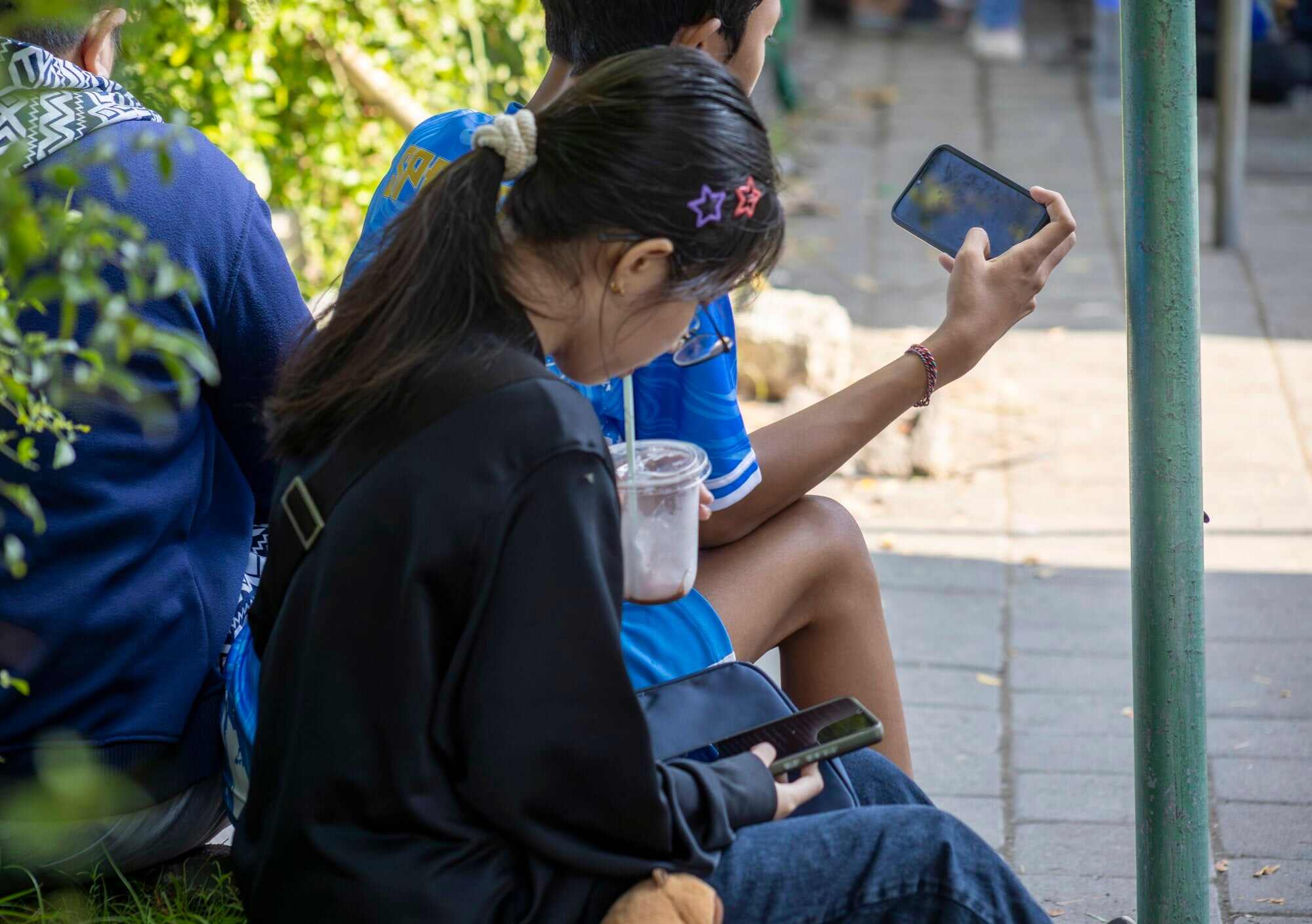
A recent study found that 77 per cent of parents in Malaysia support a social media ban for under-16s – the highest share among 15 surveyed countries, including China, the United States, India and Japan.
Preliminary findings from the same study, conducted by UK-based education charity The Varkey Foundation, also showed that 65 per cent of Gen Z respondents in Malaysia favoured stricter controls.
Elsewhere, Singapore is studying restrictions on platform features such as direct messaging and video auto-play for younger users, and is in talks with major companies to enhance online safety.
Minister for Digital Development and Information Josephine Teo said last month that the city state was monitoring the implementation of bans in other countries, while noting that such moves could drive children towards less visible platforms.
Ross Tapsell is an associate professor at the Australian National University’s College of Asia and the Pacific who studies social media.
He said, “There is growing public sentiment in Southeast Asia, as in Australia, that tech platforms are not responsible actors, do not care about citizens and are only trying to maximise profits.”
Australia became the first country in the world to enact a social media ban for children in December. There have been mixed results so far. A government study published last month found that seven in 10 parents reported their child still had an active social media account after the restrictions took effect.
“Implementing a ban on social media for under-16s is, of course, extremely hard to do, and it is generally recognised by the governments and others that many under-16s will get around it,” Tapsell said.
“It may not work in the long term, but the law is part of a wider trend towards thinking more seriously about the harms caused by new digital technologies.”