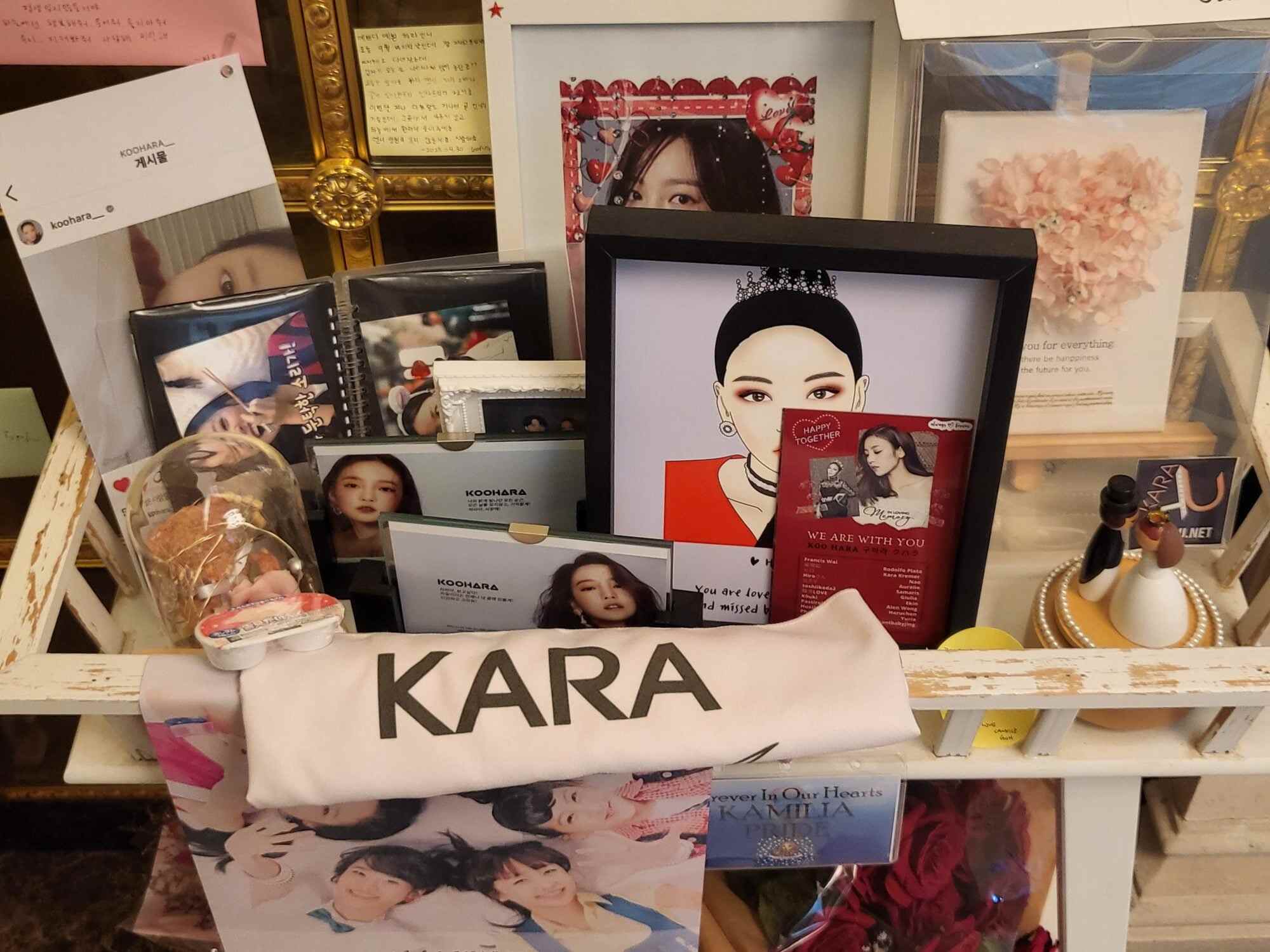
Edward Sugiana has made the same pilgrimage every year for the past three years, travelling from Vancouver to a memorial hall on the southern edges of Seoul that has become one of K-pop’s most sacred and sorrowful sites.
Inside a small private room, Post-it notes from fans cover the walls alongside flowers and photographs of the girl group Kara. Nearly seven years after her death, they continue to visit to pay tribute to Goo Hara – a woman many never met, but whom thousands feel they lost.
“At the end of the day, she was just a human being who received abuse from people who didn’t even know her,” Sugiana said.
“She was thrown into a harsh and conservative environment where it often felt like nobody truly cared for her, not even the people managing her career.”
What kept bringing him back was pity, he said.
That sentiment, of grief shading into guilt, echoes across the global fandom communities still mourning the deaths of Goo, her close friend and fellow K-pop star Sulli and Jonghyun of Shinee, three of K-culture’s biggest names who were taken too soon.
Tinged with regret
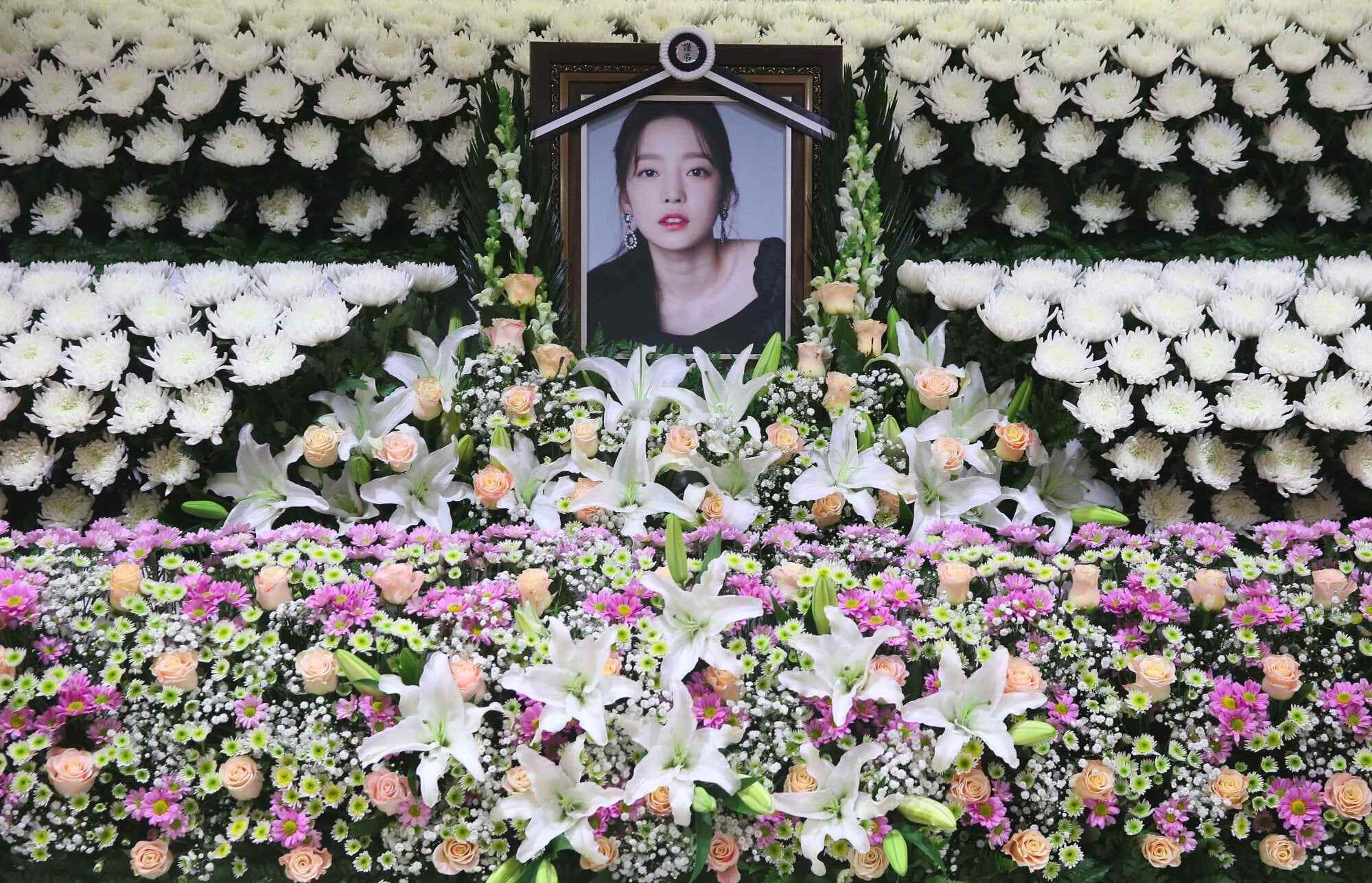
When Goo, then 28, was found dead at her Seoul flat in November 2019 after posting “Good night” on Instagram, fans across the world were stunned.
Just weeks earlier, Sulli, real name Choi Jin-ri, had also died by suicide.
The two women, who had been close friends, had both endured years of relentless online harassment over everything from their appearance and personalities to their relationships and private lives.
For Kawtar Bell, an Algerian superfan, the grief is still tinged with regret.
“I wish I had left her more messages of encouragement when she was facing so much hate,” Bell said of Sulli. “Even now, it’s difficult to comprehend the amount of bullying she had to endure. What happened to her was deeply unfair and many people still feel nobody was truly held accountable.”
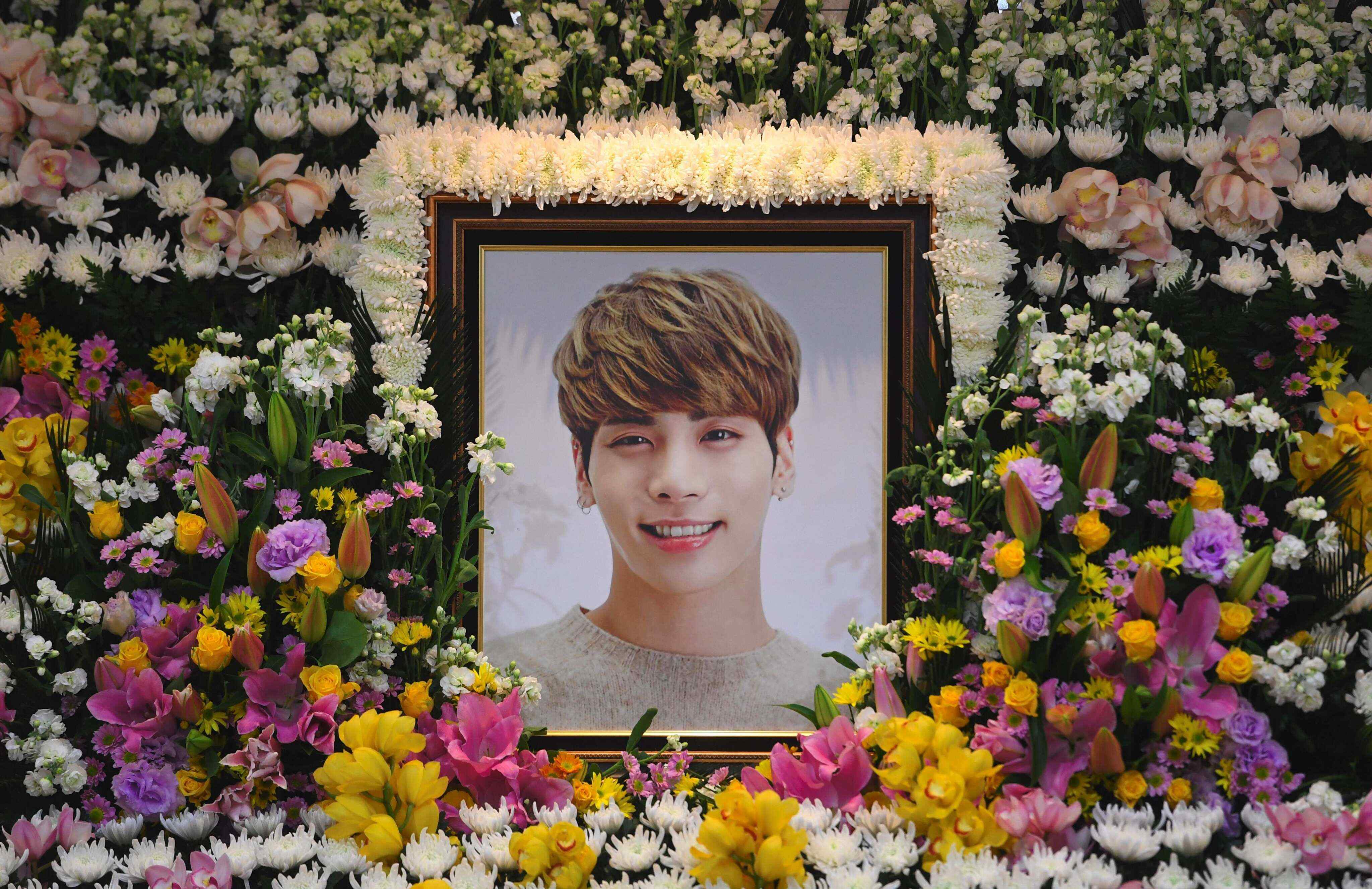
Two years before Goo and Sulli, Jonghyun died in a rented flat in Seoul’s Gangnam district. In the years since, his song “Breathe”, written for singer Lee Hi, has taken on a new meaning:
It’s all right if you run out of breath
No one will blame you
It’s OK to make mistakes sometimes
Because anyone can do so

The idol factory
Goo debuted as a member of Kara in 2008, rising to fame on a string of hits such as “Pretty Girl”, “Honey” and “Mister” before building a second career as a solo artist and television personality in Japan.
Kim Jeong-seob, a professor of entertainment studies who became her mentor at Sungshin Women’s University, said Goo was among the most naturally gifted students he had ever taught.
A year before her death, Goo became embroiled in a highly publicised legal dispute with former boyfriend Choi Jong-bum following a physical assault at her home. The case escalated after Choi threatened to release an intimate video filmed without her consent.
Instead of rallying behind her, some of Goo’s fans began attacking her, calling her “low quality” and questioning her private life with the same energy that had once fuelled her fame.
In May 2019, months before her death, she attempted suicide and was admitted to hospital.
The K-pop industry has long prioritised output over endurance. Aspiring idols spend years in highly restrictive trainee systems, often isolated from friends and ordinary adolescent experiences, with their bodies and images meticulously managed before they even step into a recording studio.
If they do debut, the pressures only multiply. Intense fandom culture can blur the line between devotion and surveillance as large fan communities track celebrities’ every move.
And public adoration can quickly curdle into hate if a scandal emerges.
When Exo member Chen announced in 2020 that he would marry his pregnant fiancée, fans sent protest trucks to the group’s agency.
Last year, singer IU filed lawsuits against 96 people accused of spreading malicious rumours, including the claim that she was a North Korean spy.
“Fans can be incredibly supportive when a celebrity is succeeding,” Kim said. “But disappointment or controversy can quickly turn emotions hostile.”

Some progress has been made. Hybe, the entertainment giant behind BTS, introduced the industry’s first in-house psychiatrist in 2024 and allows trainees to take extended mental health breaks.
Jeongyeon of Twice has taken multiple hiatuses since 2020 because of anxiety and physical health issues.
Moonbin of Astro, who died by suicide in 2023, had previously paused activities citing health concerns – a reminder that even incremental improvements have not solved all the industry’s issues.
In the months after Goo’s death, South Korea’s largest search portal, Naver, shut down comment sections under entertainment news articles amid concerns about online abuse in a telling, if limited, concession to the scale of the problem.
If you have suicidal thoughts or know someone who is experiencing them, help is available. In Hong Kong, you can dial 18111 for the government-run Mental Health Support Hotline. You can also call +852 2896 0000 for The Samaritans or +852 2382 0000 for Suicide Prevention Services. In the US, call or text 988 or chat at 988lifeline.org for the 988 Suicide & Crisis Lifeline. For a list of other nations’ helplines, see this page.