Do you have a personal question you’ve been too afraid to ask? Whether it is about school, family or your social life, you can share it with us through this form. Don’t worry, you’ll remain anonymous.
Dear Friend,
One of my classmates died by suicide. Since then, a strange atmosphere has taken over.
Everyone seemed fine in the morning, but once the news was officially announced in the afternoon, people began crying, and I realised they had been hiding their true feelings.
Although I am not as deeply affected as others, I am worried about my classmates. Can I do anything for them, or should I just sit back and wait for the professionals?
Sincerely, Helpless Friend
Dear Helpless Friend,
First, I’m so sorry that your school community is going through this.
Losing a classmate to suicide is a profound shock, and it makes sense that the atmosphere in your classroom feels heavy and confusing right now.
You mentioned that you aren’t as deeply affected as others. Know this: there is no “right” way to feel after a tragedy. Grief is not a competition. Some people cry openly, while others feel numb, disconnected or want to be quiet.
Your reaction is quite common and entirely valid, and you do not need to force yourself to feel a certain way just because others are visibly upset.
To answer your question, yes, there is absolutely a role for you to play in supporting your classmates, but you are also very wise to recognise that professionals are needed here. Here is how you can find a safe balance.
How to help when you can
-
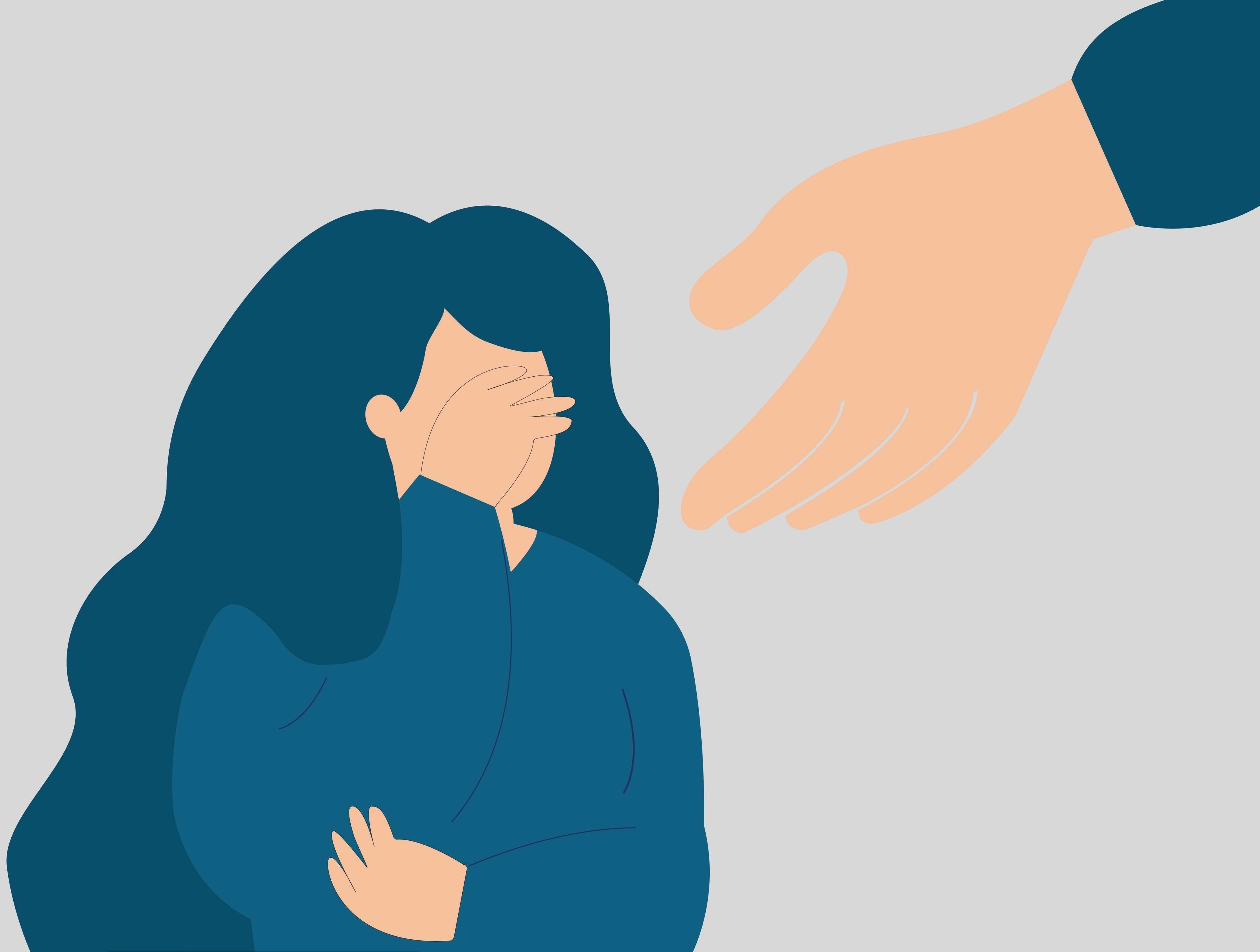
Be a safe listener. You don’t need to have the perfect words or try to fix anything. Often, just being a steady, calm presence is exactly what people need. Listening without judgment, sitting with them in silence or just offering a normal distraction – such as talking about a television show or getting a snack – can be incredibly comforting.
-
Keep an eye out. Since you are feeling a bit more grounded right now, you can be an extra set of eyes. If you notice a friend withdrawing completely, expressing hopelessness or mentioning self-harm, that is your cue to reach out to them or mention your concerns to an adult.
-
Protect your own energy. It takes a lot out of you to support grieving friends. It is completely OK to step back and take a break from the heavy atmosphere when you need to. You cannot pour from an empty cup.
What to do when it is time to leave it to the professionals
-
Remind yourself that there is therapy and crisis management. You’re a student, not a trained mental health professional. You cannot carry the weight of someone else’s mental health.
-
Hand it over to a professional. This is ideal if a friend’s grief feels too big, too dark or too scary for you to handle. You can gently say, “I care about you, but I don’t know how to help with this. Let’s go talk to the school counsellor.”
-
Access support. In the coming weeks, lean on the adults around you. Your school counsellors and teachers are there to help all of you navigate this difficult time.
Take care of yourself, and thank you for looking out for your classmates.
Sincerely, Friend of a Friend
If you have suicidal thoughts or know someone who is experiencing them, help is available. In Hong Kong, you can dial 18111 for the government-run Mental Health Support Hotline. You can also call +852 2896 0000 for The Samaritans or +852 2382 0000 for Suicide Prevention Services. In the US, call or text 988 or chat at 988lifeline.org for the 988 Suicide & Crisis Lifeline. For a list of other nations’ helplines, see this page.
This question was answered by Andrew Stock, a clinical psychologist and founding partner at TherapyPartners.