Do you have a personal question you’ve been too afraid to ask? Whether it is about school, family or your social life, you can share it with us through this form. Don’t worry, you’ll remain anonymous.
Dear Friend,
When I’m feeling hurt and angry, I get a strong urge to isolate myself. At the same time, I secretly hope that someone will stay near and comfort me. Why do these two opposite feelings happen at the same time? Please help.
Signed, In Two Minds
Dear Two Minds,
Thank you for sharing. It makes sense to feel this way – in fact, you must have a good understanding of yourself to realise that you are experiencing these contradictory, mixed feelings. Let’s try to understand what is happening.
Seek comfort or protect yourself
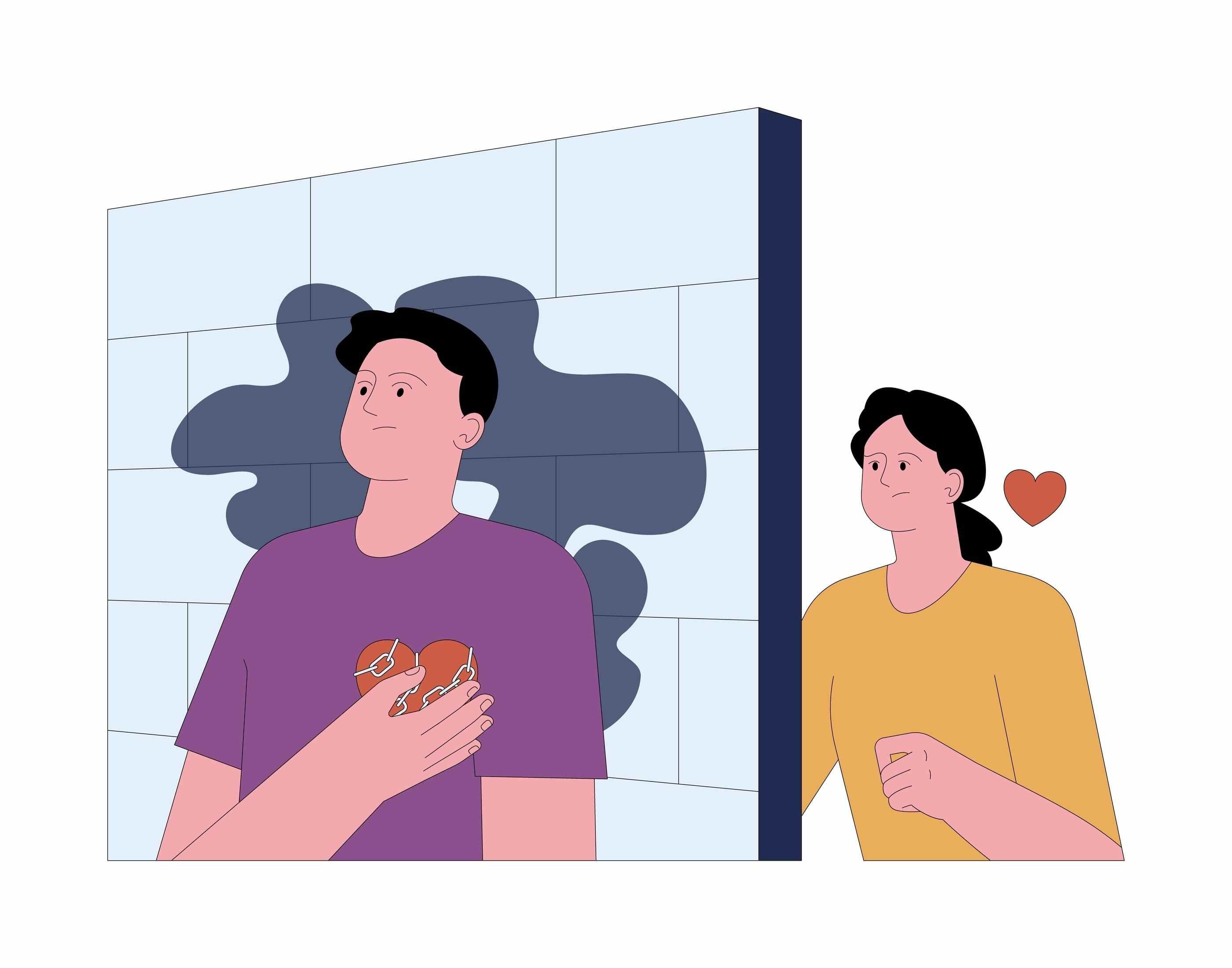
When it comes to relationships, the urge to withdraw and the desire for closeness can arise together. Even from infancy, humans have shown this approach-avoidance dynamic – when hurt, we tend to isolate to protect ourselves; but when distressed or lonely, we instinctively seek closeness for comfort.
So, one part of you might be locking the door to stay safe, while another part hopes someone cares enough to knock. And if someone does knock, it’s natural to feel torn between wanting to let them in and feeling unsafe.
Being emotionally vulnerable
It is common to feel vulnerable when seeking comfort, as it requires exposing your hurt and risking rejection. If you isolate, you bypass that risk and regain some control.
The secret wish for someone to come to you is a hope that they’ll see your pain without you having to show it – a fantasy where your needs are met without risk.
A helpful question to ask is, will someone know you’re hurting if you have hidden yourself away? If you conclude it is not very likely, remind yourself: self-isolation is transitional. You can make yourself visible again so others have a fair chance to show they care.
A test to see if others care – and how much
You might also be driven by a desire to test if others care enough to notice your withdrawal. “If I pull away, will they notice? Will they reach out?” It’s an understandable way to gauge your relationships without directly expressing your needs. That can feel too vulnerable when you’re already hurting.
But it’s worth considering whether the people around you will be able to recognise your hidden needs or if they might misread your withdrawal as simply wanting space. This is a common point of confusion for people who do care.
Try to identify the emotionally available people in your life. Differentiate who is responsive and safe, and adjust your boundaries with each person accordingly.
Validate your feelings
Instead of being hard on yourself for feeling “confused”, recognise that both impulses make sense. Acknowledge both feelings as valid. You might say: “Part of me wants to hide, and part of me wants others to care. Both are OK.”
Practise self-compassion
While care from others is important, being able to provide yourself with kindness is crucial for your well-being. Ask yourself: what would a comforting person say or do right now? Can you offer that to yourself? Everyone deserves this kind of unconditional self-compassion.
If doing this feels very difficult or out of reach, that could be a sign to speak with a professional, like a counsellor or therapist.
Your awareness of this internal conflict is a sign of your emotional depth. The goal isn’t to eliminate one feeling, but to listen to both. Over time, you will find a way to honour your need for safety and your need for closeness.
Focus on surrounding yourself with people who can meet your needs. And work on becoming your own source of support – this will help you feel less vulnerable and more resilient when hurt happens. You’re not alone in this.
Be gentle with yourself, Friend of a Friend
This question was answered by James Yu, a clinical psychologist and associate professor at the Hang Seng University of Hong Kong