Do you have a personal question you’ve been too afraid to ask? Whether it is about school, family or your social life, you can share it with us through this form. Don’t worry, you’ll remain anonymous.
Dear Friend,
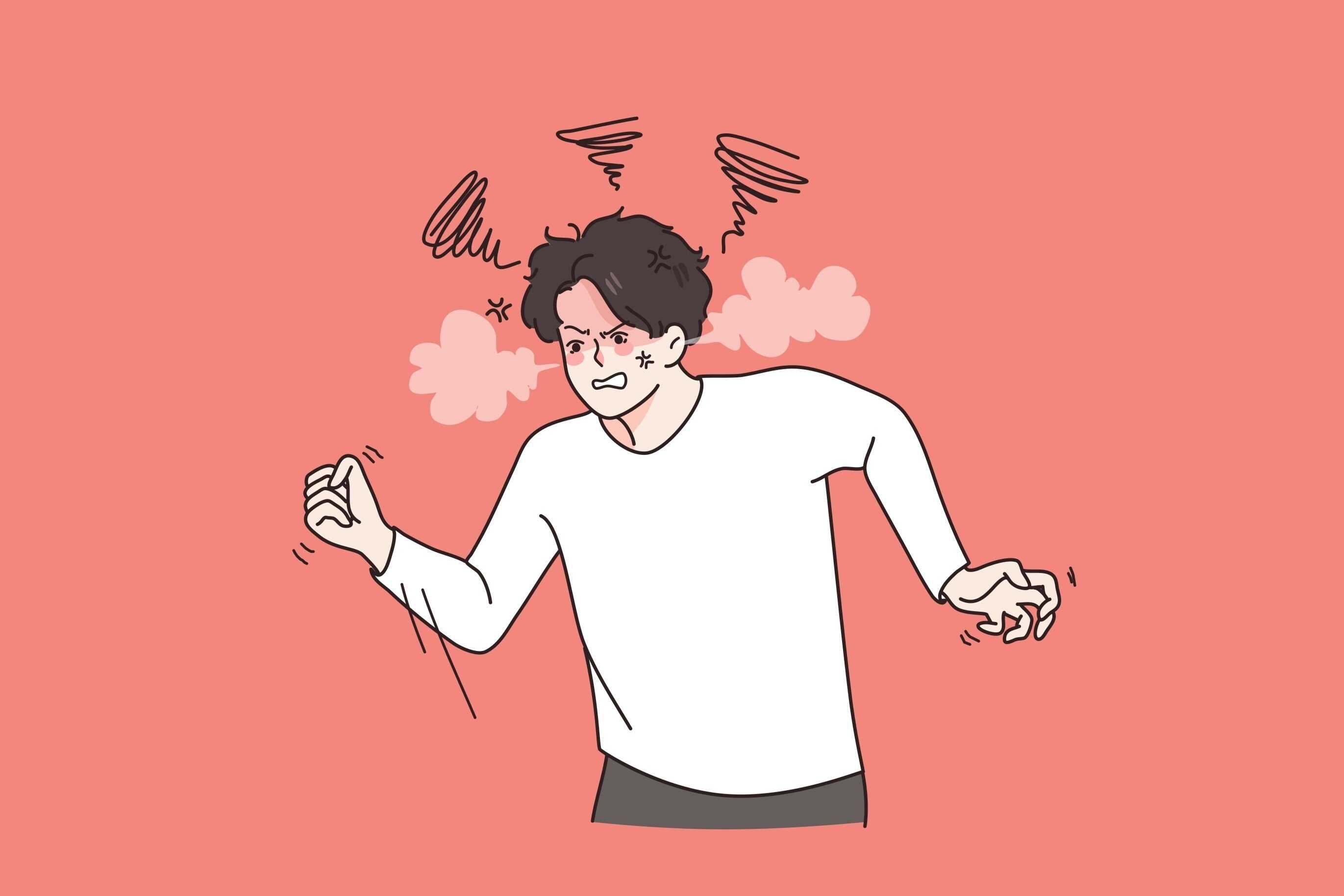
When I feel very angry, I have a strong urge to throw things and watch them break and shatter. Why do I do this, and what can I do to better control my anger?
Sincerely, Enraged
Dear Enraged,
Thank you so much for your courage in asking this question. It’s a powerful and important one, and you are certainly not alone in experiencing these intense feelings.
Many people wrestle with strong physical urges when anger reaches a peak. When it feels like such emotions are becoming a threat to your safety and everyday functioning, it might be advisable to schedule an evaluation with a clinical psychologist or psychiatrist to see if these feelings have escalated into a diagnosable psychological condition.
Of course, a label, if applicable, would only be the starting point for understanding your inner world. Regardless of whether this issue fits into any diagnosis, it’s crucial to acknowledge that the intense urge to throw and break things is a common manifestation of anger.
Anger isn’t just an emotion we feel inside; it has a powerful physical component that can demand a physical release.
If you have always been able to hold back this urge – if it has remained an urge and not an action – that is a testament to your self-control and deserves real credit. You already have a foundation of restraint to build upon.
To strengthen that control, general anger management and emotional coping skills can be incredibly effective. These techniques help lower your overall stress and anger levels.
Grounding techniques: When you feel the urge to throw something rising, focus on your senses. Name five things you can see, four you can touch, three you can hear, two you can smell, and one you can taste. This pulls your focus to the present and away from the intense emotional surge.
Physical redirection: Channel that explosive energy into a safe, non-destructive physical activity. This could be high-intensity exercise like running or hitting a punching bag, or even squeezing a stress ball as hard as you can until the wave of urgency passes.
Mindfulness and deep breathing: Practices like meditation or simple box breathing (inhale for four counts, hold for four, exhale for four, hold for four) can help regulate your nervous system and offer immediate bodily relief.
While these skills are vital for managing the immediate urge, the repetitive nature of this fantasy – watching things break and shatter – can point to a deeper psychological meaning worth exploring.
Understanding these roots can help manage the anger and resolve it at its source. To begin this exploration, reflect on a few questions:
-
Do you experience this urge every time you are angry, or does it usually revolve around certain people, types of situations or specific feelings (like feeling disrespected, trapped or invalidated)?
-
Is there something someone could say or do that would dramatically lessen this urge? For example, if a person sincerely acknowledged your feelings or apologised, would the intensity fade? Conversely, what makes it worse? Your answers can reveal your core emotional needs, such as the need to feel seen, heard or validated, and your deepest triggers, like feeling powerless or unseen.
While the meaning of this urge is unique to you and your life context, here are a few common explanations that might resonate:
An externalisation of inner pain: The fantasy of seeing something shatter can be a powerful metaphor for how you feel inside. You might feel deeply “broken” or “shattered” by certain experiences, and the imagined act is a way of making that invisible, internal pain concrete and visible.
An expression of retaliatory rage: When someone feels profoundly hurt or wronged by a person whose affection and approval they deeply desire, it is not easy to process these angry feelings consciously. The rage might then be displaced onto objects.
A desperate cry to be heard: Sometimes, destructive rage feels like the only force strong enough to finally make others pay attention.
It can represent a desperate, non-verbal way of screaming, “Look at my pain! Listen to me!” when you feel that quieter, more vulnerable expressions have been ignored.
Exploring these potential meanings with self-compassion, or with the help of a therapist, can lead to better self-understanding and chart a clear path to emotional healing.
You’ve got this, Friend of a Friend
This question was answered by James Yu, a clinical psychologist and associate professor at The Hang Seng University of Hong Kong.