Do you have a personal question you’ve been too afraid to ask? Whether it is about school, family or your social life, you can share it with us through this form. Don’t worry, you’ll remain anonymous.
Dear Friend,
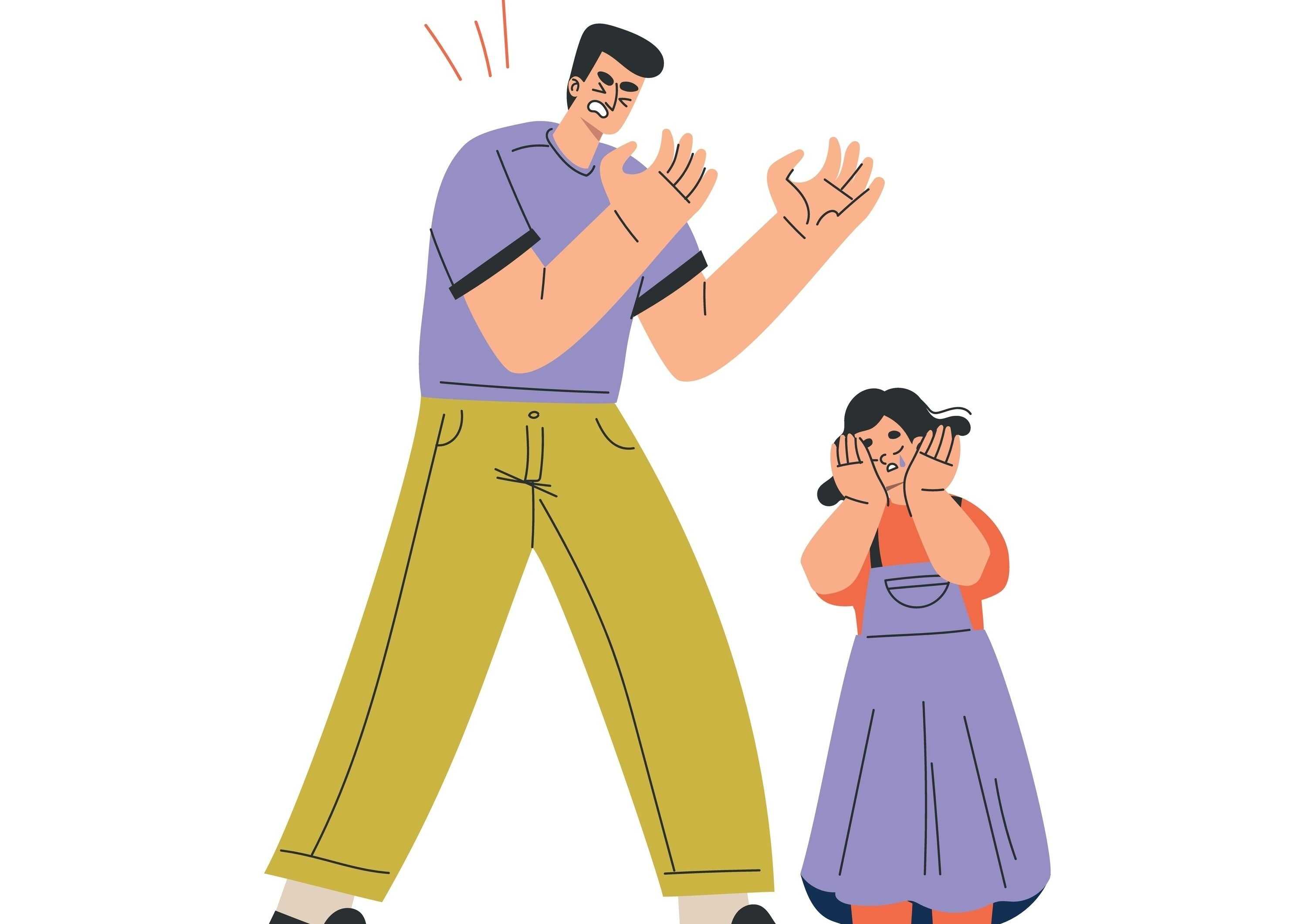
I am often blamed for problems that are not my fault. For example, my dad recently made a mistake when booking something online. Although I saw it, I did not say anything because I was unsure if I was right.
Later, when things went wrong, I was blamed for not stepping in, even though no one asked me to manage the situation.
This keeps happening, and it’s making me doubt myself. I want to help, but I’m afraid of being criticised or getting into trouble. I feel caught between wanting to contribute and being held responsible for things I cannot control.
Signed, Scapegoat
Dear Scapegoat,
Nothing is worse than being blamed for something out of your control. It must feel like getting into trouble for no reason, and like you just can’t win. I hear you; you want to be helpful and, most of all, avoid getting blamed.
Sometimes, we hesitate to speak up if we have experienced being criticised. Perhaps you feel you have been punished before for speaking up or asking the “wrong questions”. Let’s unpack this recent situation and see what can be done.
Why did my dad blame me?
It sounds like your father was frustrated and believed that the problem could have been stopped if you had said something. While this is unfair, it can give us an idea of where he was coming from. But his reaction – blaming you – must have made it difficult to talk to him.
So, should I try to be helpful?
You clearly want to contribute, but if you don’t want to be held responsible for things you cannot control, then you could potentially give up being helpful and not get involved. If you want to be helpful, we might have to take a few big breaths, be brave and set some boundaries.
How can I approach the conversation?
If you are comfortable enough, sit with your dad and tell him how you feel. Explain why you hesitated to tell him you spotted the mistake. You can say, “I was scared to make a mistake and felt I was not allowed to be wrong.” This could be because of past experiences, and you can tell him this.
You could role-play with your friends before this conversation. If speaking in person is too much, send him a text and then go to bed! The next time he accuses you of not helping, he will know why you do not speak up. The ball will be in his court to make it safe for you to say something.
You can also try talking to another family member, such as another parent, a sibling, a grandparent or an aunt. They can help pass the message that you do not feel comfortable speaking up.
You’ve got this, Friend of a Friend
This question was answered by Katie Leung Pui-yan, a practising child and family therapist and partner at Therapy Partners