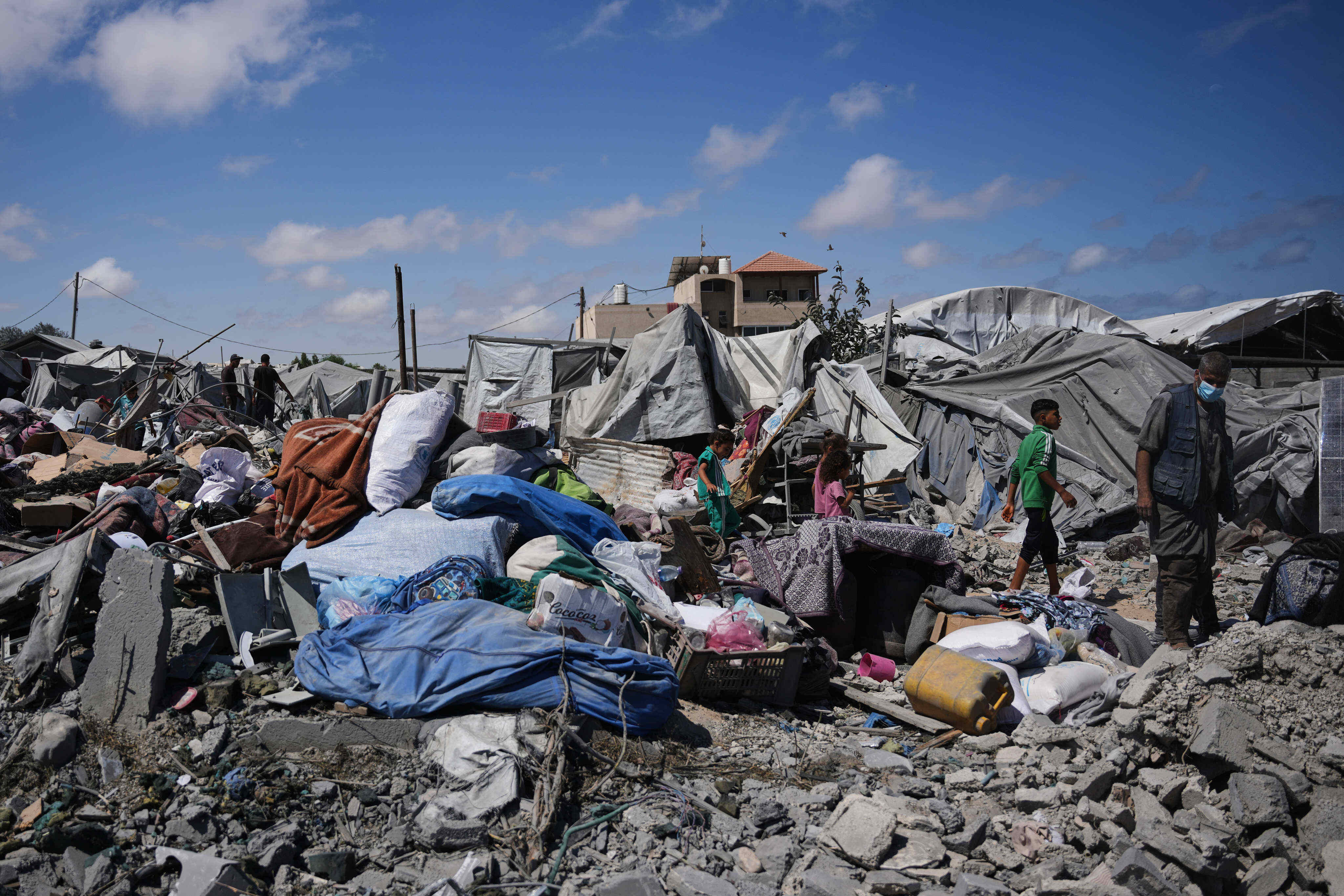
In their makeshift tent in southern Gaza, Mostafa Shaaban constructed a family toilet behind a curtain in one corner. The area emits a foul odour and is swarming with flies and mosquitoes, just a few feet away from where they sleep and prepare meals. However, it offers more privacy than the communal latrines used by hundreds of others in their tent camp.
“I did not want the kids and my wife to use any public toilet. It is humiliating,” said the 38-year-old Shaaban, who was driven from his home city of Rafah by Israeli forces two years ago.
“The situation is revolting,” he said of having the toilet inside the tent, “but at least it has more dignity”.
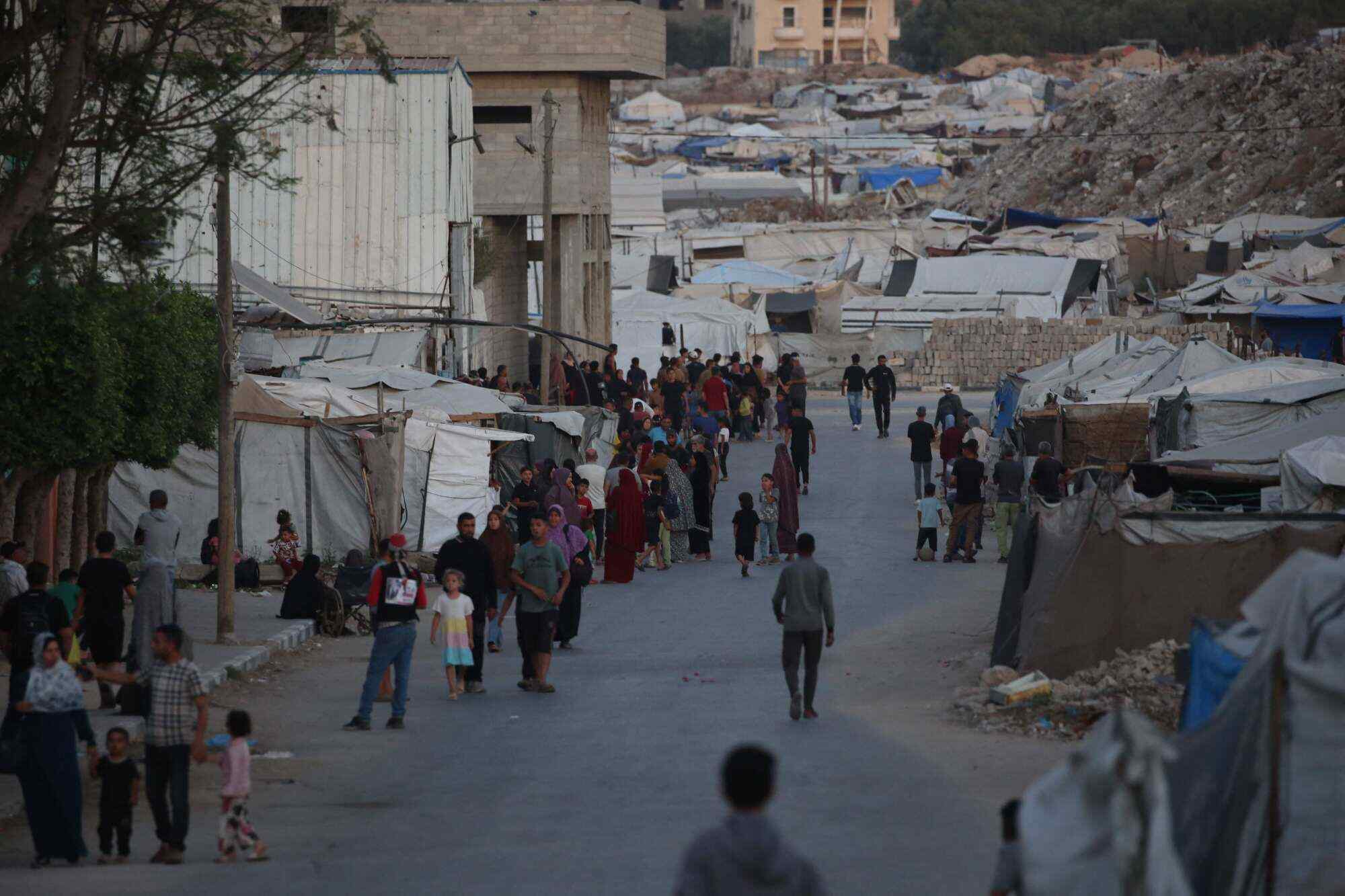
There is not a single functional toilet in the vast tent cities that shelter most of Gaza’s 1.7 million Palestinians, who have been left homeless by the war. Displaced families have largely had to rely on themselves to dig their own latrines, which are sometimes shared among extended families.
The situation has become a public health crisis, with terrible odours permeating the crowded tents and pools of sewage accumulating from leaking cesspits or from individuals emptying their latrines.
According to rights groups, over 80 per cent of the sewage pumping stations in Gaza have failed due to Israeli bombardments and offensives over the past two and a half years.
Some aid groups have carried out projects to improve toilets, but they have been small-scale. It remains far from certain when the reconstruction of Gaza will begin.
“It’s the most basic right. Making a toilet is more important than food and water, because you see the insects everywhere, the smell covers everyone,” said Shaaban’s wife, Iman Mansour, who is pregnant with their third child. “We want something clean.”
Building a latrine is not cheap. Shaaban said it took him a long time to set up his toilet because he had to buy the pipe for the latrine hole and the concrete to seal around it.
A porcelain toilet seat costs between 1,700 and 2,000 Israeli shekels (HK$3,918 to HK$5,329 or US$500 to US$680), out of reach for most families. In any case, a seat in a tent latrine would simply be set over the hole to provide a more comfortable seat, but it would be unable to flush.
In one of the camps around Khan Younis, Khaled Kollab laboriously cleared the sewage drain and pools of untreated waste water next to his tent.
His tent latrine is a simple squat toilet without a seat, which he said was made from ramshackle supplies because he could not afford anything better. His three-year-old daughter, Sila, stood nearby, her body covered in lesions.
“You go into this toilet and feel humiliation and shame,” Kollab said.