‘Baby cafes’ serving baby food are opening across Japan, giving new mothers a place to gather and combat post-partum isolation through shared meals and conversation.
In early April, a baby cafe opened in Arida, a city in Japan’s Wakayama Prefecture that only has a population of about 24,000. Baby Cafe Arida is run by a midwife clinic and is actually in the cafeteria of its facility.
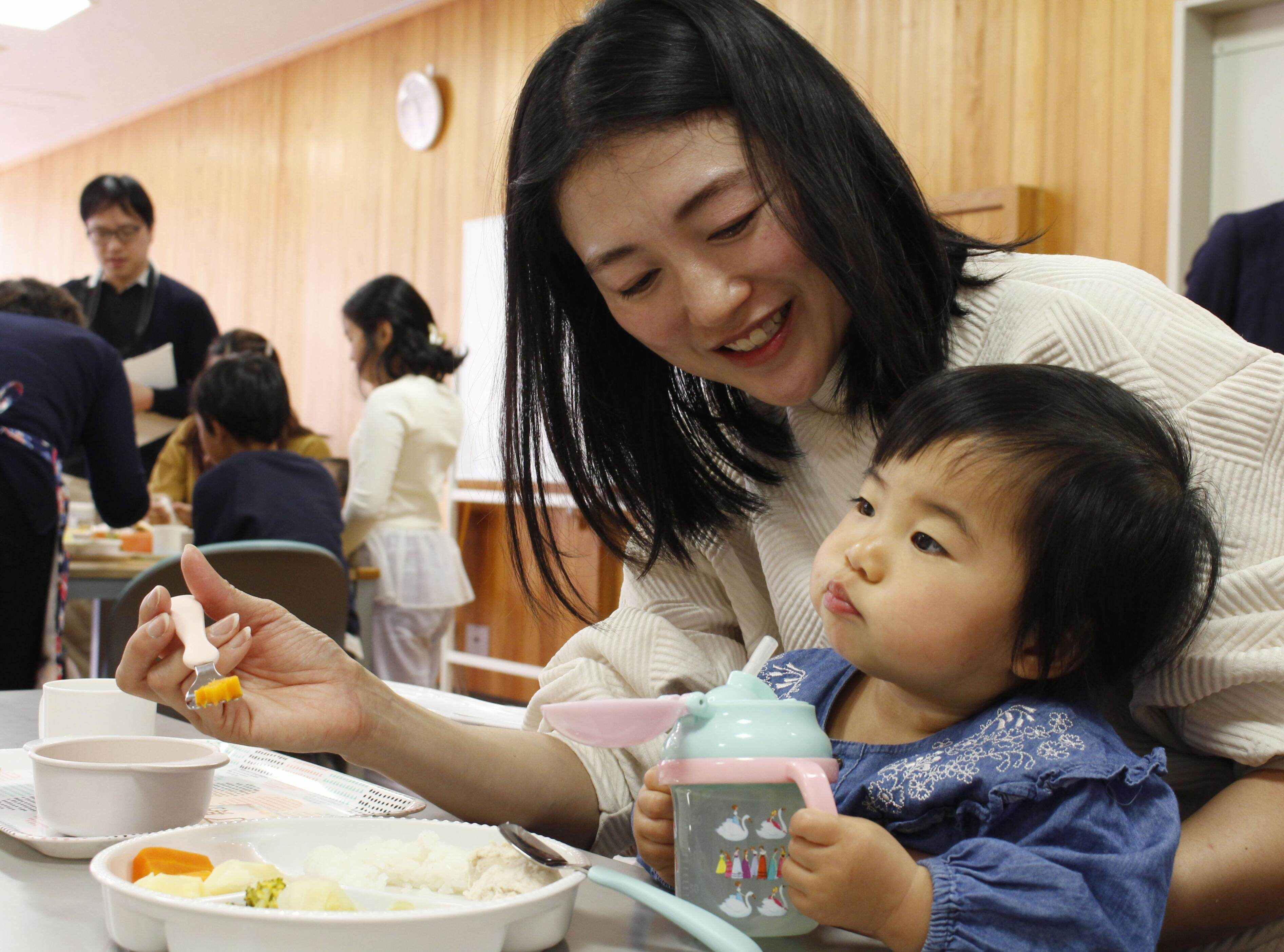
Ten parent-child pairs attended the first session. After finishing their meals, the infants played on the mats while the mothers ate curry and chatted happily.
The cafeteria provides infants under two with baby food free of charge. It opens once a month from 10.30am to 1pm. Children aged two and older can eat for 200 yen (about HK$9.6) and those aged 18 and up can eat for 500 yen (HK$24).
For the first session, applications were accepted on a first-come, first-served basis. The slots reportedly filled up within minutes.
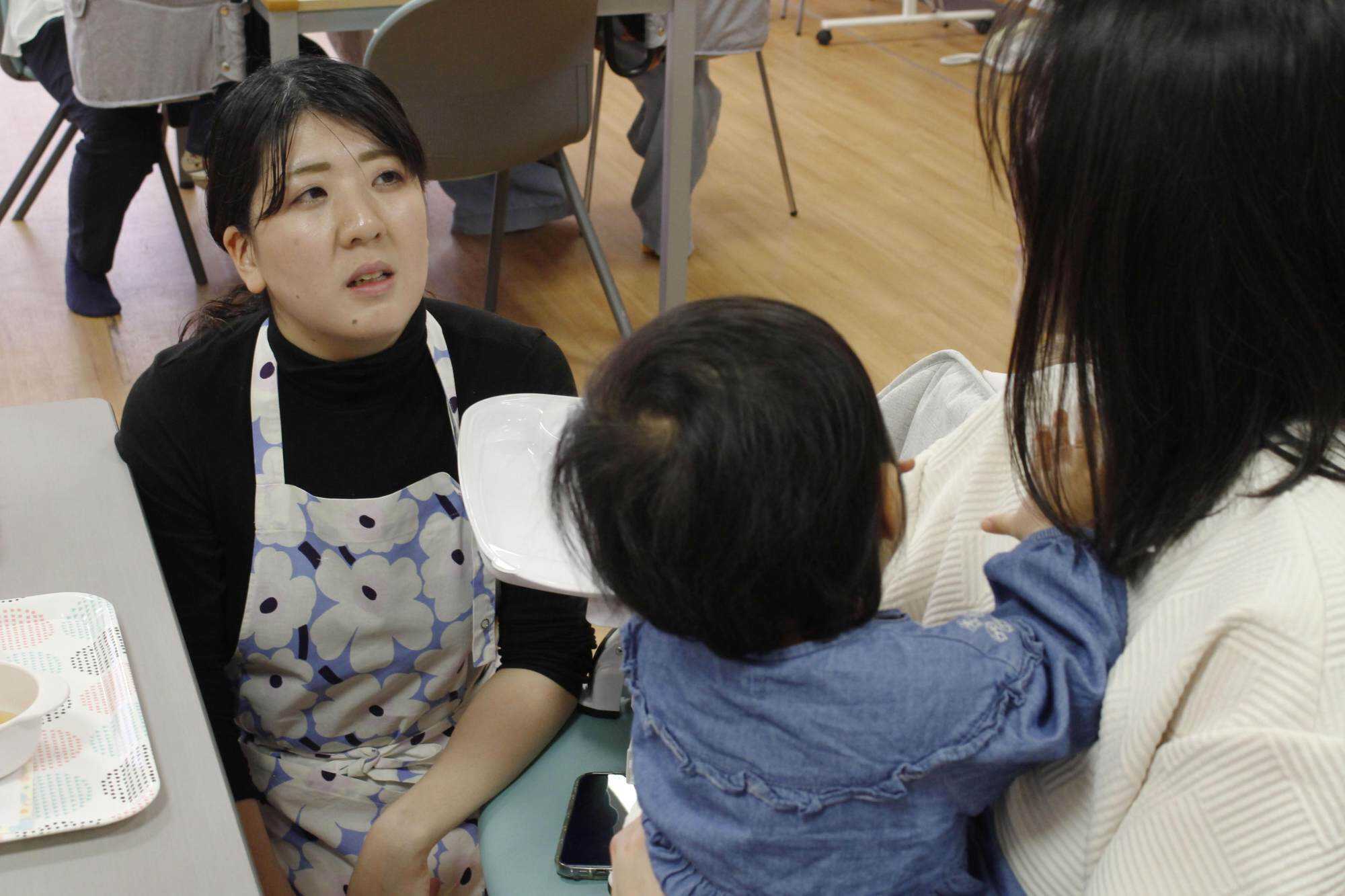
“It’s especially important in areas with few obstetrics and gynaecology clinics or maternity centres to create an environment where women can receive seamless support from pregnancy through the post-partum period,” said Midori Miyazaki, the 37-year-old midwife who runs the facility.
Chikako Tamaki, 27, who was visiting the facility with her 15-month-old son, said, “There are times when I feel lonely while raising my child, so it was nice to be able to enjoy a meal without any worries.”
Yurie Kuki, 33, another mother, said she had been worried because her one-year-old daughter wouldn’t eat her baby food, adding, “I’m glad I was able to talk to [Ms Miyazaki]. I’m motivated to try harder again.”
“Now that social connections have grown weaker, post-partum isolation has become an even more serious issue,” said Manami Kikuchi, a 39-year-old midwife who runs Baby Cafe Mamana in Samukawa, Kanagawa Prefecture.
In 2024, Kikuchi established a non-profit organisation that supports baby cafes nationwide. The NGO is engaged in activities such as creating guidebooks to share best practices. According to the organisation, baby cafes have spread to 30 prefectures, from Hokkaido to Okinawa.
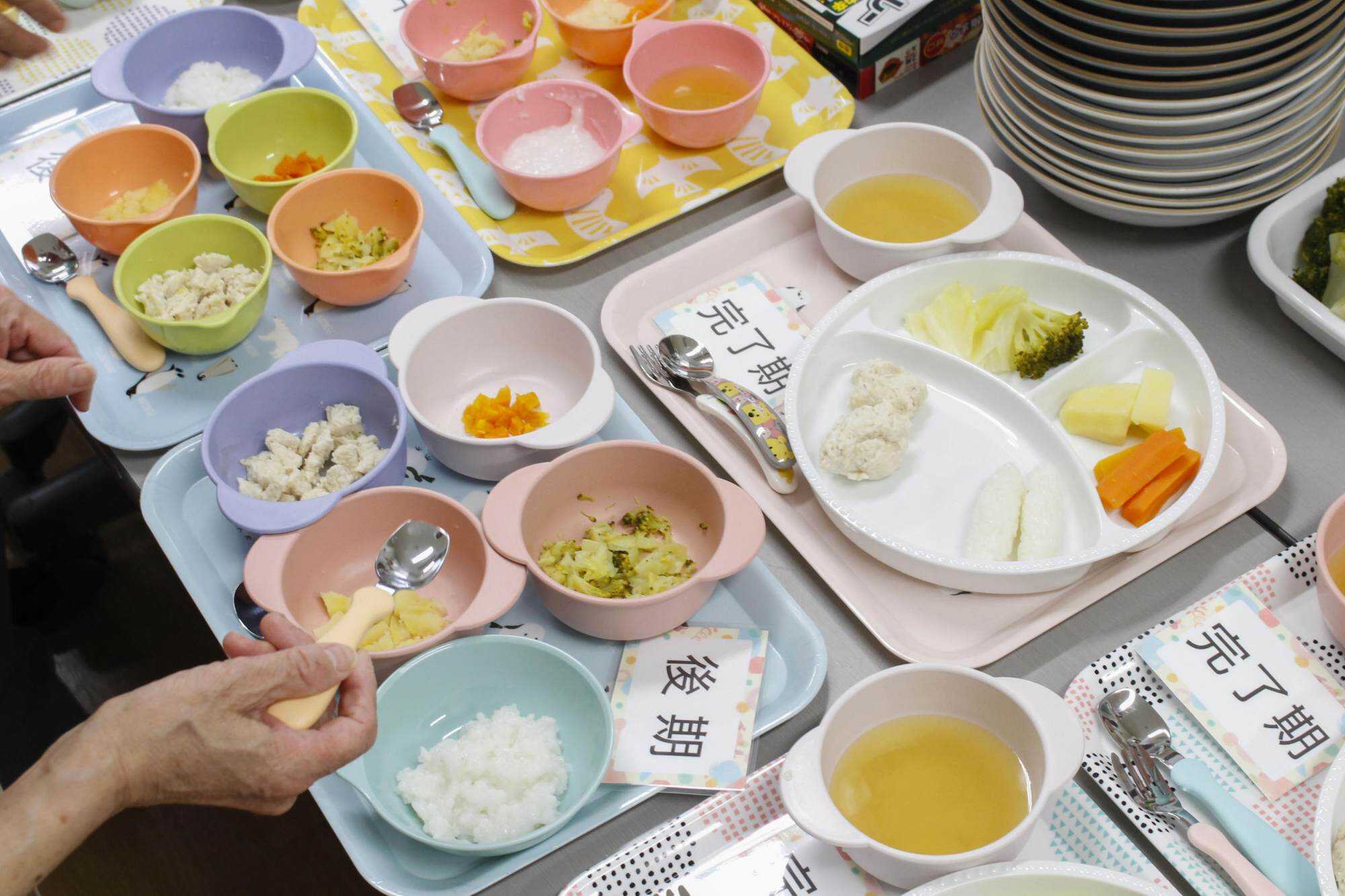
In addition to cafeterias run by midwife clinics, such as Mamana, some are operated by kindergartens. However, organisers face a heavy financial burden, including renting venues and purchasing food. It is also necessary to assign staff to care for infants and toddlers and ensure their safety, so labour costs are also a challenge.
Some local governments treat baby cafes the same as children’s cafeterias, known as “kodomo shokudo”, making them eligible for subsidies and food donations. Others receive no government support and operate at a loss.
“Having baby cafes allows mothers to send out an SOS. This also helps prevent child abuse,” said Kaori Ichikawa, a professor of maternal nursing at Tokyo University of Information Sciences who is an expert in post-partum care. “Relying on volunteers alone will undermine their sustainability. Ideally, public support should be provided.”