A recent survey conducted by the Hong Kong Family Welfare Society has revealed that one in five people in Hong Kong feels lonely.
This amounts to approximately 520,000 individuals who are self-isolating and reluctant to confide in family, friends or even AI chatbots.
The survey also showed that the city’s family well-being index has increased slightly from 6.06 in 2024 to 6.09 this year.
The NGO conducted the survey between January and February, randomly polling 2,112 residents aged 18 and above who lived with family members.
The findings showed that 19.8 per cent of respondents, or about one in five, were classified as “lonely”.
This was higher than the World Health Organization’s global rate of around 16 per cent, or one in six people experiencing loneliness worldwide.
“The figure is worse than the World Health Organization’s general rate, as we have roughly one in five people classified as lonely,” said Teresa Cheung Wing-shan, a senior manager at the NGO.
“Loneliness affects not only the individual, but also the entire household and the family well-being.”
Social isolation and loneliness have increasingly been recognised as a priority public health issue worldwide.
The survey showed that loneliness affected not only individuals, with respondents who had higher loneliness scores also reporting poorer family well-being.
Among those identified as lonely, 52.6 per cent said they “sometimes” or “often” felt overwhelmed by family and wished to escape, compared with 17.8 per cent of those who were not.
Nearly 10 per cent of respondents said they were unwilling to confide in family, friends or artificial intelligence, equivalent to about 520,000 people in Hong Kong experiencing self-isolation despite living with family members.
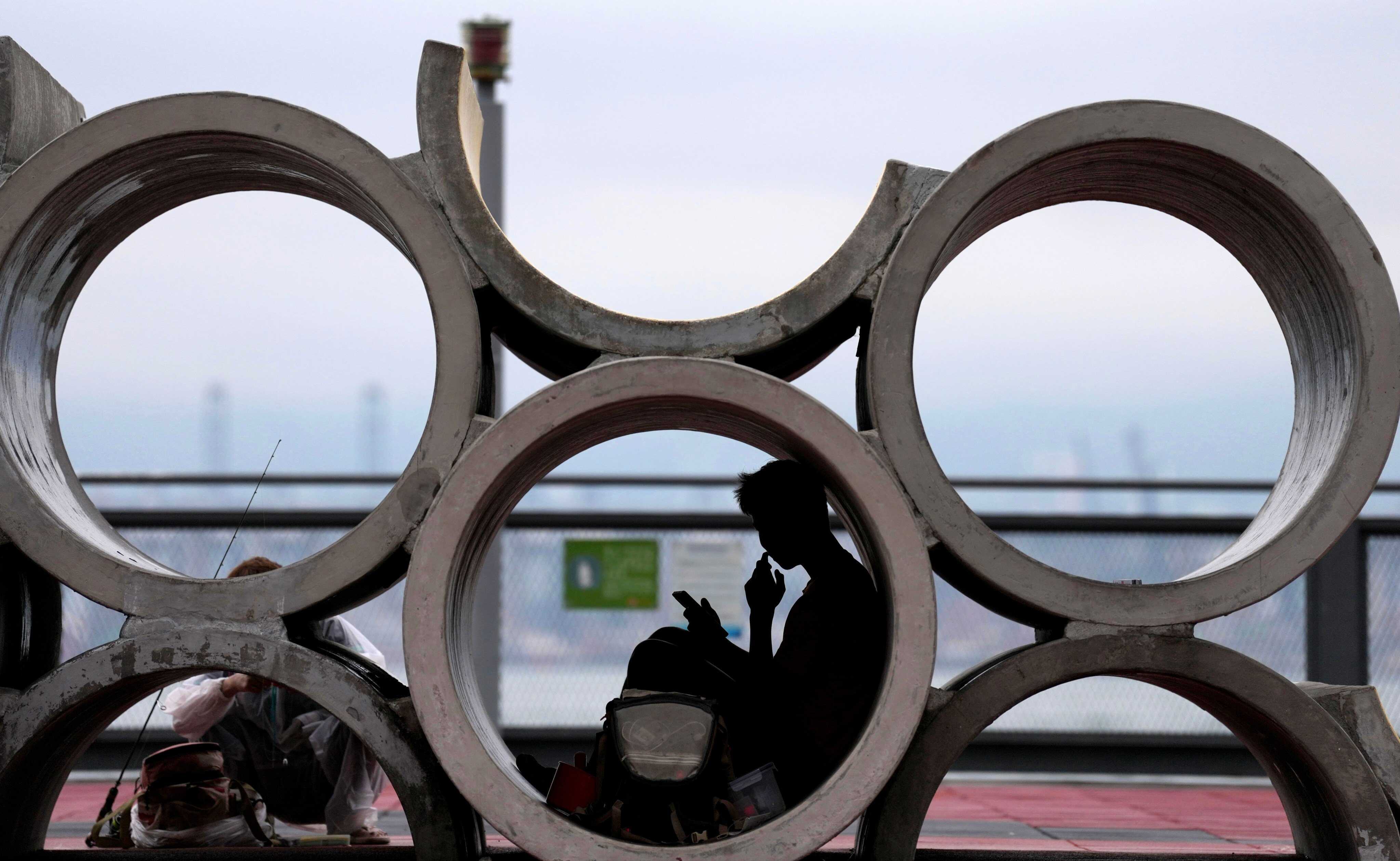
“People are not living alone at home, but everyone feels like an island with no one to talk to or being unwilling to talk to anyone – that is what we call ‘self-isolation within the household’,” Cheung said.
The survey recorded an overall family well-being index score of 6.09, indicating an “average” level. It was measured on a scale of zero to 10, with higher scores representing greater well-being.
This year’s score was a slight increase from 6.06 in 2024. The index stood at 6.10 in 2022 and 6.31 in 2019.
A 26-item questionnaire covering six areas – family solidarity, family resources, family health, social connection, social resources and work-life balance – was used to assess overall well-being.
The survey also found that interaction and communication with family members could enhance well-being and reduce loneliness.
When daily time spent with family members increased from less than one hour to two hours, the family well-being score rose by 0.26 points, while the loneliness score fell by 0.62 points.
Compared with those who did not communicate with family members, those who spent at least 15 minutes a day in casual conversation or confiding in family reported a 1.19-point increase in family well-being and a 0.84-point decrease in loneliness.
Rebecca Chan Suk-yee, chief executive of the NGO, suggested residents spend at least two hours a day with family members and engage in at least 15 minutes of conversation to provide companionship and care.
She also suggested using AI to strengthen interpersonal relationships, calling on the government and organisations to provide more services and training to help residents use the technology more effectively as a tool for connection.