
Every week, Talking Points gives you a worksheet to practise your reading comprehension with exercises about the story we’ve written.
Teens often compare test scores, sports achievements and even looks – but what might happen if schools started recording students’ weight?
Even if the initiative intended to help pupils take care of their health, 16-year-old Heer Donda worries it would just give her peers another metric to stress about – and feel shamed and belittled by.
“Speaking as a teenager, I know that if schools hold a ‘BMI [body mass index] checking day’, students will inevitably compare results,” said the pupil at King George V School in Hong Kong.
Heer added that for an already self-conscious group, an obsession with weight could trigger a range of other issues, from anxiety to eating disorders.
Last month, the Hong Kong government launched an action plan for weight management. The action plan includes promoting healthy lifestyles and food choices and providing weight management advice in healthcare services for the public.

Schools have been encouraged to purchase weight-monitoring equipment to help students develop consistent tracking habits. Weight management will also be incorporated directly into school practices alongside physical education.
The three-year initiative follows a report from the Department of Health, which revealed that 51 per cent of the city’s adult population is classified as overweight or obese.
While the plan’s intentions are to promote healthier lifestyles among young people, it could become a double-edged sword.
Dr Stephanie Ng is the founder of Body Banter, a charity that engages young people in healthy conversations about body image and mental health. She said encouraging teenagers to monitor their weight could be problematic and cause more harm than good.
“I am excited to see that this plan places a clear emphasis on supporting youth well-being. But weight-monitoring behaviours can promote hypervigilance surrounding body weight and shape,” said Ng, who has a PhD in sociolinguistics and psychology.
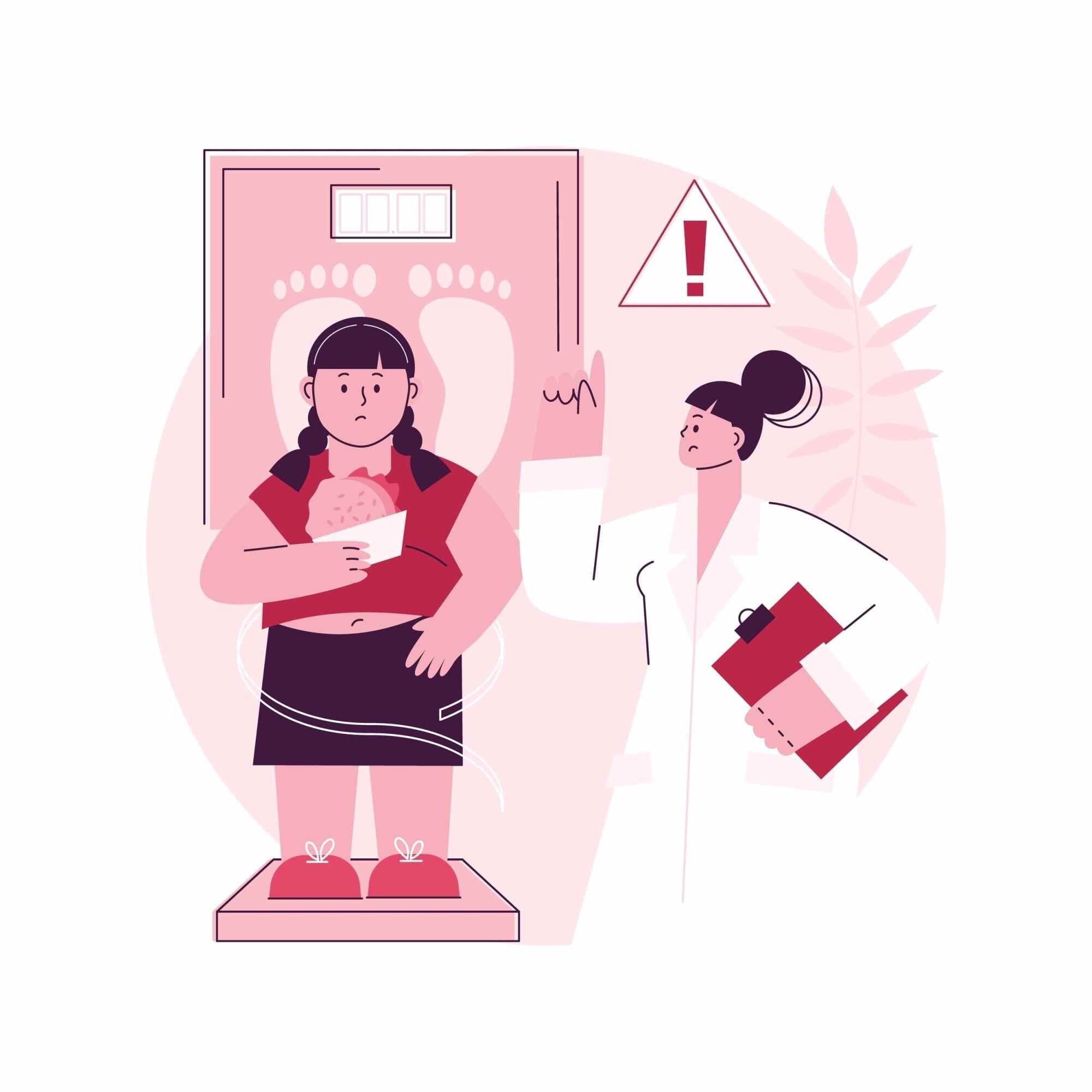
She noted that school-based health checks, such as routine weigh-ins and body measurements, could result in students obsessing over their looks.
“By reducing a child’s well-being to a set of numbers, schools may inadvertently replace the focus on overall health with a culture of numerical surveillance, a mindset frequently linked to body dissatisfaction and eating disorders,” she said.

A number is not a full picture
When teenagers equate their health entirely with the figure on the scale, their self-esteem becomes tied to a number they often have very little control over. This creates a cycle where weight gain feels like personal failure and weight loss feels like the only path to success.
The risk of stigma is equally troubling, according to 14-year-old Manem Sai Shiv Sri Mrudulasya, a student at Po Leung Kuk Ngan Po Ling College. She is worried that students who fall outside the “acceptable” BMI range may internalise shame or become targets of teasing.
“In a city already known for academic pressure and rigid beauty standards, layering weight‑based monitoring onto young people’s daily lives may push vulnerable students towards silent emotional distress rather than healthier habits,” the student said.

Ng cautioned that weight-contingent self-worth promotes guilt-driven habits such as exercising purely for calorie burn or choosing bland, low-calorie foods over tasty, nutrient-dense ones.
And students already struggle in the city’s high-pressure education system. Ng said that when students feel powerless over their grades or their future, they often look for something they can control: their diet.
The lack of time in a punishing study schedule often forces students into a cycle of skipping meals or surviving on unhealthy, processed snacks.
What a good action plan looks like
A balanced plan should empower students and promote nutrition education that is not diet culture. Ng advocated shifting the focus from the scale to a holistic view of health.
Rather than follow strict meal schedules, children should be taught to recognise when they are truly hungry or comfortably full. Physical activity should centre on teamwork and fun, and the focus should shift away from external metrics like calories burned.
“Health cannot exist in a hostile environment, and there needs to be psychologically safe spaces,” Ng said.
Schools should be given more funding and support to train teachers and parents to recognise and stop weight-based bullying.

Ng also suggested that schools should move away from using simplistic labels such as “good” or “bad”, which often categorise foods solely by calories. Effective nutrition education empowers students to see food as a source of energy, nutrients and genuine pleasure.
“For instance, some foods are a better source of energy, but they are not better than foods that provide enjoyment or cultural connection,” she said. “When we focus on the function of food rather than the caloric content, we empower students to eat in a way that is sustainable and shame-free.”
Most importantly, there needs to be better mental health integration: “Weight concerns may signal that a student needs additional emotional support, rather than a stringent diet or exercise plan.”