
Every week, Talking Points gives you a worksheet to practise your reading comprehension with exercises about the story we’ve written.
Dating is a healthy rite of passage, yet it is often wrapped in layers of confusion and “what-ifs”.
Maybe you’ve been talking to someone you like but are scared to figure out how they feel about you.
Some people worry that asking for clarity makes them seem desperate, said Clare Pemberton. She is the founder and psychotherapist at Ember Wellness HK.
But she warned that “waiting in limbo” could become stressful.
Pemberton explained that ongoing uncertainty activates the body’s threat-detection system. When your brain cannot predict if someone values you, it stays hypervigilant. You might be checking for hidden messages, overthinking interactions and bracing for disappointment.
Over time, this hurts your self-esteem. It can also affect your sleep quality, make it hard to concentrate at school and cause you to withdraw from friendships.
“You deserve relationships where you never have to wonder where you stand,” Pemberton said.

Crumbs of attention
You may be tempted to guess how the other person feels, but signals can be hard to read.
For example, you might encounter “breadcrumbing”. This is when someone is occasionally flirty but unclear about what they want. These “crumbs” are meant to keep you interested even if the person does not intend to date you.
When someone’s attention is unpredictable, it can affect your brain. It is like how a slot machine affects a gambler. Because you do not know when the next message is coming, you become addicted to the wait. It makes you happy for whatever attention they give you.
“This inevitably teaches you to accept crumbs when you deserve a whole meal,” Pemberton said.
So how can you start a conversation about whether you are in a relationship without sounding demanding?
Pemberton suggested framing the question around your feelings.
She gave an example of how to start: “I’ve really enjoyed getting to know you, and I’m curious [to know] how you see us.”
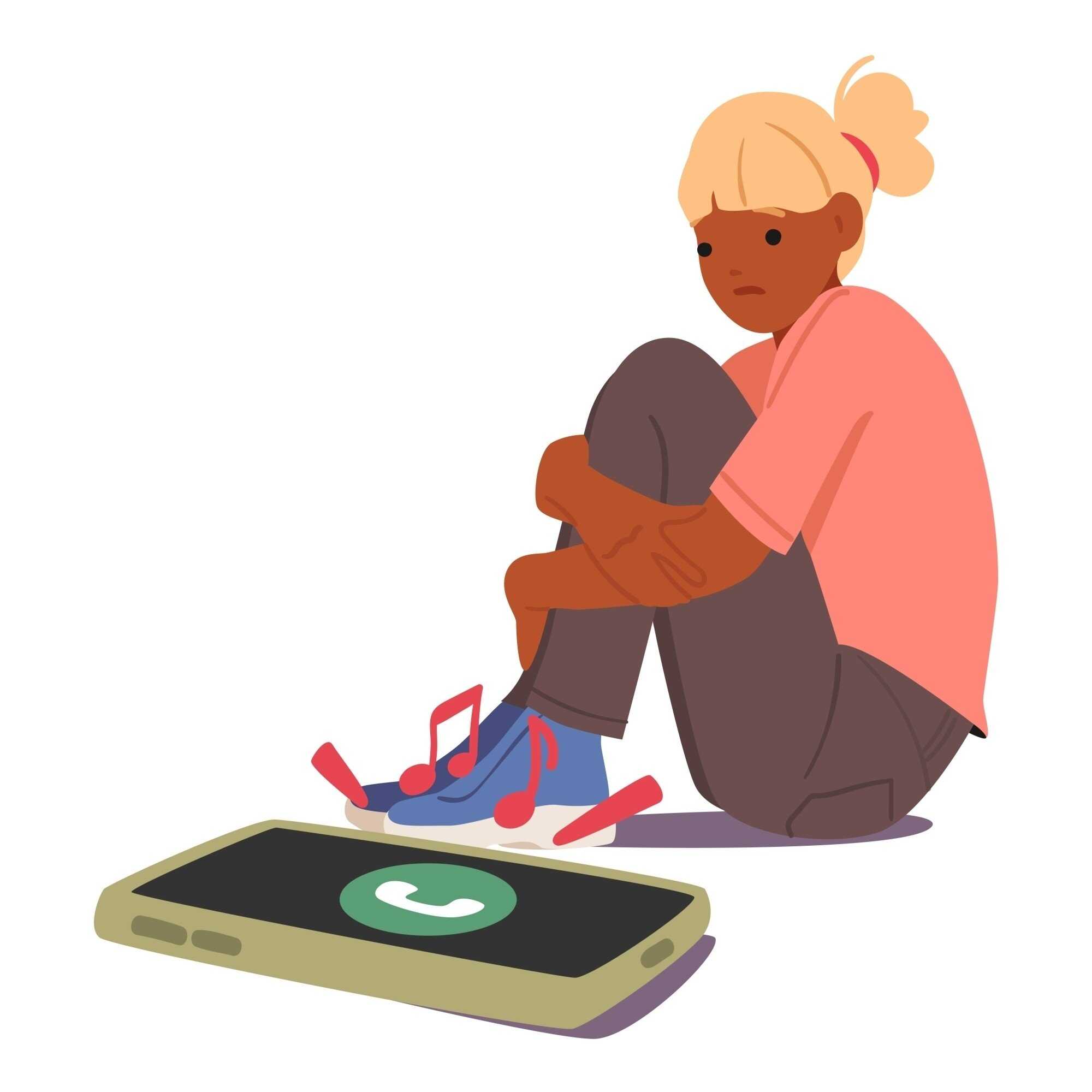
What to do with an ambiguous answer
The other person may say they do not know how they view your relationship or refuse to label it. This can mean they are not ready, but if weeks pass without clarification, this is usually a form of avoidance. It is also a sign to move on.
“An honest ‘no’ or ‘not now’ is kinder than ambiguity,” Pemberton said.
When there is no clear answer, it is easy to think the other person might change their mind.
While letting go is difficult, it helps to remember that rejection can redirect you to something better.
To create distance from the other person, mute their social media stories, spend time with friends and do activities you enjoy.
“Notice how your nervous system settles when you are not waiting for crumbs. This is how you should feel in a stable relationship,” Pemberton said.
Once you feel calmer, reflect on what this experience taught you about your boundaries.
Learn to recognise when someone’s actions do not match their words, or when they cannot offer what you value in relationships.
As hard as it might feel to create distance from someone you like, this is a normal part of being a teen. It can also teach you how to have deeper, more authentic relationships in the future.