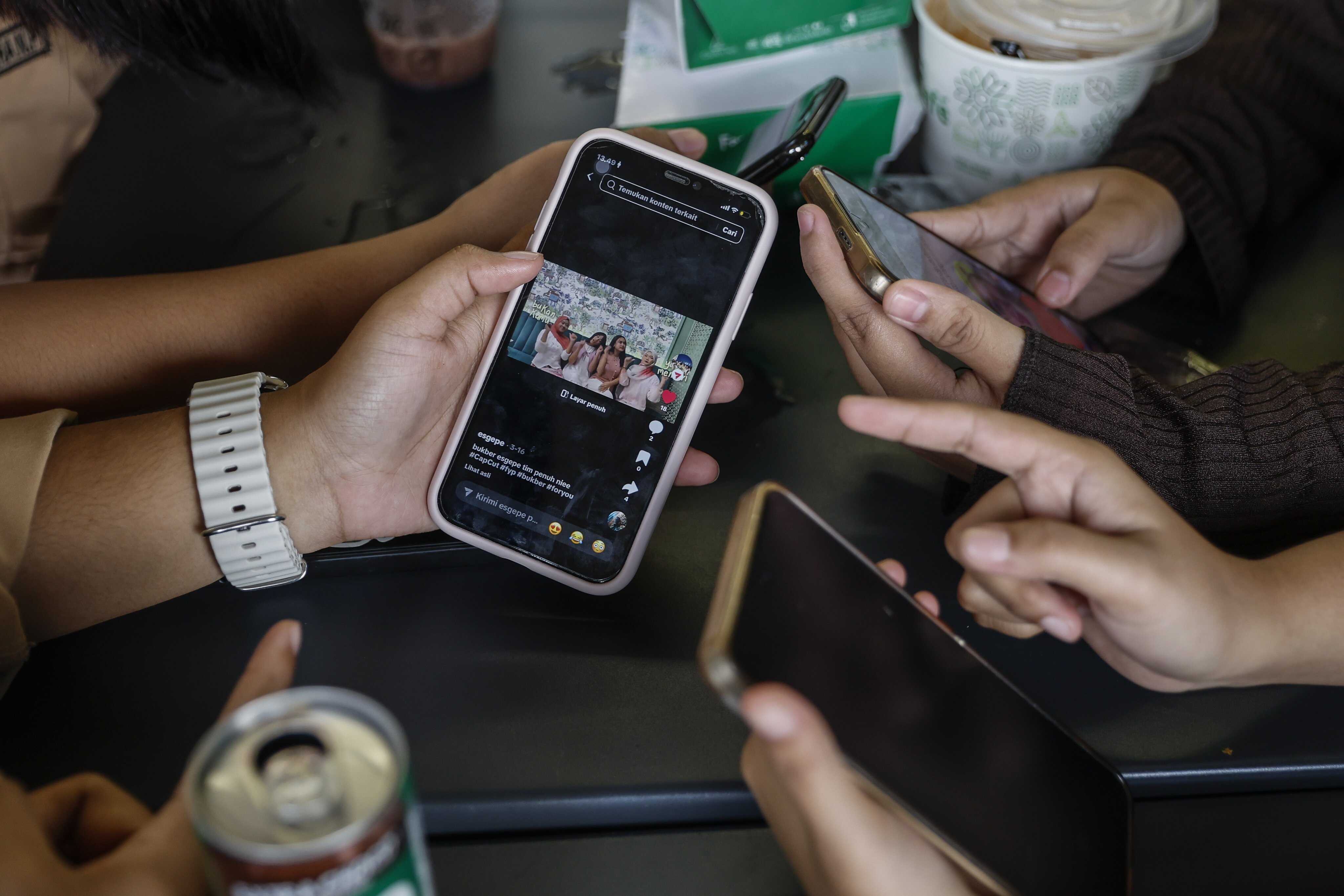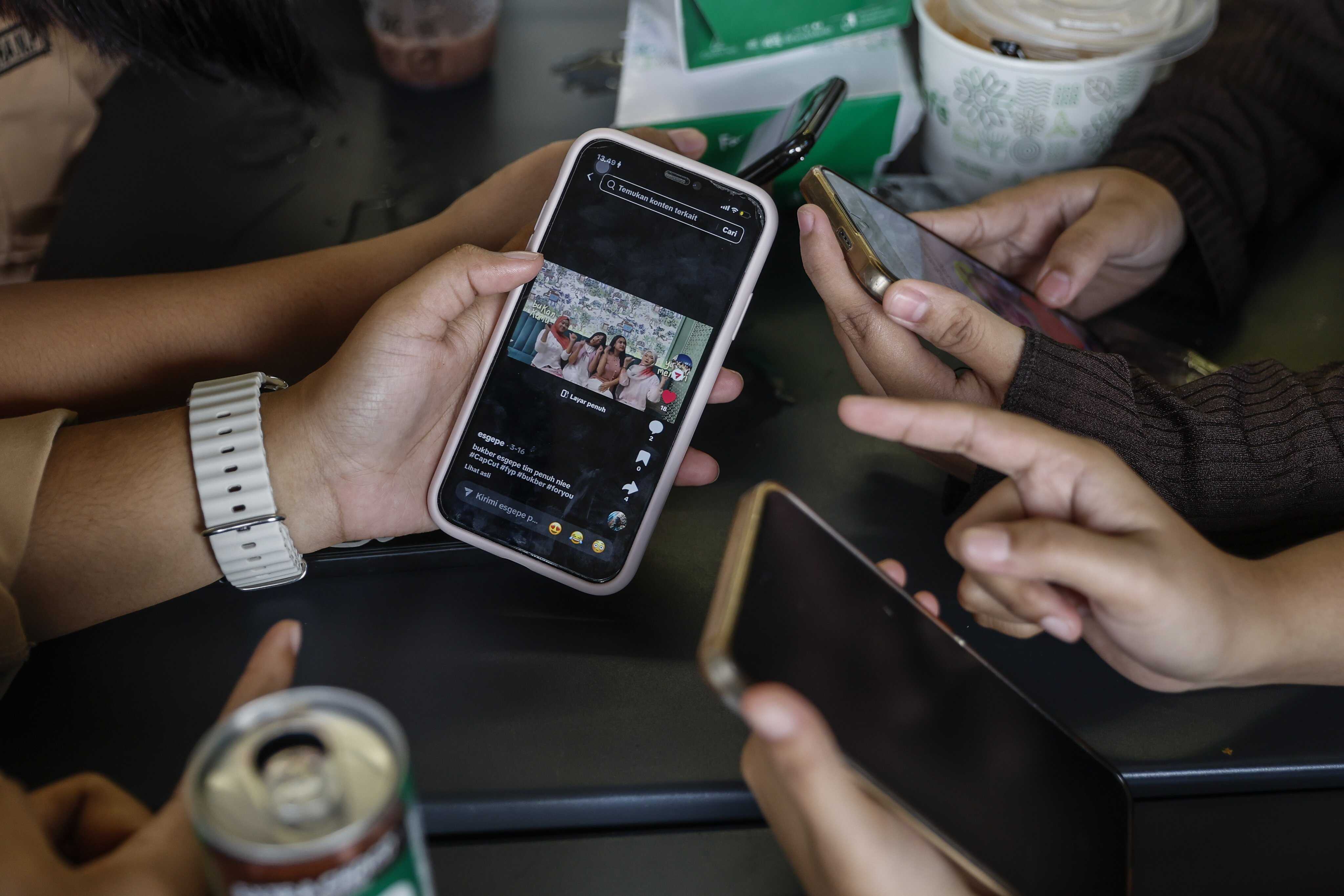
Earlier this year, Indonesia officially barred under-16s from using “high-risk” social media. But that hasn’t stopped the son of one Jakarta-based writer from using it.
Aged 14, he already had accounts on Instagram and TikTok – among the platforms Jakarta said children would be banned from using – as well as popular video game Minecraft and gaming platform Roblox. To register, he simply lied about his age.
“He can access everything,” Inne Abidin said of her son. “His friends use everything too.”
Since March, Indonesia has had some of Southeast Asia’s strictest rules governing children’s social media use.
Yet, like elsewhere in the region, such restrictions are only as effective as the systems Big Tech platforms put in place to identify underage users – and keep them out.
From Malaysia to Vietnam, the Philippines and Singapore, governments that once merely urged platforms to protect children are now imposing rules designed to force social media companies to take responsibility.

Indonesia’s child protection regulations have already affected how social media companies operate.
In April, Meta Platforms raised the minimum age for a Facebook, Instagram or Threads account from 13 to 16 in Indonesia, with YouTube following suit later that month. Both said they would begin a phased deactivation of accounts belonging to underage users.
TikTok, the first platform to comply with the new rules, raised its minimum age to 16 on March 28. By October, it had deactivated 9 million underage accounts, Indonesia’s digital affairs minister announced on Wednesday.
And online gaming platform Roblox now scans Indonesian users’ faces to estimate their age, restricts some communication features for children and has added age-based account limitations.
Yet youngsters still seem to find ways to skirt the rules. To combat this, Indonesia’s government has given tech companies until the end of the year to complete comprehensive self-assessments detailing how their algorithms, age-verification and ad-targeting systems protect children.
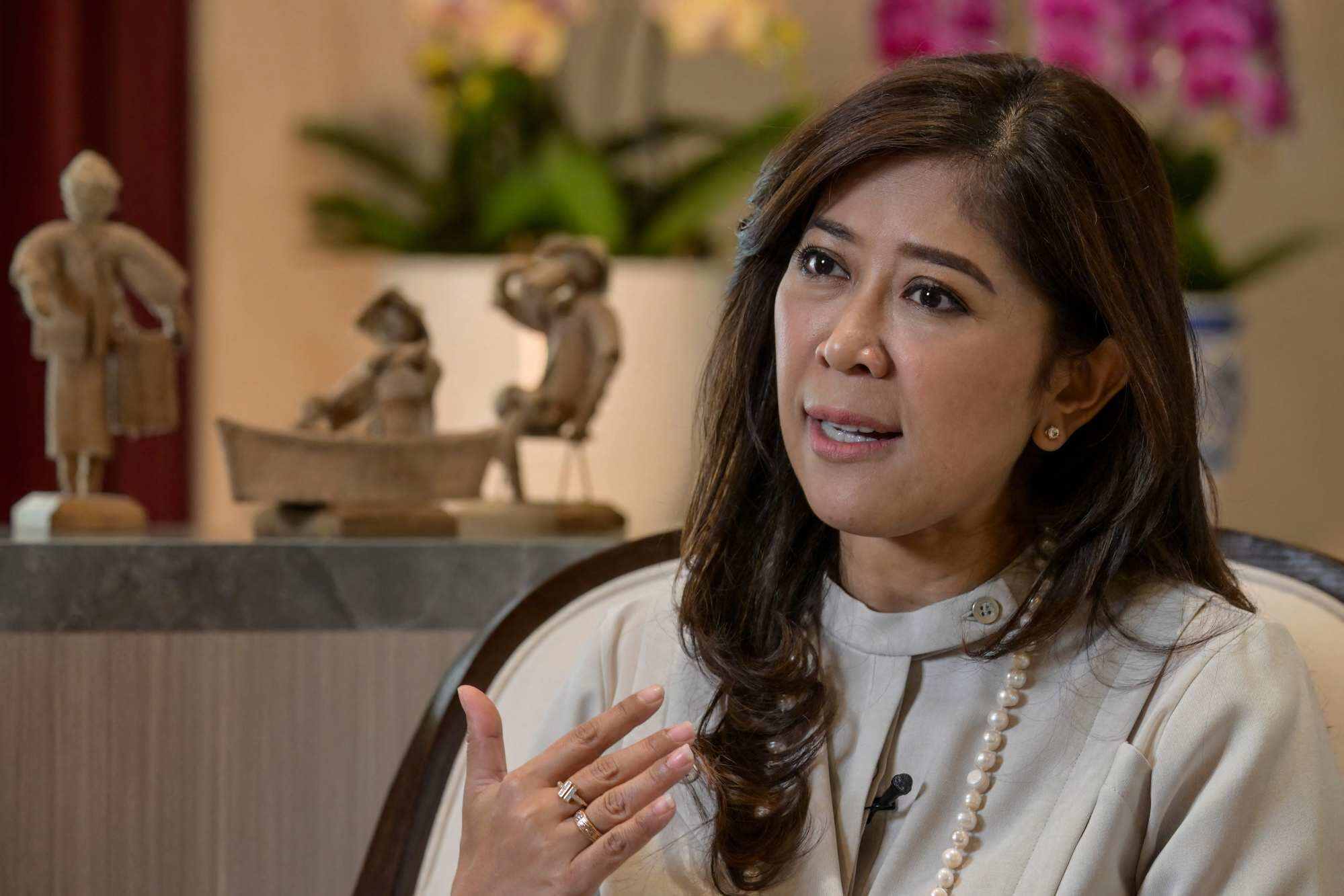
If the platforms fail to comply, the Communications and Digital Affairs Ministry has finalised a sanctions mechanism that – once codified into law – would allow Indonesia to levy fines of up to 6 per cent of tech firms’ global revenue. Applied to Meta’s reported revenue for 2025, that would amount to roughly US$12 billion (HK$94.17 billion).
Such a fine would not be without precedent. In August, Meta agreed to pay a coalition of US states up to US$18 billion to settle lawsuits alleging Facebook and Instagram were deliberately designed to make children addicted and caused them harm.
The settlement also forced sweeping changes to how teens experience the platforms, including daily usage limits, overnight usage blocks and strengthened age-verification controls.
Meta has reportedly migrated some 22.5 million Indonesian platform users across to these “teen accounts”, but for the country’s government this does not go far enough.
“While we see this as progress, we still do not consider Instagram and Facebook teen accounts to be low-risk,” Communication and Digital Affairs Minister Meutya Hafid told reporters in Jakarta on Wednesday. “They remain categorised as high-risk.”
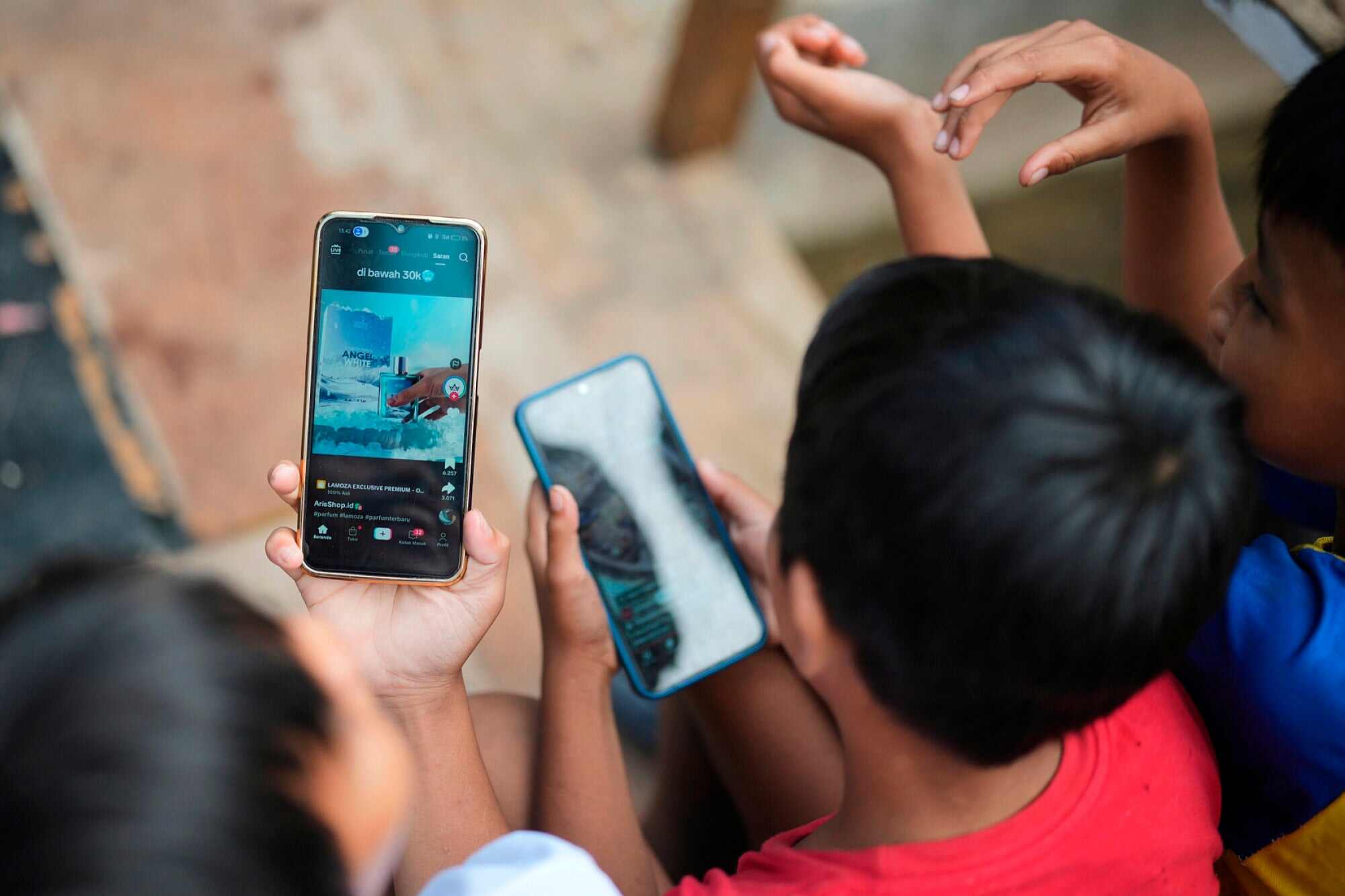
Indonesia’s social media ban may have been Southeast Asia’s first, but it is far from alone in trying to make Big Tech take responsibility for children’s safety online.
In Malaysia, rules in force since June now bar under-16s from opening or maintaining social media accounts and require platforms to verify users’ ages. Companies that fail to comply face fines of up to 10 million Malaysian ringgit (HK$19.2 million), with further penalties for ignoring regulatory directives.
Vietnam is considering a draft decree that would limit under-16s to a view-only mode of social media, preventing them from posting content, commenting, sharing or reacting to other posts. Accounts would have to be registered using a parent or guardian’s details under the proposed rules, with platforms required to block age-inappropriate material and place caps on children’s online gaming time.
The Philippines’ approach has been more piecemeal. It already legally forces internet providers to block child sexual abuse material or face heavy penalties and has used regulatory pressure to squeeze direct concessions from platforms. Lawmakers are also considering introducing age limits and other measures.
In August, Meta and Roblox agreed to strengthen age checks, parental controls and content takedowns following talks with Philippine authorities over child safety and online radicalisation. A spate of school shootings this year also spurred officials in Manila to order Reddit and Discord to appoint local representatives to coordinate on online threats. Discord was briefly blocked before agreeing to cooperate.

Singapore requires social media giants to shield users, including children, from harmful material under its Online Safety (Miscellaneous Amendments) Act that came into effect in 2023, with non-compliance carrying a financial penalty of up to 1 million Singapore dollars (HK$6.13 million).
App stores have been legally required to verify the ages of users who want to download age-restricted material in the city state since April this year. And an Online Safety Commission, launched in June under legislation passed last year, has the power to order the immediate removal of harmful content and restrict offending accounts.
Global technology companies can also opt to deal with countries one by one, which analysts and advocates say makes it harder for smaller markets to exert sustained pressure. One solution could be to present a more united front.
“A regional coalition can push Big Tech to create child-friendly ecosystems in ways no single country can,” said Unggul Sagena, head of internet access at the Southeast Asia Freedom of Expression Network, an Indonesian digital rights organisation that advocates for internet freedom and user safety.
“Individually, each Asean country is a market platforms can afford to deprioritise. Together, the region is not.”
Regional tech policy adviser Paco Pangalangan, a technology and human rights fellow at the Harvard Kennedy School in the US, said that, taken as a whole, the Association of Southeast Asian Nations could leverage the region’s more than 400 million social media users to strengthen its hand in negotiations.
“Collectively, we have a market that platforms can’t afford to simply deprioritise,” he said.