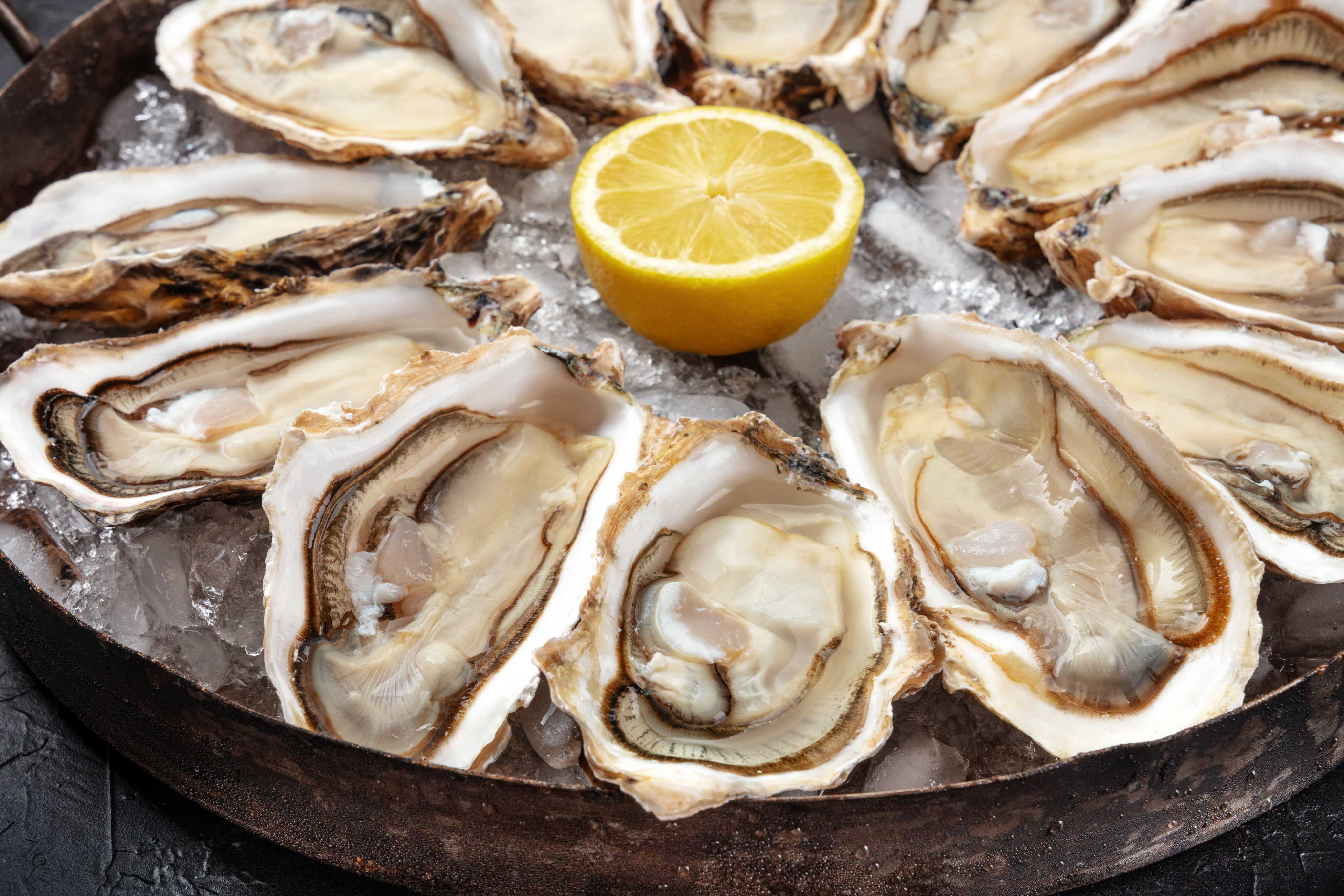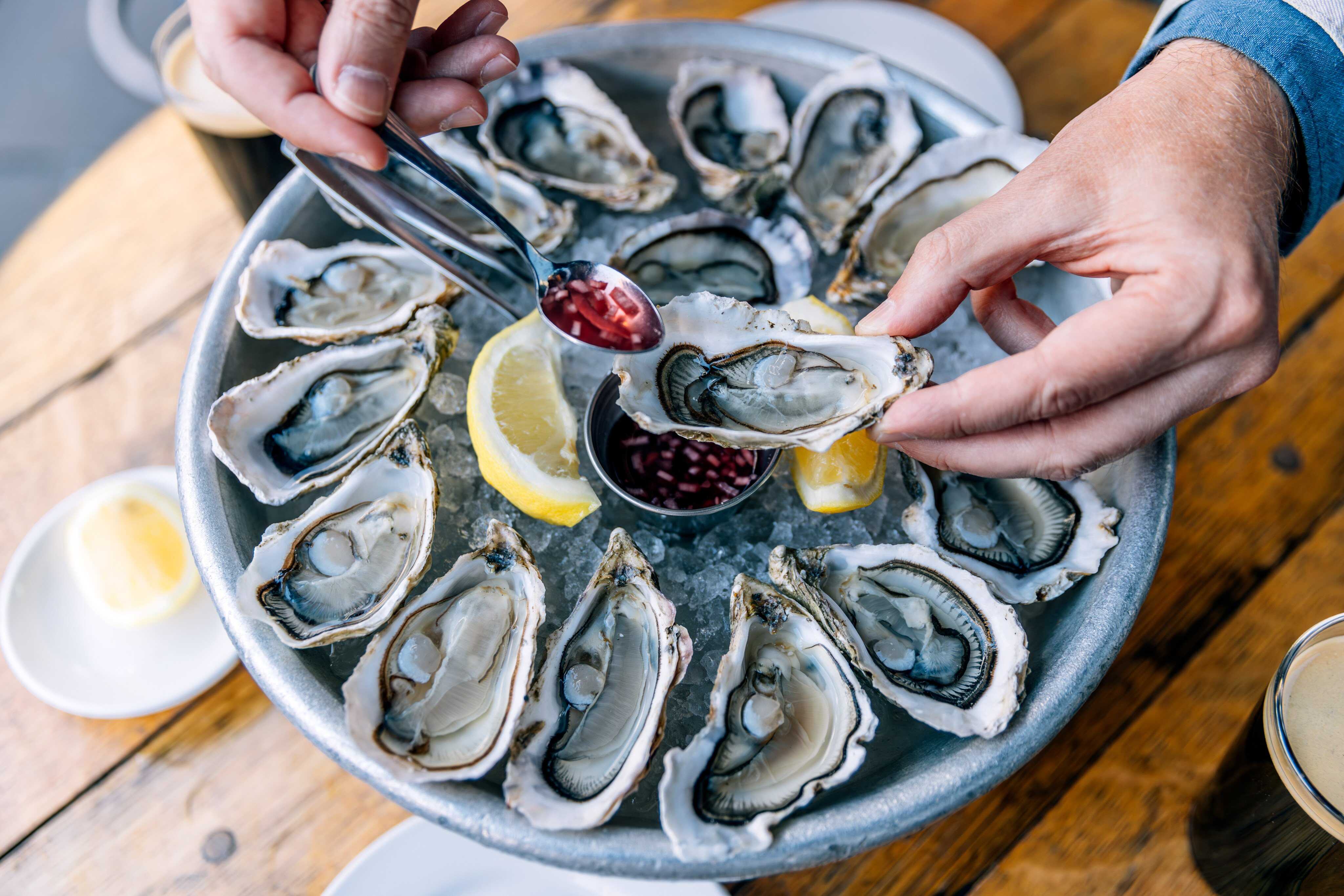
Hong Kong’s Centre for Health Protection (CHP) has advised the public to avoid eating raw seafood after a series of food poisoning outbreaks linked to raw oysters in local eateries.
The warning comes as the city enters the peak season for norovirus, a contagious virus that causes acute gastroenteritis.
Norovirus can be spread via contaminated water, food and hand-to-mouth transmission, said Lam Wing-wo, a family doctor based in Hong Kong. Sewage leakage or drainage problems could be factors that contaminate water sources.
It is quite a “common” virus with a higher survival rate in winter that dies easily in hot temperatures, noted Terence Lau Lok-ting, chairman of the Food Safety Consortium and interim chief innovation officer at Baptist University.
Symptoms include nausea, vomiting, diarrhoea, abdominal pain, low-grade fever and malaise. Most people recover within one to three days, according to the CHP.
Investigations revealed that some of the contaminated raw oysters involved in recent cases originated in France and were supplied by a Hong Kong company, with connections to a producer in Spain. As a precaution, the CHP has instructed the industry to immediately suspend imports and sales of all oysters from that specific producer.
It added that it had also notified Spanish authorities.
From January 18 to February 11, the CHP recorded 45 cases of food poisoning, 39 of which were associated with norovirus and affected 113 people.
‘Almost unkillable’
The recent cases prompted Dr Albert Au Ka-wing, head of the CHP’s communicable disease branch, to reiterate that norovirus, commonly found in raw oysters, was highly contagious.
He warned that winter was the active season for norovirus, with a peak period from January to March.
Au added that even a small amount of the virus could cause acute gastroenteritis or food poisoning.
He urged people to avoid raw oysters and other uncooked foods such as sushi and sashimi, advising them to eat only thoroughly cooked meals and dine at reputable restaurants.
Top microbiologist Yuen Kwok‑yung from the University of Hong Kong added that norovirus was “almost unkillable”.
“Norovirus cannot be killed by alcohol,” he said. “It’s incorrect to claim that washing hands with sanitiser or plain water can eliminate it; neither is effective against the virus.”
Yuen said oysters could accumulate viruses in their bodies at concentrations up to 99 times higher than those found in contaminated seawater. He stressed that oysters were safe to eat if thoroughly cooked and cross-contamination was properly controlled, adding that imports should not be banned.
Meanwhile, CHP controller Dr Edwin Tsui Lok-kin said that because oysters filtered a large volume of seawater when they fed, pathogens could accumulate in them if they were grown in or harvested from contaminated water.
“Raw or undercooked oysters are considered a high-risk food,” Tsui said.