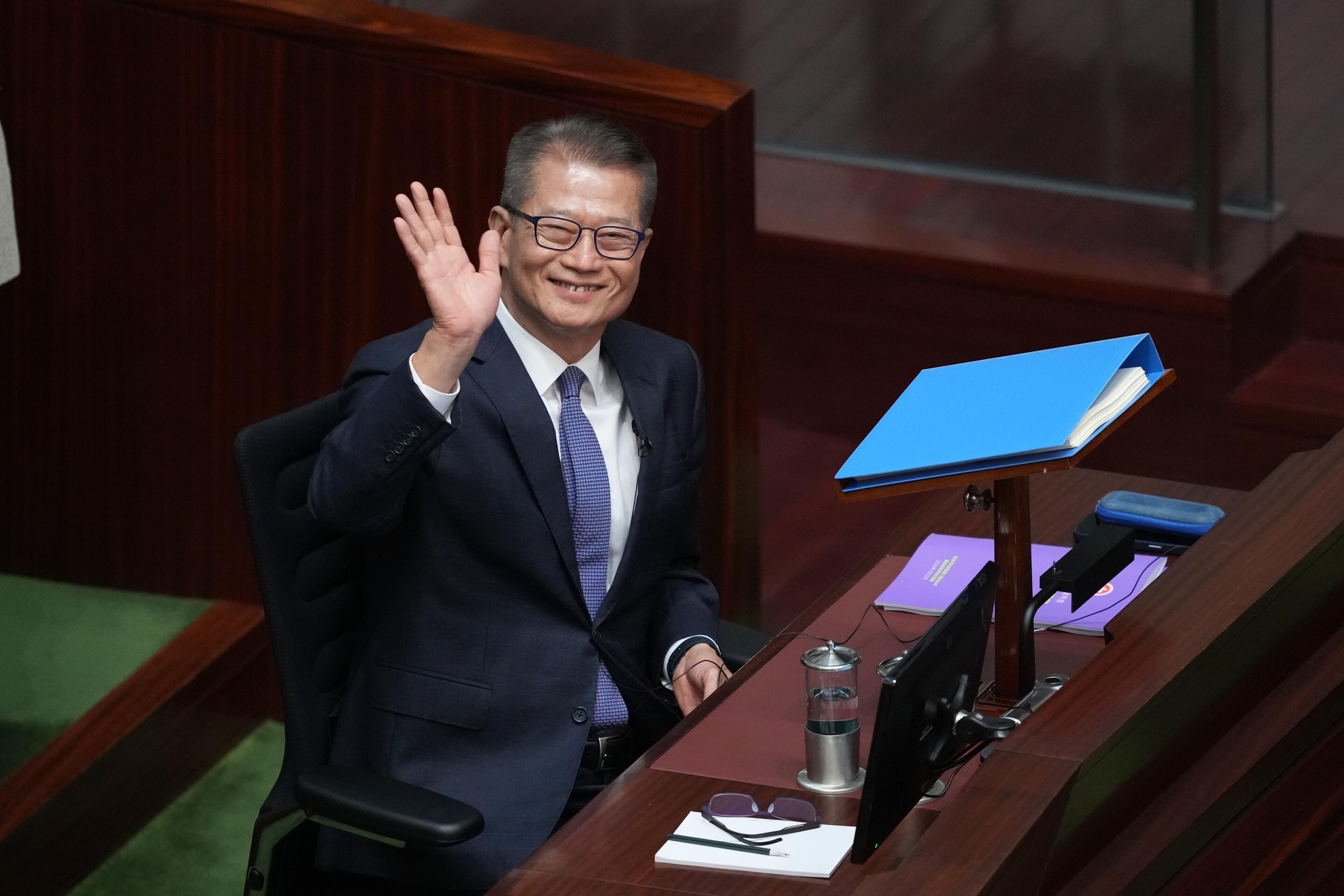
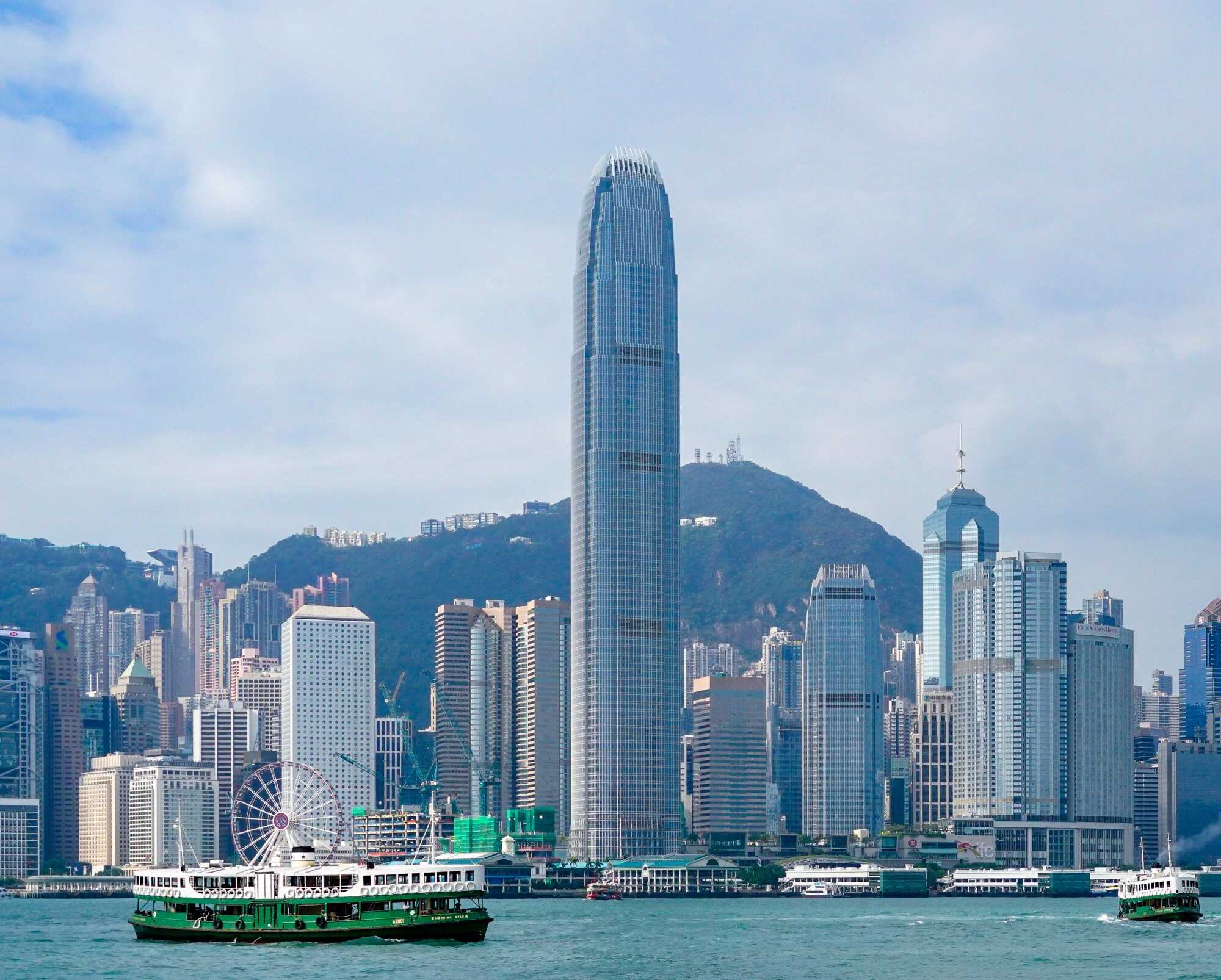
Hong Kong is investing heavily in innovation and artificial intelligence while reaffirming its commitment to being an international financial centre. This approach aligns with the country’s development goals, as stated by the financial secretary during the budget announcement, which allocates billions of dollars to these sectors.
Paul Chan Mo-po on Wednesday spotlighted the development of the Northern Metropolis megaproject and San Tin Technopole as the cornerstones of Hong Kong’s innovation and technology (I&T) strategy. He pledged to spend up to HK$150 billion (US$19.17 billion) to accelerate the establishment of firms there and other infrastructure projects.
AI-driven economic growth initiatives
As part of the economic transformation, the city will launch an AI+ strategy to drive industrial reform led by a committee that Chan will chair. The city will also promote artificial intelligence (AI) applications in the banking sector and AI literacy on all levels of society.
He suggested ideas to boost offshore yuan and gold trading, all aimed at strengthening the city’s position as a global financial centre during uncertain times for the US dollar and a tense political situation.
Noting that mainland China was also focused on technology and AI, Chan said these sectors brought both opportunities and challenges.
“Yet, Hong Kong has always thrived amid changes and progressed through innovation, demonstrating strong determination and resilience, as well as exceptional agility and adaptability,” he said.
“While transformation is ongoing, our economy has recalibrated its course and is advancing steadily.”
After a surprising growth of 3.5 per cent in 2025, Chan expects the economy to grow between 2.5 and 3.5 per cent this year.
With that projection, the city is on track for a fourth straight year of growth. This shows it is moving past the effects of the Covid pandemic and is ready to take advantage of the positive momentum, analysts said about the budget plans, supporting Chan’s hopeful view.
In his two-hour speech, Chan mostly talked about the economy, but he also gave some help to nearly everyone. He especially focused on the “sandwich class”, which includes workers who have both elderly parents and children, by offering better tax breaks.
To boost Hong Kong’s own technology and align with the 15th five-year plan, Chan shared several plans covering areas such as infrastructure, health technology and new fields like aerospace.
The biggest investments, which will total HK$150 billion over the next two years, will go into building projects. This includes the Northern Metropolis, a huge development in the New Territories that will have a technology hub and as many as 186,000 homes.
Exchange fund to power infrastructure projects
In an unusual decision, Chan said the money for these and other building projects will come from the Exchange Fund, the government’s main investment fund that acts like a sovereign wealth fund. This fund is usually used to keep the city’s currency value steady compared to the US dollar.
This will be the first time since 1984 that the government is using money from the fund to make up for lost income due to the removal of some taxes and lower interest rates on Hong Kong dollar deposits.
The fund achieved a record-breaking investment income of HK$331 billion in 2025, representing a 51 per cent increase over the HK$218.8 billion recorded in 2024.
Promoting AI literacy
In a major step to boost I&T, Chan will set up and chair a Committee on AI+ and Industry Development Strategy, tasked with creating conditions for AI to empower the transformation and development of industries.
To promote AI literacy across society, the government will allocate HK$50 million to support public organisations, technology enterprises, and tertiary institutions in launching AI application courses, seminars and competitions.
Public services ranging from traffic management, employment services, flood alerts and landslide risk assessments will also benefit from AI applications.
Chan said he had budgeted HK$100 million for technology companies to come up with solutions to fast-track the government’s digital intelligence transformation.
The city will also step up support for emerging industries such as RISC-V open-source chip development.
Chan said the Hong Kong Investment Corporation (HKIC) – established in 2022 to deploy government reserves in support of economic growth – would receive a funding boost, though he did not disclose the amount.
“Given that the HKIC’s initial capital of HK$62 billion has largely been allocated, we will arrange a capital injection in due course to further promote I&T development and industry clustering,” Chan said.
Chan also announced that the Hong Kong Microelectronics Research and Development Institute’s pilot production lines for third‑generation semiconductors would commence operations this year.
Local think tank Our Hong Kong Foundation welcomed the creation of the AI+ and industry committee but urged authorities to establish a clear road map with measurable key performance indicators.
“The committee should consider enacting legally binding ordinances for higher-risk AI applications to address ethical issues arising from the technology,” vice-president Kenny Shui Chi-wai said.
Hong Kong General Chamber of Commerce CEO Patrick Yeung Wai-tim told the South China Morning Post that the initiatives over AI, I&T and the Northern Metropolis were “in the right direction, and the investments will reap big dividends further down the road.”
Regina Ip Lau Suk-yee, convenor of the Executive Council, described the budget as conducive to growth.
“Within the fiscal constraints, the financial secretary has put forward a highly comprehensive budget that is pro-growth and supports those in need,” Ip said.
She referred to the various sweeteners, including a 100 per cent reduction in salaries tax, personal assessment and profits tax, subject to a cap of HK$3,000, along with additional allowances.
Lawmaker Stanley Ng Chau-pei, president of the Federation of Trade Unions, said the scale of the budget’s relief measures was appropriate, despite the public’s high expectations for more sweeteners.
City leader John Lee Ka-chiu said the budget actively promoted economic growth, enhanced residents’ livelihoods, seized new development opportunities and strengthened Hong Kong’s integration into overall national development.
While emphasising the need to open up new sources of income, Chan said a new committee on the city’s tax policy would review its competitiveness.
“It is not going to touch upon our current tax system. So, things like GST [goods and services tax], VAT [value-added tax], will not be the ambit of this committee,” he said.