The number of non-local students admitted to government-funded degree programmes at public universities in Hong Kong with Diploma of Secondary Education (DSE) qualifications has increased fivefold over four years, according to the Education Bureau.
By comparison, the number of local DSE candidates who qualified for those universities fell by 5 per cent over the same period, the bureau said on Tuesday.
Meanwhile, universities admitted more students with non-DSE certificates who paid higher tuition fees, sparking concerns regarding social mobility.
According to a reply from the bureau to the legislature’s Finance Committee, which is currently vetting the city’s latest budget, the number of non-local DSE candidates entering public universities rose from 13 in 2022-23 to 20 in 2023-24. The figure more than doubled to 43 the following year and hit 65 in 2025-26.
The number of non-local students admitted into university with non-DSE qualifications rose by 15 per cent over the four years.
It increased from 3,919 in 2022-23 to 6,456 in 2025-26. Conversely, the number of local students who received places at public universities after taking the DSE fell from 12,178 in 2022-23 to 11,501 in the current school year, marking a 5 per cent decline.
By contrast, the number of local students who were offered university places based on non-local certificates – the International Baccalaureate or International A-levels – rose by 8 per cent, from fewer than 9,000 in 2022–23 to more than 10,000 in the last academic year.
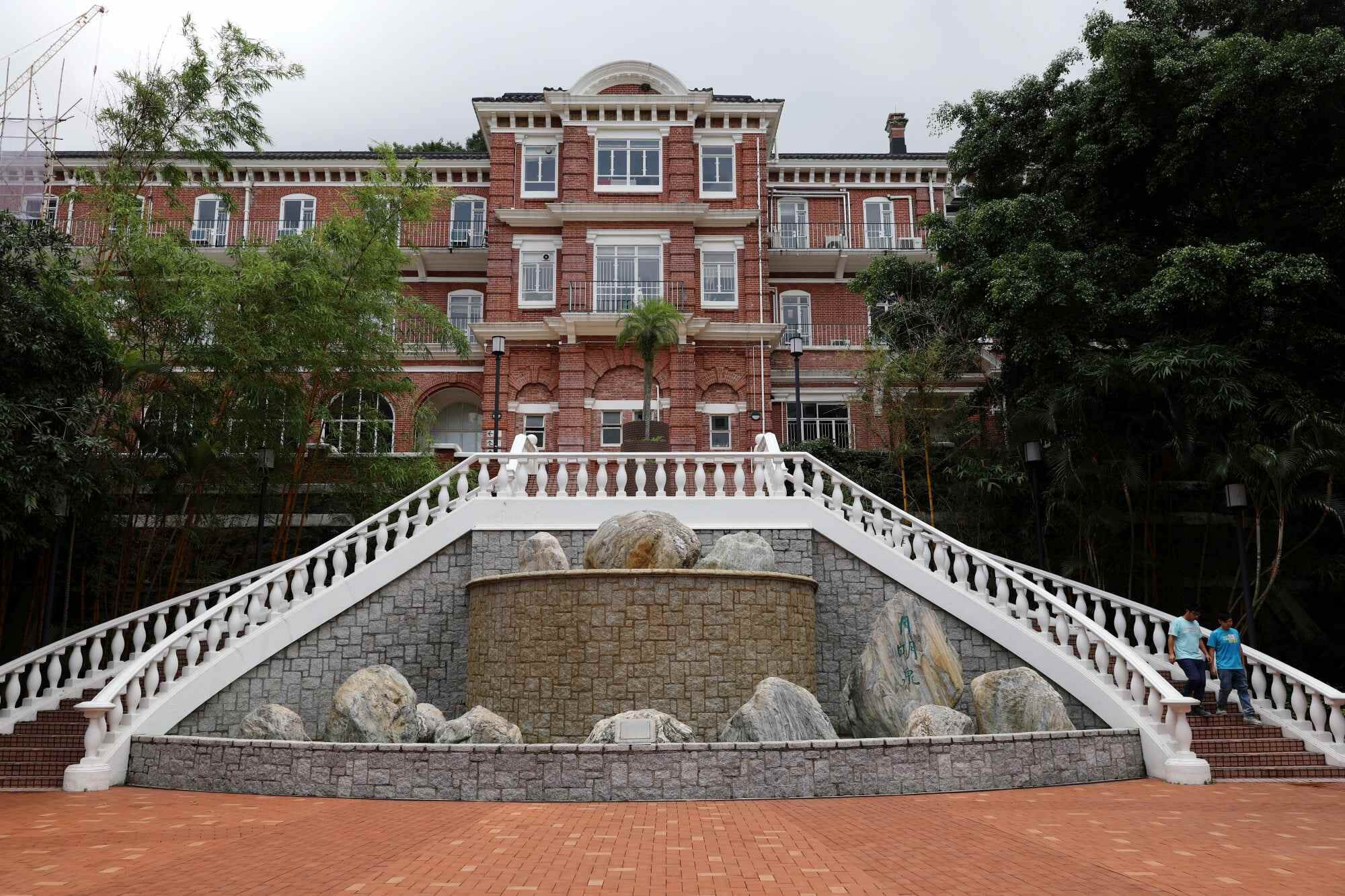
The figures cover both first-year undergraduates and those in senior-year degree programmes.
The bureau also revealed that the number of non-local applicants signing up for first-year, first-degree government-funded programmes jumped by 35 per cent, from 82,042 in 2024-25 to 110,975 in 2025-26.
“Each applicant may submit multiple applications to different universities at the same time, so the actual number of applicants is lower than the number of applications … universities do not maintain information on the total number of individual applicants,” it explained.
Tang Fei, who asked the bureau to clarify how local and non-local students were admitted to public universities through different examinations, said he would question the government on Thursday over the rising number of non-local students entering publicly funded programmes and whether they were Hongkongers living in mainland China.
He also said the increasing number of students studying non-DSE curricula and obtaining offers from public universities warranted attention, as such courses often required high tuition fees.
“As some faculties offering competitive programmes prefer admitting non-DSE students, it will have a more serious impact on social mobility,” he said.
He urged universities to be transparent in disclosing data such as the number of DSE and non-DSE students admitted to different departments.
Meanwhile, there has been an influx of students from the mainland who came to study in Hong Kong primary schools on one-way permits.
The number rose from 2,775 in 2021-22 to 4,614 in 2024-25, representing a 66 per cent increase over four years.
Among Hong Kong’s 18 districts, Kowloon City recorded the largest rise, climbing from 160 to 409 students. North District and Kwun Tong each have the highest number of such students, with 494.