Residents enter a building with bags and suitcases, in hopes of retrieving their belongings from Wang Fuk Court.
Hundreds of families displaced by the catastrophic Wang Fuk Court fire have begun the emotional journey of returning to their ruined flats to salvage what is left of their belongings.
Under a 15-day government programme, which runs through late April and early May, residents are given a three-hour window to enter the site.
However, the brief visits have sparked a mix of heartbreak and deep frustration among the survivors.
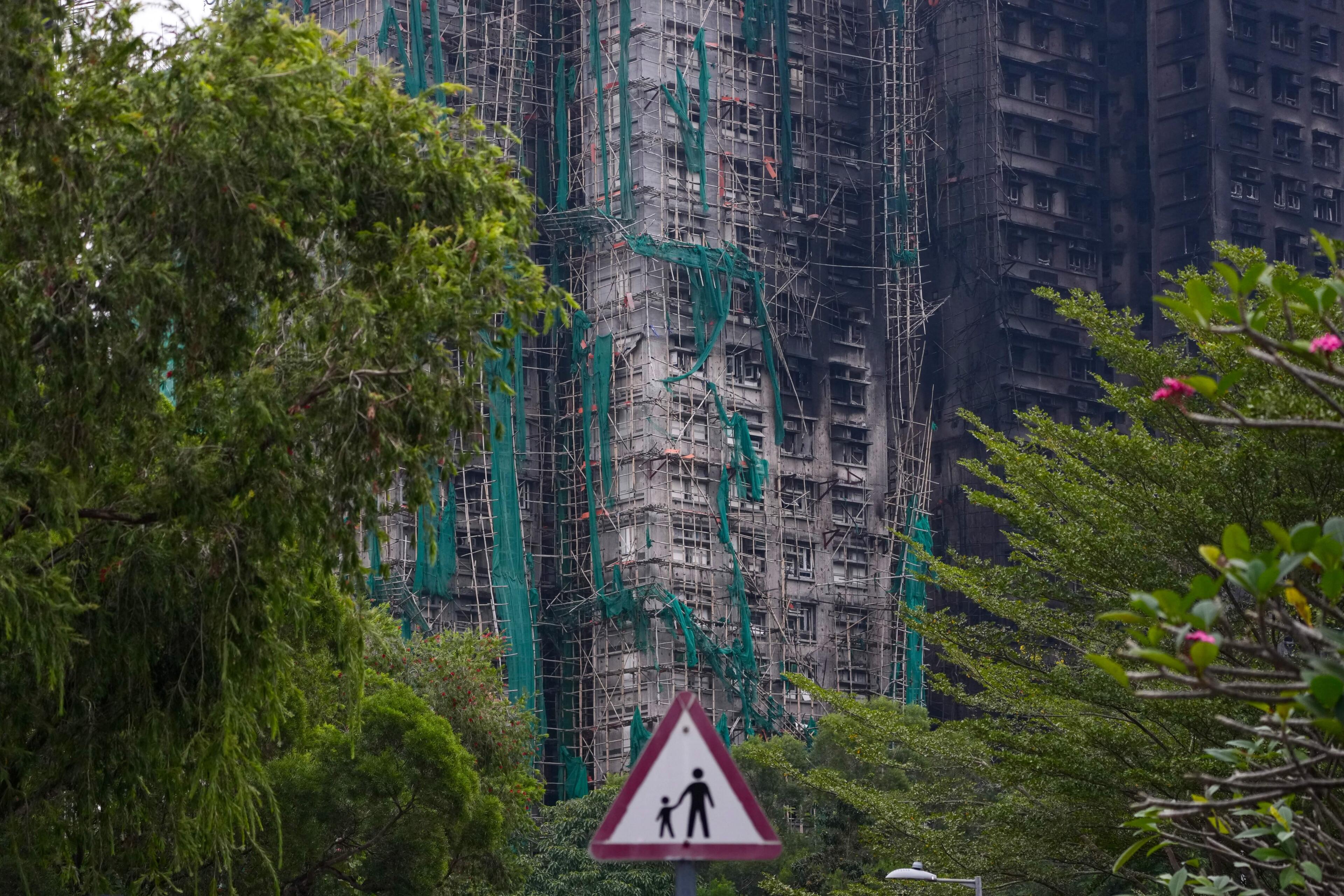
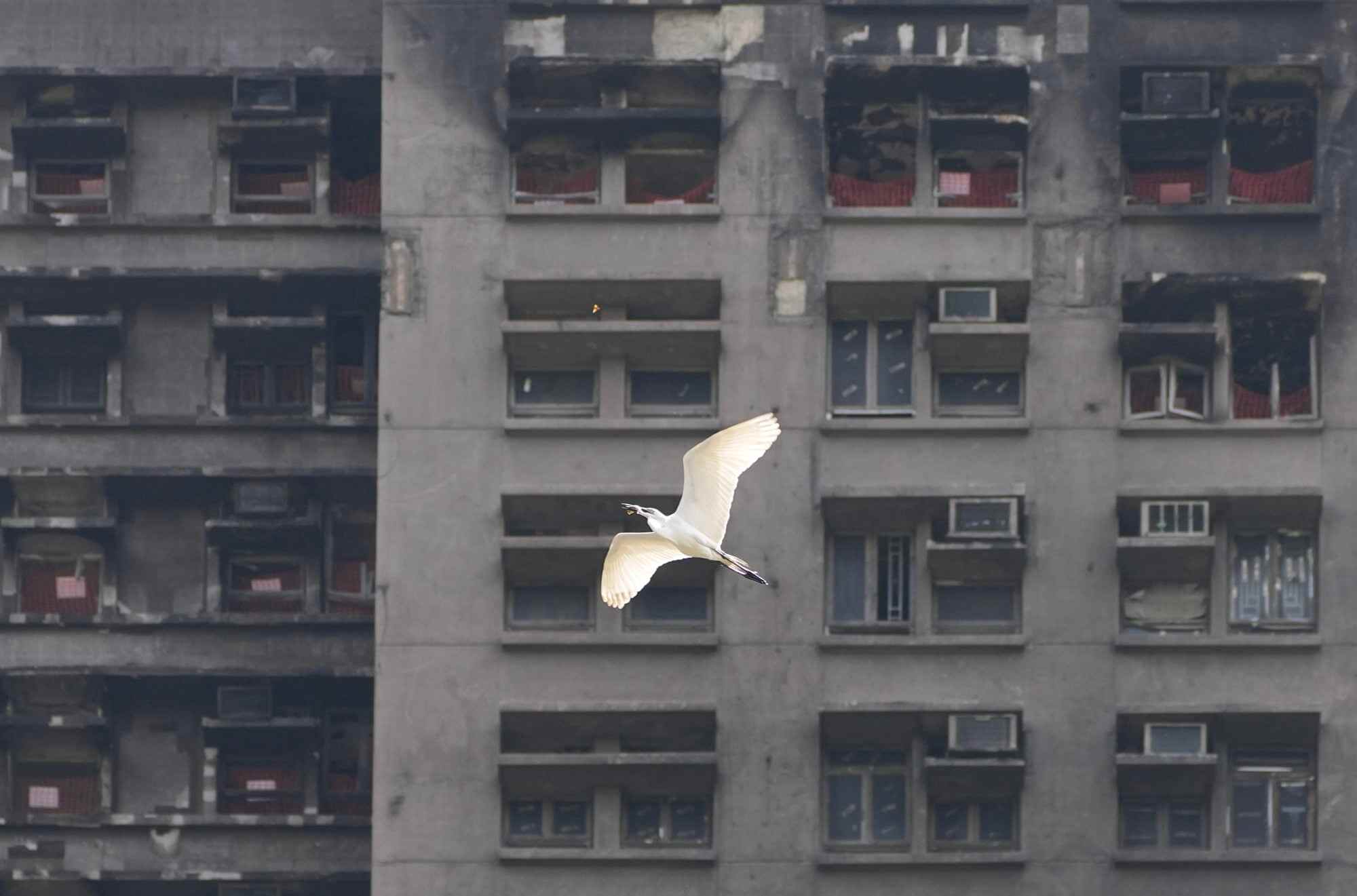
The tragic blaze, which broke out on November 26 last year, engulfed seven of the estate’s eight blocks in just 85 minutes. It claimed 168 lives, making it one of the deadliest fires in the city’s history.
This week, residents of the hardest-hit towers – Wang Cheong House and Wang Yan House – were seen carrying suitcases, backpacks and large cardboard boxes, hoping to collect valuables and cherished items.
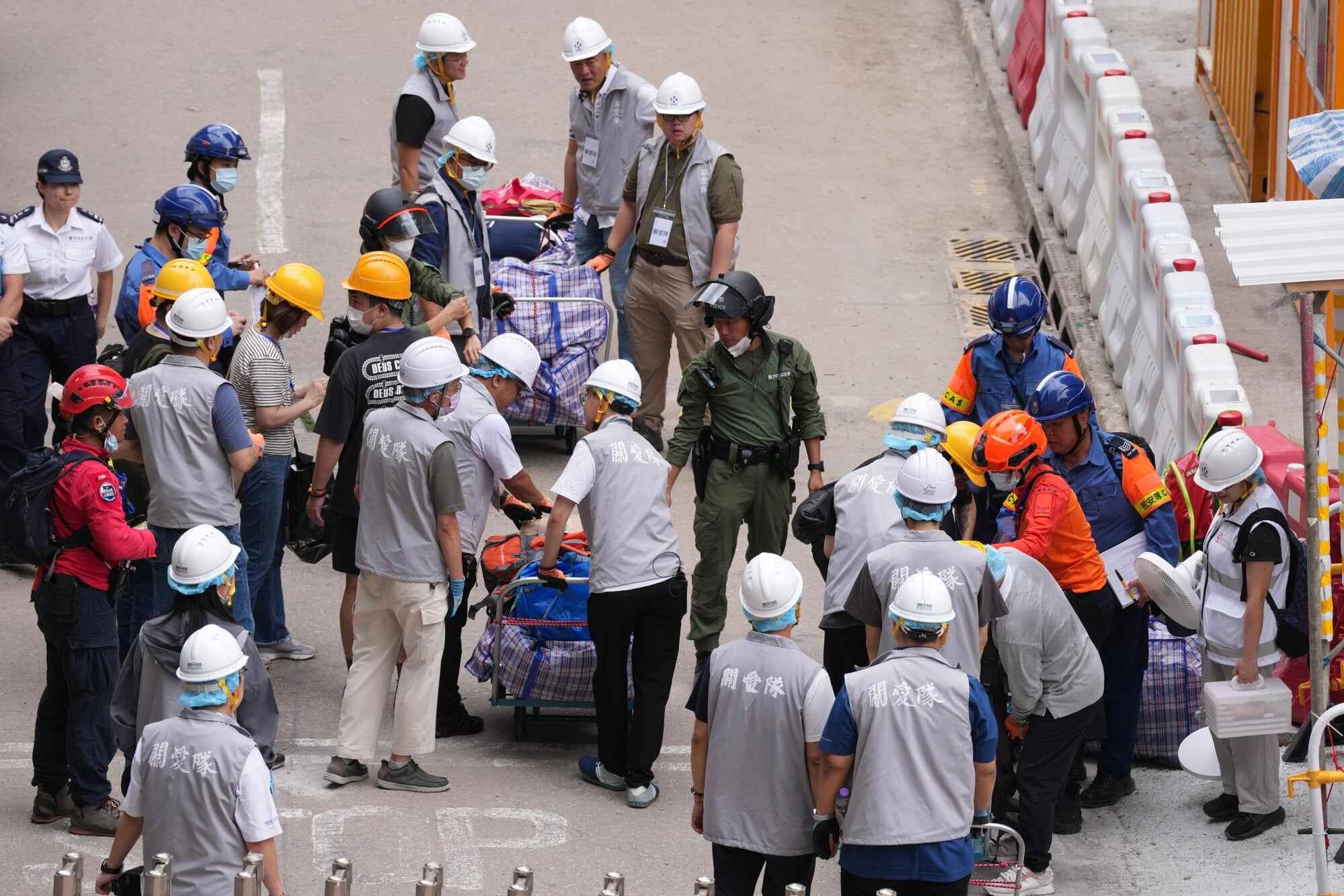
For some, the return brought a little peace. A resident surnamed Chan, who lived on the second floor of Wang Cheong House, said he had warned himself not to hold out much hope before stepping into his gutted flat.
“I managed to collect the ashes of my two cats, Billy and Charlie,” he said, expressing relief that he could finally bring them home. His wife, who narrowly survived the blaze, noted that the sheer intensity of the heat had melted everyday items, including plastic supplement bottles.
Others returned hoping to find specific fragments of their past. A survivor surnamed Lee shared that the inferno had torn her family apart, forcing her father-in-law to move into an elderly care home.
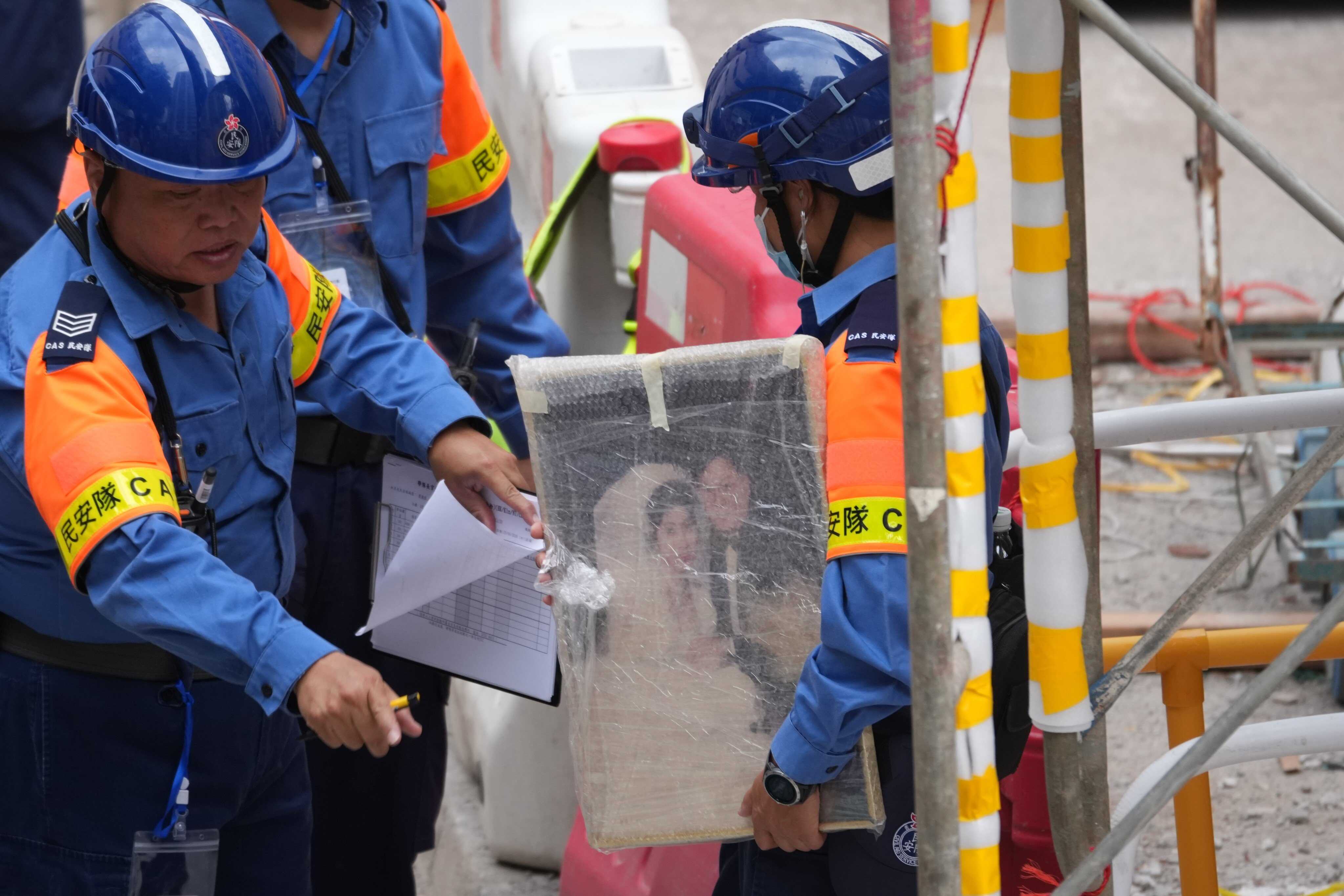
“This home holds a lifetime of memories, as we have lived here for around 30 years. We are just hoping to salvage some of our wedding photos,” she said, adding that she hopes society will give the victims justice.
Another resident, surnamed Cheung, simply wanted to say a final goodbye. “I want to take one last, long look at it. Losing this home feels like losing a family member,” he said.
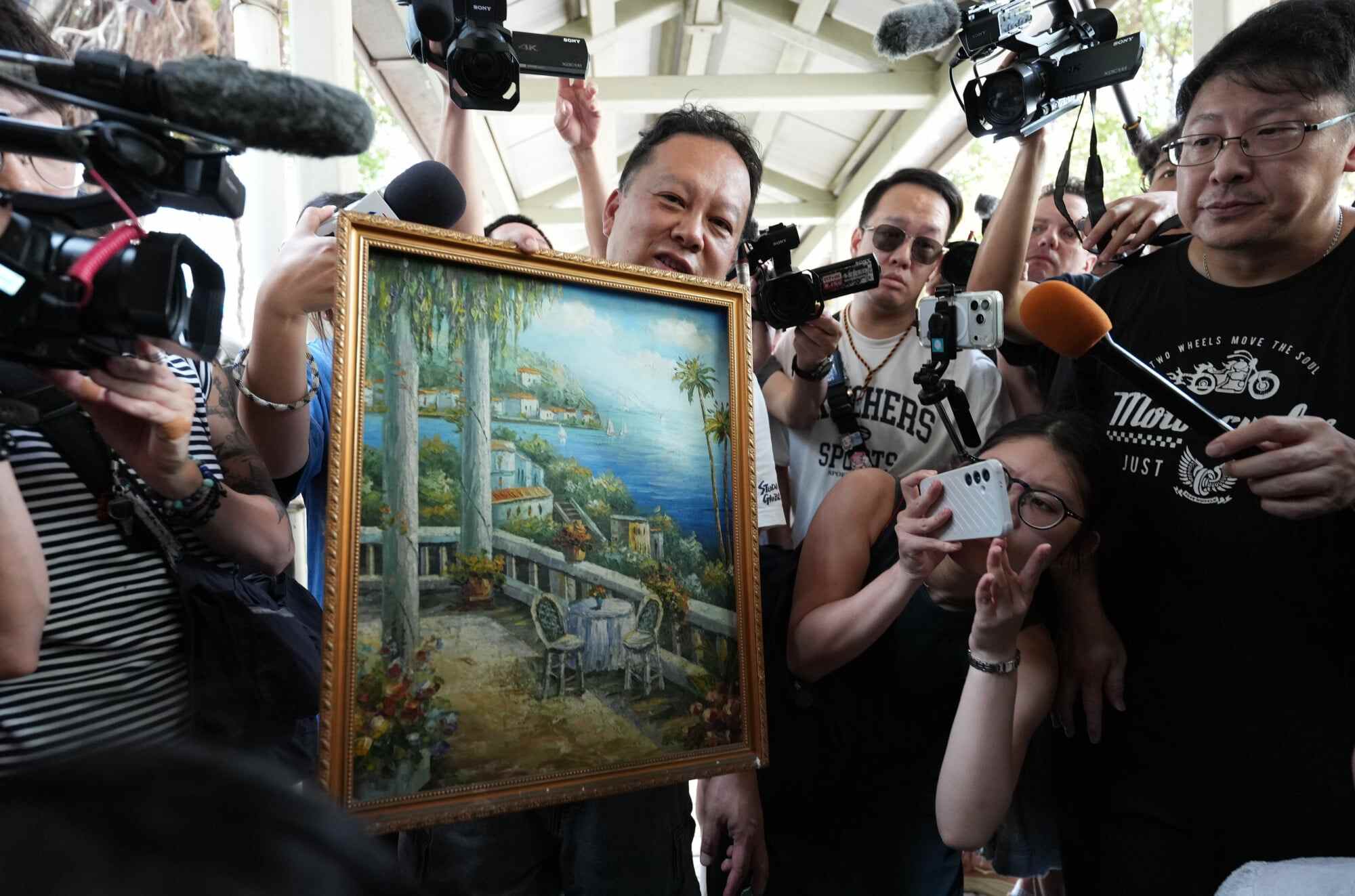
Calls for more time, understanding
The visits are a necessary step. But the strict three-hour time limit imposed on each household has received some criticism.
A resident surnamed Chau expressed deep frustration, saying that three hours was not enough time to sort through a life now destroyed.
“Senior officials have no idea what is happening here. They should not set a time limit for us,” he said.
The emotional cost of the tragedy has also been compounded by stigma. A survivor surnamed Kwok, who had lived in Wang Yan House for 42 years, choked back tears as she urged the public to show more empathy.
“I feel very sad upon returning … but I mostly hope the public stops calling us ‘greedy’,” she said. “We have lost everything.”
Government’s response
Deputy Chief Secretary for Administration Cheuk Wing-hing acknowledged the heavy emotional toll on returnees, assuring them that the government would provide additional psychological help.
Social workers and psychologists have been deployed to support households, particularly those where fatalities occurred.
Cheuk noted that the government has already received requests from about 600 families across the estate asking for a second visit.
Safety remains a major concern. Up to four people per household may return at a time, and only one or two are allowed to enter flats deemed severely damaged.
Charity group AidVengers had earlier offered to lend exoskeleton devices to help residents carry heavy items down the stairs. However, Secretary for Security Chris Tang Ping-keung confirmed that the service was cancelled due to unpredictable safety risks.
“As we cannot be sure whether residents, especially the elderly, can use it safely, and as it poses certain risks, the government did not provide the equipment,” Tang said.