A study has found that Hong Kong’s wild yellow-crested cockatoos may hold genetic traits that could help save the critically endangered species in Indonesia.
The study, published in the Evolutionary Applications journal in May, underscored the importance of conserving the city’s cockatoo population.
Lead author Astrid Andersson from the University of Hong Kong’s school of biological sciences described these birds as a “backup”, preserving lineages of subspecies that may no longer exist in the wild.
She urged greater support, including the use of artificial nest boxes to provide safe breeding conditions.
“Instead of dismissing urban, introduced populations as ecologically redundant, we should view them as a potential ‘biodiversity ark’ that can actively help prevent extinction,” Andersson said.
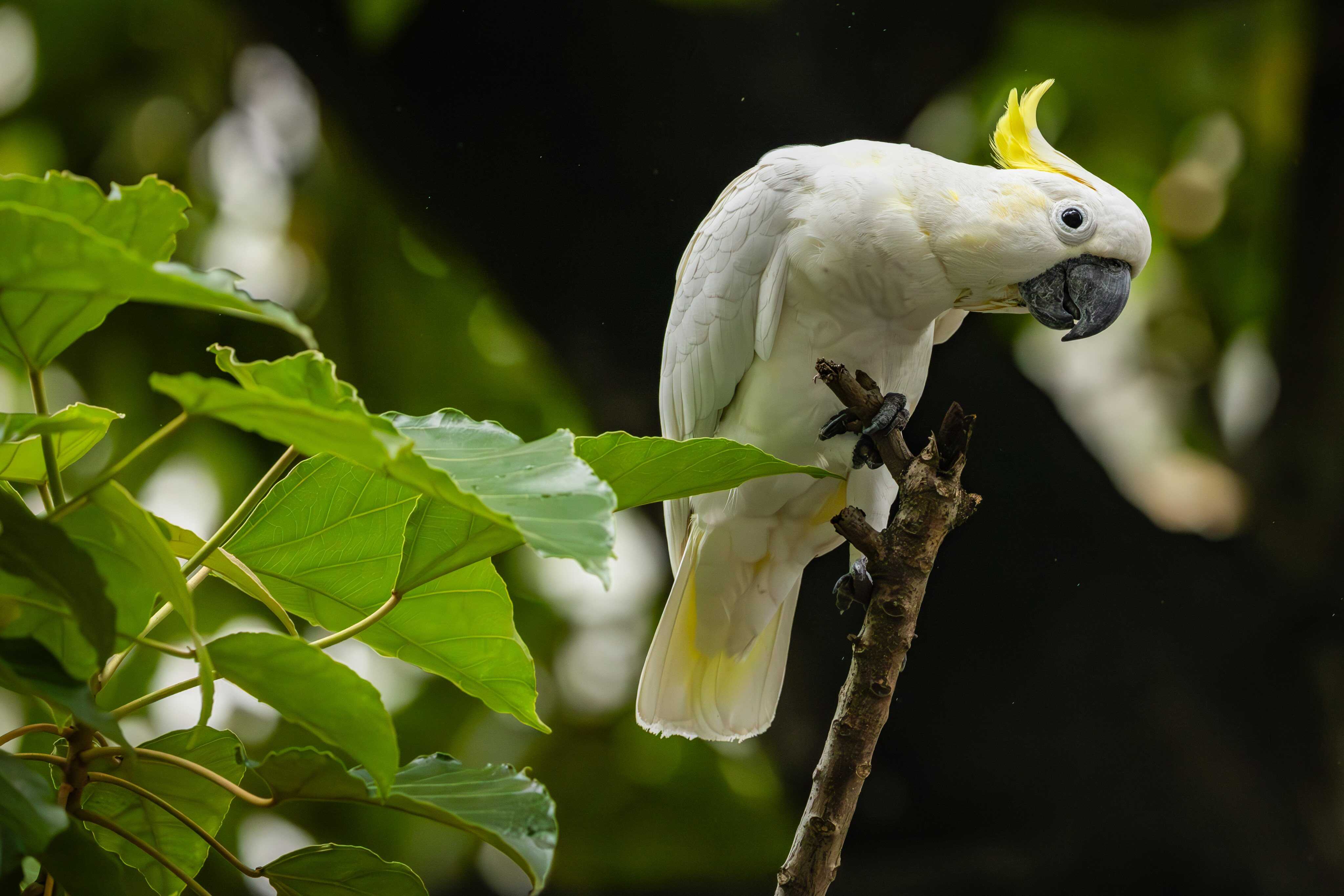
Hong Kong Island is now home to one-tenth of the global population of yellow-crested cockatoos, a species native to eastern Indonesia that has been driven to fewer than 2,000 birds due to poaching, the pet trade, and habitat loss.
Recognisable by their white plumage and bright yellow crest, these parrots are listed as critically endangered by the International Union for Conservation of Nature.
They differ from the Australian sulphur-crested cockatoos, which are almost twice the size of their yellow-crested counterparts.
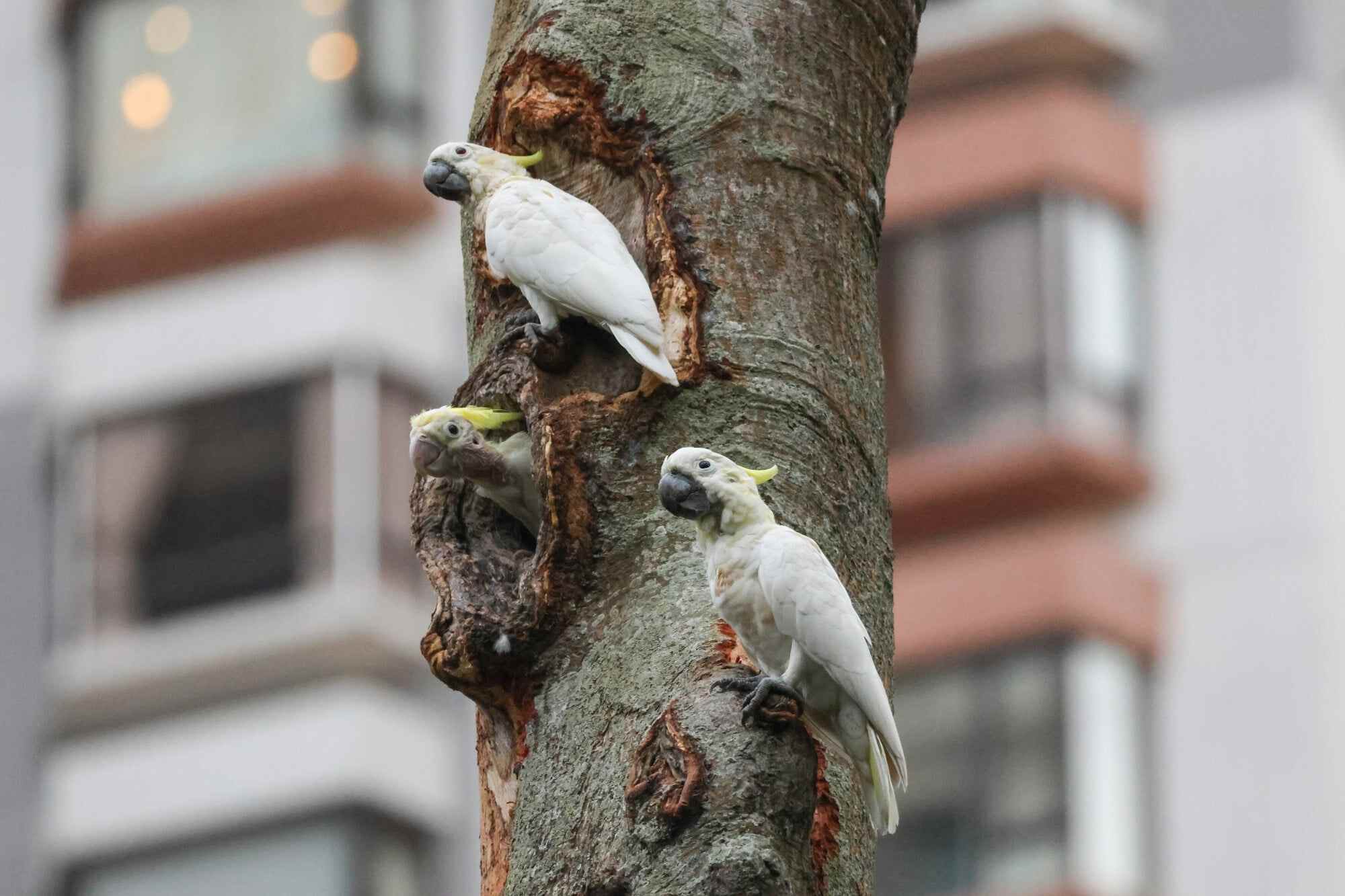
Hong Kong’s wild cockatoo population emerged in the 1960s from escaped or released pets. Today, about 200 birds live mainly along the northern part of Hong Kong Island, including Central and Admiralty.
Parrots, including yellow-crested cockatoos, are intelligent and social animals equipped with long-term memories, according to Andersson.
Cockatoos can live for 60 years. They have been known to problem-solve and adapt to new situations, just as they “managed to survive in a completely artificial environment of downtown Hong Kong”, she said.
From 2018 to 2022, Andersson and researchers collected tissue and blood samples from 41 cockatoos in Hong Kong that were either injured, trapped and released, or died of natural causes.
They then compared these DNA profiles with museum specimens of native cockatoos in Indonesia.
Results indicate that although the urban population was small and isolated, it had avoided severe genetic decline, common in such cases. In fact, the findings showed high genetic diversity among the city’s cockatoos, comparable to that of other wild populations.
In fact, the findings showed high genetic diversity among the city’s cockatoos, comparable to other wild populations, with many showing mixed ancestry of their subspecies in Indonesia.
The DNA traits of subspecies of the birds located in various regions of Indonesia differ.
A mixed ancestry of subspecies suggests low inbreeding and greater resilience to disease and environmental stress.
These findings raise the possibility that Hong Kong’s cockatoos could support conservation efforts through carefully managed translocation to areas in Indonesia where the species has disappeared.
But Andersson cautioned that it would require careful logistics planning, disease screening, risk assessment and long-term monitoring.
The study also highlighted a pressing need to conserve the local habitats of these wild parrots in Hong Kong. About 60 per cent of their nest sites in natural tree hollows were lost due to typhoons and pruning, creating a “housing crisis” for the birds, Andersson noted.
As part of the conservation efforts, researchers have partnered with local schools to install durable artificial nest boxes equipped with cameras to monitor breeding. These have been placed in urban parks across Hong Kong Island.