
Health authorities in Hong Kong have called on the public to stay vigilant as the city has entered the summer flu season, with Covid-19 cases also on the rise.
Dr Albert Au Ka-wing, head of the communicable disease branch of the Centre for Health Protection, said on Thursday that surveillance data suggested flu cases rose significantly last week, signalling the beginning of the seasonal infection period.
He noted that it was difficult to predict how long the season would last, as the city generally entered its winter flu season in the first quarter, but this year had defied the trend, as the previous flu season only ended at the beginning of January.
Au added that the most common strain in the city was the H3 subtype of influenza A, similar to last year.
“So far, around 60 per cent of the infection cases are caused by influenza A subtype H3, similar to last September and December. The vaccines are effective. However, we also observe cases from subtype H1 and influenza B,” he said.
“We will closely monitor the situation. Generally, the summer influenza season lasts for eight to 12 weeks. We expect that influenza activity remains at a relatively active level in August and September.”
Among the respiratory specimens collected by public laboratories last week, 6.69 per cent tested positive for influenza, which was above the baseline of 4.94 per cent.
While 60 per cent of the cases were caused by influenza A subtype H3, the H1 subtype of influenza A and influenza B each took up about 20 per cent of the remaining cases.
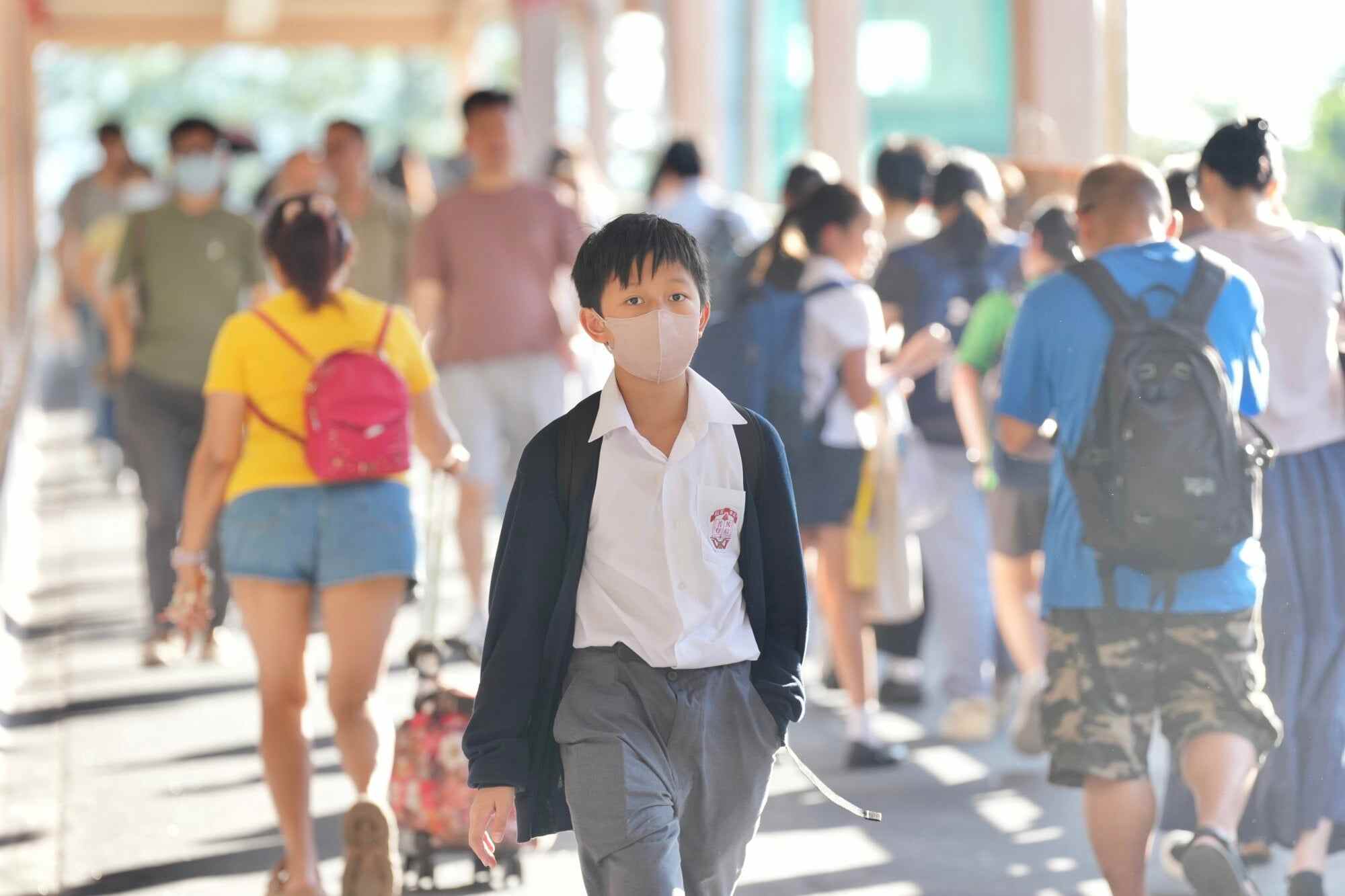
Last week, Hong Kong recorded 23 severe flu infections in adults, 70 per cent of whom were patients aged 65 or older. Sixty per cent of the total had not received any jabs under the 2025-26 vaccination programme.
The city also reported two cases of severe paediatric influenza A infection over the past week, including a 12-year-old boy with underlying illness and a six-year-old boy with past good health.
Noting that the pair had received flu jabs last October and November, Au said vaccination offered the best protection in the first six months after injection, but immunity gradually weakened over time.
Au also warned about the infection risks posed by Covid-19, as its activity level had begun to increase from May.
Specimens testing positive for Covid-19 in public laboratories rose from less than 1 per cent before the end of May to 6 per cent last week.
Covid-19 infections in patients admitted to accident and emergency departments at public hospitals reached 11 per 1,000 cases.
He noted that the dominant variant strains were the same as those in the past 18 months, which were descendant lineages of JN.1.
The laboratories have not detected any unusual rise in other strains.
Au urged the public to maintain stringent personal, environmental and hand hygiene at all times to minimise the risk of infection. He also encouraged those with respiratory infection symptoms to wear masks.
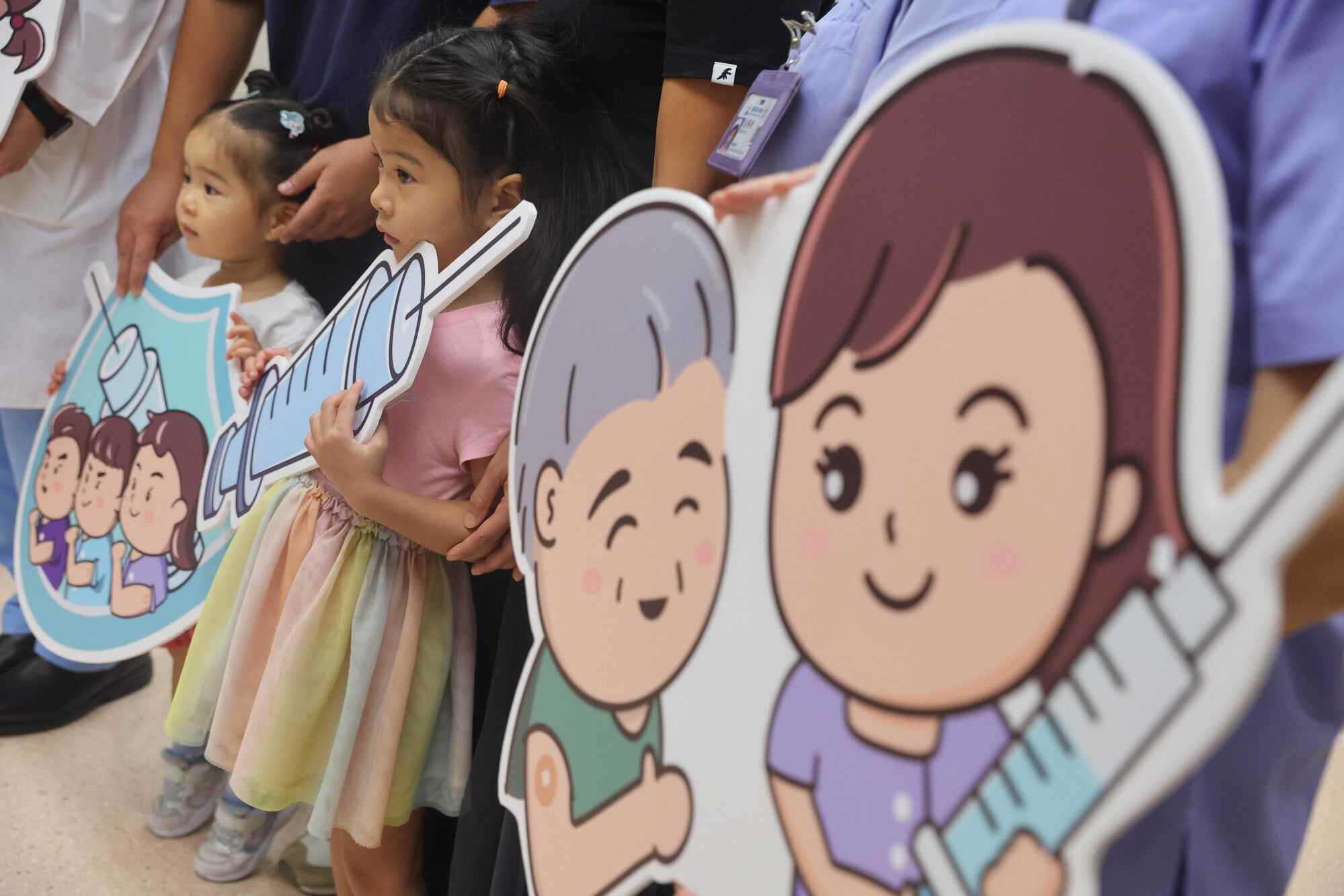
Dr Leung Yiu-hong, head of the centre’s emergency response and programme management branch, urged the public to get vaccinated, particularly infants.
According to Leung, about 65 per cent of the child population had been vaccinated, but coverage for infants aged between six months and two years old was only 27 per cent.
He added that the government was preparing for the 2026-27 seasonal flu vaccination programme and would reveal details later.
Leung also said authorities estimated that less than 4 per cent of infants had received their first jabs to protect against Covid-19.
He said the current Covid-19 vaccination programme would end on July 10 for children aged between six months and 11 years, while that for individuals aged 12 and over would conclude on September 5.
He urged the public to get inoculated as soon as possible before the next batch of Covid-19 vaccines arrived in October.
Dr Larry Lee Lap-yip, Hospital Authority’s chief manager for cluster performance, said public hospitals faced pressure from influenza and Covid-19, noting that the in-patient bed occupancy rate had reached 110 per cent.
He added that the authority would plan accordingly and step up its services.