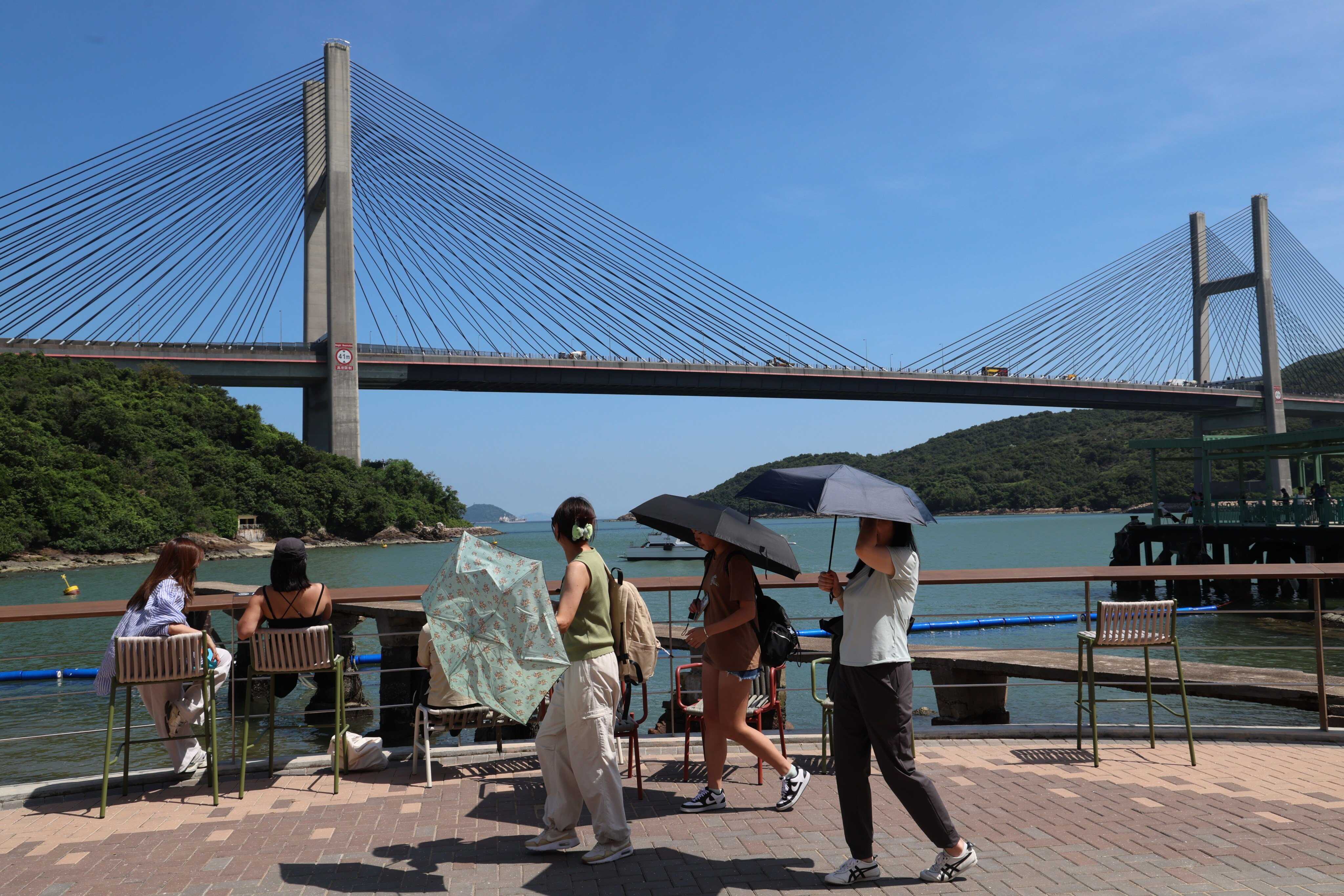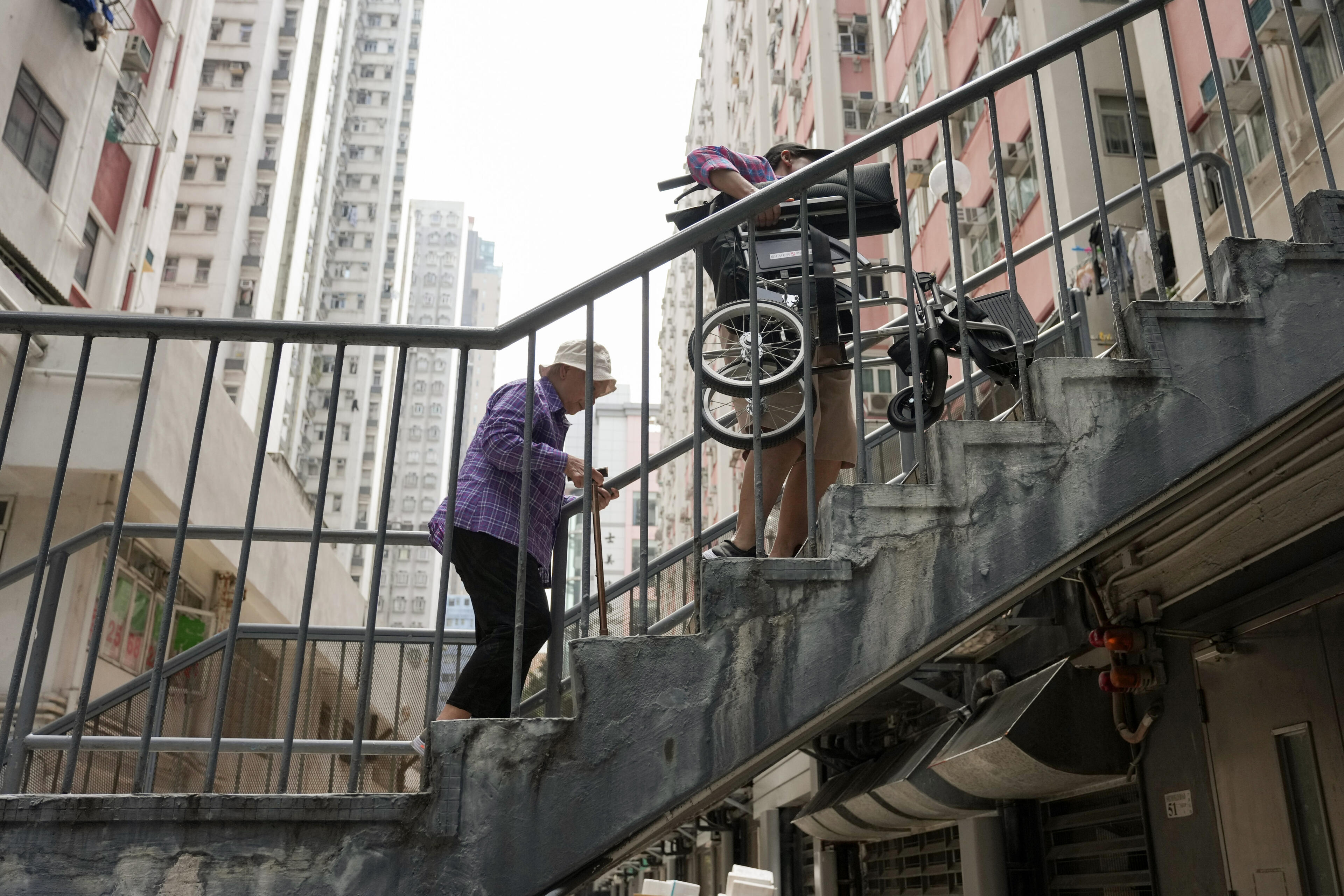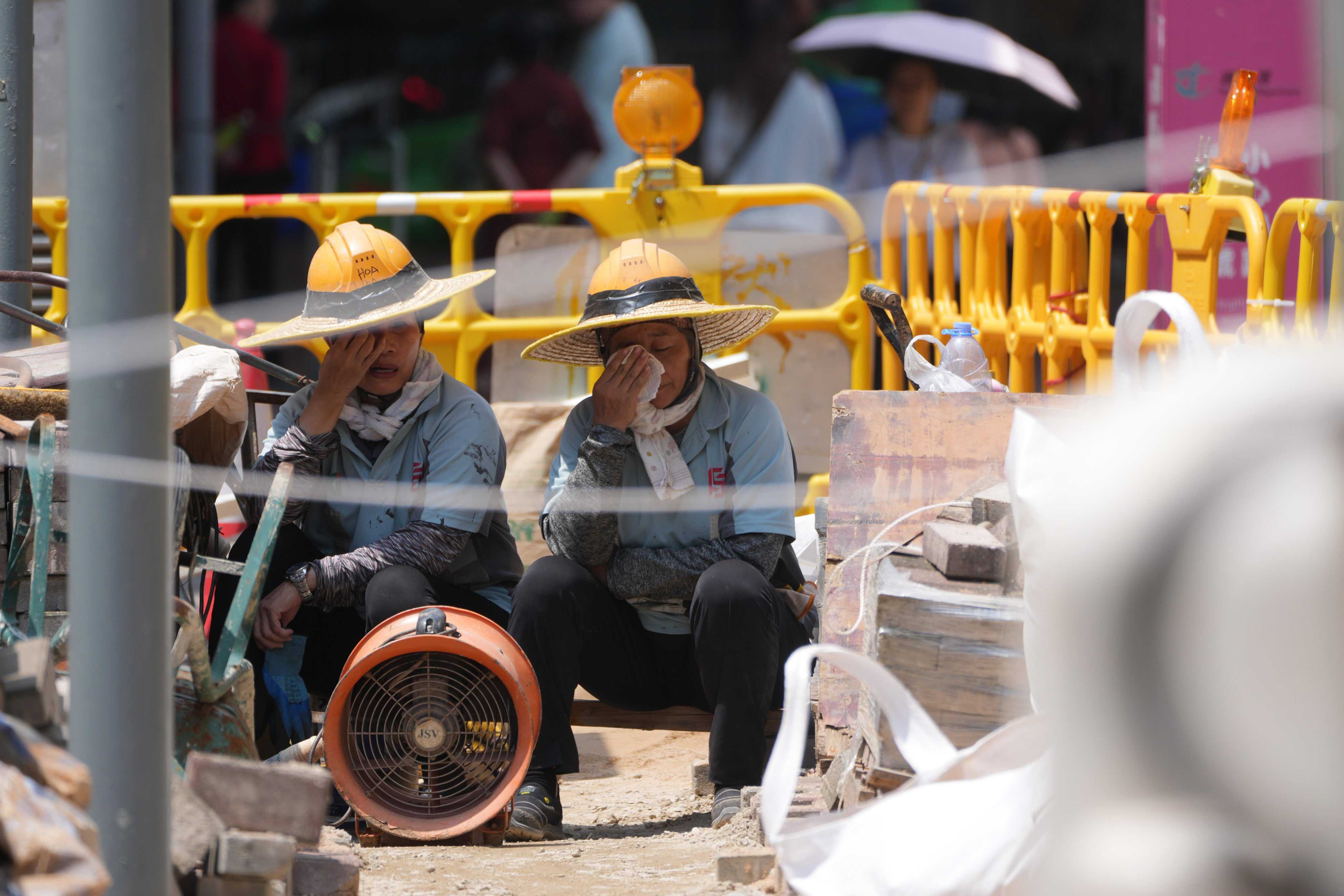
Labour authorities in Hong Kong have pledged to review the city’s heat stress warning system after the lowest-level alert for outdoor workers was issued despite record-breaking temperatures, prompting questions about the index’s effectiveness.
The pledge on Monday followed calls from experts for the government to adopt an international measurement that gives greater weight to direct sunlight, and to increase the number of heat stress monitoring stations so that all districts are covered and the risks faced by outdoor workers are better reflected.
“We will review the current mechanism while maintaining our close communications with relevant departments,” Undersecretary for Labour and Welfare Ho Kai-ming said on Monday.
“The Labour Department has been working with different departments, including the Observatory, to mitigate the occupational safety risks faced by workers.”
The city reached a scorching 36.9 degrees Celsius (98.4 Fahrenheit) on Sunday, the highest temperature recorded since the Hong Kong Observatory began operating in 1884. Yet the lowest-level amber heat stress alert for outdoor workers remained in place.
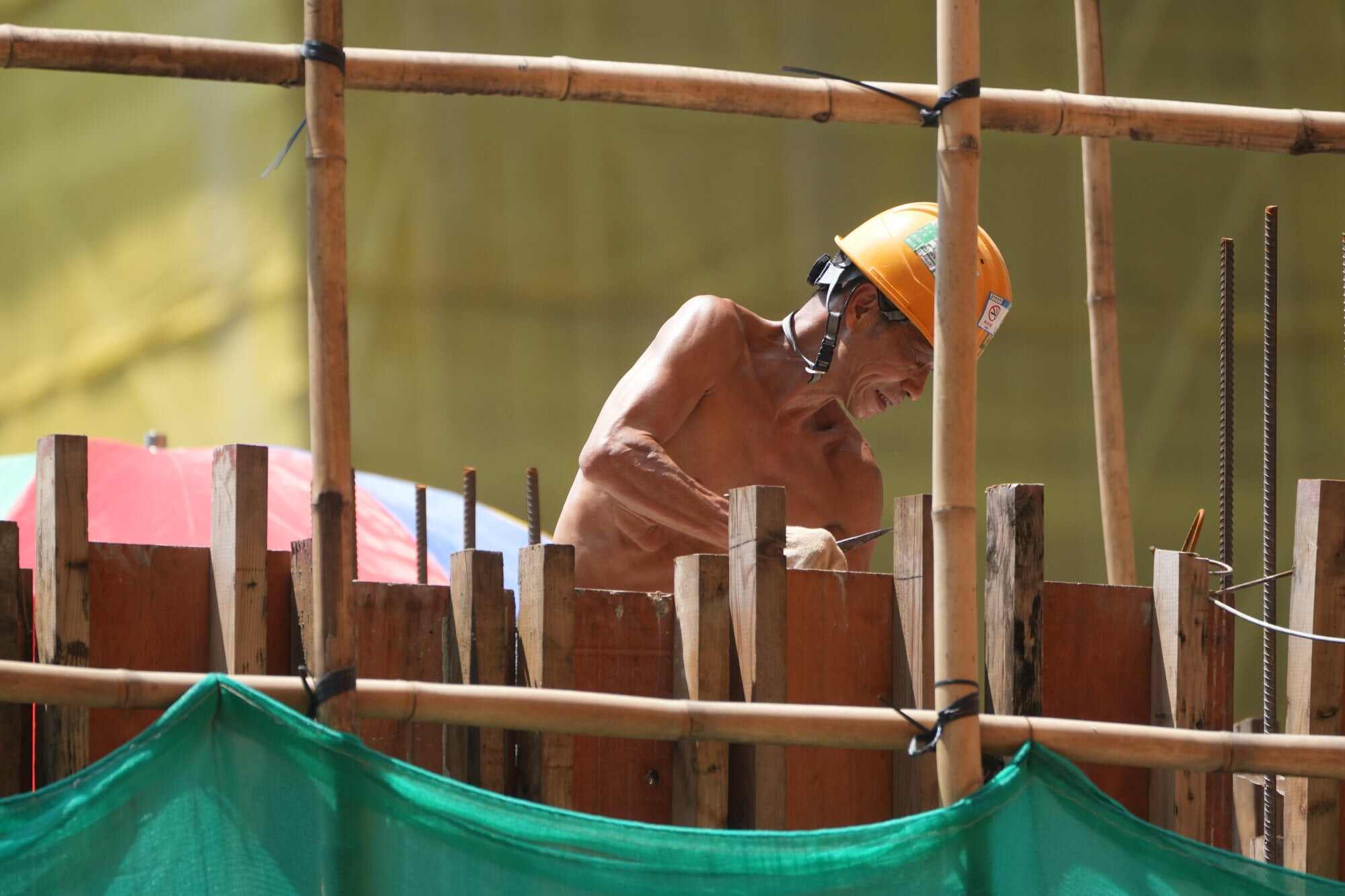
The Observatory said the scorching conditions would persist in the coming days, with temperatures in some areas forecast to reach at least 37 degrees, although more frequent showers are expected later this week.
The Heat Stress at Work Warning system was formulated by the department based on a heat index developed by the Observatory and the Chinese University of Hong Kong.
It takes into account air temperature, humidity, wind speed, solar radiation and hospital admission figures to measure heat stress. There are three warning levels – amber, red and black – to alert employers and workers to the heat severity while they work outdoors or indoors without air conditioning.
Under the department’s guidelines, employers should arrange additional rest periods for affected workers when an amber warning is in force.
Workers with “very heavy” workloads should suspend their duties under a red alert, while those with “heavy” workloads should do so under a black warning.
A check by the South China Morning Post found all previous warnings issued regarding the level of heat stress for outdoor workers were at the lowest tier since the system’s launch in May 2023 by the department.
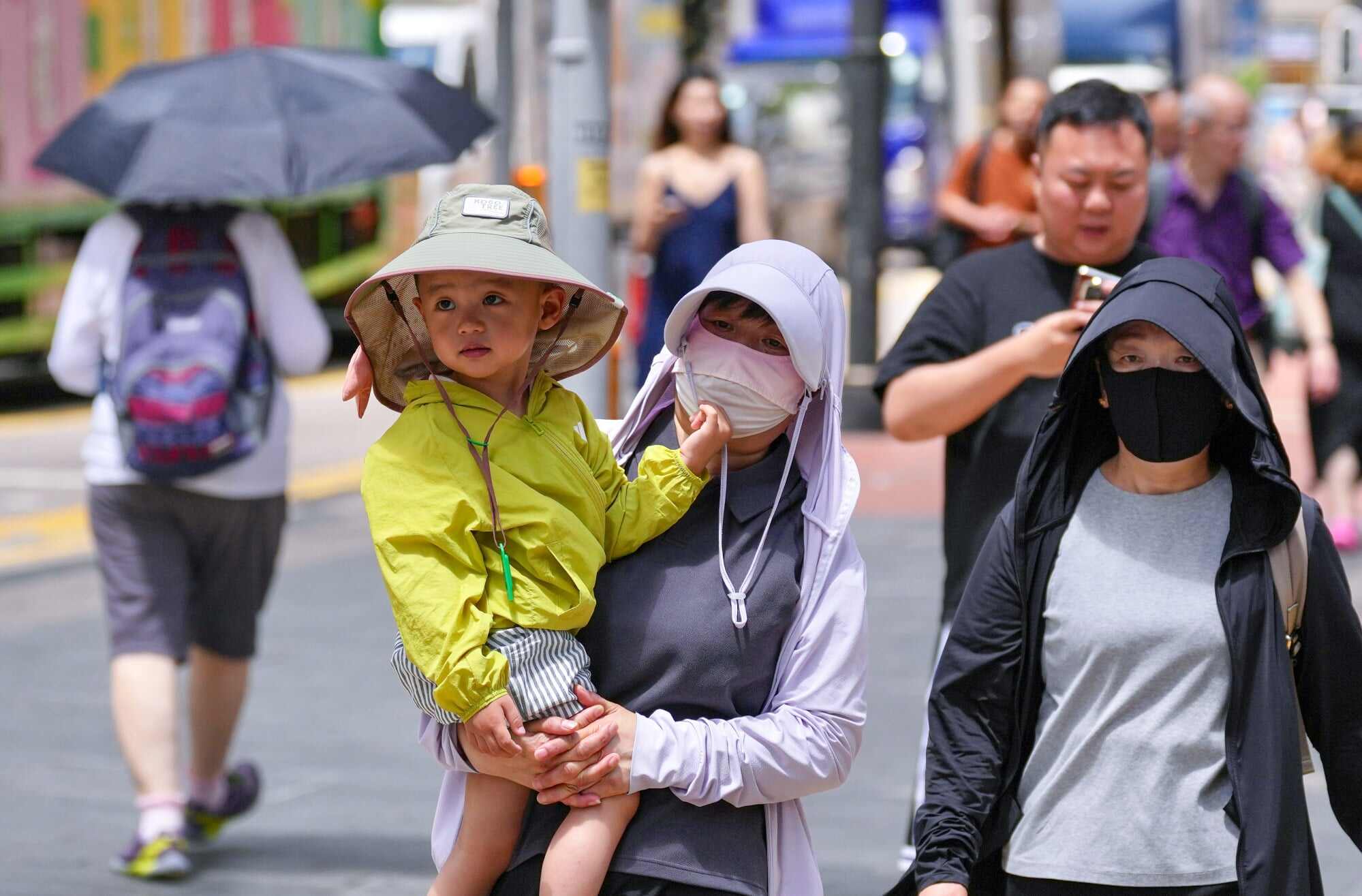
Former Observatory director Lam Chiu-ying described the heat index used by the warning system as “a wrong parameter”.
“The index does not give much weight to heating by sunshine. It therefore does not apply to situations exposed to sunshine, like work sites, street sweepers, open-air hawkers, food and other delivery people,” he said.
Lam said the index had been designed to reflect the broader environment faced by residents rather than outdoor workers.
The Hong Kong Heat Index formula consists of three variables: the air temperature; the wet-bulb temperature, which reflects humidity and wind speed; and the globe temperature, which reflects the heating effect of the sun.
It has the same variables as the wet bulb globe temperature formula (WBGT), an internationally adopted environmental index measuring outdoor heat stress on the human body for outdoor workers and military personnel, yet the variables carry a different weight.
The proportion of the globe temperature accounts for a weight of only 0.05 – four times lower than 0.2 as required under the WBGT formula, he said.
“The current heat parameter does not reflect the heating effect of the sun,” he said.
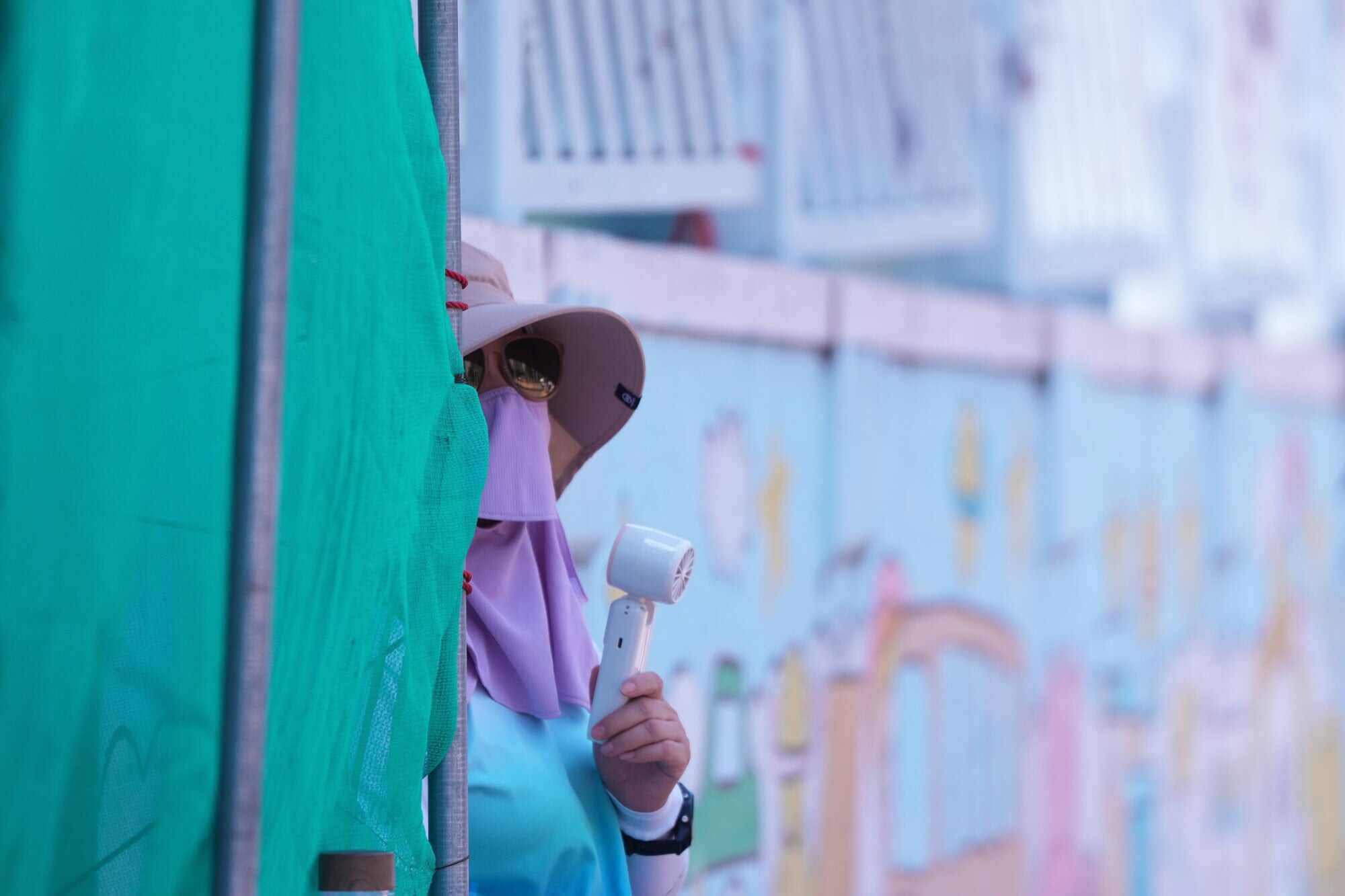
Lam noted that because most Hong Kong residents stay indoors, the heat index was designed around general local hospital admission rates, placing greater weight on humidity and temperature while assigning a smaller weight to solar radiation.
He urged the government to adopt the WBGT to determine heat stress in direct sunlight for work-related situations.
Lam also suggested lowering the heat stress warning thresholds, arguing the lack of elevated warnings despite record-breaking temperatures indicated that those thresholds were unrealistically high.
He recommended that the government consider Japan’s example, which revised its regulation in 2025 to set a wet bulb globe temperature threshold of 28 degrees – sustained for more than an hour – that mandates hydration protocols and rest cycles to protect outdoor workers.