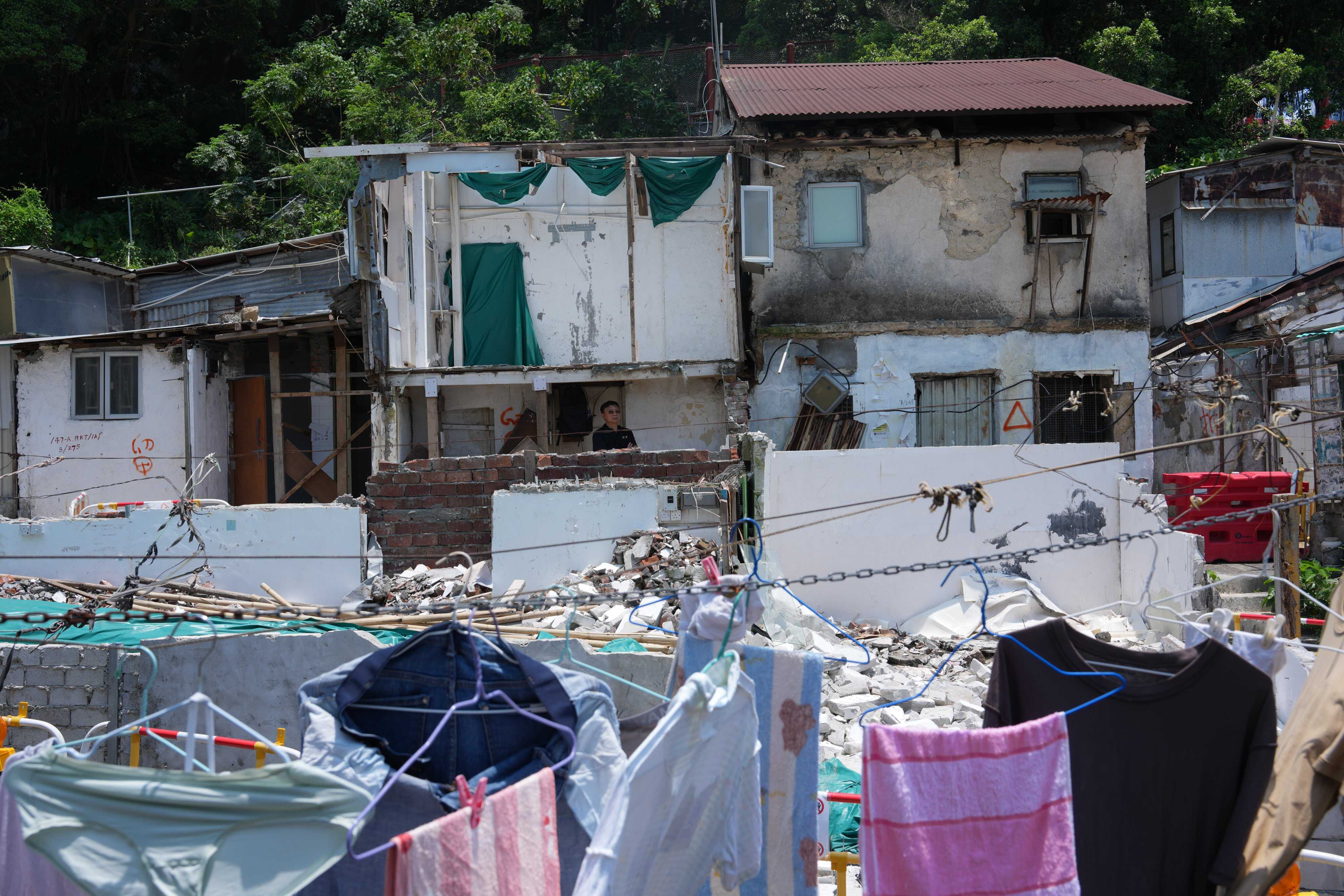
Hidden among the lush greenery of Cha Kwo Ling is one of Hong Kong’s few remaining squatter communities, where a small number of residents are holding on until the government’s deadline for relocation ahead of redevelopment into public housing.
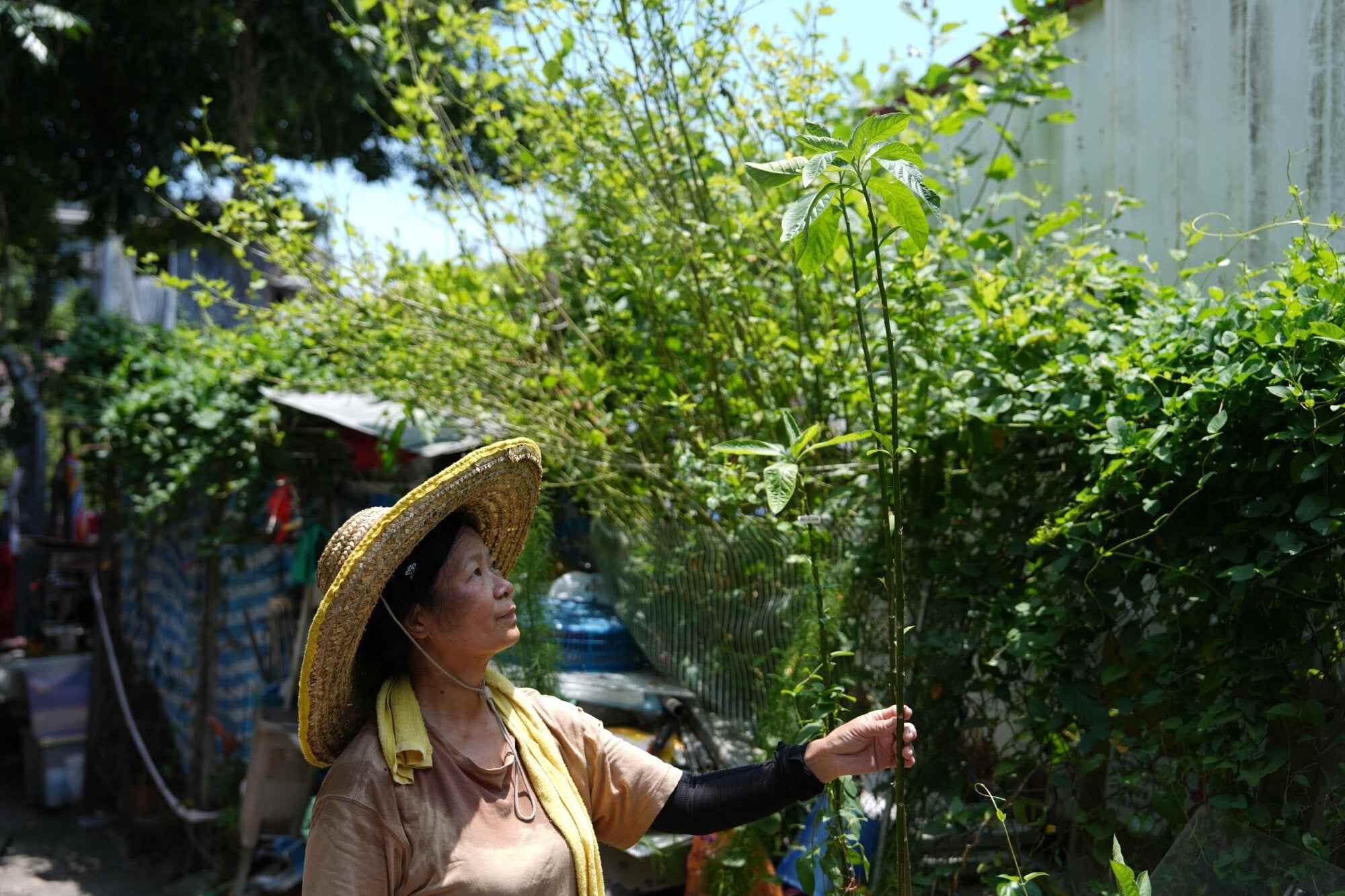
Mrs Lam, one of the last inhabitants of this area, characterised by a mix of improvised metal homes and traditional stone houses featuring wooden window frames, said she has until August 25 to pack up her possessions.
“I’m going to miss my medicinal herbs so much,” said Lam, in her sixties, who declined to give her full name. She pointed to the plants at her door that she inherited after moving to the village more than a dozen years ago, saying she would not have space for them when rehoused.
The plants, such as Chinese fevervine, are a source of income for her as she dries them for medicinal use. Lam said that redevelopment work deprived her of space to regularly sun-dry them to keep the plants from moulding, causing her to forgo more than HK$400,000 (US$50,980) in potential earnings.
Her letters to the Chief Executive’s Office asking for compensation for her products have not yielded a substantial response so far, but she revealed her family of three had received just under HK$80,000 from the government for the forced relocation.
“Of course, it is a shame to have to vacate. I had planned to stay here for life,” Lam said, pointing out that she and former neighbours who had already left the village would regularly get together for dim sum.
The government’s acquisition work had begun in 2023, with staff from the Lands Department, anti-triad unit of police, Fire Services Department and security companies entering the village for a new round of operations on Wednesday morning.
A stone’s throw from Lam’s residence is Mau Fat Teahouse. Its owner, Ng Po-wo, has lived in the village since 1953, when he was a one-year-old, and claimed the government had yet to reach out to him regarding evacuation and compensation.
“You can’t refuse to go if the government asks you to,” Ng said. “What could I do if I deemed the compensation insufficient? I’ll just go with the flow and decide when the government gets in touch.”
He recalled that the teahouse – started by his father – used to sell wonton noodles and beef brisket and served as a gathering spot for the village in its heyday, but operations had scaled down to become more of a corner shop in recent years.
Some of Ng’s lasting memories include the Cantonese opera performance held for the birthday of sea goddess Tin Hau, when Hong Kong’s last colonial governor Chris Patten and his wife visited the village.
Ng viewed himself as one of the last original settlers and missed the close-knit bonds of the village’s early days. He felt those ties had vanished in recent years as newcomers moved in and tended to look out only for themselves.
Rita Law, together with four of her friends, decided to take a half day out to the village to bid farewell to parts of old Hong Kong at the recommendation of online influencers.
Law, a retiree in her sixties, stopped by Wing Wah, a popular village cha chaan teng, for a classic meal of noodles with lunch meat, a sunny-side-up egg, and a cup of milk tea.
“It’s very popular; there’s a queue now,” she said of the Hong Kong-style tea cafe.
“We’ve not been here before and we could see parts of Hong Kong’s history, it’s full of character. The village should be preserved at least in part and be promoted – even tourists are visiting!”
Law added: “There is no need for so many mega-events in Hong Kong to create something new. It will work better if we could retain something unique to the city.”
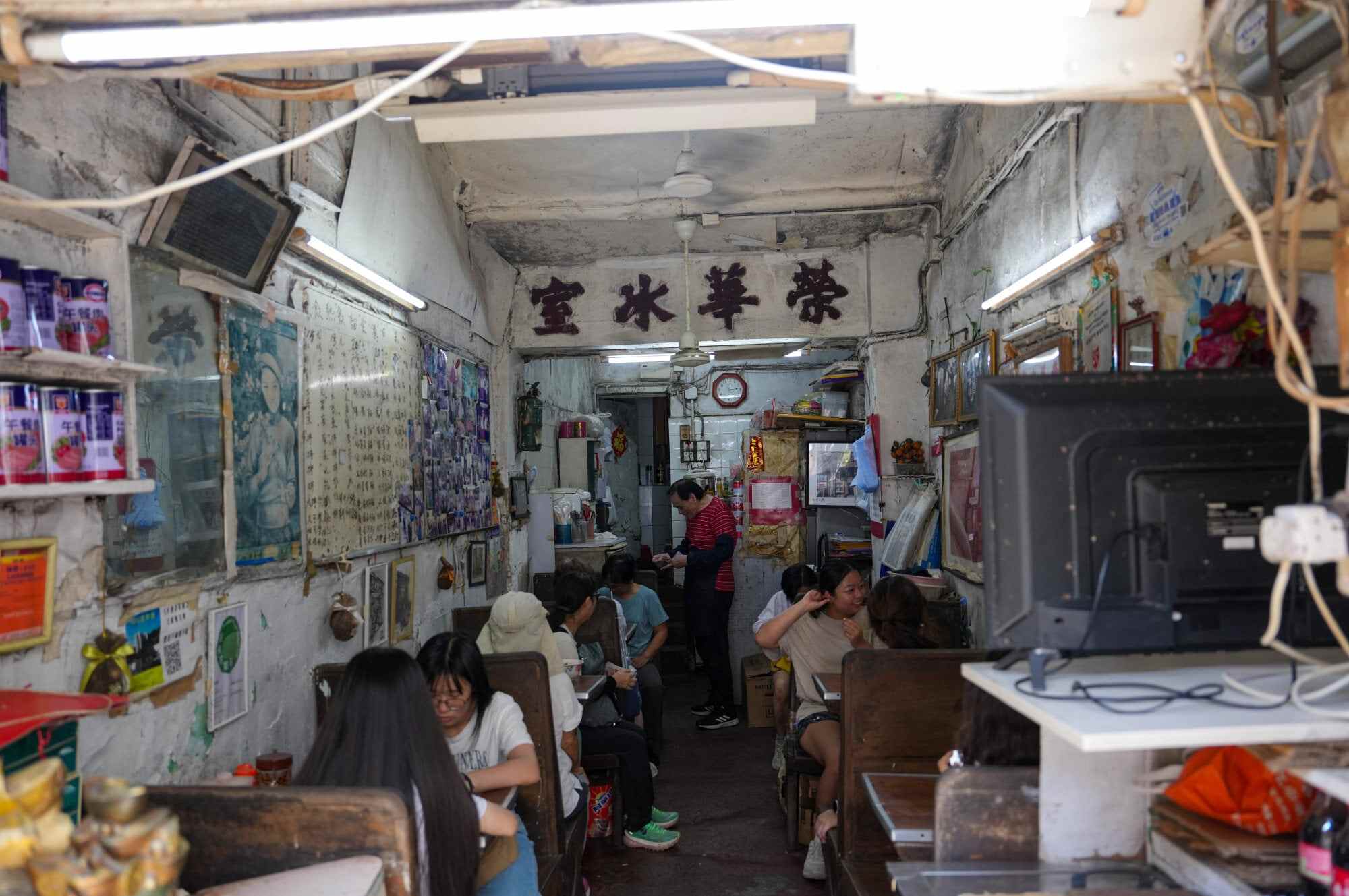
Cha Kwo Ling is one of Hong Kong’s last remaining squatter villages. The 200-year-old urban village will soon be a thing of the past.
It was one of four old villages in Kowloon, of which only Cha Kwo Ling and Lei Yue Mun remain.
Between 1983 and 2006, three big fires burned down many of the squatter houses and lots of villagers were rehoused to government public housing estates.
In 2019, Cha Kwo Ling was earmarked for redevelopment by the government which planned to build 3,000 new public flats. Two other urban squatter villages are also being reclaimed by the government for public housing.