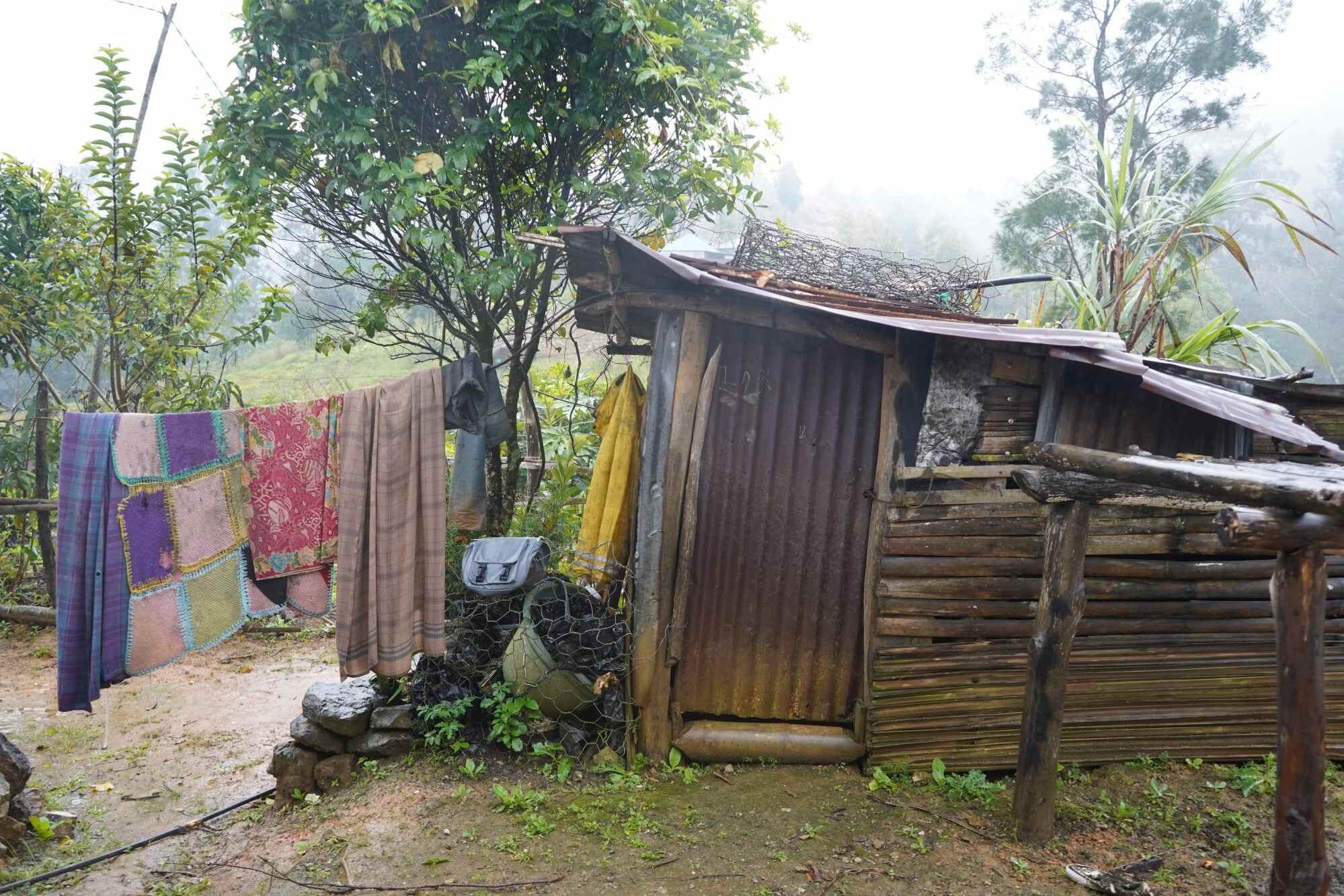
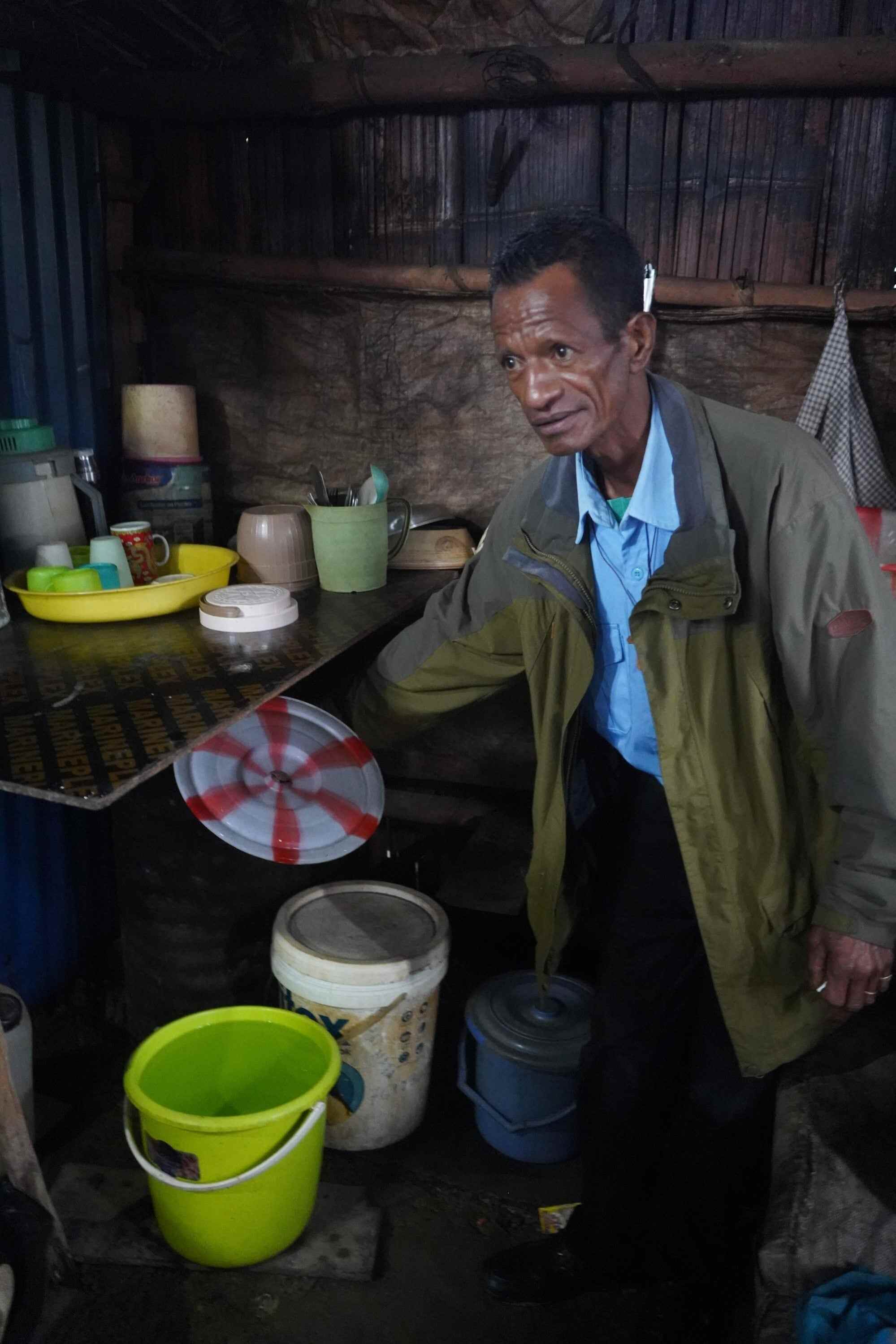
Inside a home in East Timor’s highlands, a bucket holds the main water supply for a family of six. More clean water requires a two-hour trek through rugged terrain.
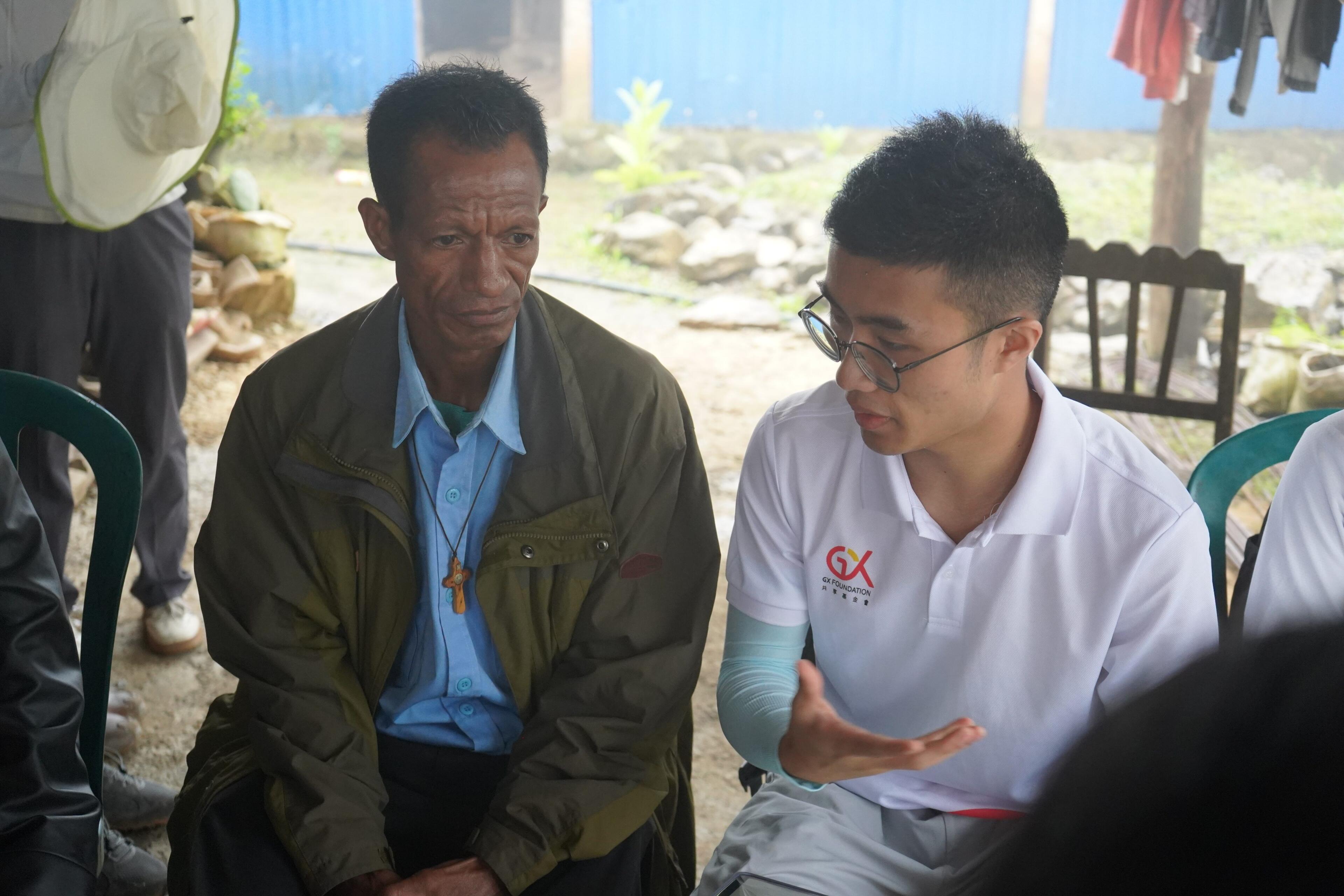
Scrambling down a slick, muddy slope to reach this home is a group of secondary school and university students from Hong Kong and Macau. They are there to understand the barriers to healthcare in East Timor – for example, limited access to potable water.
In this group are aspiring doctors, such as Oscar Chan Ho-ming, who is in his second year studying medicine at the University of Hong Kong (HKU).
“After years of study, we’re mostly crammed with information ... That knowledge is crucial, but it’s only half of what it means to be a doctor,” the 21-year-old said.
“The other half is medical humanities – the humane side of medicine. I came on this trip to experience what it really means to do structured humanitarian work.”
Last month, Chan and the 21 other students spent eight days in East Timor, an island nation that borders Indonesia and is home to 1.4 million people. Their service trip was part of the Youth Ambassador Programme by GX Foundation, an NGO delivering medical aid to developing countries involved in China’s Belt and Road Initiative.
To understand East Timor today is to know its history of resilience. After centuries of Portuguese colonisation and a violent Indonesian occupation, the country gained its independence in 2002 as the first new sovereign state of the 21st century.
Stepping into East Timor was a chance for Hong Kong students to leave their bubble of worrying just about grades, explained Candice Cheung On-yu, a Form Five pupil at St Paul’s Convent School.
“It’s crucial for our generation to ... see the other side of the world – to realise how hard life is for others, gain real experience through long-term service in poor countries and learn to treasure what we have,” the 17-year-old said.
Education and health go hand in hand
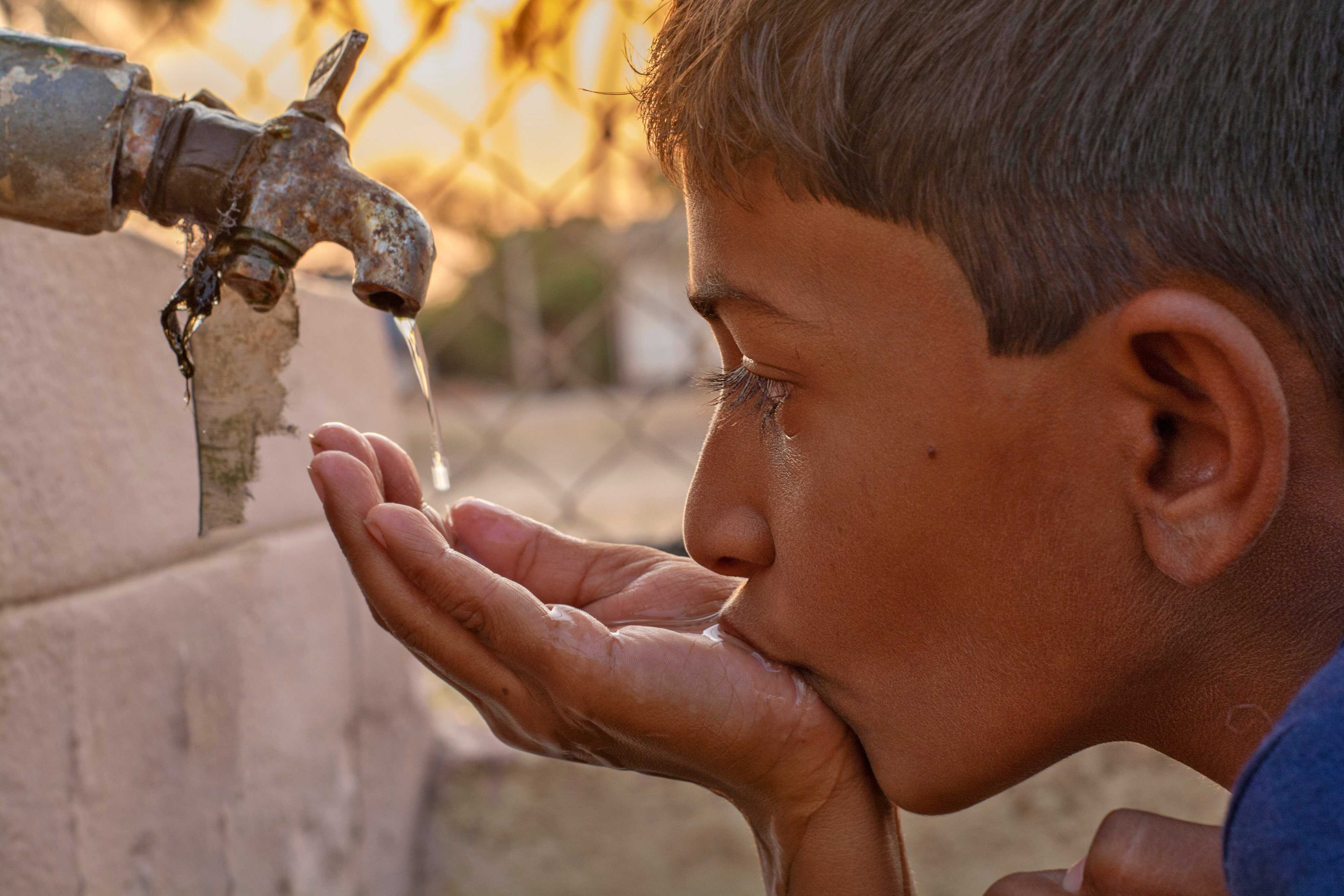
The youth ambassador trip was built around a potable water project spearheaded by GX Foundation, which donated 100 water purification machines to hospitals, healthcare facilities, churches and schools in East Timor.
But these machines are just part of one step in bringing clean water to people across the island nation.
“Even though they may understand that clean water is good for health, they think that taking water from nearby pipelines or river sources is more convenient for them, and ... they grow up using river water and dirty water to meet their daily needs,” Candice said, adding that changing people’s mindsets is key to the NGO’s mission.
During their household visits, the young ambassadors conducted surveys with families and taught them about dengue fever and the importance of drinking clean water.
One local the students visited, Americo, recalled how his nephew got sick from drinking unfiltered water. But now, he understands the need for clean water.
“Sometimes, I take about 20 to 40 litres of water from the machine at the church,” he said through a translator, adding that he would also boil the water before using it.
“[Now,] there is less diarrhoea and gastrointestinal disease.”

Beyond the potable water project, GX Foundation’s other initiatives include controlling dengue fever.
Besides a lack of access to medical resources, another barrier to treating dengue and other diseases in East Timor is that many patients wait too long to seek treatment, believing life and death lie entirely in divine timing.
More than 97 per cent of Timorese are Catholic – partly because of the Catholic Church’s role in providing aid and defending human rights after Indonesia invaded East Timor.
Faith could sometimes stand in the way of medical care, the students learned from a Chinese medical aid team at a hospital in Dili, the capital city.
Moirae Ngan Hoi-tung, a Form Five pupil from St Paul’s Convent School, recalled meeting an elderly man who had been sick for eight years.
“The hospital fee is free here, but the family didn’t even take him to the hospital,” the 17-year-old said. “Even when the NGOs provide free services for them, they would still not take him just because it is inconvenient or tiring.”
This is where healthcare access and education come in.
For Americo, he now knows that treating dengue fever cannot wait. “When it’s already two days, we have to go to the community health centre,” he said.
Gyneth Mok Hei-yi, who is in her second year studying global health and development at HKU, noted the intersecting factors that affect basic needs in East Timor.
“Water tanks might not have enough water simply because of the dry season ... People might not even understand what dengue is,” she said, adding that water systems could fail due to an unreliable power grid. “We need to work with many ... people to solve these issues.”
While NGOs and the local government have their work cut out for them, they also have recent healthcare successes to draw lessons from: last year, East Timor became the third country in the Southeast Asia region to be certified malaria-free by the World Health Organization.
The future of East Timor’s medical care
Accompanying the Hong Kong and Macau youth on their trip were medical students from the Universidade Catolica Timorense (UCT).
For 24-year-old Sartelizia Constantino de Fatima, a final-year student in UCT’s first medical class, paving the way as part of an inaugural medical class has also meant dealing with developing infrastructure.
Sartelizia’s university lacks essential lab equipment, so she spent two months practising in an Indonesian hospital last year. After finishing her coursework, she plans to return to Indonesia for a two-year clinical residency.
“I’m excited but also a little afraid,” she said. “With the language barrier, we worry about miscommunication.”
The financial burden of studying is immense – medical school costs HK$3,922 (US$500) per term, a formidable fee in a nation where the minimum wage is just HK$902 (US$115) a month – but she hopes to use her knowledge to serve others.
“It’s the purest job,” said Sartelizia, whose goal is to become an anaesthetist. “You treat people not by your mood but with your heart.”