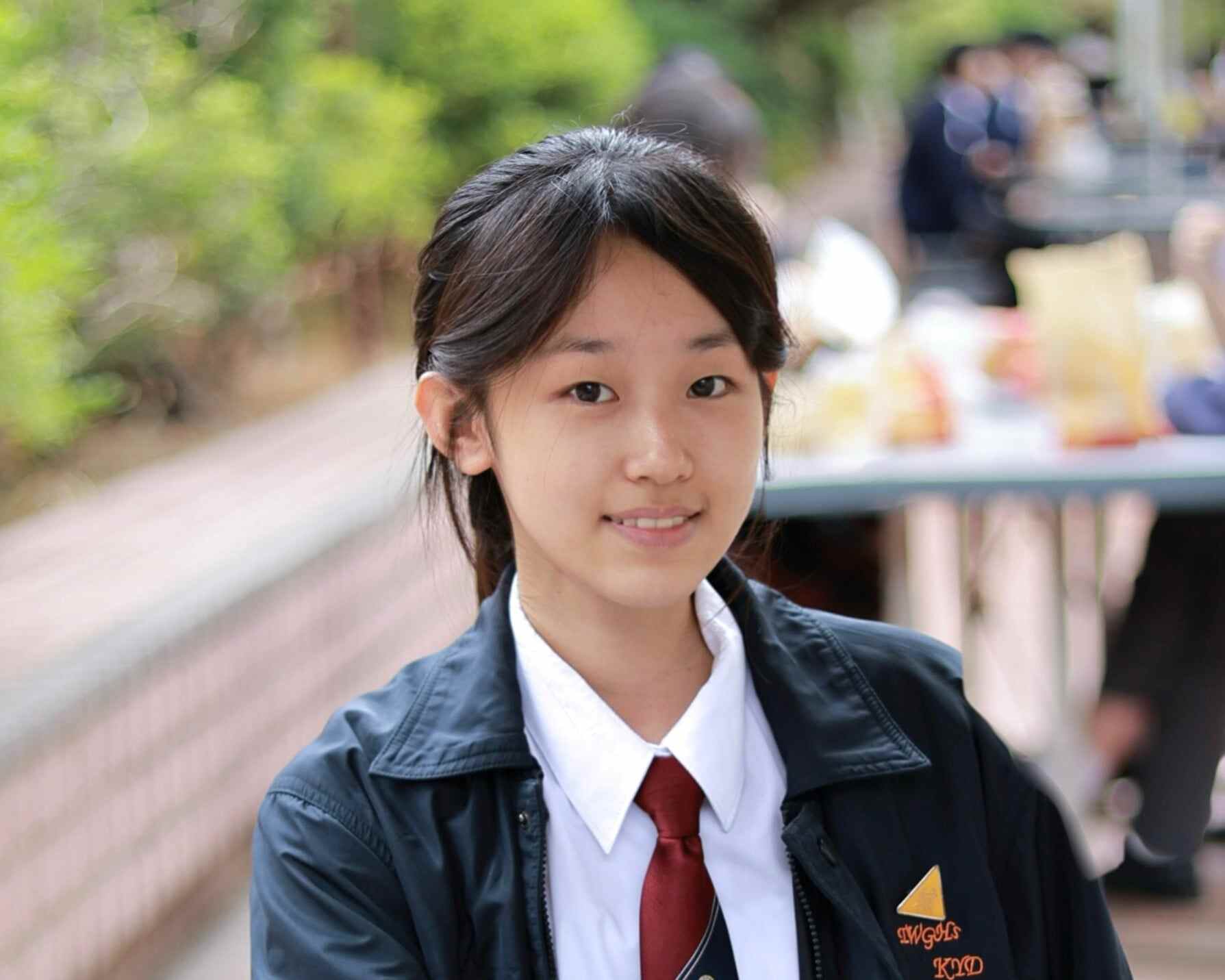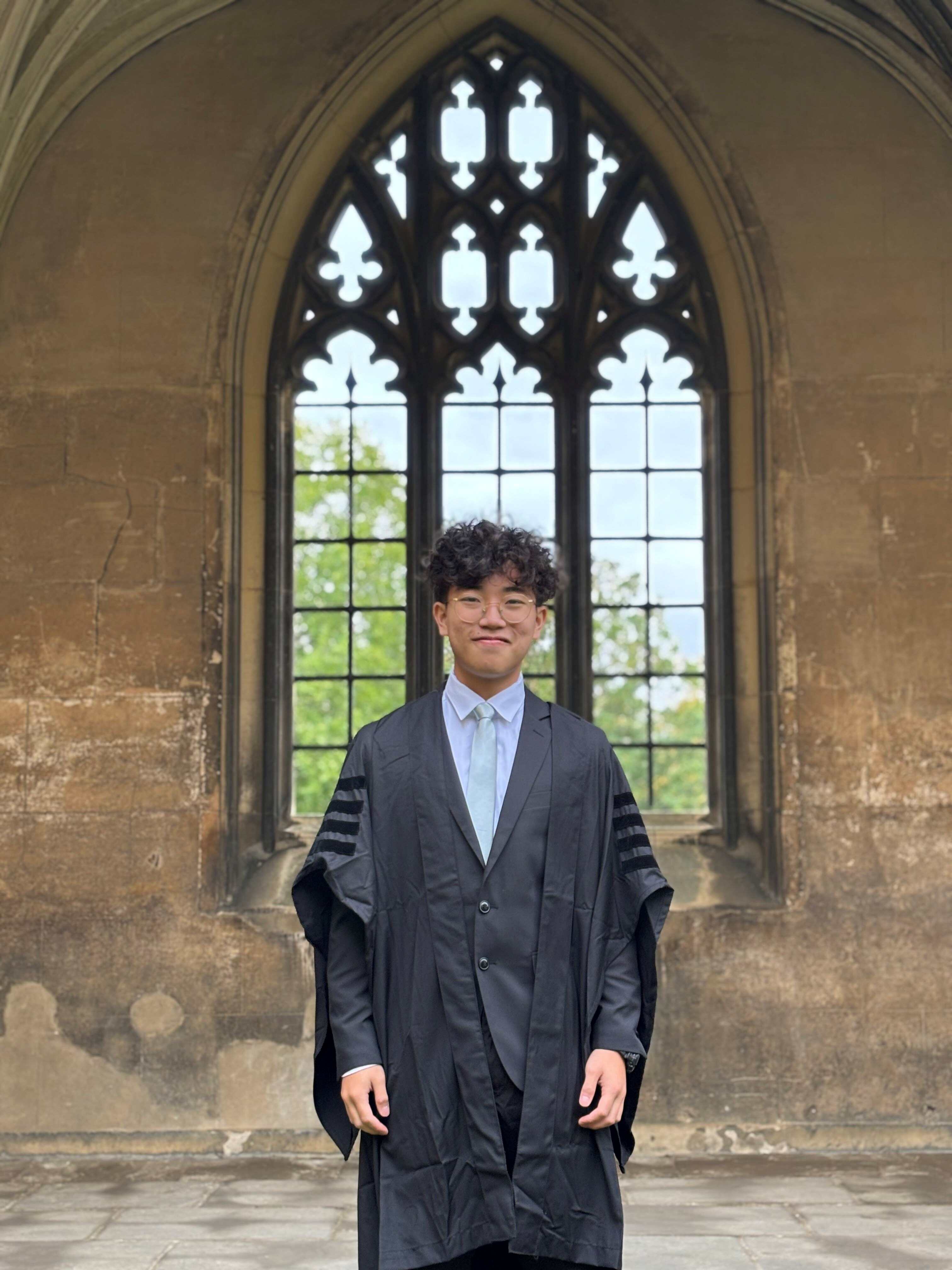
From the moment Shiny Poon Suen-man first picked up a badminton racquet in kindergarten, she realised that sports would be more than just a pastime.
“I quickly realised I had a natural talent for it,” the 19-year-old recalled.
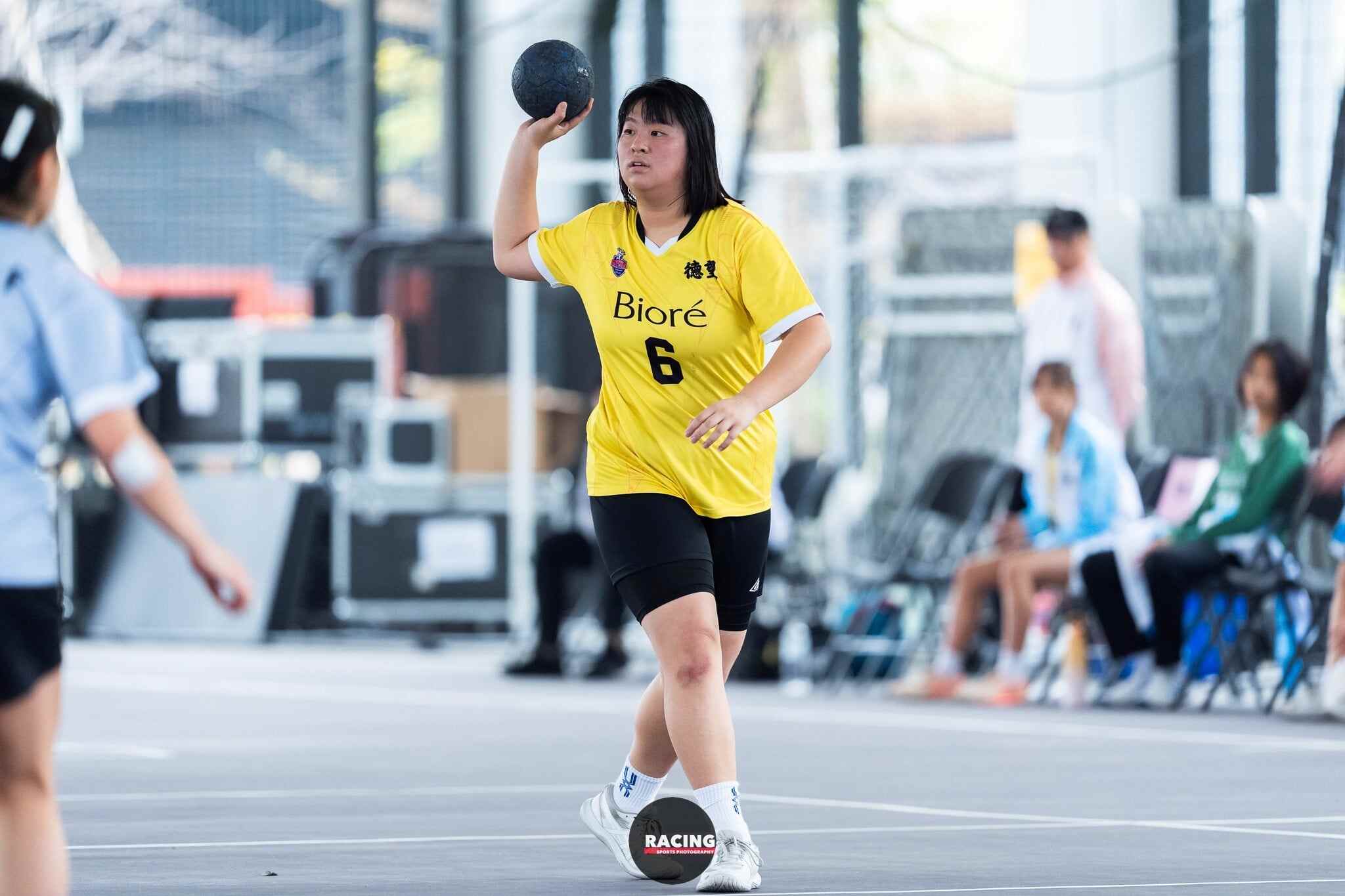
When her secondary school years at Good Hope School opened new opportunities – an invitation to join the athletics throw team and the launch of a handball squad – she did not hesitate.
“I decided to jump at the opportunity, which sparked my multi‑sport commitment,” she said.
Poon developed a passion for a variety of sports, including badminton, athletics, basketball and handball.
“Playing different sports showed me how fascinating it is to master distinct rules, techniques and tactical mindsets, and I fell in love with the variety of each sport and challenge of it all,” she said.
While Poon excelled on the court, she encountered setbacks academically.
“My major turning point happened in Form Three when I had to repeat the year,” she said.
“It was tough. I could feel the negative stereotypes from those who didn’t know me well.”
Rather than accept that label, she used the experience as fuel.
“Deep down, I knew I wasn’t a ‘bad student,’ and that setback pushed me to transform my mindset. I committed to proving who I really was,” she said.
A few years later, Poon’s arc turned.
“By Form Six, my growth and effort led to me being named captain [of my sports team]. That opportunity ignited a deep passion to give back to my school and my teams,” she shared.
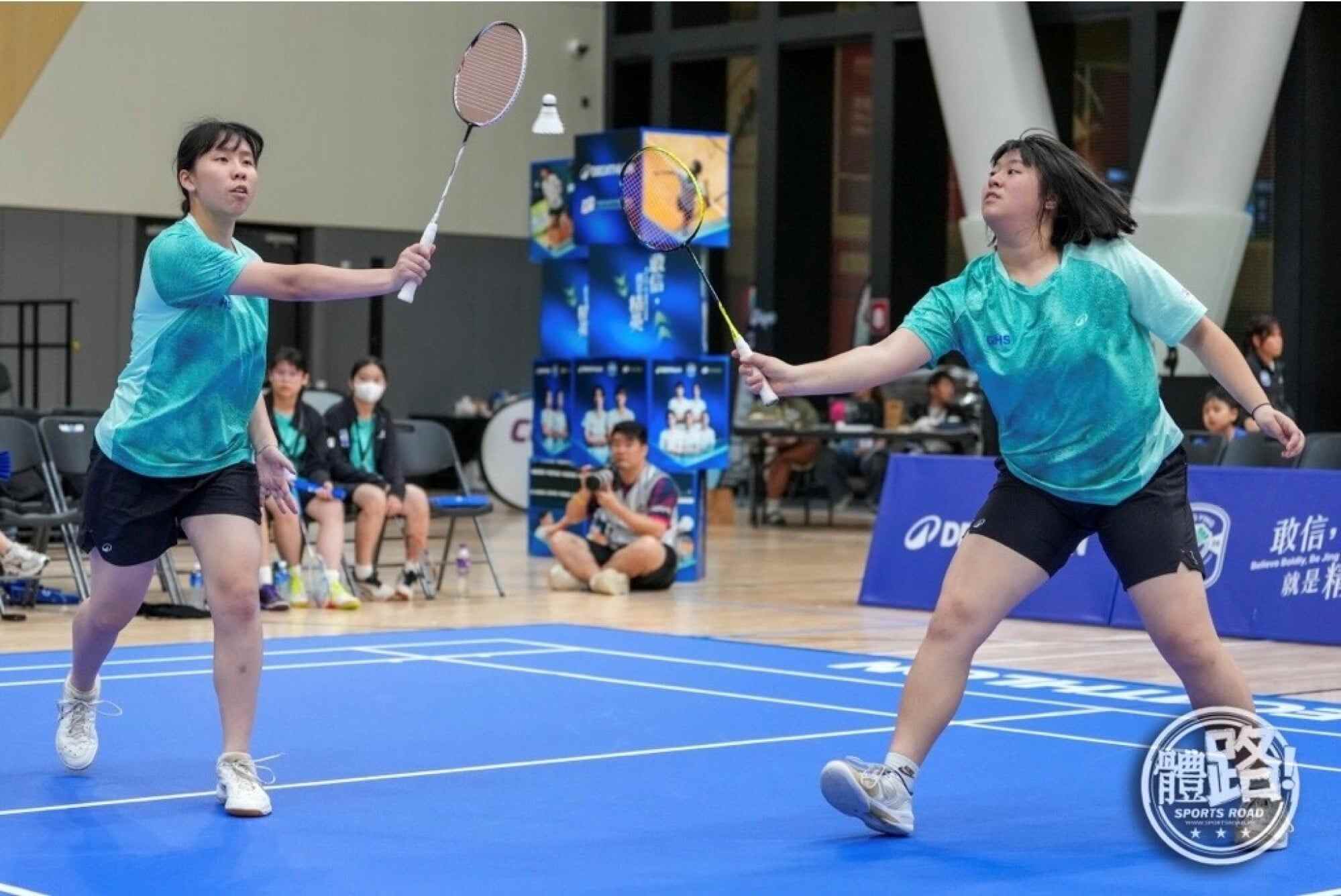
Leading the badminton and handball teams taught Poon that effective leadership relies on open communication rather than mere commands.
“As a captain, I focused on ... acting as a bridge between the coach and the team,” she explained.
“Whenever teammates felt discouraged or misunderstood the coach’s feedback, I stepped in to comfort them and translate that advice into constructive motivation.”
Poon noted that handball taught her the importance of selflessness. Initially, she pursued personal achievements, but over time she learned to set her ego aside for the team’s benefit.
“I learned to trust my teammates and distribute the play equally,” she said. “Passing up an individual shot to [instead] empower a teammate has completely transformed our collective offensive chemistry and pushed our team forward.”
To balance sports and studies effectively, Poon understands that small, intentional choices accumulate over time.
“Managing multiple sports means every day brings a different training focus,” she explained.
“On those double‑session days, I would complete a two‑hour badminton practice right after school, then head off‑campus for another two‑hour handball session. It was physically exhausting, but I learned to optimise my recovery.”
Travel time is treated as rest time, and meals are scheduled to provide the necessary fuel and support recovery.
“Discipline for me means making every minute count, whether training, travelling or resting,” she said.
When competitions, practices and exams collide, Poon’s solution focused on efficiency and concentration. She admits that early on she was easily distracted, but her breakthrough came with the technique of compartmentalisation.
“I needed a complete mental shift: when it is time to study, I focus 100 per cent on studying; when it is time to train, I am fully locked into practice,” she said.
This ability to separate her focus allows her to manage overlapping pressures without experiencing burnout.
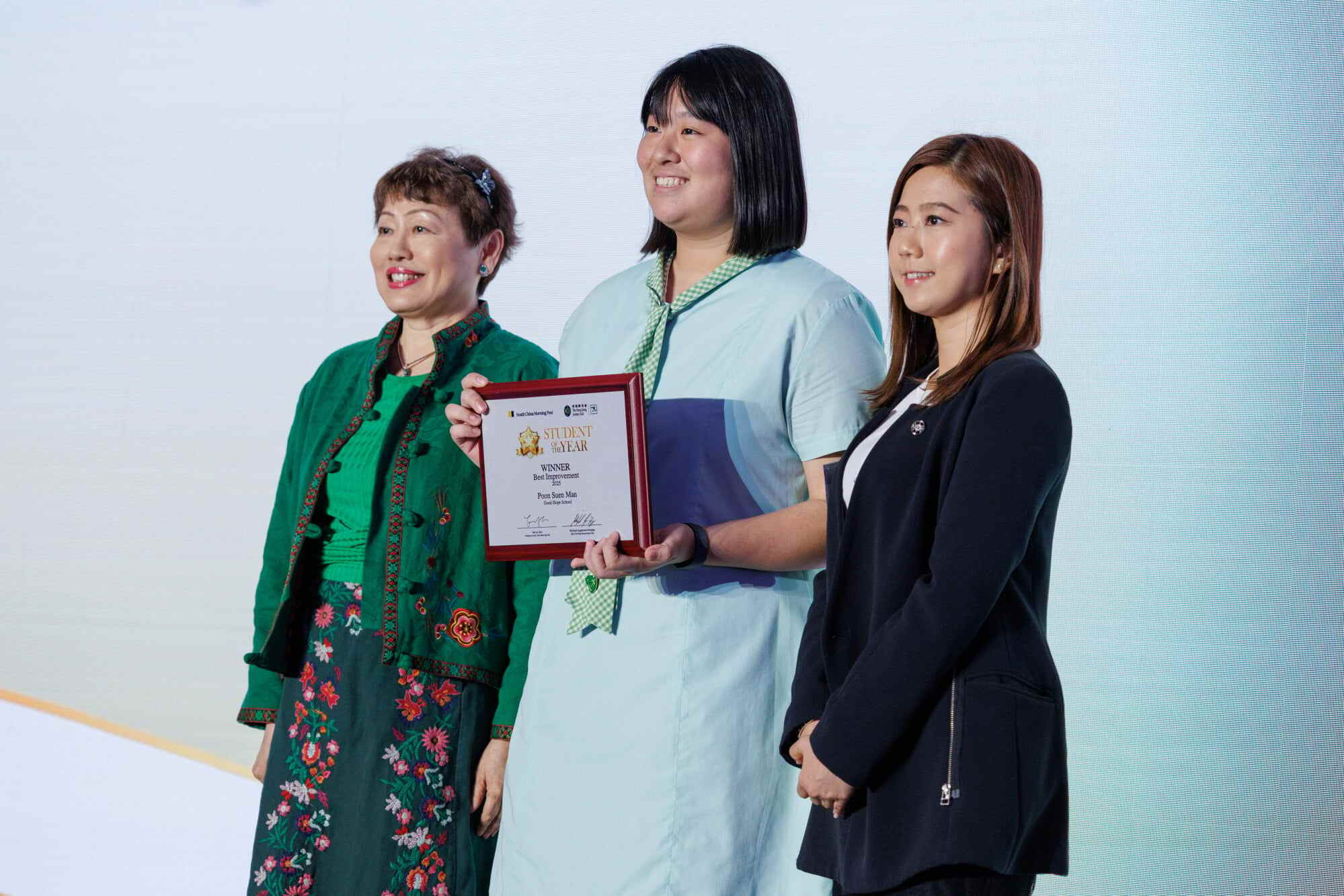
Poon’s journey was recognised as one of the winners in the Best Improvement category at the 2025/26 Student of the Year Awards, organised by the South China Morning Post and solely sponsored by The Hong Kong Jockey Club. This month, Poon started a bachelor’s degree in media and communication at City University of Hong Kong.
After completing her university entrance exams, Poon began coaching children in badminton and discovered a new passion.
“That experience was an eye‑opener – I realised coaching requires a completely different skill set than being an athlete,” she said. “My goal is to combine my experience across multiple sports with effective communication strategies to build strong, resilient and inspired young athletes.”
Poon’s story is one of consistent reinvention: a student who transformed setbacks into momentum and now a young coach ready to share the lessons she learned.