Education authorities will review the policy on the medium of instruction in Hong Kong public secondary schools for the 2028-34 cycle after looking at the results of a three-year evaluation study and consulting the sector.
The review comes as a council representing subsidised secondary schools urged the government to allow more institutions to teach subjects in English to better prepare pupils for higher education programmes conducted in the language.
The Education Bureau told the Post that it had commissioned the University of Hong Kong (HKU) to conduct a three-year longitudinal study on how English as the medium of instruction for certain lessons had been implemented in three schools from the 2022-23 academic year onward.
Longitudinal studies track changes, identify patterns and establish potential causal relationships between variables over time by repeatedly observing and collecting data from the same subjects.
“HKU has completed the collection of data in three school years and is currently conducting a detailed analysis, after which it will submit a report to the Education Bureau,” a bureau spokeswoman said.
“The Education Bureau will review the policy and share the research findings with stakeholders in a timely manner.”
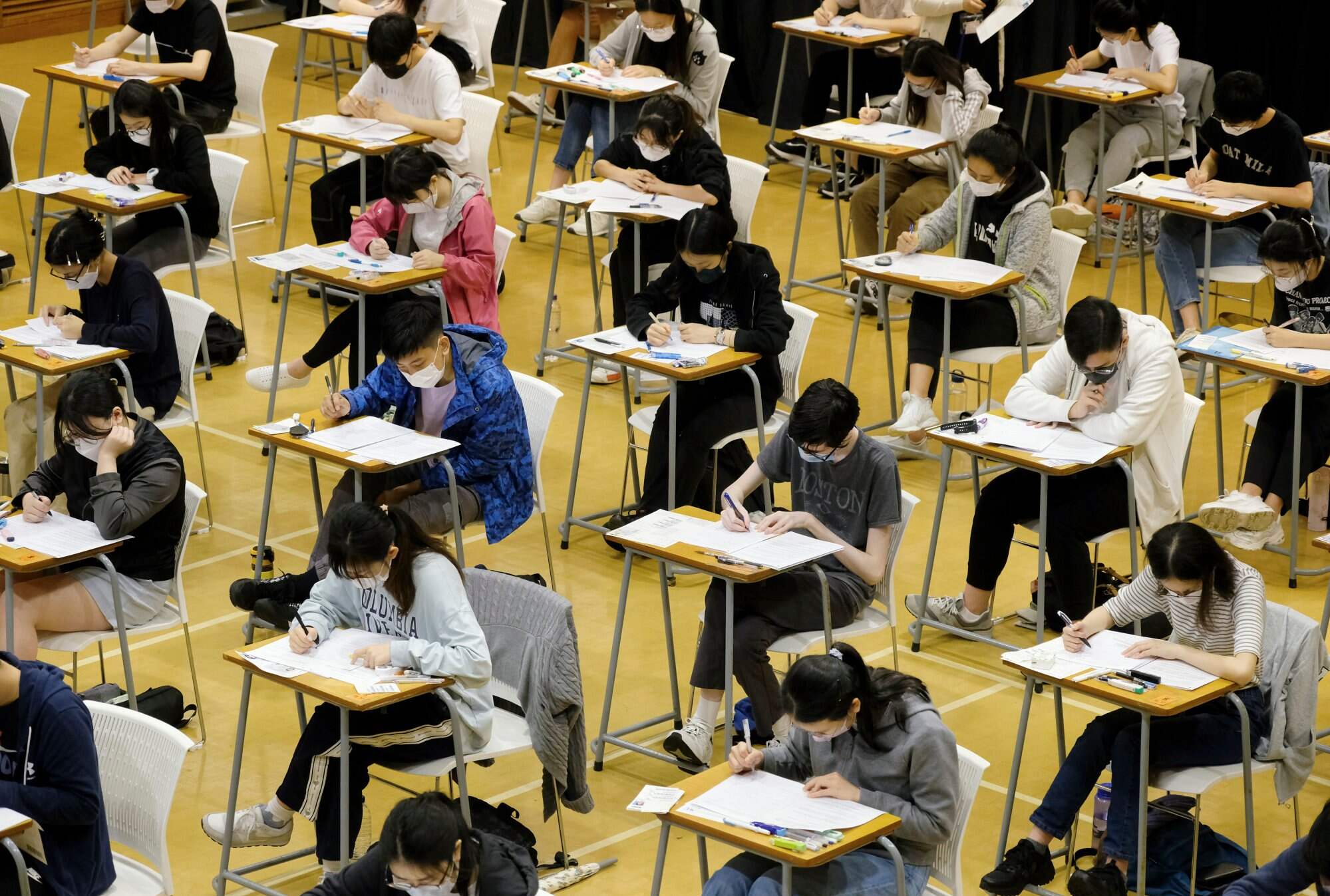
She added that the bureau would consult the education sector on the arrangements for the 2028-29 to 2033-34 academic years to improve the policy and align with societal development and needs.
The study’s principal investigator is Professor Lo Yuen-yi, associate dean of HKU’s faculty of education.
Lee Yi-ying, chairwoman of the Hong Kong Subsidised Secondary Schools Council, told the Post that the sector hoped more schools would teach students in English.
“Over 80 per cent of secondary school graduates now go to tertiary institutions or overseas to pursue their studies, unlike in the old days when it remained at a comparatively low level,” she said.
“We have to lay a good foundation for students going on to study in post-secondary institutions, where almost all programmes are conducted in English.”
Lee also said that having more lessons conducted in English aligned with Hong Kong’s aim of becoming an international education hub, as the city opened up its basic education to non-local students.
Since the 2010-11 academic year, the government has implemented a fine-tuned medium of instruction arrangement for junior secondary schools.
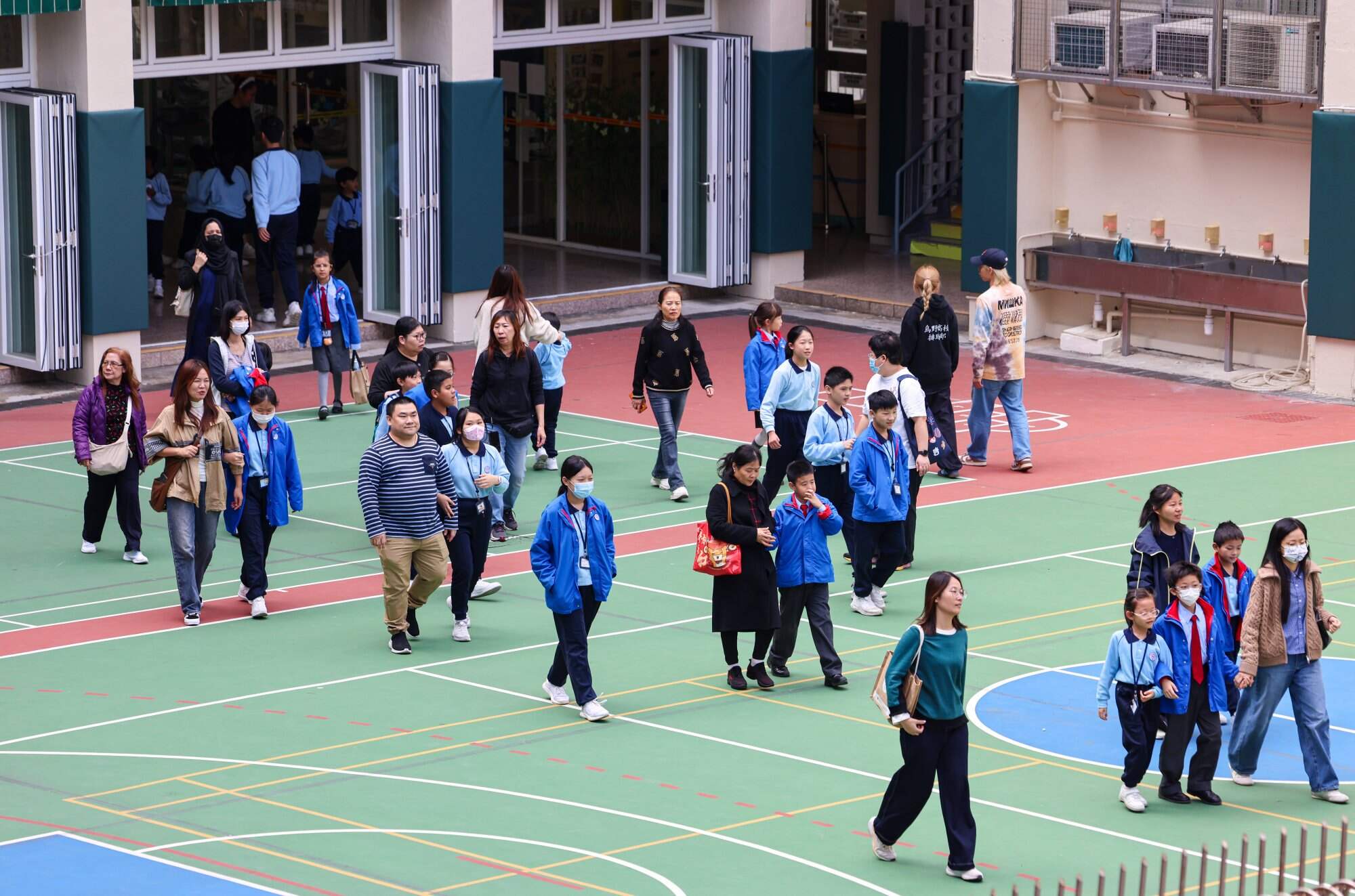
The arrangement has a six-year cycle. A school that has 85 per cent of its Form One intake performing in the top 40 per cent of all students citywide over the last two years of the previous cycle can use English as its medium of instruction (EMI).
Schools using Chinese as the medium of instruction (CMI) are allowed to conduct extended learning activities in English or to teach at most two subjects in English.
Hong Kong has 114 EMI government and subsidised schools, which are regarded as more prestigious and sought after by students and parents.
The city’s remaining 270 public secondary schools are either CMI schools or adopt English for some classes and subjects.
Some principals said authorities should increase the proportion of top EMI-capable students and lower the 85 per cent threshold if more schools were allowed to teach in English.
These thresholds were expected to be a key focus of the consultation, they added.