In May last year, the United States implemented stricter visa regulations for students from mainland China and Hong Kong, resulting in a year-on-year decrease of 42 per cent and 35 per cent, respectively, in the number of permits issued. However, a consultant has noted that the impact of these changes has been temporary.
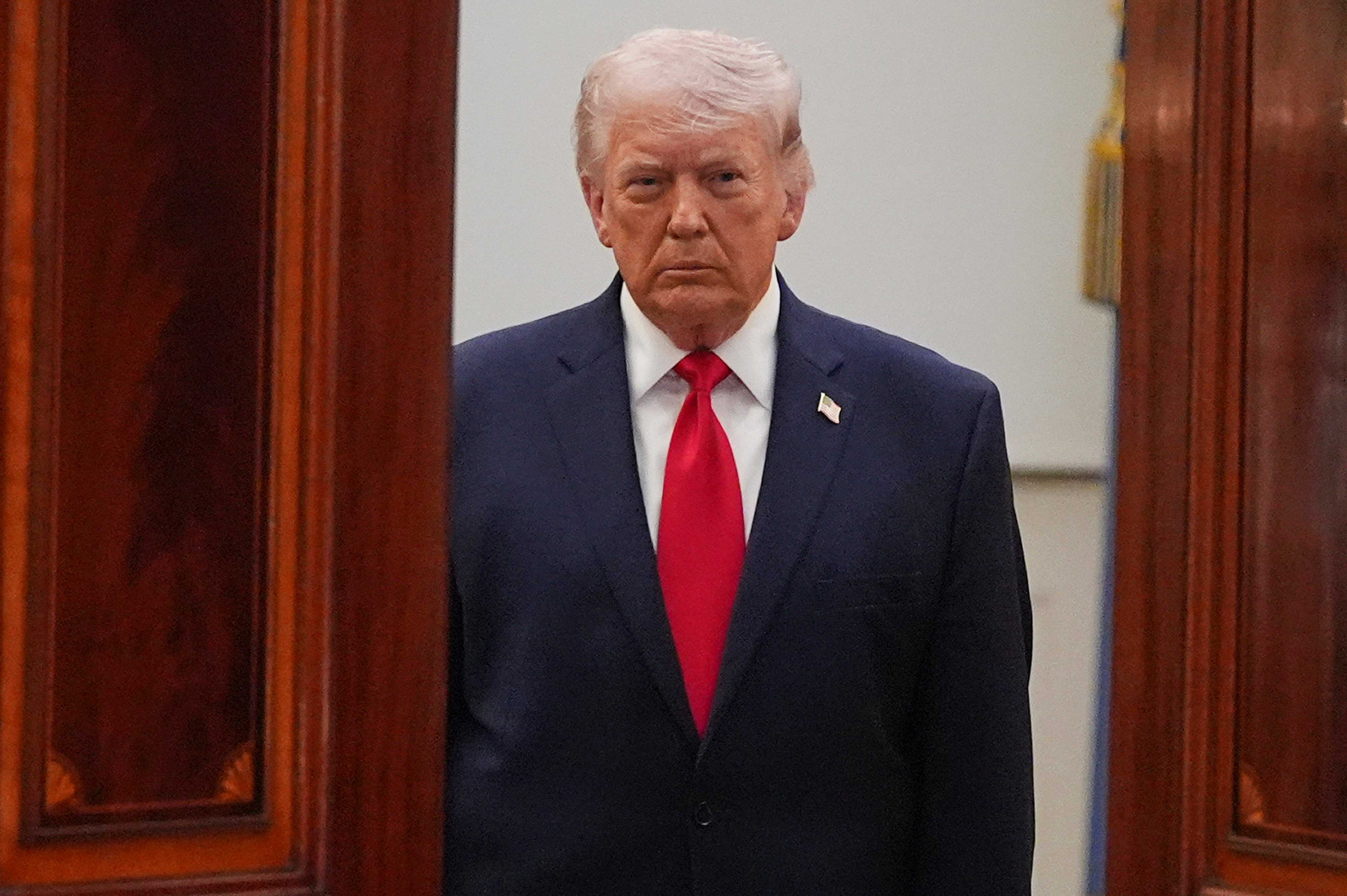
One PhD student from the mainland said US President Donald Trump’s actions had led to him giving up an offer to study at the Massachusetts Institute of Technology (MIT) to enrol at the University of Hong Kong (HKU) last year after he found America’s once-vibrant academic atmosphere tarnished by geopolitics.
Figures recently released by the US State Department’s Visa Office showed about 900 F-1 visas were granted to Hong Kong students for academic and language training programmes between June and August last year, which is the period when the documents are typically issued.
The figure marked a 35 per cent drop from the 1,395 visas issued in the same period in 2024, and the second-lowest since 2018.
The lowest figure was recorded in 2020, the year the Covid-19 pandemic began, when only 394 F-1 visas were issued to Hong Kong students.
The calculation of the number of student visas is based on the sum of the number of such documents issued to Hong Kong and British National (Overseas) passport holders reported in the US Visa Office’s monthly figures.
For mainland students, the drop was even steeper. The number of F-1 visas issued for that demographic between June and August 2025 stood at 25,625, a drop of 42 per cent from the preceding year’s 44,088.
In May 2025, US Secretary of State Marco Rubio announced a stricter approach to Chinese student visas, pledging to revoke existing ones and heighten scrutiny of future applications from the mainland and Hong Kong.
Jonathan Ma, a senior academic adviser and regional manager for Hong Kong at Crimson Education, a university consultancy that helps students apply to the Ivy League and other top-tier institutions in the United States, said Chinese passport holders were among his clients worried about obtaining visas.
“At that time, many students were waiting for their offers or deciding whether they should go after obtaining the offers,” he said. “The actual impact was quite limited, but the move created chaos and anxiety over visa applications,” he said.
“Although the visa centre was closed for a while, all students eventually obtained their visas. The main effect was psychological, making prospective students question whether they should still go to the US that year. I’d estimate fewer than 10 per cent may switch to the UK this year.”
He noted that data from the company’s mainland office showed that the US remained the top study destination for most mainland applicants.
Ma added that his team now advised students not to post politically sensitive content on social media, as US visa officers required access to applicants’ accounts during background checks, potentially affecting visa approvals.
Peng Kunxiang, 23, the PhD student who turned down MIT, earned both his bachelor’s and master’s degrees from University College London.
But the earth sciences student said he made the difficult decision despite the offer from MIT including a full scholarship and financial support.
MIT holds the top spot globally in the latest Quacquarelli Symonds World University Rankings.
“At that time, I was very excited. Not only is MIT the best, but I really love this field, and research is my passion. The admissions process was extremely competitive. Fewer than 10 students were accepted into my programme, and only two were international. I was one of them,” he said.
“But I started worrying about my life and academic work at MIT. The main reason was Trump. He holds a deep bias against earth sciences and uses political means to distort scientific facts.
“Under his administration, the National Science Foundation’s funding for earth sciences suffered the largest cuts because he doesn’t like the issue of global warming.”
Peng added that the Trump administration’s hostility towards international students had eroded what was once a vibrant and open academic environment in the country.
That experience prompted him to consider studying elsewhere. After Hong Kong education authorities last May urged local universities to support affected students and offer them study opportunities, he made his final decision to transfer.
Peng secured an offer from HKU within two weeks and received the prestigious Presidential PhD Scholarship, which provides substantial academic and training support.
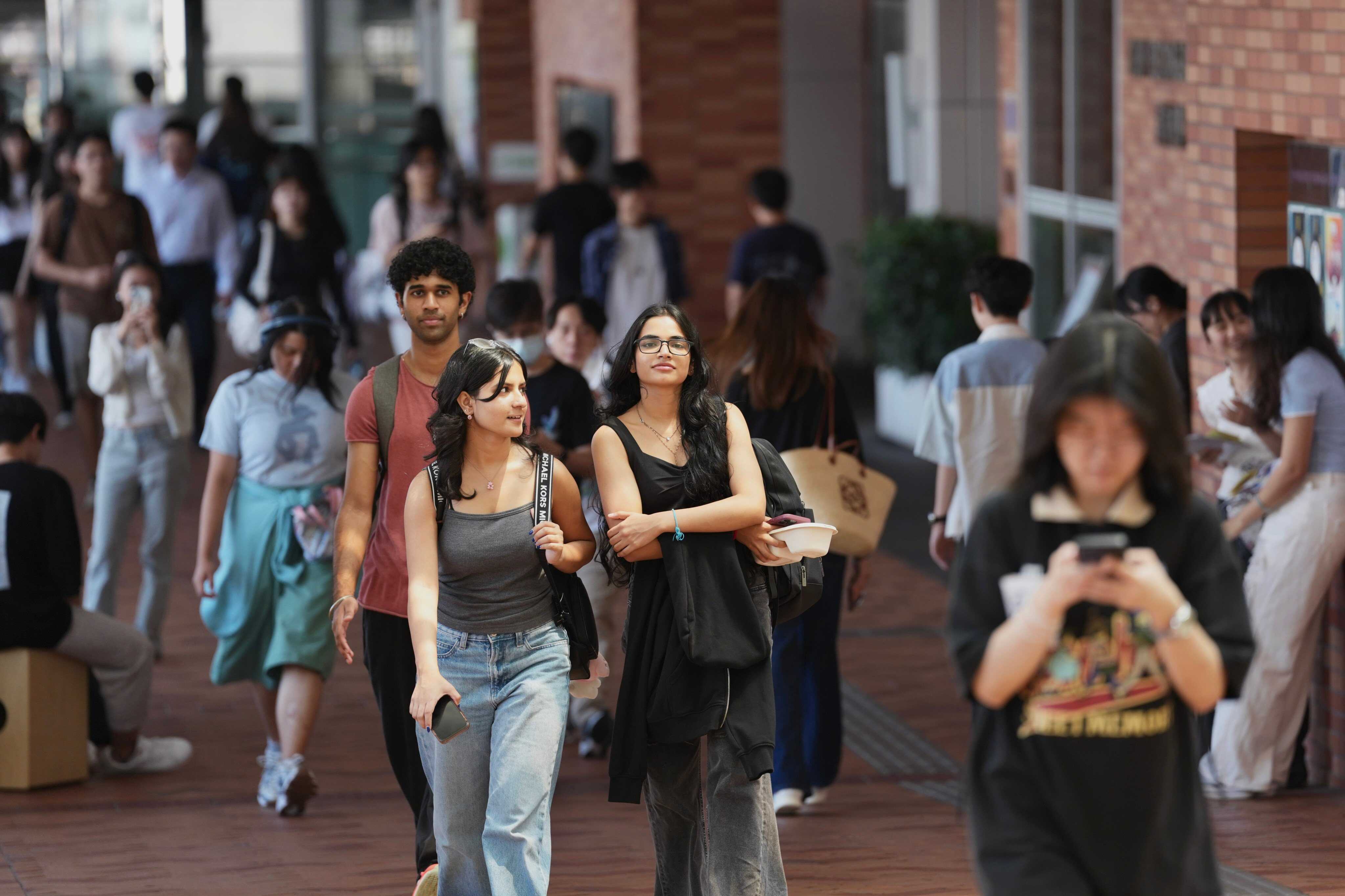
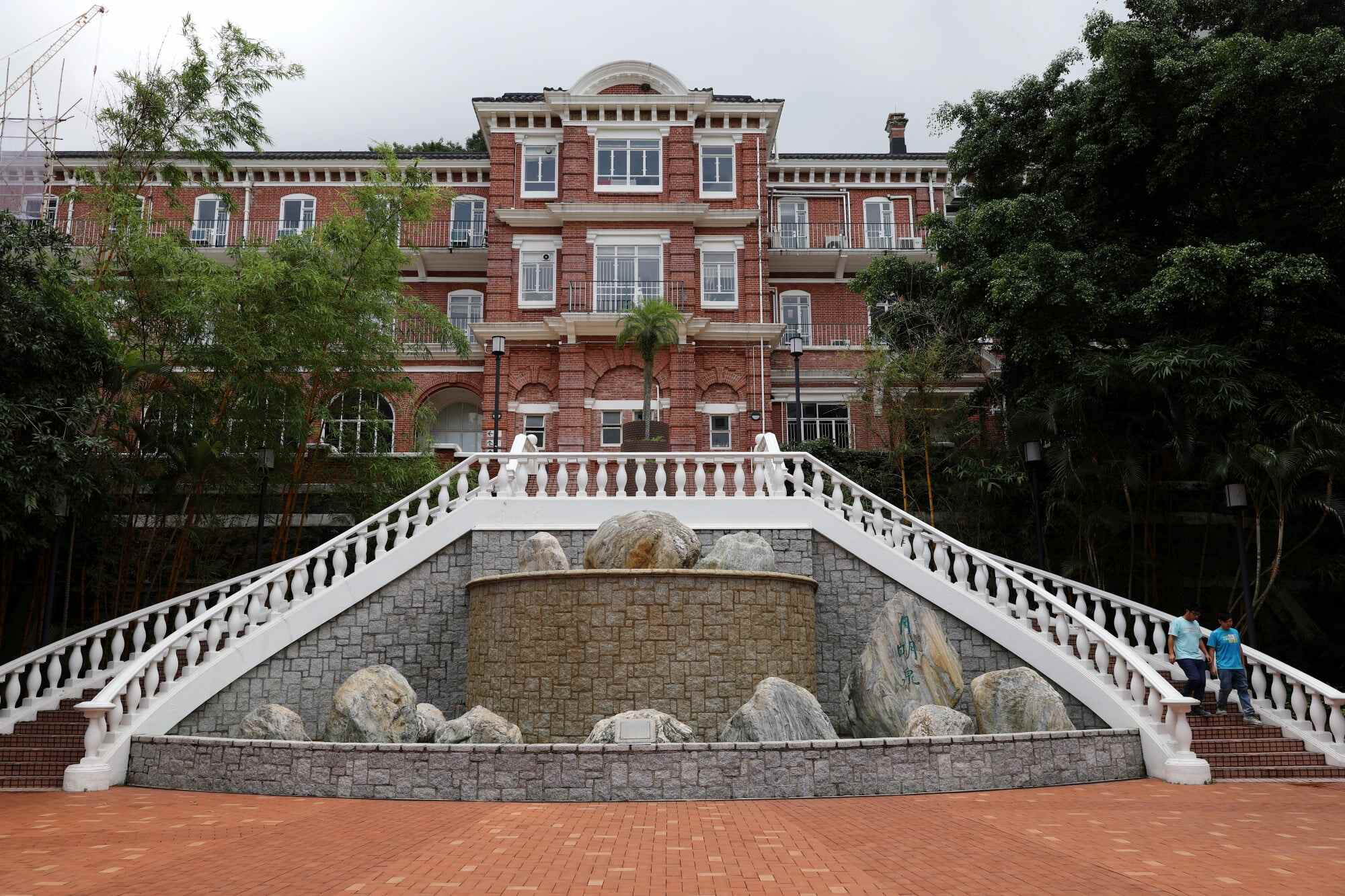
“Choosing HKU was an excellent decision. I even think it was a turning point in my life. Everything has been wonderful, not only academically but also personally. HKU’s location is great, and transport is convenient,” he said.
“The city is beautiful, and I’ve adapted very well.”
He added that HKU offered abundant research resources and had a diverse academic environment that included both Chinese and American scholars, creating an ideal setting for scientific research.