Boris Lau Chung-kiu, 17, is chatty, forthright and sincere – qualities that surface in every story he tells about music, leadership and service.
His relationship with Chinese music began unexpectedly.
“I did not learn Chinese music at the very beginning,” the Diocesan Boys’ School student admitted, explaining that after six years of Western percussion training in primary school, his secondary school teachers encouraged him to try Chinese instruments.
That first encounter quickly became a calling.
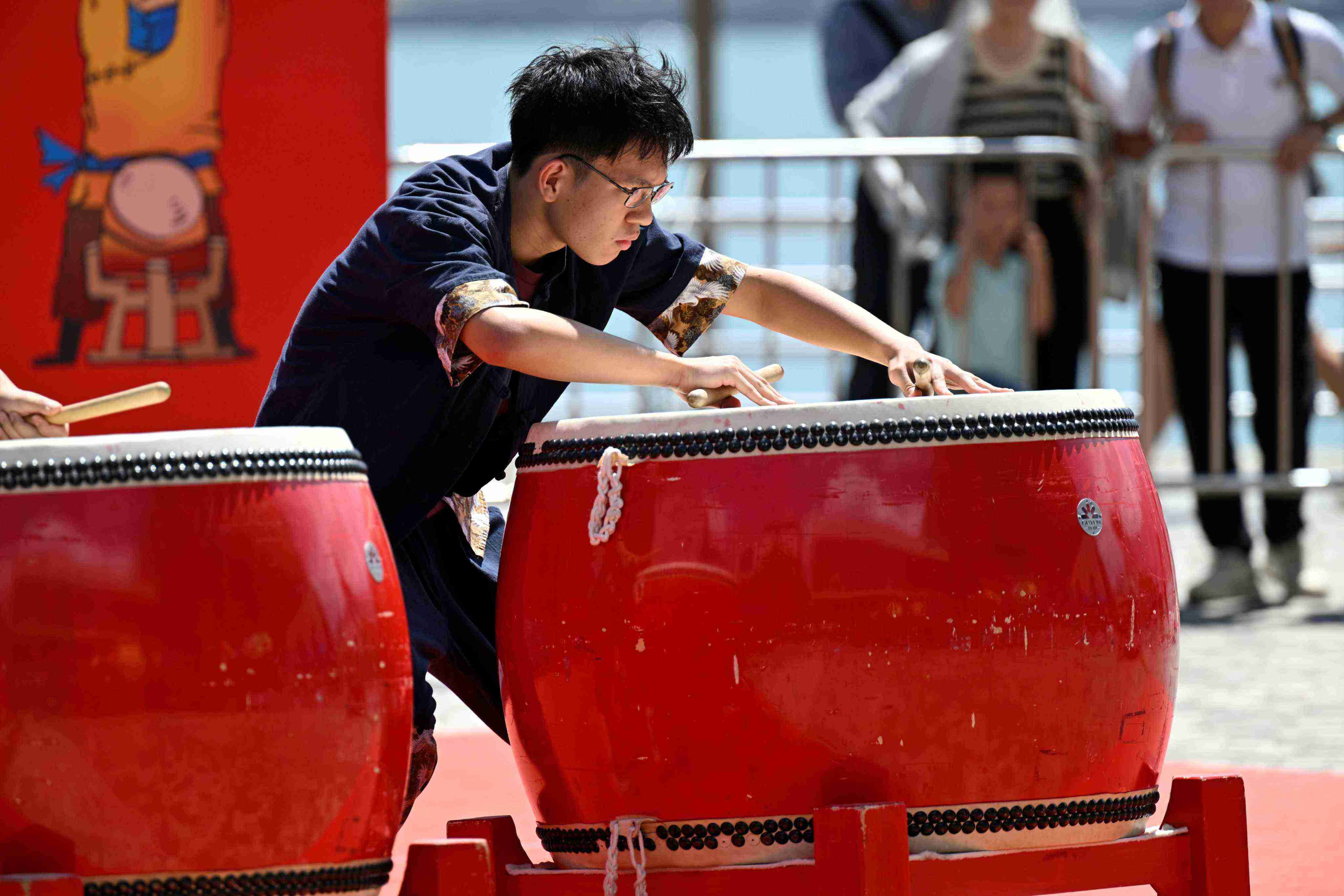
Boris found a tight‑knit group of students and fellow musicians in an ensemble that became a place of belonging and nudged him into leadership roles. He went on to serve as captain of his school’s Chinese Drum Ensemble and vice‑chairman of the Chinese Orchestra, expanding his role from percussionist to conductor and organiser as he learned to shape sound and people alike.
One defining moment came when Boris led the Chinese Drum Ensemble at a reception for international tennis players and officials at an event in a Causeway Bay hotel. Far from the usual concert halls, Boris said he saw this as a rare chance to “promote Chinese music to the world”.
He recalled the crowd’s reaction: “They were so shocked and ... captivated. Some gave us a thumbs‑up, clapped for us and even wanted to shake our hands.”
That enthusiastic response convinced him that live performance could dissolve cultural assumptions and unite diverse listeners through energy, drama and spectacle.
Boris has also had the chance to step into the role of a director for the Chinese Drum Ensemble’s Chinese New Year promotional video. As it was his first time leading a video shoot, he collaborated with a media‑savvy friend and his teacher, learning camera work and shot composition on the fly.
He recalled long discussions about framing and angles that could highlight the ensemble’s dynamics.
“The shoot took more than 10 hours, and the headmaster’s involvement added both support and pressure,” Boris said.
The finished video captured the group’s energy and earned overwhelmingly positive feedback, teaching him how to use his artistic vision in a new medium.
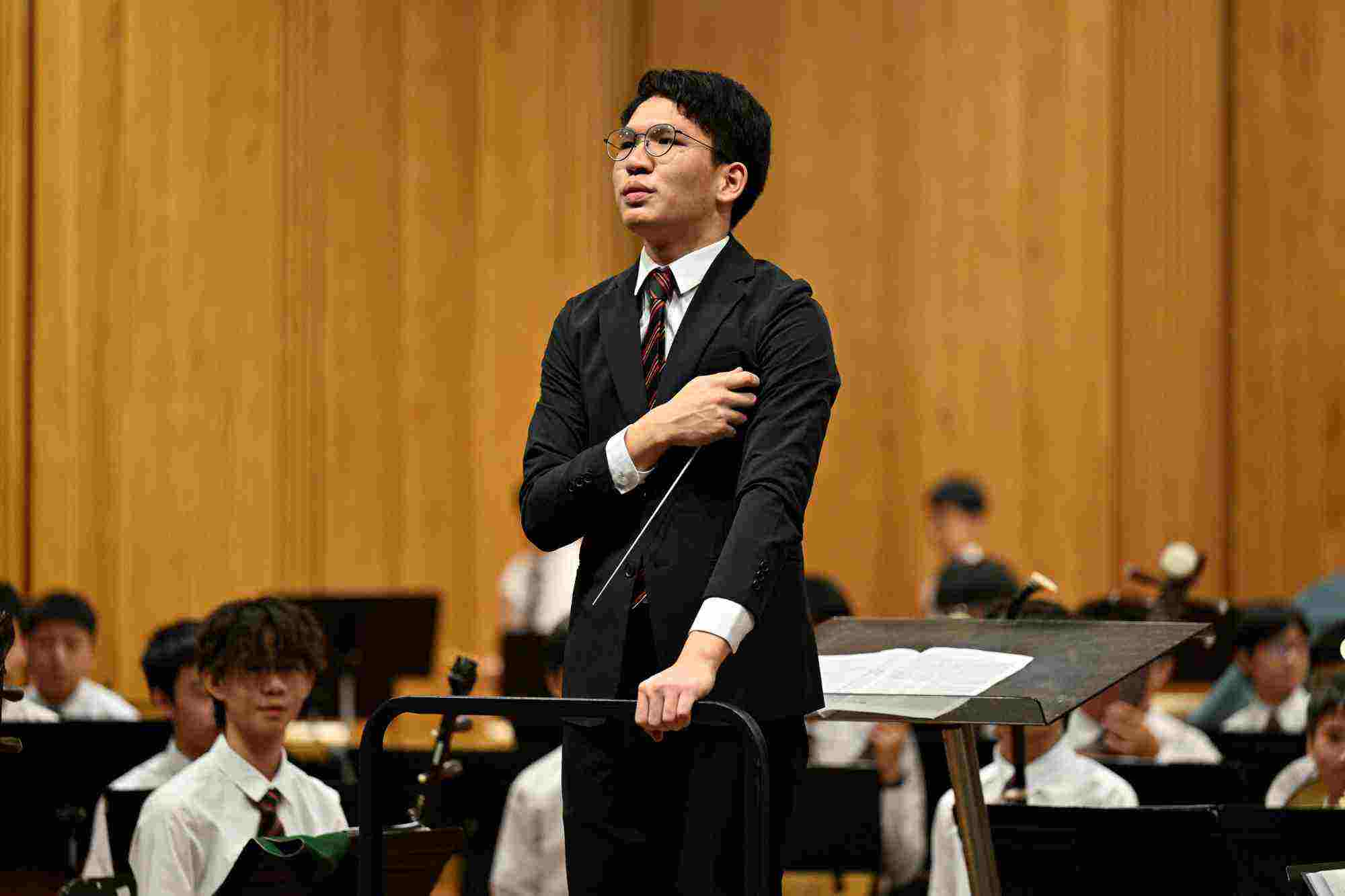
His projects were recognised when he was chosen as one of the honorees in the Best Devotion to School category of the 2024/25 Student of the Year Awards, organised by the South China Morning Post and exclusively sponsored by The Hong Kong Jockey Club.
Beyond his dedication to music, Boris has also honed his public‑speaking skills at his school’s Centre for Further Studies and Careers as a trilingual tour guide and master of ceremonies.
Switching between English, Cantonese and Putonghua, he has hosted university counsellors and visiting officials, while learning to speak precisely and sensitively across cultures. He explained that those duties demanded care and composure, especially when receiving mainland Chinese officials, and these experiences sharpened his leadership skills.
Boris also said he treasured performances that reached beyond his campus, such as conducting music for elderly residents in care homes and playing in a hospital during Chinese New Year. He recalled how live music could bring warmth and hope to patients who otherwise had little to look forward to, and those moments convinced him that music could be a form of care.
Now aspiring to become a doctor, Boris said he planned to weave joy, empathy and community‑building into his future clinical practice. He hopes to use conversation, presence and even music therapy to ease his patients’ days.
For him, medicine and music are complementary arts: both demand listening, timing and the courage to connect.