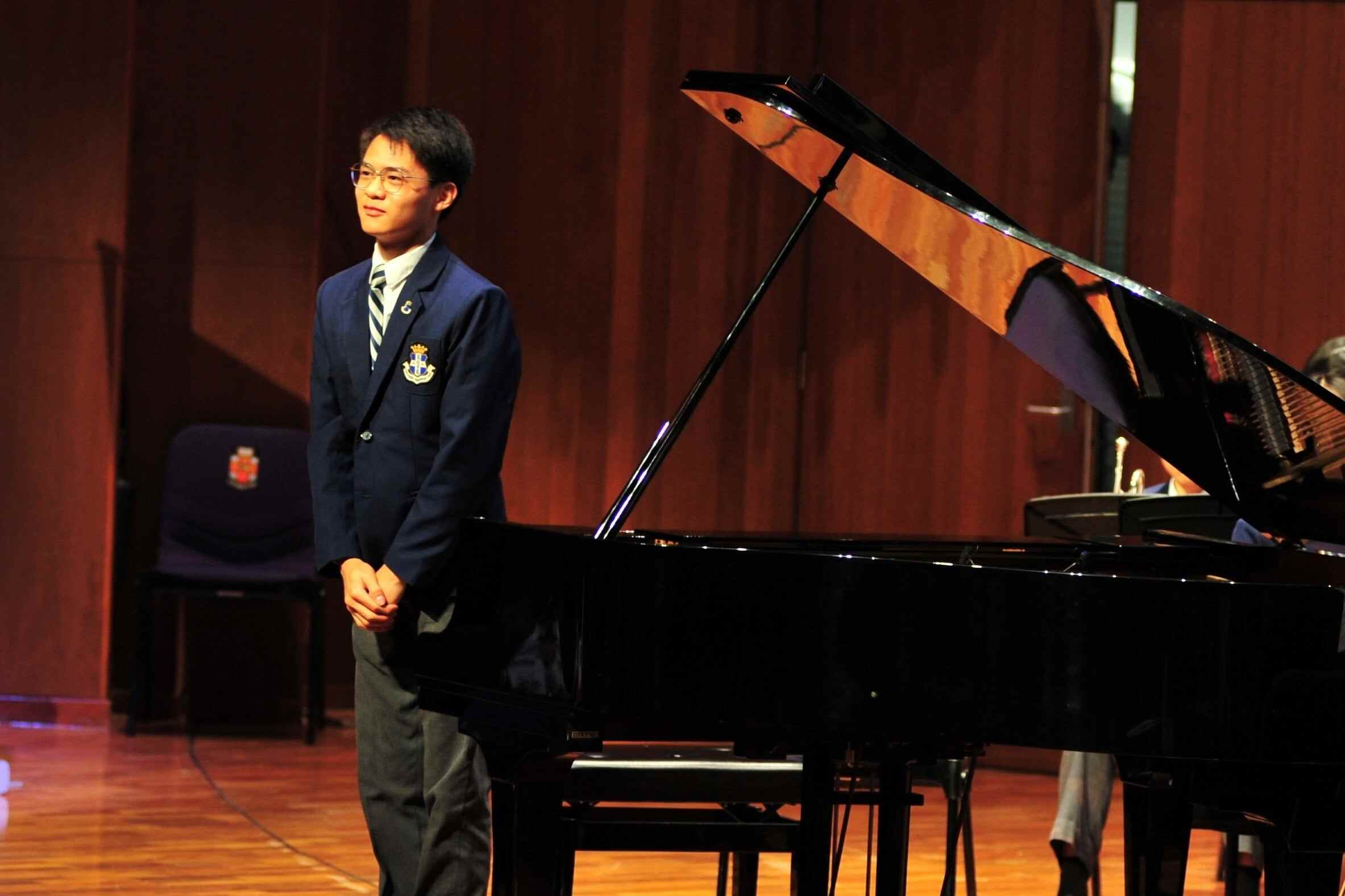
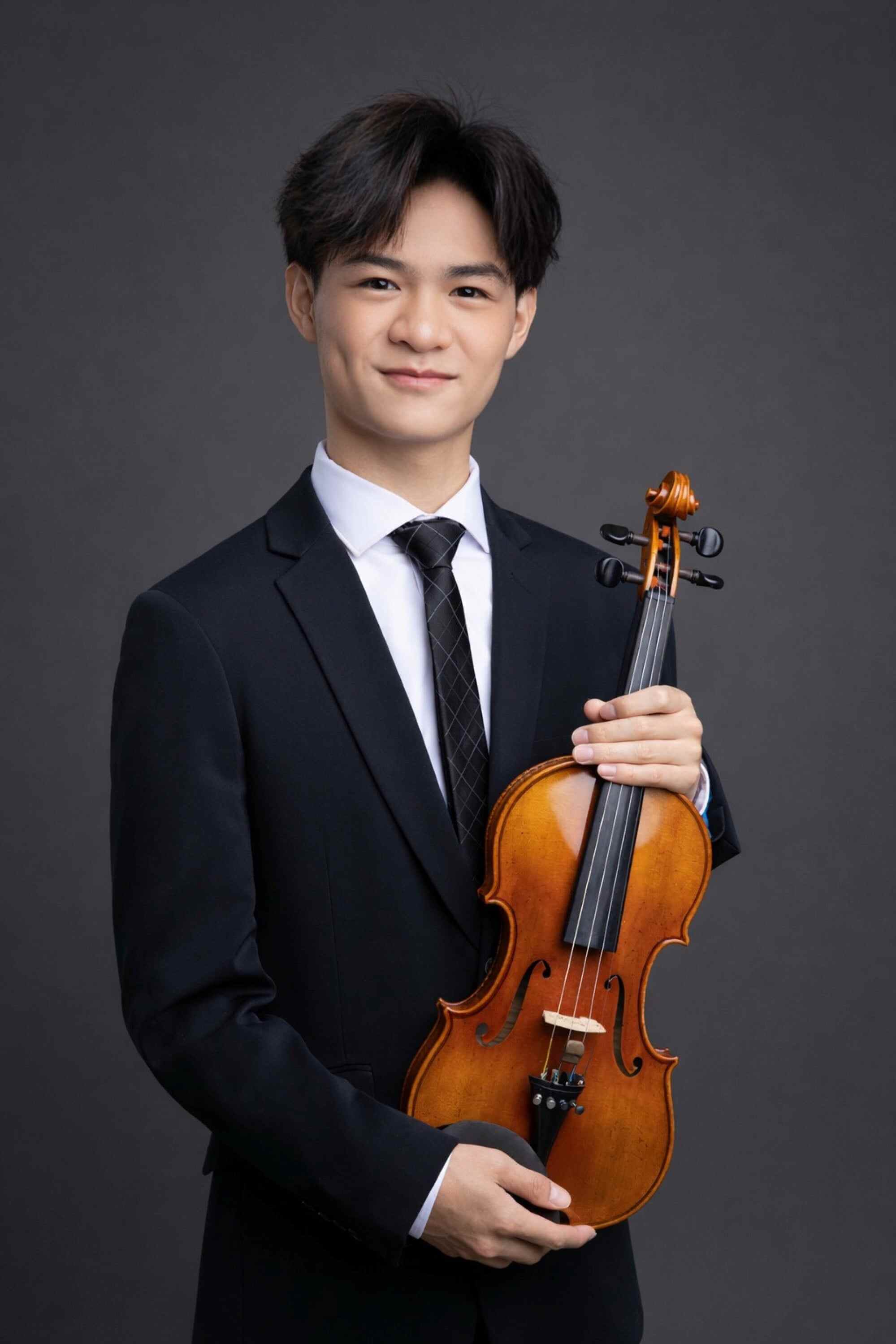
Samuel Mok Kwan-chung’s original musical, Lost and Found, drew on his own crossroad between a planned future in law and an unforeseen devotion to music.
“It mirrored my own confusion,” said the 19‑year‑old graduate of St Stephen’s College.
That uncertainty became the musical’s spine. Rather than offering tidy answers, the show invited audiences to view ambiguity as a space for growth – a lesson Mok embraced while writing and performing alongside peers who shared the same questions.
Its premiere at the Xiqu Centre felt like a full‑circle moment for Mok. The very doubts that once unsettled him became a language that resonated with other young people.
As artistic director of the multimedia project Dare to Dream, Fuelled to Fly, Mok confronted the practical challenge of uniting choreography, animation, lighting and original music into a single, coherent pulse.
He described the process as a series of conversations: “I learned to compromise on specific creative details without conceding my artistic vision.”
Mok’s leadership style emphasised listening and trust. The result was a living demonstration of the show’s central message: determination is practised collectively, behind the scenes as much as onstage.
Mok’s talent also travelled beyond campus. He performed multi-award-winning composer Dr Steve Ho’s Kung Fu Rhapsody at the Sydney Opera House.
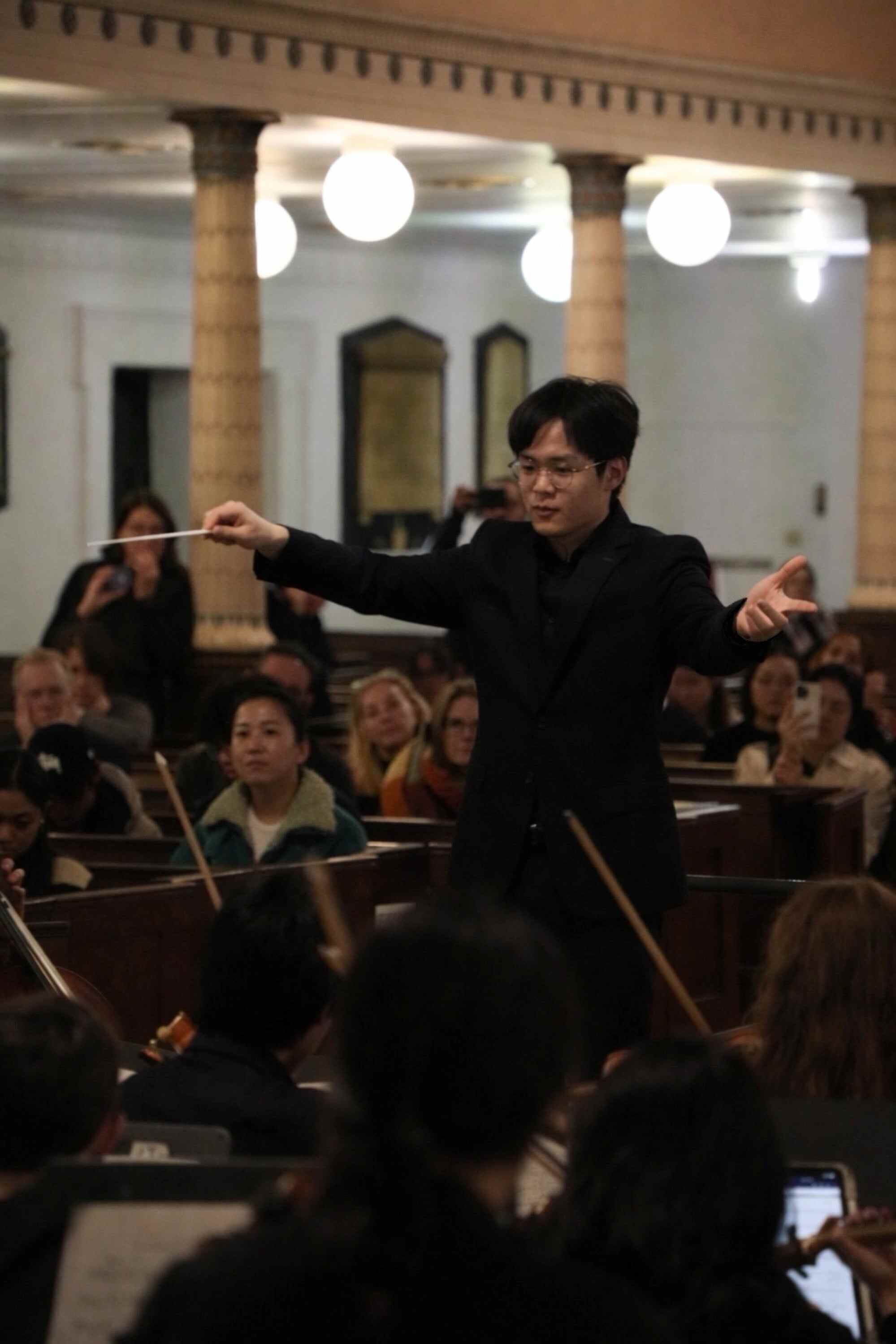
The cross‑cultural score blended Chinese martial arts traditions with Western concerto forms. The international audience – especially young musicians – responded with palpable enthusiasm.
Mok remembered applause, conversations that followed and praise from peers across countries, all reinforcing music’s unifying power for him.
A pivotal moment arrived during the Hong Kong Composers’ Guild Mentorship Scheme. Mok was commissioned to compose a new work that would be premiered by professional musicians under his baton.
He pushed himself to feature contemporary techniques and navigated tense moments with seasoned performers.
“There were confrontational moments when my vision clashed with the musicians’ interpretations,” he recalled. Those exchanges taught him diplomatic communication and the art of compromise.
The mentorship also unlocked a bolder compositional voice and a new confidence in leading professionals, proving that growth often emerges through discomfort.
His versatility extended beyond the arts.
Mok helped revive his secondary school’s Model United Nations after the pandemic. He hosted weekly briefings, assigned students to represent countries and encouraged quieter participants to present on topics they cared about.
One reserved student, who had long felt sidelined, eventually joined inter‑school conferences. It was a transformation Mok saw as proof of good leadership.
“Leadership means balancing authority with empathy, to guide without dominating, to inspire others to find their own voice,” he said. Facilitating debate taught him that curiosity could be nurtured through responsibility, role‑play and a safe space to fail.
Mok’s prolific contributions earned him recognition in the Best Devotion to School category at the 2024/25 Student of the Year Awards. The awards were organised by the South China Morning Post and solely sponsored by The Hong Kong Jockey Club.
Mok now studies in London, pursuing a UCL–HKU (University College London and University of Hong Kong) Dual Degree Programme in Law and serving as the UCL String Orchestra conductor.
Mok hopes to keep creating platforms where different talents meet, and uncertainty is treated as a possibility.
“I want to inspire, communicate and unify diverse voices from different backgrounds through the shared language of music.”