Hong Kong teen Sharon Mok Cheuk-ki would constantly run into a problem at local animal shelters – young people were eager to help, but were shut out of volunteering shifts because of strict age limits and safety rules.
“I kept seeing teenagers who wanted to do more than observe,” said the 18‑year‑old who recently graduated from The True Light School of Hong Kong. “They wanted to learn, to care, to be useful.”
Those frustrations soon crystallised into a purpose: to create Animal Blessing HK, a platform that channels young people’s energy into sustained engagement.
Mok explained, “We start with the speechless – animals – because empathy learned at these shelters naturally extends to other marginalised groups.”
That simple insight shaped the organisation’s twin mission of animal welfare and sustainability, and it informed a curriculum that schools rarely offer.
Building a volunteer base of more than 100 people across generations required both strategy and sensitivity. Mok leaned on social media and personal networks from extracurricular activities.
“Instagram helped us show not just what we do, but why it matters,” she said.
Recruitment, however, was only the first step. Mok emphasised the importance of listening. Post‑event feedback sessions, intentional diversity in her team and a design‑thinking approach to programming created an environment where ideas could be tested and improved.
Mok framed her leadership as service: “I try to lead by listening and by putting the collective good first.” That ethos turned volunteers into co-owners of the mission.
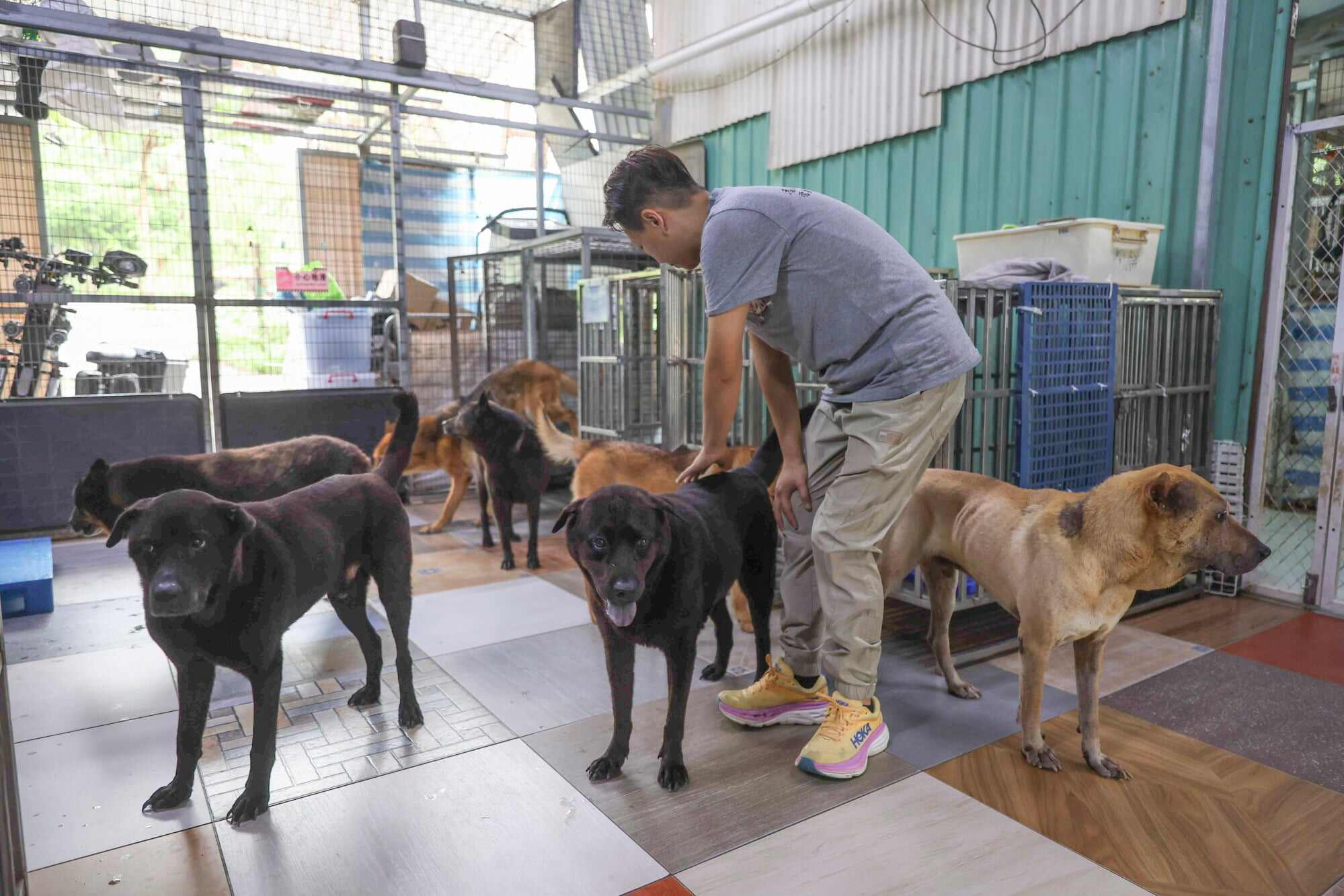
The tangible results of that collective effort are striking. Mok recalled delivering more than 600 handmade pet toys, towels and carriers that had been gathered from partner groups and brands.
“We received videos from shelters – rabbits playing, dogs romping, cats finally resting,” she said. Those images were more than heartwarming; they also freed shelter staff to focus on rehabilitation rather than logistics.
“Seeing a tired volunteer’s handiwork become a dog’s favourite toy – that’s when you know youth dedication changes systems,” Mok said.
Her work expanded to include raising awareness of special educational needs and holding workshops for local ethnic minority groups.
The path was not smooth. Emails to more than 20 social workers and centres received only two responses.
“Inclusion isn’t a checkbox,” Mok said. “It’s slow trust‑building, and sometimes you have to accept rejection and keep showing up.”
Those early setbacks reshaped her approach. Mok focused on creating with community partners, active listening and insisting that programmes reflected lived realities – not assumptions. The result was a deeper, more respectful model of inclusion that values genuine partnership.
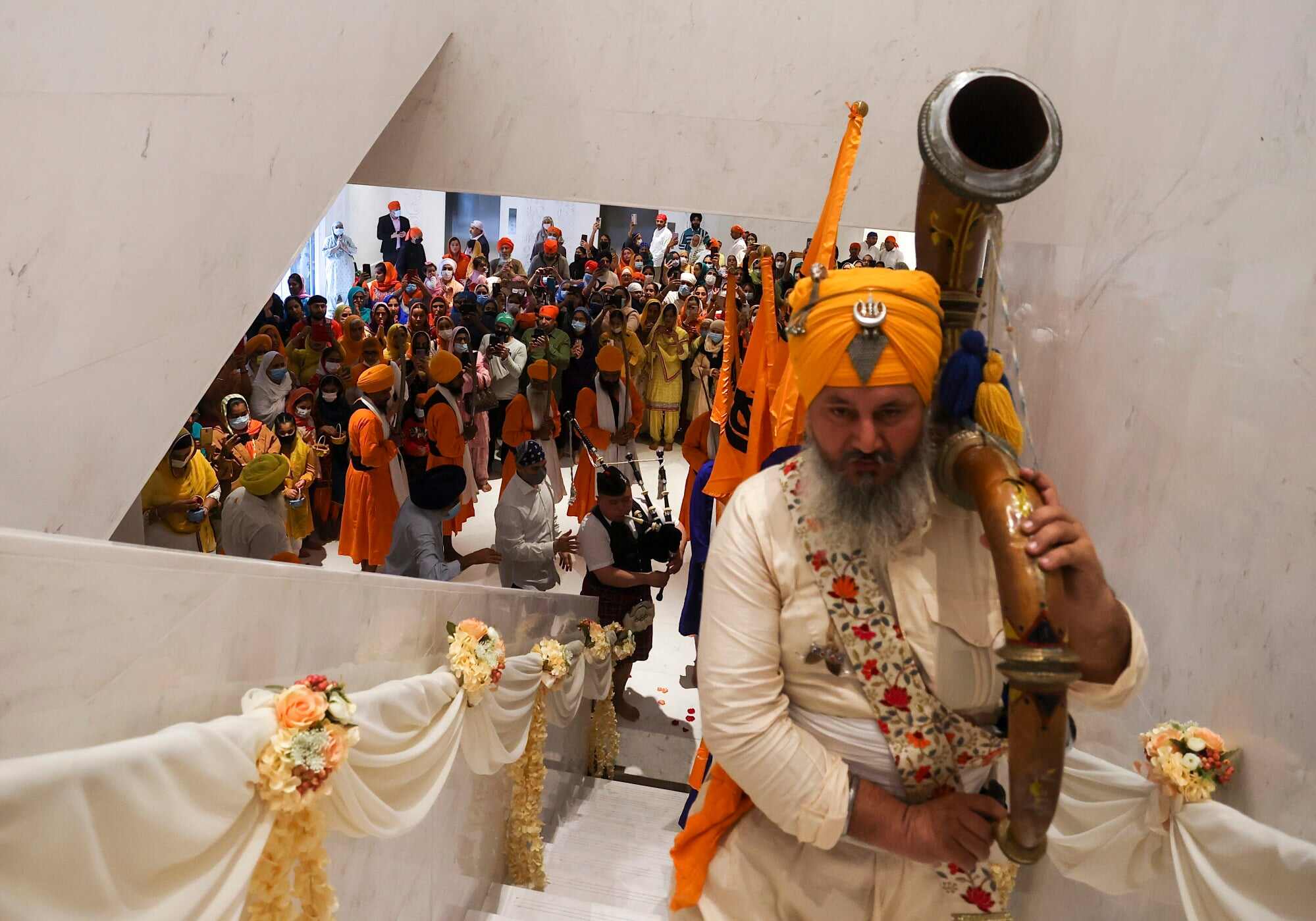
Mok made sure to actually look for Hong Kong’s cultural diversity rather than rely on abstract statistics. Visits to the city’s Sikh temple and shops run by members of ethnic minority groups revealed the rituals, family stories and resilience behind small businesses.
“I learned to celebrate festivals, to ask questions and to support local businesses,” she said. Those everyday interactions, Mok said, were the building blocks of community solidarity – reciprocal, humble and human.
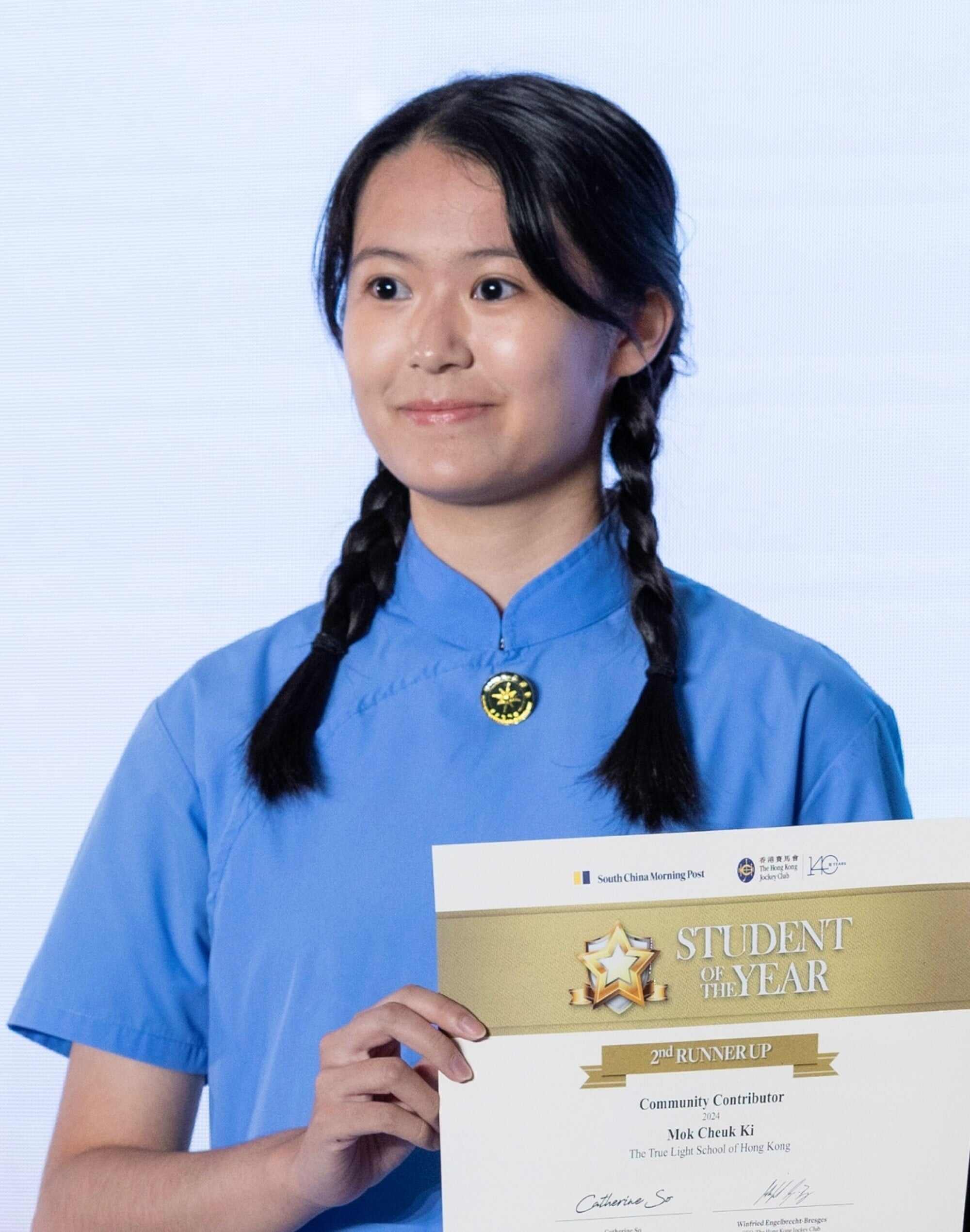
The teenager’s social work was recognised when she was named the second runner-up in the Community Contributor category at the 2024/25 Student of the Year Awards, organised by the South China Morning Post and solely sponsored by The Hong Kong Jockey Club.
Looking ahead, Mok is excited to weave animal welfare, child development and social inclusion into larger projects. She plans to expand on school collaborations, animal-welfare clubs and a social-enterprise model that brings animal education to underprivileged children.