Hong Kong universities have rapidly gained favour with mainland Chinese families looking to avoid both the intensely competitive gaokao and uncertainties amid recent Sino-US tensions.
Hong Kong overtook the United States to become the second most popular study-abroad destination for mainland students in 2026, according to a recent report by the private education company New Oriental.
Based on a survey of nearly 7,000 students and parents, Britain retained its top spot for the seventh consecutive year, while the US slipped to third. Singapore ranked sixth.
This massive shift is detailed in the newly released Blue Book on Mainland Students Studying in Hong Kong. Authored by Peking University’s Sustainability Research Institute and two education companies, the report notes that what began as an “elite pathway” for a small number of top-performing students has transformed into a massive, complex ecosystem.
“In the past three to five years, the scale, structure and underlying logic of mainland students pursuing education in Hong Kong have undergone a qualitative change,” the authors wrote.
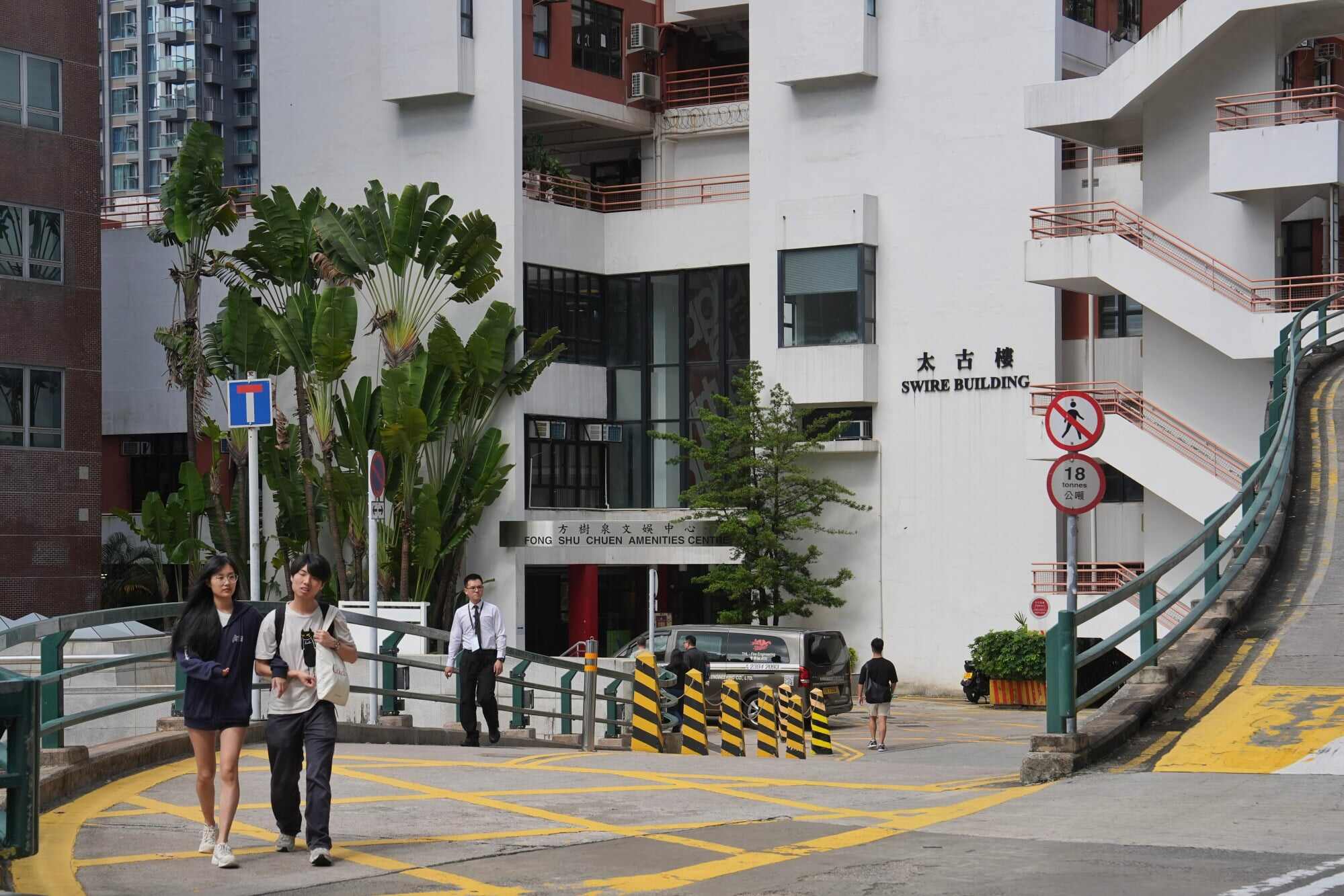
This influx is heavily supported by new government policies, which doubled the non-local student quota at Hong Kong’s public universities to 40 per cent starting in the 2024-25 academic year.
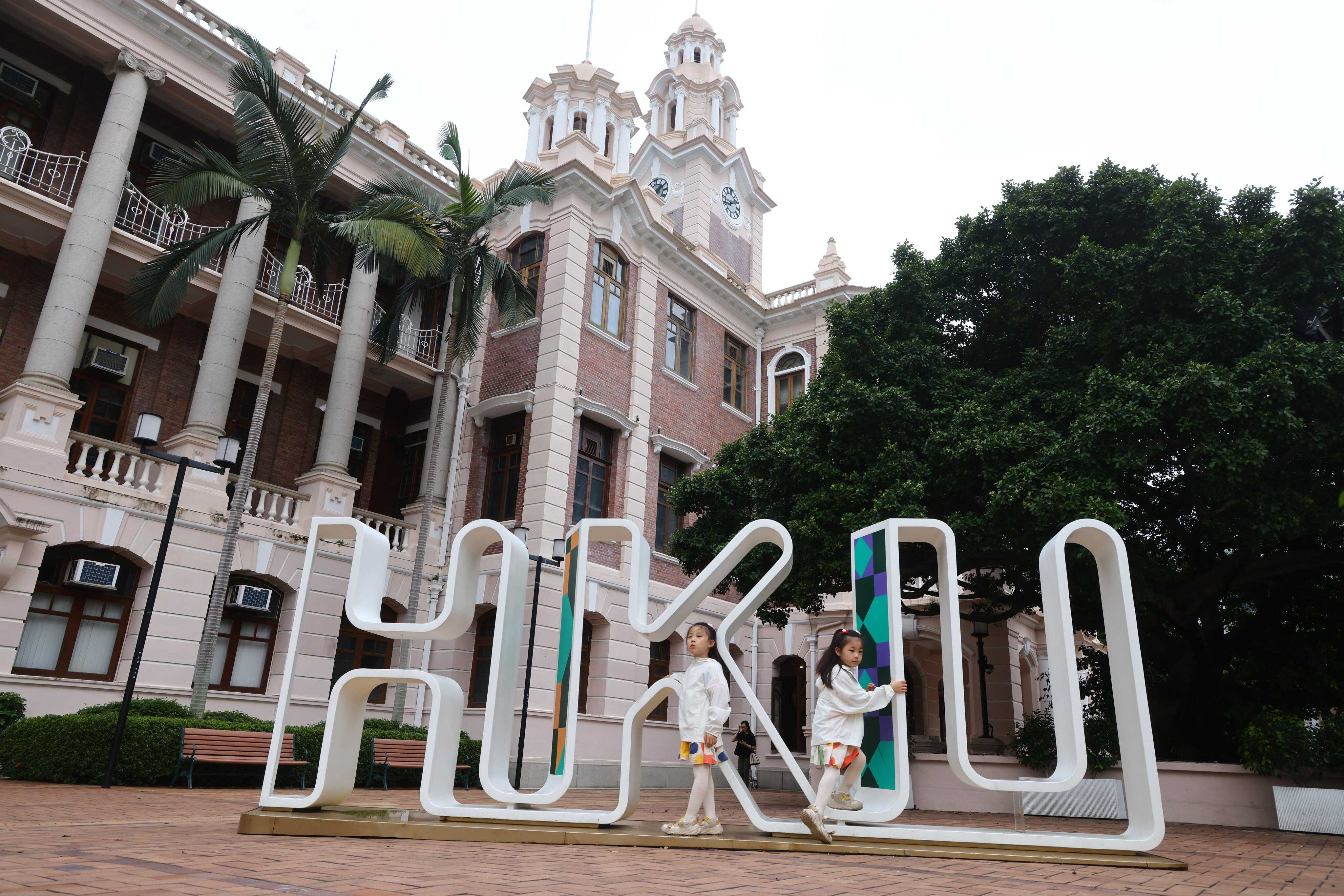
The surge is especially noticeable in taught postgraduate programmes, which saw a 207 per cent increase in enrolment from 2020 to 2023. At the University of Hong Kong (HKU) alone, mainland students now make up 92.4 per cent of non-local taught postgraduates.
The Blue Book highlights several practical advantages that draw families to Hong Kong: shorter travel distances, lower overall costs compared with a four-year US programme, and Hong Kong’s non-local graduates immigration visa, or the IANG policy, which allows non-local graduates to stay and work in the city.
For parents like Yu Wen, whose daughter is currently an eighth-grader in Beijing, the decision to aim for Hong Kong is largely about escaping the brutal domestic pressure. Admission to China’s top 150 universities is fiercely competitive, with national admission rates averaging just 1.6 to 5 per cent.
“I would definitely avoid the hellish gaokao,” Yu said. She is transferring her daughter to an international school next year to prepare for an undergraduate degree in Hong Kong. “With rising safety concerns and ongoing Sino-US tensions, studying in the US no longer feels as secure or predictable as before.”
Yu added that Hong Kong’s proximity to home and its connection to the Greater Bay Area’s tech and innovation hubs give it an edge over regional rivals like Singapore.
However, the rising popularity of Hong Kong has created a new issue. “Everyone seems to be thinking the same way,” Yu noted. “Hong Kong’s top universities have become incredibly competitive, so it’s not easy to get in.”
Amy Feng, a consultant at the Beijing-based education agency CAC Edu, agreed.
“Applying to Hong Kong’s top three universities [HKU, Chinese University and Hong Kong University of Science and Technology] for undergraduate programmes now requires academic strength comparable to getting into Tsinghua or Peking University. It’s extremely difficult,” Feng explained.
Because of this, she said that, ironically, aiming for the top 30 universities in the US remains a “more realistic choice” for some families who remain committed to that system.
Li Qingquan, a Shanghai parent who secured Hong Kong residency through an investment route, ultimately decided to send his graduating son to the US.
“We have laid the groundwork for Hong Kong, but my son still chose the US,” Li said. “Hong Kong is excellent in many ways, but it feels a bit small. My son is more interested in the wider cultural diversity in the US.”
Despite these individual preferences, experts believe Hong Kong’s status as an educational magnet will only grow. Cen Jianjun, chairman of the overseas study service branch of the China Education Association for International Exchange, highlighted the city’s advantages.
“With its world-class universities, blend of Sino-Western education systems and the unique advantages of ‘one country, two systems’ … Hong Kong offers clear advantages, especially as cooperation in the Greater Bay Area deepens,” Cen said.